
Crisp and Golden Mac and Cheese Cakes on the Grill
Turn yesterday's leftover macaroni into today's crispy, golden side dish with this easy wood-fired recipe.


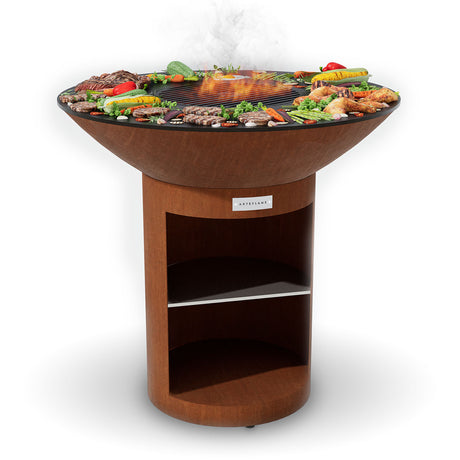
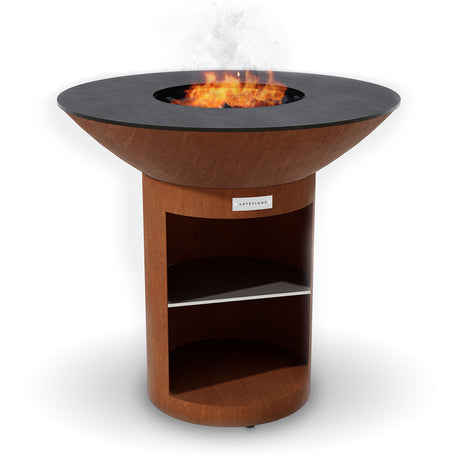
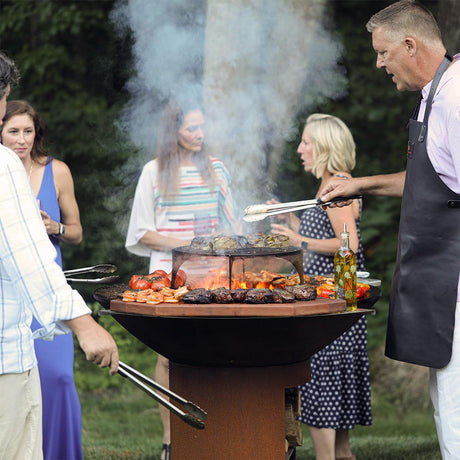
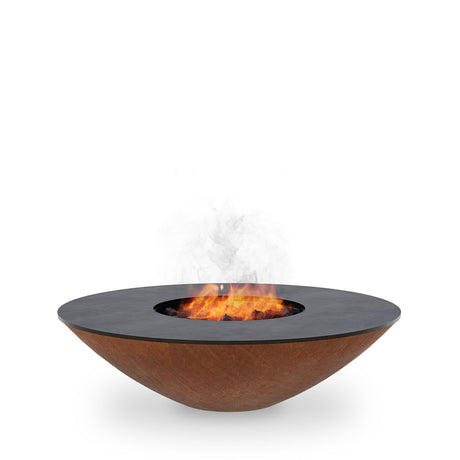
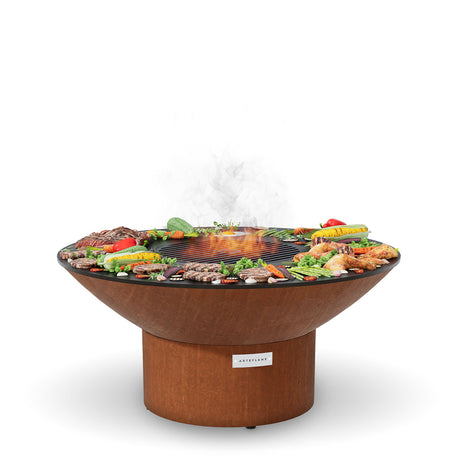
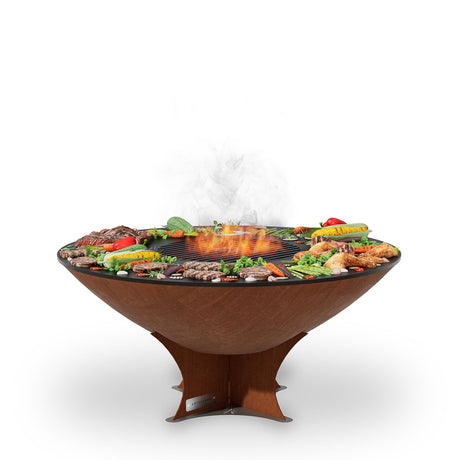
Quick Take: Upgrade your standard Weber charcoal grill by swapping the wire grate for a solid carbon steel griddle insert. This simple modification eliminates flare-ups, dramatically increases heat retention for better searing, and creates distinct heat zones for cooking delicate vegetables and steaks simultaneously. It transforms a standard kettle into a complete outdoor kitchen without the cost of a standalone flat-top grill.
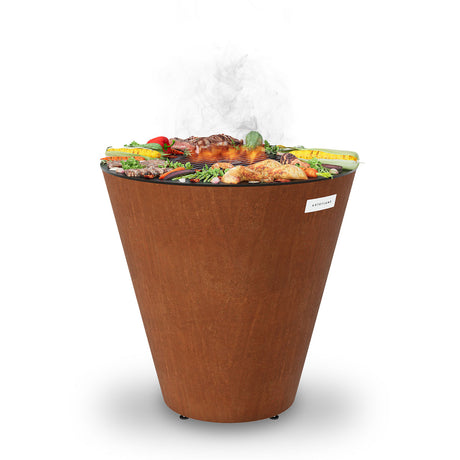
Most grillers stick to wire grates out of habit, but a solid surface insert offers superior thermal dynamics for outdoor cooking. By using a heavy-gauge carbon steel plate, you convert the grill into a massive heat reservoir. This prevents the rapid "temperature drop" that typically occurs when you place cold meat on thin wire grates.
Standard grates allow fat to drip directly onto the coals, causing carbon buildup on your food and dangerous flare-ups. A solid griddle plate vaporizes these juices instantly, returning flavor to the meat rather than burning it.
Pro Tip: Unlike cast iron, carbon steel is virtually unbreakable and heats up significantly faster. The more you cook on it, the better the non-stick seasoning becomes—eventually turning pitch black.
| Feature | Standard Wire Grate | Carbon Steel Insert | Cast Iron Skillet |
|---|---|---|---|
| Heat Retention | Low | High | High |
| Flare-Ups | Frequent | Zero | None |
| Surface Area | Limited (Wire only) | 100% Surface Contact | Limited (Pan size) |
| Versatility | Grilling only | Grill, Sear, Bake | Limited |
| Durability | Rusts/Breaks | Lifetime | Can Crack |
When choosing an insert for your Weber, carbon steel strikes the perfect balance between performance and maintenance. It conducts heat more efficiently than stainless steel and creates a smoother surface than cast iron.
A perfect sear requires maximum surface contact. Wire grates only sear the thin lines where metal touches meat. A carbon steel plancha provides 100% surface contact, triggering the Maillard reaction across the entire steak or burger for superior flavor.
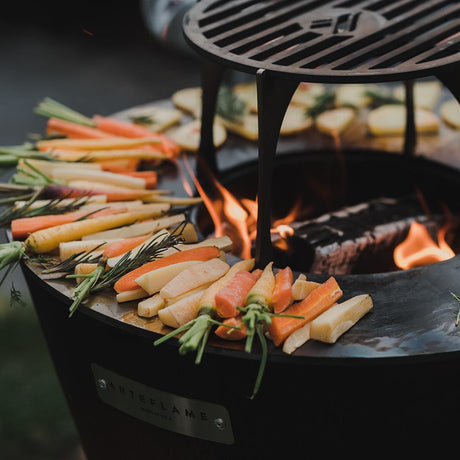
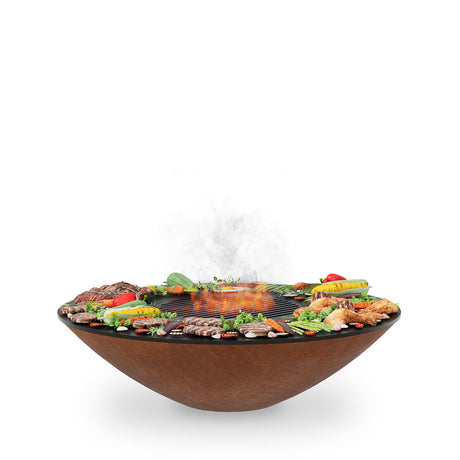
Because the charcoal fire is concentrated in the center of the Weber, a solid insert creates natural, highly useful temperature gradients:
Maintenance is often cited as a barrier to owning a flat top, but it is actually easier than cleaning wire grates filled with stuck-on crud. The goal is to build a "patina"—a layer of polymerized oil that protects the steel and makes it non-stick.
Simply scrape the griddle clean while it is hot. There is no need for wire brushes that shed dangerous bristles.
Pro Tip: Never use soap on your seasoned griddle. After cooking, simply scrape the residue into the fire, wipe it down with a light coat of oil while it's still warm, and cover it.
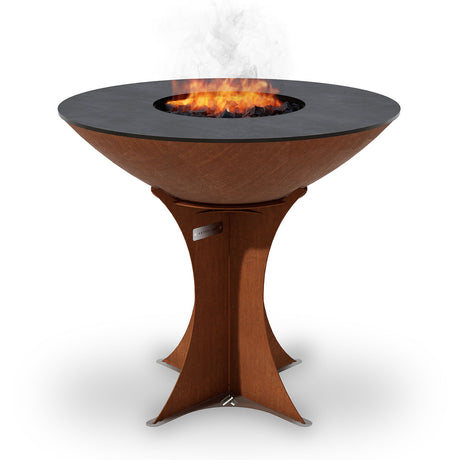
No, provided the insert is designed correctly. High-quality inserts like the Arteflame leave a small gap around the edges or utilize a center opening to ensure airflow moves upwards, keeping the charcoal burning efficiently.
Absolutely. Carbon steel is tough enough to handle the intense heat of both charcoal and hardwood fires. Using wood adds a distinct smoky flavor that enhances the food cooked on the flat top.
Yes. Just like a cast iron skillet, you should wash the protective shipping oil off, dry it thoroughly, and apply a thin layer of high-smoke-point oil (like grapeseed) while heating the grill to season the metal.


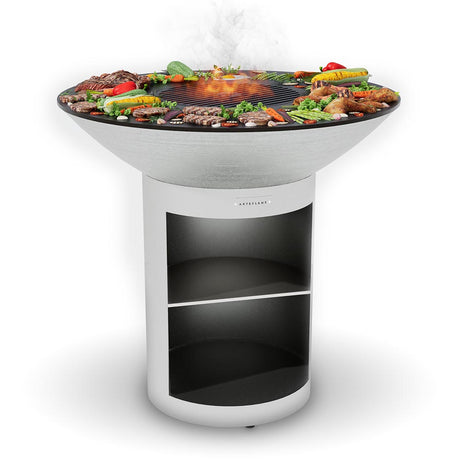
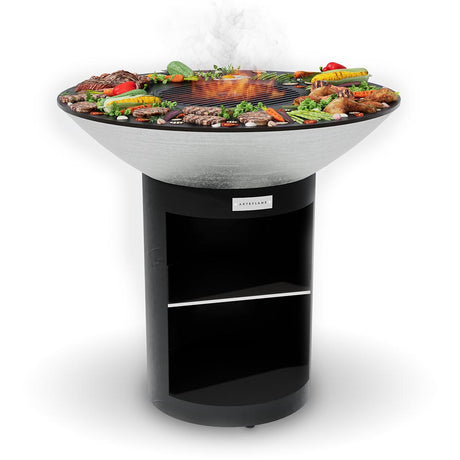
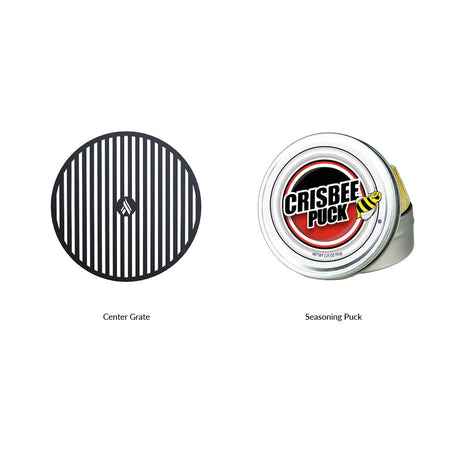


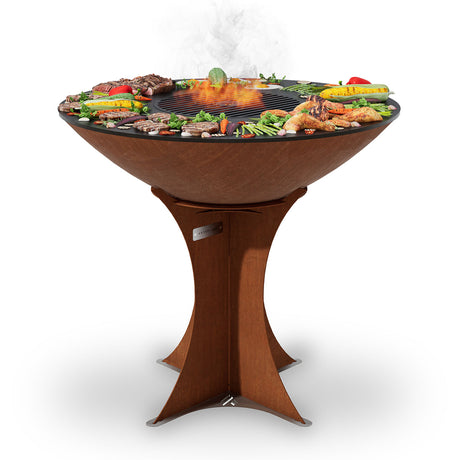




Turn yesterday's leftover macaroni into today's crispy, golden side dish with this easy wood-fired recipe.

Master this Texas-style open-fire brisket cooked entirely on the Arteflame grill. By searing on the center grate and wrapping to render on the flat top, you get perfectly tender, juicy...

Transform standard thick-cut bacon into a sweet, savory appetizer with a dark stout and brown sugar glaze, perfectly caramelized on a flat-top grill.

Render the perfect crispy skin with these Sichuan Peppercorn Duck Breasts, paired with a smoky, sweet, and spicy charred plum-poblano sauce.

Tender artichoke halves charred over high heat and smothered in rich garlic butter and Parmesan cheese.

Achieve the ultimate crust with this low-and-slow beef brisket recipe, utilizing natural heat zones for a perfect sear and incredibly tender finish.

Transform the trending crispy rice paper dumplings into a wood-fired masterpiece. Cooked on the Arteflame flat steel griddle for a shatteringly crisp crust and savory, high-protein filling.

Elevate albacore tuna with a steakhouse-style bacon wrap and a decadent green peppercorn cream sauce, grilled flawlessly on a flat-top.