
Crisp and Golden Mac and Cheese Cakes on the Grill
Turn yesterday's leftover macaroni into today's crispy, golden side dish with this easy wood-fired recipe.


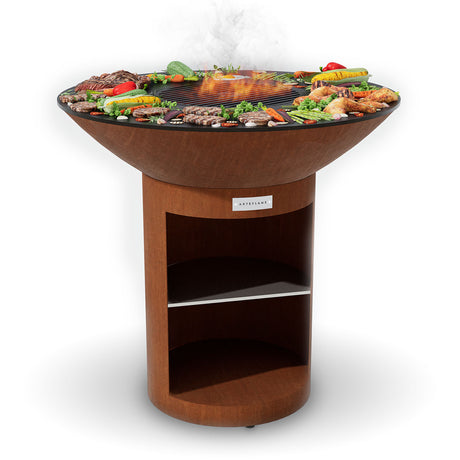
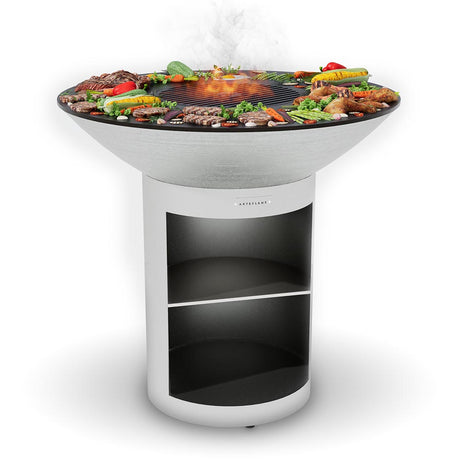
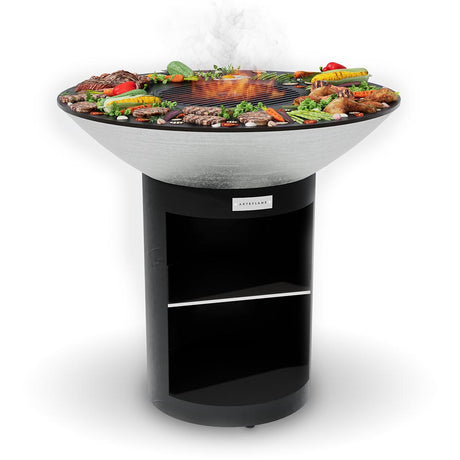
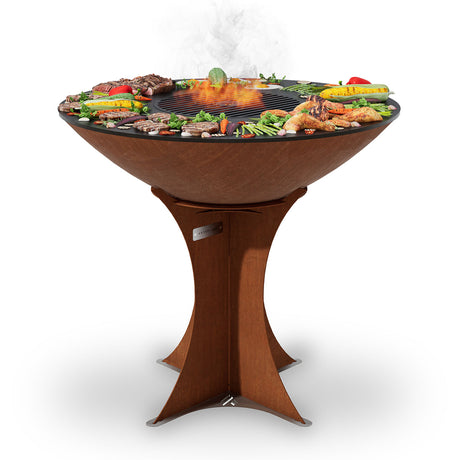
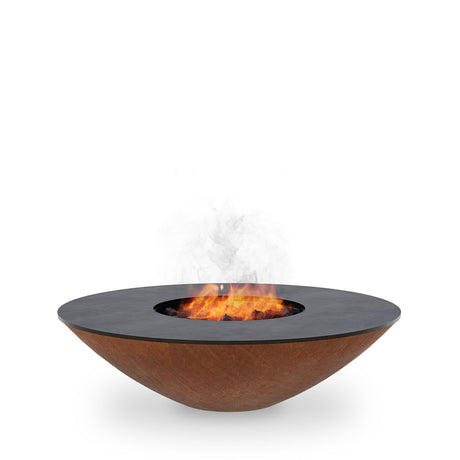
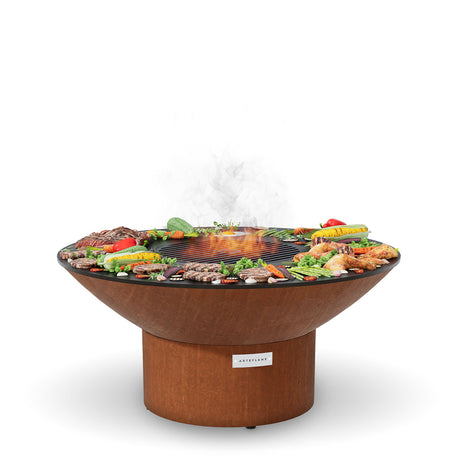
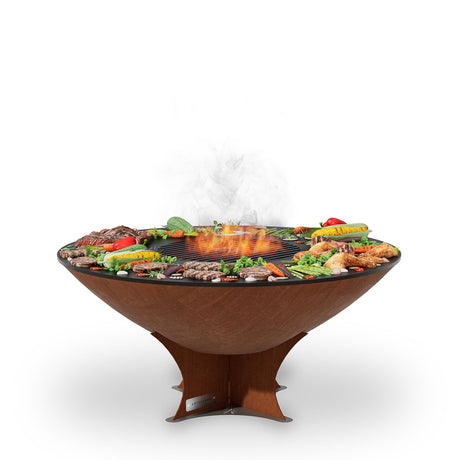
For the best flavor and searing potential, a solid carbon steel cooktop outperforms traditional stainless steel grates. While stainless grates allow up to 50% of the meat's surface to touch open air—causing juices to drip away and dry out the food—the Arteflame solid carbon steel surface ensures 100% contact. This seals in juices instantly and creates a comprehensive, steakhouse-quality sear that wire grates cannot replicate.
The primary difference between standard grilling and the Arteflame method lies in the surface area. Traditional stainless steel grates are designed with significant gaps. While this creates distinct char lines, it also reduces the conductive heat transfer necessary for the Maillard reaction (the chemical browning process that creates flavor).
Solid carbon steel provides a griddle-style flat top that maximizes thermal conductivity. This results in meat cooking in its own juices rather than losing them to the fire below.
| Feature | Stainless Steel Grates | Arteflame Carbon Steel Cooktop |
|---|---|---|
| Surface Contact | Approx. 50% (High Air Exposure) | 100% (Full Surface Sear) |
| Moisture Retention | Low (Juices drip into fire) | High (Cooks in own juices) |
| Flavor Profile | Charred, often drier | Deeply savory, juicy |
| Versatility | Limited (Small items fall through) | High (Eggs, veggies, steaks) |
| Durability | Prone to warping/rust over time | Lasts a lifetime with seasoning |
Flavor intensity is directly related to the surface area exposed to high heat. When using stainless steel grates, the "grid" pattern means only a fraction of your steak is searing. The rest is baking over hot air. This evaporation process dries out the proteins.
Pro Tip: To achieve the perfect crust on a steak, avoiding moving the meat prematurely. On a solid carbon steel surface, the meat will naturally release once the Maillard reaction has formed a sufficient crust, usually after 2-3 minutes of intense heat.
The Arteflame cooktop eliminates the air gaps. Because the food cooks on a solid surface, the juices cannot escape. Instead of vaporizing into smoke immediately, they create a flavor bath that re-infuses the meat as it cooks. This is why smash burgers and diner steaks often taste superior to backyard grilled meat.
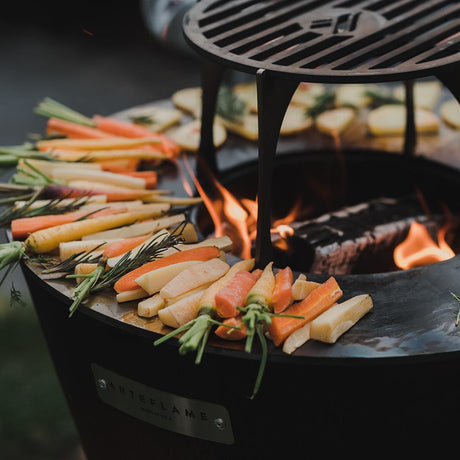
Traditional grill grates limit your menu. Vegetables like asparagus, sliced onions, or peppers often fall through the gaps, requiring aluminum foil or grill baskets which disrupt airflow.
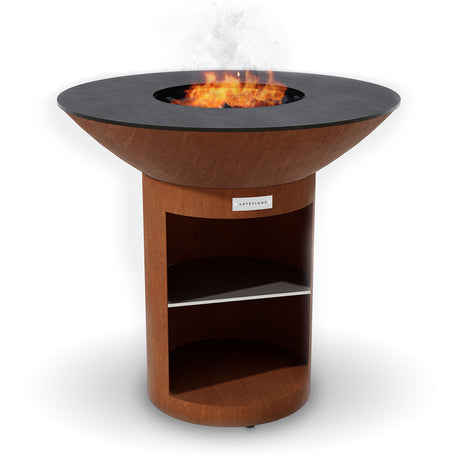
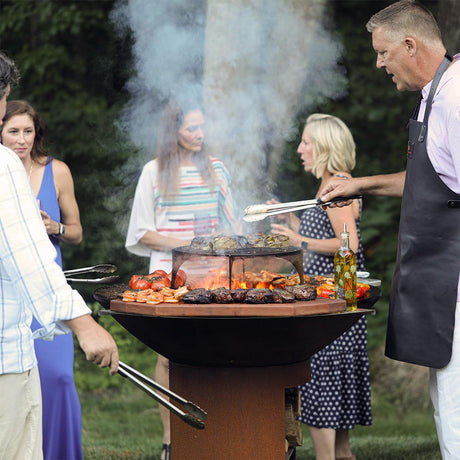
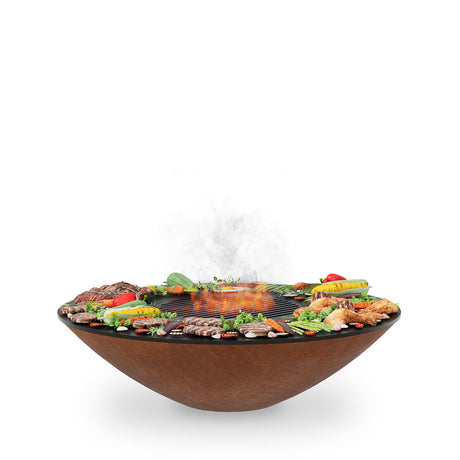
A solid carbon steel cooktop functions as a 360-degree griddle. You can simultaneously sear a Tomahawk ribeye, fry an egg, grill delicate seafood, and sauté vegetables without fear of losing food to the fire. The different heat zones on the Arteflame (hotter near the center, cooler near the edges) allow you to manage multiple ingredients at different temperatures effortlessly.
Stainless steel is marketed as rust-resistant, but high heat cycles eventually degrade the chromium oxide layer, leading to corrosion and warping. Wire brushes used to clean these grates can also shed dangerous bristles.
Carbon steel operates differently. It requires seasoning—similar to a cast-iron skillet. As you cook with oil and heat, a layer of polymerized oil builds up. This turns the surface distinctively black and creates a natural, non-stick coating that protects against rust.
Pro Tip: Never use soap on your carbon steel cooktop. After cooking, simply scrape the residue into the fire, wipe it down with a light coat of oil, and it is ready for the next use. This builds the non-stick seasoning layer over time.
Yes, if left unseasoned and exposed to moisture, carbon steel can develop surface rust. However, with regular oiling and cooking (seasoning), the surface becomes virtually impervious to rust and lasts for generations.
While you won't get the thin wire lines of a grate, you get something better: an all-over deep brown crust. This "all-over sear" provides significantly more flavor than thin char lines.
No, it is generally easier. There are no gaps for food to get stuck in. You simply scrape the flat surface clean with a spatula or scraper while it's still warm, then wipe with oil.








Turn yesterday's leftover macaroni into today's crispy, golden side dish with this easy wood-fired recipe.

Master this Texas-style open-fire brisket cooked entirely on the Arteflame grill. By searing on the center grate and wrapping to render on the flat top, you get perfectly tender, juicy...

Transform standard thick-cut bacon into a sweet, savory appetizer with a dark stout and brown sugar glaze, perfectly caramelized on a flat-top grill.

Render the perfect crispy skin with these Sichuan Peppercorn Duck Breasts, paired with a smoky, sweet, and spicy charred plum-poblano sauce.

Tender artichoke halves charred over high heat and smothered in rich garlic butter and Parmesan cheese.

Achieve the ultimate crust with this low-and-slow beef brisket recipe, utilizing natural heat zones for a perfect sear and incredibly tender finish.

Transform the trending crispy rice paper dumplings into a wood-fired masterpiece. Cooked on the Arteflame flat steel griddle for a shatteringly crisp crust and savory, high-protein filling.

Elevate albacore tuna with a steakhouse-style bacon wrap and a decadent green peppercorn cream sauce, grilled flawlessly on a flat-top.