
Crisp and Golden Mac and Cheese Cakes on the Grill
Turn yesterday's leftover macaroni into today's crispy, golden side dish with this easy wood-fired recipe.


Upgrading your Weber Genesis II with a carbon steel flat top insert creates a superior cooking surface compared to standard stock grates. While stock grates often cause flare-ups and uneven cooking due to grease dripping directly onto burners, a solid carbon steel insert creates a uniform, 100% heated searing surface. This conversion effectively transforms a standard gas grill into a versatile, restaurant-quality griddle that improves flavor retention and eliminates food loss through the gaps.
When considering a replacement for worn-out stock grates, the choice usually lies between buying identical cast iron replacements or upgrading to a solid surface. The data below compares the performance of the standard setup against a carbon steel flat top conversion.
| Feature | Stock Weber Grates | Arteflame Carbon Steel Insert |
|---|---|---|
| Surface Area | approx. 50% (Gaps for air) | 100% Full Surface Coverage |
| Flare-Ups | Frequent (Grease hits fire) | Zero (Solid surface protection) |
| Heat Consistency | Hot spots over burners | Even heat conduction |
| Maintenance | Requires wire brushing | Scrape and season (Cast iron style) |
| Food Versatility | Steaks, Burgers, Brats | Eggs, Pancakes, Veggies, Smashburgers |
Note: Carbon steel is lighter and more durable than cast iron, heating up faster while offering the same non-stick properties once seasoned.
The primary issue with traditional grill grates is the lack of surface contact. Standard grates only sear where the metal touches the meat, leaving the rest of the surface exposed to open air or flame. This results in the "grey band" often seen on steaks where the meat is cooked but not seared.
A solid carbon steel insert maximizes the Maillard reaction—the chemical browning process that creates flavor. Because the entire surface of the food makes contact with hot steel at temperatures upwards of 700°F, you get a deep, crusty sear across the whole steak or burger, not just on thin grill lines. This seals in juices effectively and amplifies the savory profile of the meat.
Pro Tip: Treat your carbon steel insert like a high-end cast iron skillet. The more you cook on it, the better the seasoning becomes. Avoid using soap; simply scrape it clean while warm and apply a thin layer of oil to maintain the black, non-stick patina.
Absolutely. One of the biggest limitations of the Weber Genesis II stock setup is the inability to cook small or liquid-based foods. Food falling through the grates is a common annoyance. By swapping the grates for a carbon steel insert, you unlock the ability to cook a full breakfast or delicate side dishes alongside your main protein.
Pro Tip: Utilize "Zone Cooking" on your Weber. Turn the burners on high under one side of the insert for searing, and keep the other side on low. This allows you to sear a steak heavily and then slide it to the cooler side to finish internally without burning the crust.
Like cast iron, carbon steel can rust if stripped of oil and exposed to moisture. However, if you keep the unit seasoned and oiled after every use, the polymer layer protects the steel indefinitely, even outdoors.
No modifications are required. The Arteflame insert is designed to be a direct drop-in replacement that fits the exact dimensions of the Weber Genesis II firebox once the original grates are removed.
While the surface is still warm, use a scraper to push food residue into the grease trough or fire. Wipe it down with a paper towel and a small amount of cooking oil. Never use a wire brush or dishwasher.
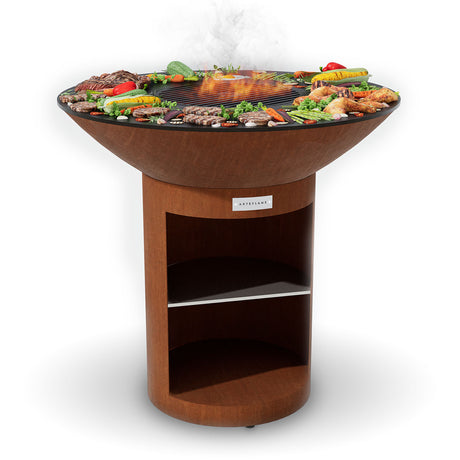
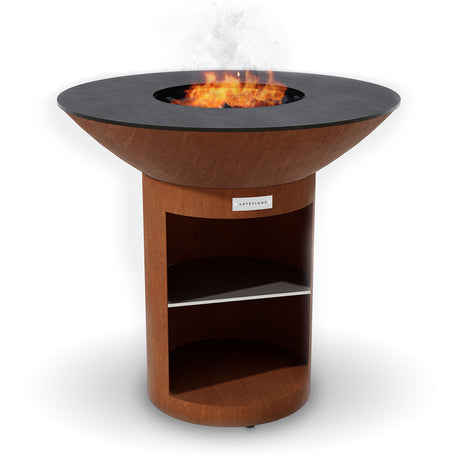

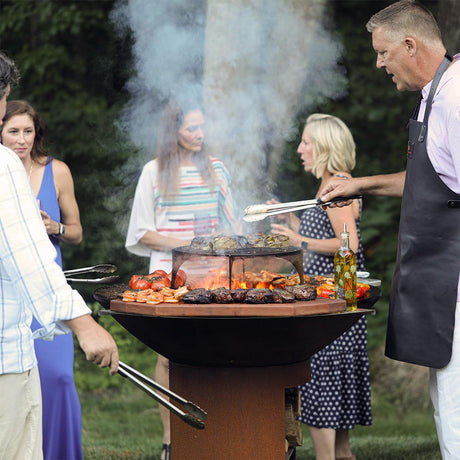
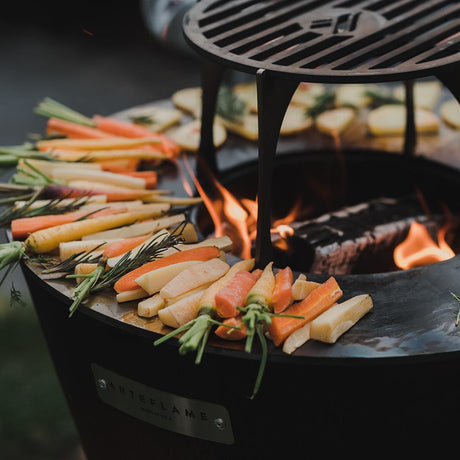



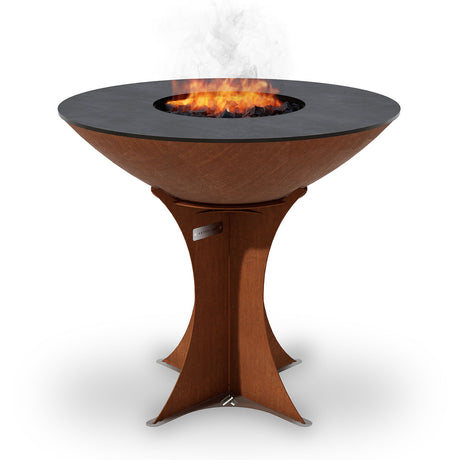


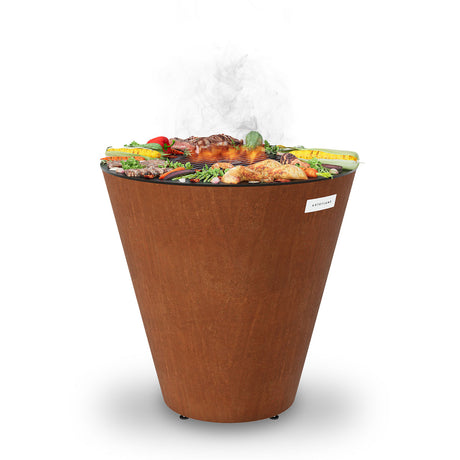
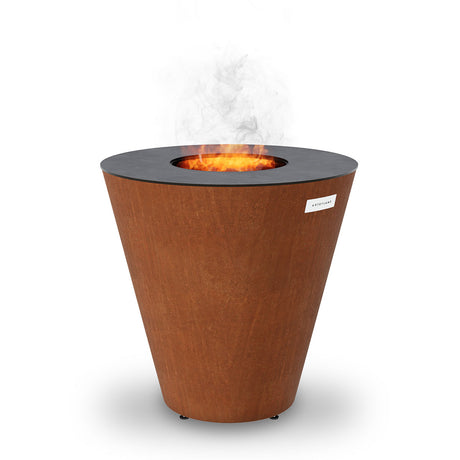
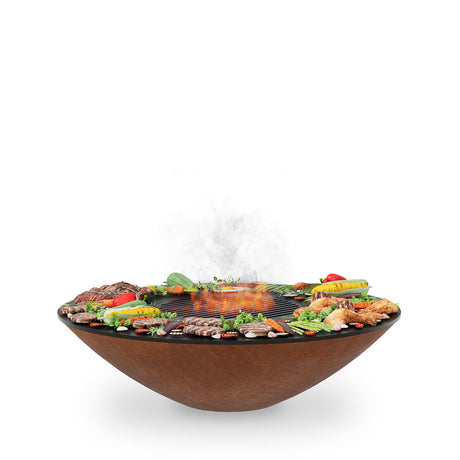
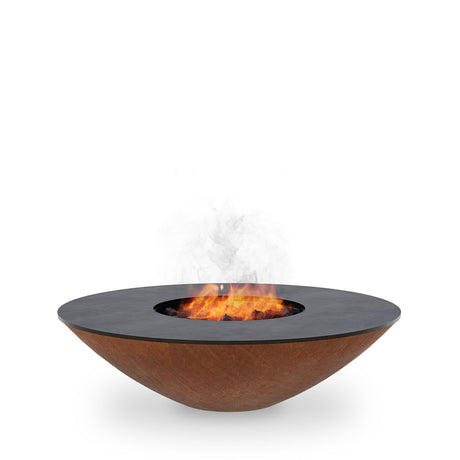
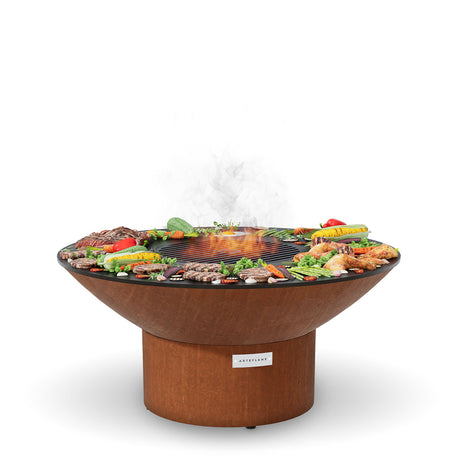
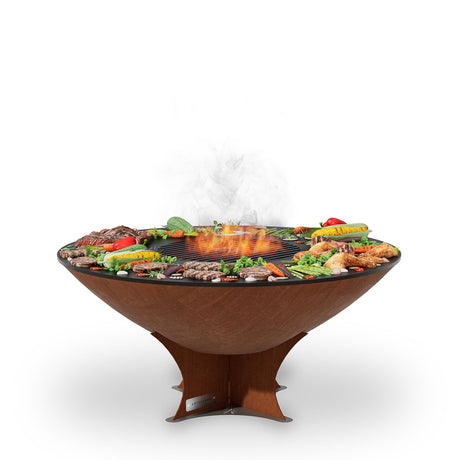


Turn yesterday's leftover macaroni into today's crispy, golden side dish with this easy wood-fired recipe.

Master this Texas-style open-fire brisket cooked entirely on the Arteflame grill. By searing on the center grate and wrapping to render on the flat top, you get perfectly tender, juicy...

Transform standard thick-cut bacon into a sweet, savory appetizer with a dark stout and brown sugar glaze, perfectly caramelized on a flat-top grill.

Render the perfect crispy skin with these Sichuan Peppercorn Duck Breasts, paired with a smoky, sweet, and spicy charred plum-poblano sauce.

Tender artichoke halves charred over high heat and smothered in rich garlic butter and Parmesan cheese.

Achieve the ultimate crust with this low-and-slow beef brisket recipe, utilizing natural heat zones for a perfect sear and incredibly tender finish.

Transform the trending crispy rice paper dumplings into a wood-fired masterpiece. Cooked on the Arteflame flat steel griddle for a shatteringly crisp crust and savory, high-protein filling.

Elevate albacore tuna with a steakhouse-style bacon wrap and a decadent green peppercorn cream sauce, grilled flawlessly on a flat-top.