
Crisp and Golden Mac and Cheese Cakes on the Grill
Turn yesterday's leftover macaroni into today's crispy, golden side dish with this easy wood-fired recipe.


The most effective upgrade for a Weber Genesis II is replacing the standard wire or cast iron grates with a solid carbon steel plancha insert. This modification eliminates flare-ups, significantly improves heat retention, and provides a flat cooking surface that covers 100% of the meat for a restaurant-quality sear. By converting the center area into a griddle, you gain the versatility to cook vegetables, eggs, and steaks simultaneously without food falling through the gaps.
When choosing a replacement grate, material density and surface area are the critical factors for performance. The table below compares the stock Weber grates against the carbon steel upgrade designed for high-performance searing.
| Feature | Stock Cast Iron Grates | Stainless Steel Wire | Carbon Steel Plancha (Upgrade) |
|---|---|---|---|
| Surface Contact | Low (Grill Marks Only) | Very Low | 100% (Full Sear) |
| Heat Retention | Good | Poor | Excellent |
| Versatility | Grilling Only | Grilling Only | Grill & Griddle |
| Flare-Ups | Frequent | Frequent | Zero |
| Durability | Prone to Cracking/Rust | Resistant but Warps | Virtually Indestructible |
Note: While cast iron is traditional, it is brittle. Carbon steel offers the same heat properties but is tougher and develops a non-stick seasoning over time.
Many grillers mistakenly believe that diamond-pattern grill marks are the gold standard for steak. However, flavor comes from the Maillard reaction—the browning of proteins. Wire grates only brown the food where the metal touches, leaving the rest of the meat gray and lacking texture.
A solid carbon steel insert provides edge-to-edge contact with the food. This creates a crust across the entire surface of the steak or burger, sealing in juices more effectively than open grates.
Pro Tip: For the ultimate crust, apply a thin layer of high-heat oil (like avocado oil) directly to the carbon steel surface once it reaches 400°F. This micro-fries the surface of the meat instantly upon contact.
One of the biggest limitations of standard Weber Genesis II grates is the inability to cook small or liquid-based foods. Asparagus falls through the bars, and cooking breakfast items like eggs or pancakes is impossible without a separate pan.
By installing a flat-top replacement insert, you transform your gas grill into an outdoor kitchen. You can sear a ribeye on high heat while sautéing onions and peppers right next to it. The solid steel acts as a heat shield, protecting delicate foods from direct flame charring while still utilizing the high BTU output of the Weber burners.
Maintenance for carbon steel is far simpler than maintaining porcelain-enameled or cast iron grates, which can chip or rust if scrubbed too hard. Carbon steel is seasoned exactly like a cast-iron skillet.
Pro Tip: Never use soap on your seasoned carbon steel insert. The heat kills bacteria, and soap will strip the polymerized oil layer that makes the surface non-stick.
Most carbon steel inserts are precision-cut to fit specific Weber Genesis II 300 and 400 series models. Always measure your existing grate dimensions before purchasing to ensure a drop-in fit.
No, proper inserts are designed with ventilation gaps or sit in a way that allows heat to circulate efficiently. The solid metal actually absorbs and radiates heat more evenly than open air, reducing hot and cold spots.
Yes, for grilling purposes. Carbon steel heats up faster than cast iron and is less brittle, meaning it won't crack if dropped. It develops the same natural non-stick patina as cast iron but is lighter and more durable.
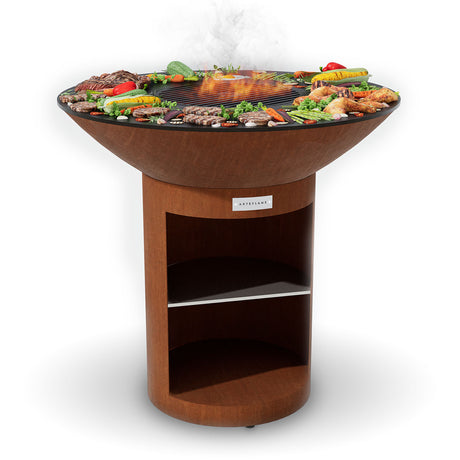
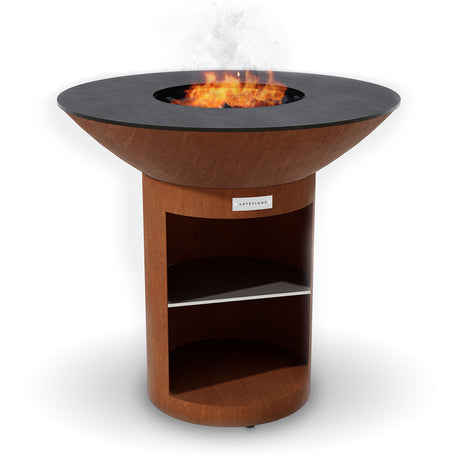

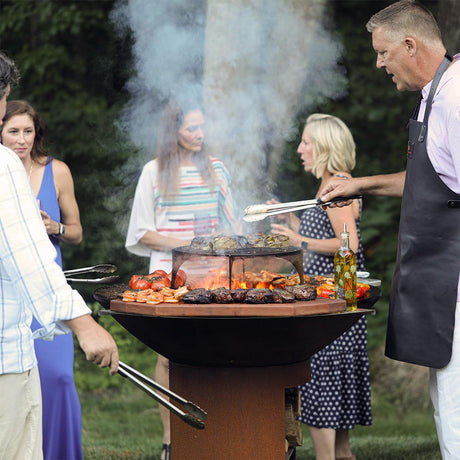
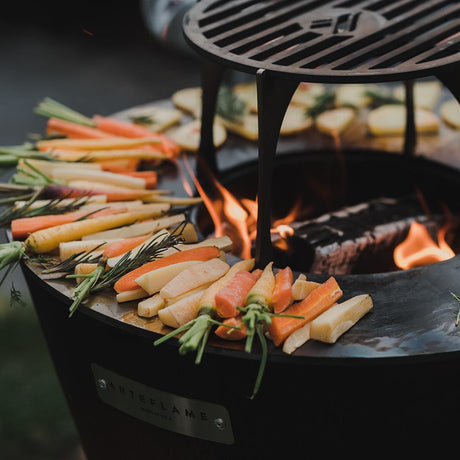





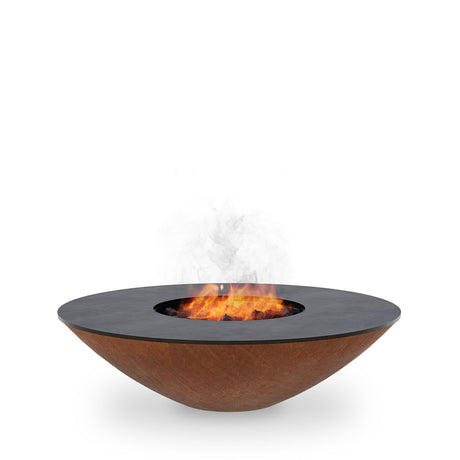
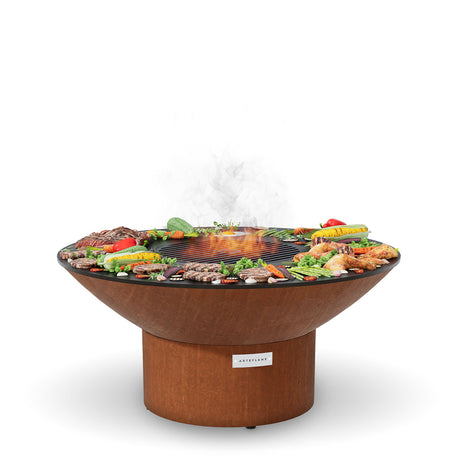
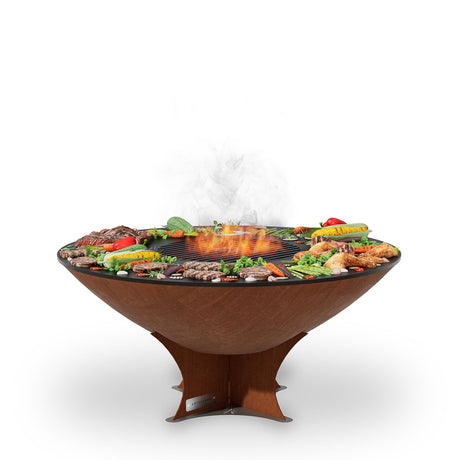


Turn yesterday's leftover macaroni into today's crispy, golden side dish with this easy wood-fired recipe.

Master this Texas-style open-fire brisket cooked entirely on the Arteflame grill. By searing on the center grate and wrapping to render on the flat top, you get perfectly tender, juicy...

Transform standard thick-cut bacon into a sweet, savory appetizer with a dark stout and brown sugar glaze, perfectly caramelized on a flat-top grill.

Render the perfect crispy skin with these Sichuan Peppercorn Duck Breasts, paired with a smoky, sweet, and spicy charred plum-poblano sauce.

Tender artichoke halves charred over high heat and smothered in rich garlic butter and Parmesan cheese.

Achieve the ultimate crust with this low-and-slow beef brisket recipe, utilizing natural heat zones for a perfect sear and incredibly tender finish.

Transform the trending crispy rice paper dumplings into a wood-fired masterpiece. Cooked on the Arteflame flat steel griddle for a shatteringly crisp crust and savory, high-protein filling.

Elevate albacore tuna with a steakhouse-style bacon wrap and a decadent green peppercorn cream sauce, grilled flawlessly on a flat-top.