
Crisp and Golden Mac and Cheese Cakes on the Grill
Turn yesterday's leftover macaroni into today's crispy, golden side dish with this easy wood-fired recipe.


Stop replacing your Weber Genesis grates with the same stock bars that rust and lose heat over time. The ultimate upgrade is a solid carbon steel flat top insert, which instantly converts your standard gas grill into a high-performance griddle. This replacement enables restaurant-quality searing, eliminates flare-ups entirely, and provides a seasoning-ready surface that becomes non-stick and improves with every single cook.
When upgrading your Weber Genesis, the material you choose dictates your cooking performance. While standard replacements restore basic functionality, switching to carbon steel changes how you cook.
Use this comparison to decide which surface matches your culinary goals:
| Feature | Stock Stainless Steel | Stock Cast Iron | Carbon Steel Plancha (Arteflame) |
|---|---|---|---|
| Primary Function | Basic Grilling | Grilling with Marks | Searing & Griddle Cooking |
| Heat Retention | Low | High | Excellent |
| Versatility | Limited (large gaps) | Limited (large gaps) | Maximum (cook eggs, veggies, steak) |
| Flare-Up Control | Poor | Poor | 100% Flare-Up Free |
| Durability | Rusts over time | Brittle, can crack | Virtually Indestructible |
Pro Tip: Information Gain
Carbon steel is not the same as cast iron. While both hold heat well, carbon steel heats up faster and is less brittle. More importantly, it develops a patina (seasoning) much faster than cast iron, creating a natural non-stick surface that rivals Teflon without the chemicals.
Many grillers believe they need open grates for flavor, but the opposite is often true. Here is why upgrading to a flat top insert is superior to buying standard replacement bars.
Standard grates only sear the meat where the metal touches it, leaving the rest of the surface gray and steamed. A carbon steel flat top provides 100% surface contact. This triggers the Maillard reaction across the entire steak or burger, resulting in a deeper, more flavorful crust that open grates cannot replicate.
Yes. A major design flaw of open grates is that rendering fat drips directly onto the burners, causing flare-ups that scorch food and create bitter smoke. The Arteflame replacement insert is solid; juices vaporize instantly for flavor or drain away safely, completely eliminating the risk of grease fires.
Pro Tip: Heat Zoning
Because the Arteflame insert is one solid piece of steel, it creates natural heat zones. The area directly over the burners will be your high-heat sear zone (700°F+), while the spaces between burners serve as cooler resting zones. This allows you to sear a steak and slow-roast asparagus simultaneously on the same surface.
Upgrading is incredibly simple and requires no tools. It is designed as a direct drop-in replacement for specific Weber Genesis models.
Not at all. Simply remove your old, rusted wire or cast iron grates. Place the Arteflame carbon steel insert directly onto the grill rails. It fits perfectly into the firebox, sitting just like the original grates.
Forget wire brushes that shed dangerous bristles. Cleaning carbon steel is safer and easier:
Most likely, but sizing varies. Arteflame inserts are precision-engineered to replace standard split-grate setups. Always measure your current grate dimensions and check the specific model compatibility list before ordering to ensure a drop-in fit.
No. While the surface is solid, the design allows for proper airflow around the edges to maintain combustion. However, because carbon steel retains heat so efficiently, you will likely find you can grill using lower burner settings than you are used to.
Yes. The insert sits flush at the same level as your original grates. You can close the lid to roast, bake, or melt cheese on burgers just as you would with standard grates.
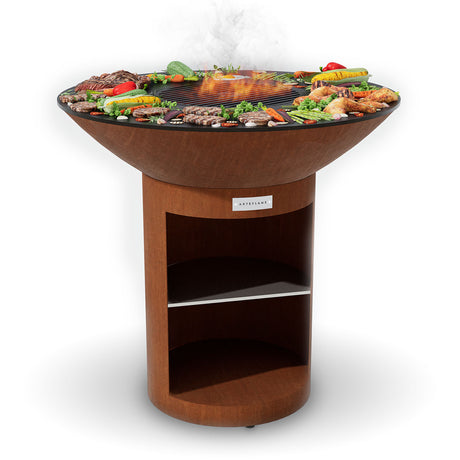
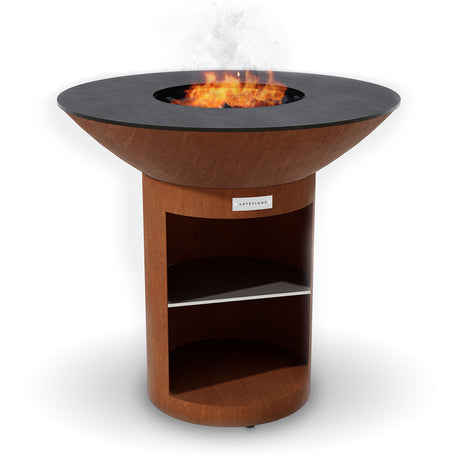
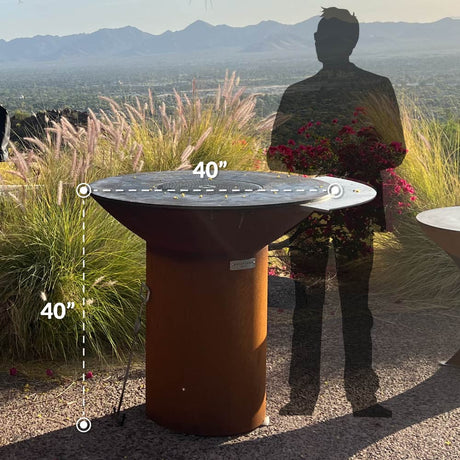
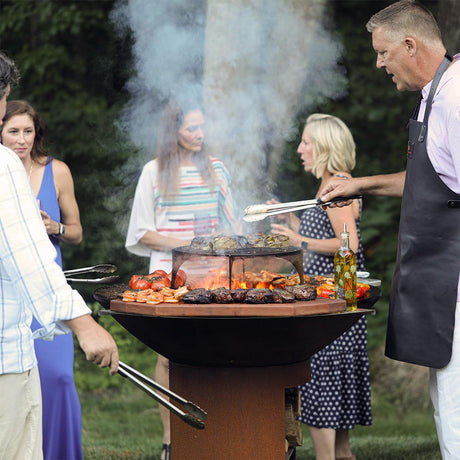



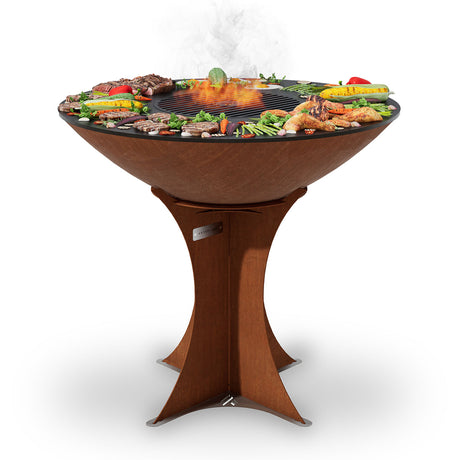
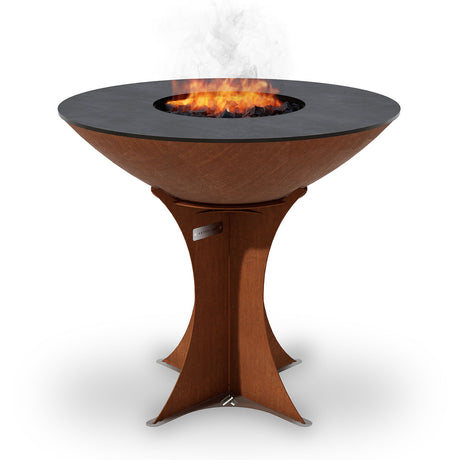


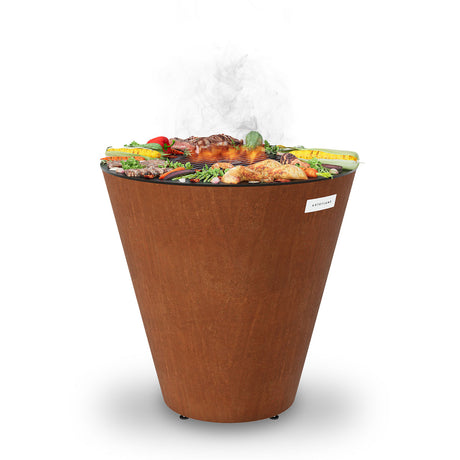
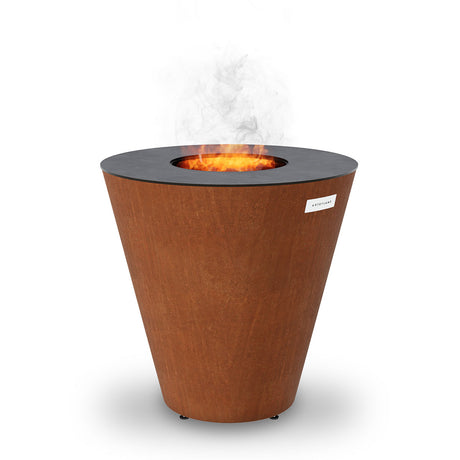


Turn yesterday's leftover macaroni into today's crispy, golden side dish with this easy wood-fired recipe.

Master this Texas-style open-fire brisket cooked entirely on the Arteflame grill. By searing on the center grate and wrapping to render on the flat top, you get perfectly tender, juicy...

Transform standard thick-cut bacon into a sweet, savory appetizer with a dark stout and brown sugar glaze, perfectly caramelized on a flat-top grill.

Render the perfect crispy skin with these Sichuan Peppercorn Duck Breasts, paired with a smoky, sweet, and spicy charred plum-poblano sauce.

Tender artichoke halves charred over high heat and smothered in rich garlic butter and Parmesan cheese.

Achieve the ultimate crust with this low-and-slow beef brisket recipe, utilizing natural heat zones for a perfect sear and incredibly tender finish.

Transform the trending crispy rice paper dumplings into a wood-fired masterpiece. Cooked on the Arteflame flat steel griddle for a shatteringly crisp crust and savory, high-protein filling.

Elevate albacore tuna with a steakhouse-style bacon wrap and a decadent green peppercorn cream sauce, grilled flawlessly on a flat-top.