
Crisp and Golden Mac and Cheese Cakes on the Grill
Turn yesterday's leftover macaroni into today's crispy, golden side dish with this easy wood-fired recipe.


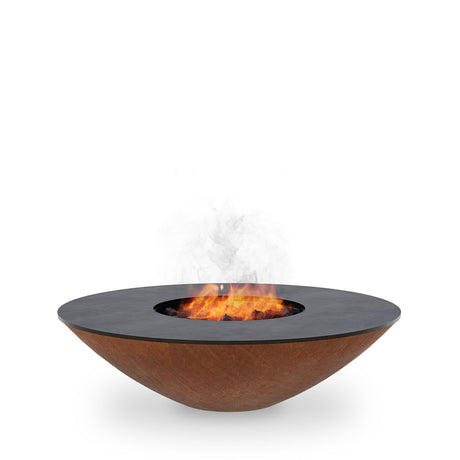
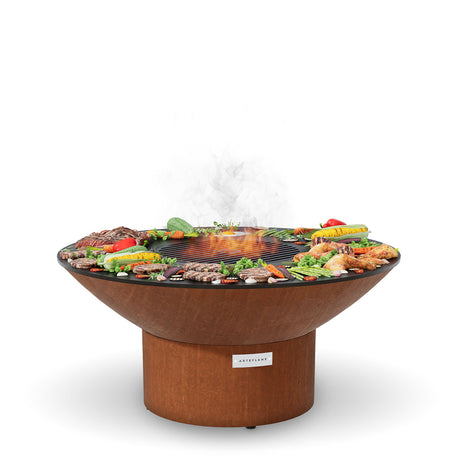
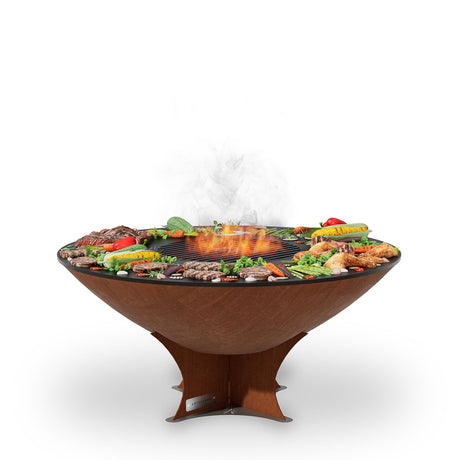
Upgrading your natural gas grill with a carbon steel griddle plate instantly transforms your outdoor cooking versatility. This setup eliminates flare-ups, allows for restaurant-quality searing at temperatures over 1,000°F, and enables you to cook fragile foods like eggs and vegetables alongside steaks. By converting to a solid surface, you combine the convenience of continuous natural gas fuel with the high-performance capabilities of a professional flat top.
The primary issue with standard grill grates is the loss of moisture and flavor. When juices drip through the grates, they cause flare-ups that char food unevenly and dry out the meat. A solid carbon steel surface solves this by vaporizing juices instantly upon contact, infusing that flavor back into the food without the risk of burning.
For those looking to maximize their grilling investment, comparing the functionality of standard setups versus a griddle conversion is essential.
| Feature | Standard Gas Grates | Carbon Steel Griddle Combo |
|---|---|---|
| Sear Quality | Inconsistent (Grill marks only) | Restaurant-Quality (Full surface crust) |
| Flare-Ups | Frequent and uncontrollable | Zero (Solid surface protection) |
| Versatility | Limited (Meats & large veggies) | Unlimited (Eggs, pancakes, smash burgers) |
| Cleaning | Difficult (Requires wire brushes) | Easy (Scrape and wipe) |
| Heat Retention | Low (Heat escapes through gaps) | High (Thermal mass holds heat) |
While cast iron is a traditional choice, carbon steel is the superior material for a natural gas grill upgrade. Carbon steel is smoother, allowing for a better non-stick seasoning (patina) to develop over time. Furthermore, it is more durable against thermal shock, meaning it won't crack under the rapid temperature changes often associated with high-BTU gas burners.
Pro Tip: Carbon steel responds to heat changes significantly faster than cast iron. On a natural gas grill, this allows for precise temperature management—you can create a distinct high-heat sear zone in the center and a cooler resting zone on the edges simultaneously.
This zonal cooking capability is unique to the griddle combo, allowing you to sear a steak at 1,000°F while slow-roasting vegetables just inches away.
Maintenance of a natural gas griddle combo is significantly easier than scrubbing charred grates. Because the surface is flat and continuous, you do not need to disassemble the grill to clean grease traps constantly.
To maintain the surface, simply scrape food residue into the fire or grease trough while the unit is still warm. Follow this by wiping a thin layer of high-smoke-point oil (like grapeseed or flaxseed oil) onto the steel to protect it from oxidation.
Pro Tip: Never use soap on your seasoned griddle. If you encounter stubborn residue, use coarse salt and a half-cut potato to scrub the surface while it is warm. This cleans effectively without stripping the non-stick patina you have built up.
No, a griddle combo is often more efficient. The solid steel surface retains heat much better than open grates, allowing you to turn the dial down once the steel is heat-soaked while maintaining cooking temperatures.
Yes, you can leave the unit outside provided it is kept seasoned and covered. A proper oil coating prevents rust, ensuring the grill is ready to use even after winter storage.
The solid surface allows for liquid batters and small items. You can cook pancakes, bacon, fajitas, stir-fry, and smashed burgers, which would otherwise fall through standard grill grates.
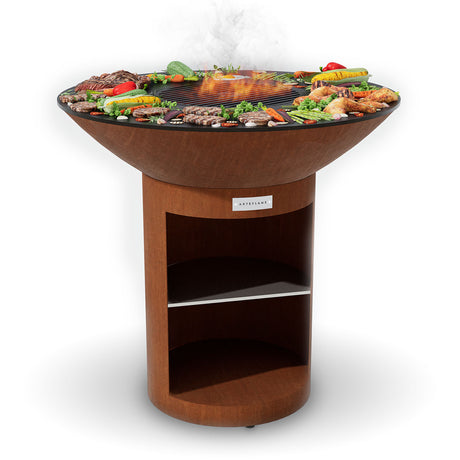
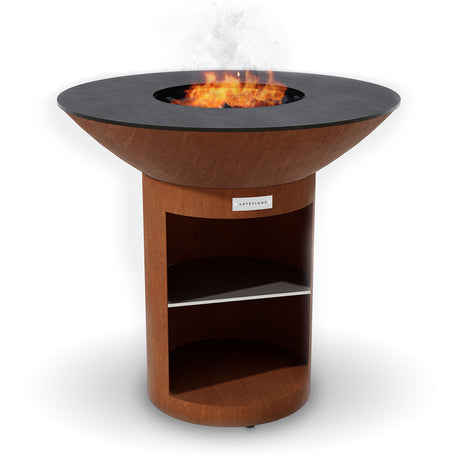

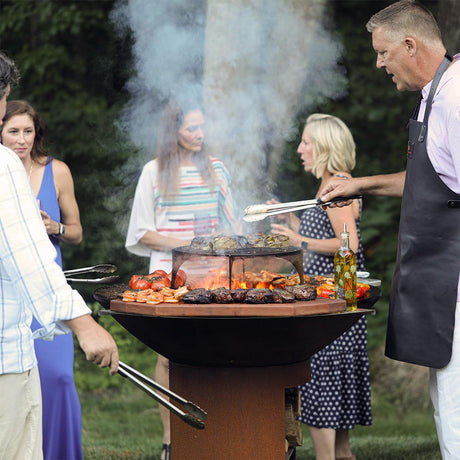
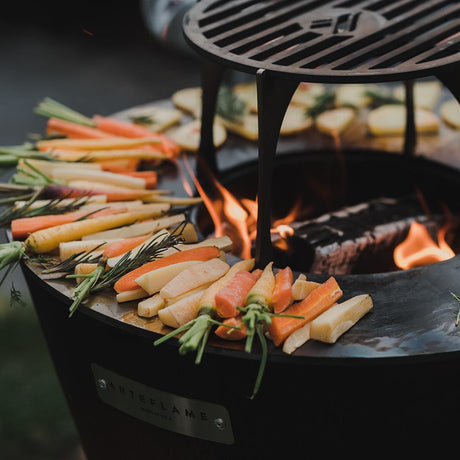

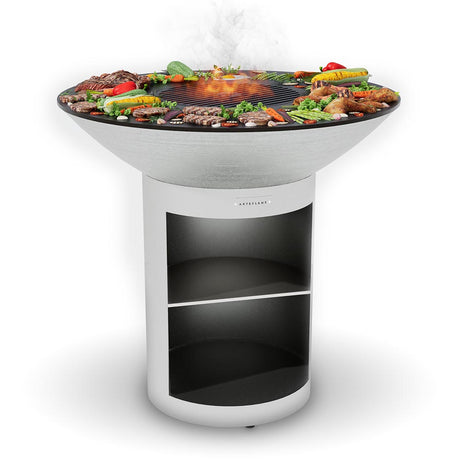
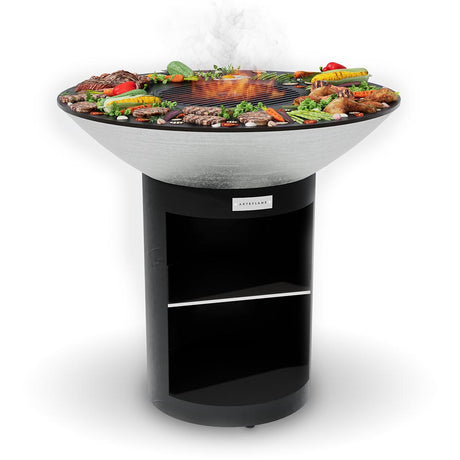
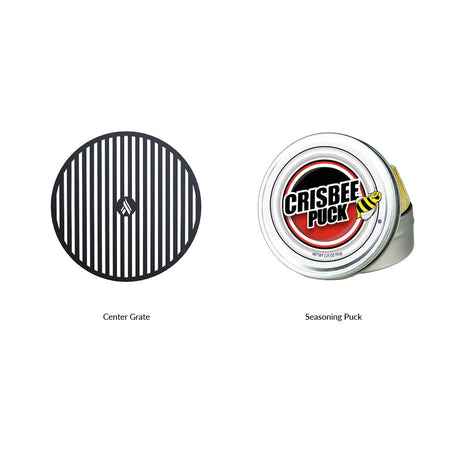


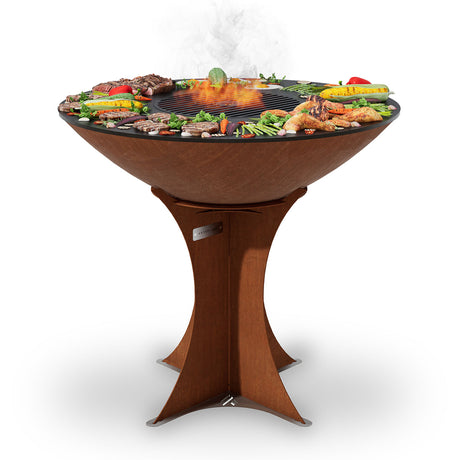
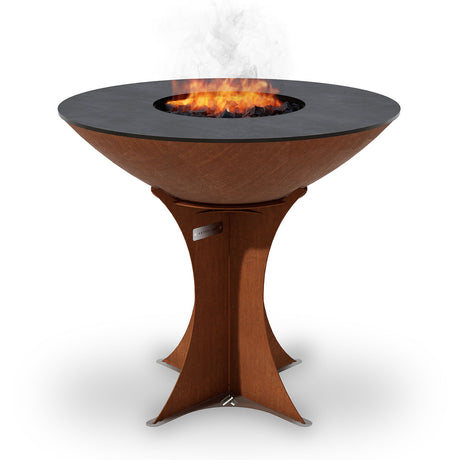


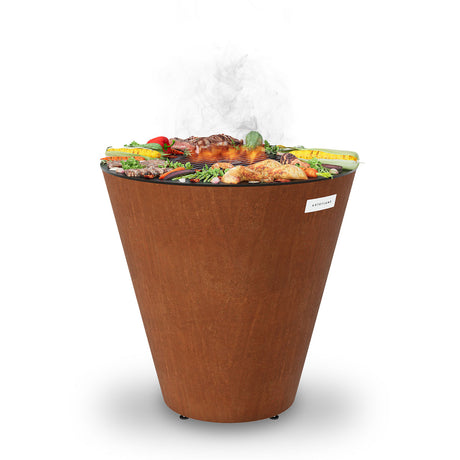
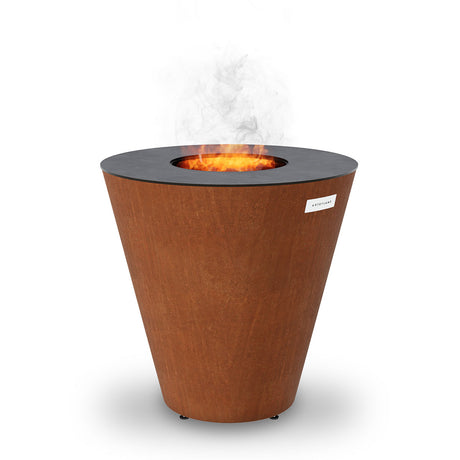
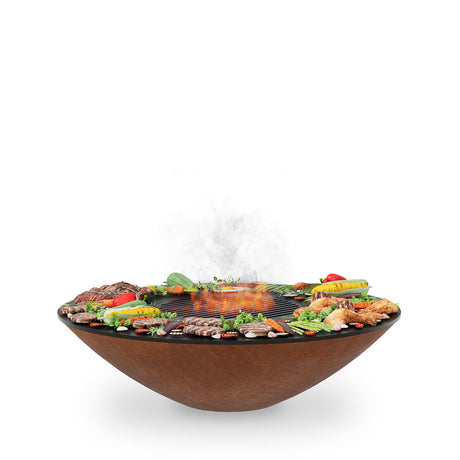


Turn yesterday's leftover macaroni into today's crispy, golden side dish with this easy wood-fired recipe.

Master this Texas-style open-fire brisket cooked entirely on the Arteflame grill. By searing on the center grate and wrapping to render on the flat top, you get perfectly tender, juicy...

Transform standard thick-cut bacon into a sweet, savory appetizer with a dark stout and brown sugar glaze, perfectly caramelized on a flat-top grill.

Render the perfect crispy skin with these Sichuan Peppercorn Duck Breasts, paired with a smoky, sweet, and spicy charred plum-poblano sauce.

Tender artichoke halves charred over high heat and smothered in rich garlic butter and Parmesan cheese.

Achieve the ultimate crust with this low-and-slow beef brisket recipe, utilizing natural heat zones for a perfect sear and incredibly tender finish.

Transform the trending crispy rice paper dumplings into a wood-fired masterpiece. Cooked on the Arteflame flat steel griddle for a shatteringly crisp crust and savory, high-protein filling.

Elevate albacore tuna with a steakhouse-style bacon wrap and a decadent green peppercorn cream sauce, grilled flawlessly on a flat-top.