
Crisp and Golden Mac and Cheese Cakes on the Grill
Turn yesterday's leftover macaroni into today's crispy, golden side dish with this easy wood-fired recipe.


There is a specific kind of magic that happens when crisp apples meet an open flame. Imagine the scent of cinnamon and caramelizing sugar wafting through the cool evening air, mixing with the gentle woodsmoke of the fire. This isn't just a dessert; it is a cozy embrace on a plate. This recipe takes the humble apple and transforms it into a sophisticated, syrupy delight that warms you from the inside out.
I adore this recipe because it bridges the gap between a rustic campfire treat and an elegant dinner party finale. By using the Arteflame, we achieve a seared crust that oven-baking simply cannot replicate, all while keeping the inside tender and juicy. Plus, it looks incredibly impressive simmering in a pool of Ruby Port wine, yet it comes together with just a handful of pantry staples.
If you prefer an alcohol-free version, swap the wine for apple cider with a squeeze of lemon. You can also easily make this dairy-free by using coconut oil or vegan butter for searing.
The success of this dish relies heavily on the type of apple you choose. Avoid varieties that turn mealy or mushy quickly, such as Red Delicious. Instead, opt for firmer apples like Reinette, Fuji, or Granny Smith, which maintain their structural integrity against the high heat of the Arteflame. If you are using a very tart apple like Granny Smith, you may want to increase the brown sugar slightly to balance the acidity. Furthermore, keep a close eye on your heat management. Sugar and butter can go from caramelized to burnt in seconds on a hot steel griddle. Move the apples to the outer, cooler edge of the cooktop if you notice the caramel darkening too fast. Finally, basting is non-negotiable; spooning that reducing Port wine syrup over the fruit infuses the flesh with flavor and keeps it moist.
While the combination of apples and Port wine is traditional, this recipe is incredibly versatile and forgiving. You can easily adapt the flavor profile to suit your dietary preferences or simply to use what you have in your pantry. Experimenting with different alcohols or sweeteners can completely transform the character of the dessert. Here are a few ways to mix it up:
These grilled apples are a standout dessert on their own, but pairing them with the right accompaniments elevates the dish to a fine-dining experience. The warm, spiced fruit contrasts beautifully with cold, creamy elements. Texture is also key here; since the apple becomes soft and tender, adding a crunch provides a necessary balance. When serving, consider the temperature contrast—serve the apples piping hot right off the Arteflame against something chilled.
Grilling fruit on the Arteflame unlocks a dimension of flavor that baking simply cannot achieve. This grilled apple recipe is a testament to how simple ingredients—apples, cinnamon, and wine—can come together to create something truly spectacular. The smoke from the wood fire, combined with the rich sweetness of the Port wine reduction, creates a dessert that is sophisticated enough for a dinner party yet simple enough for a weeknight family meal.
As you gather around the fire to enjoy these warm, caramelized treats, or try one of the regional variations above, you are participating in a tradition of hospitality and comfort that spans generations. We encourage you to fire up your grill, pour a glass of Port, and try this recipe. It is a sensory experience that celebrates the joy of outdoor cooking and the timeless appeal of sweet, fire-roasted fruit.

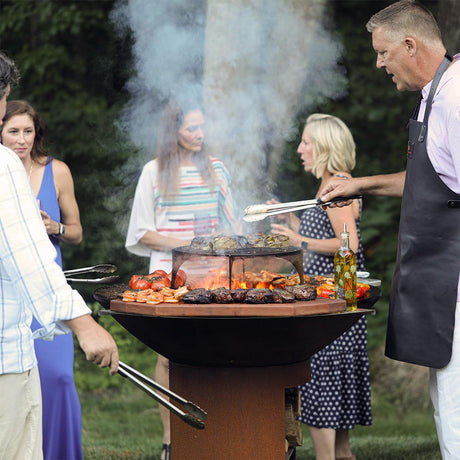
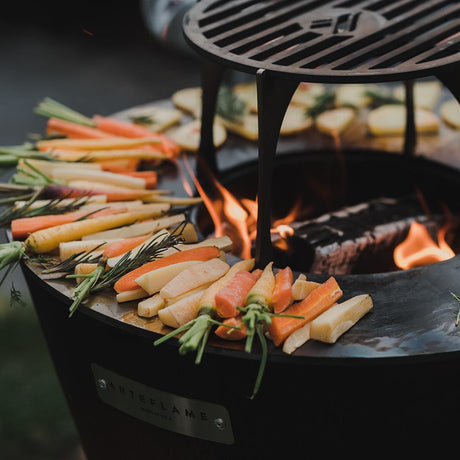
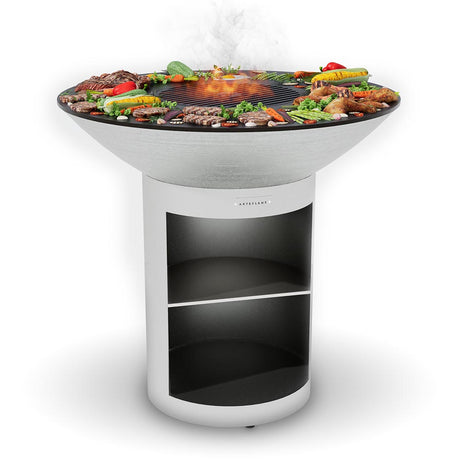
Experience the Arteflame difference — 1,000°F searing, true wood-fired flavor, and a wide cooktop with multiple heat zones all in one beautiful grill. Cook everything at once, control every temperature with ease, and transform every outdoor gathering. Discover how Arteflame elevates the art of grilling.
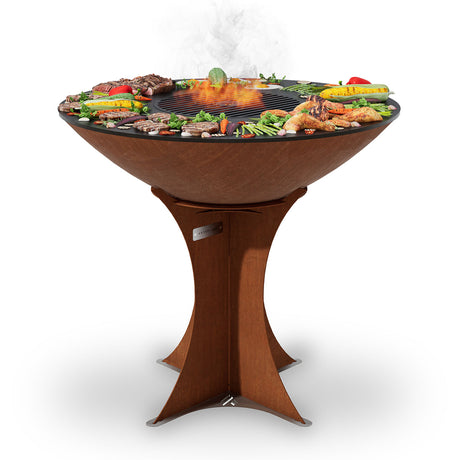


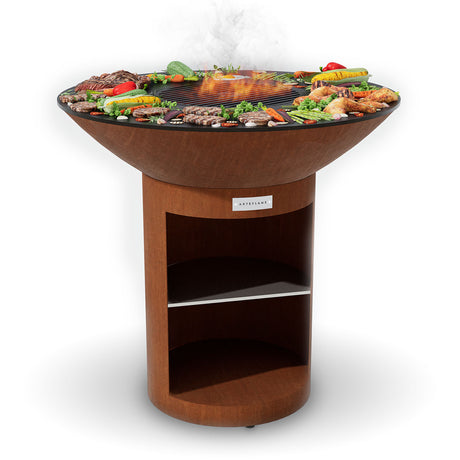

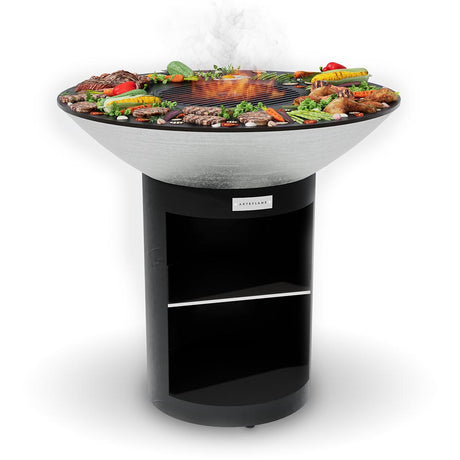
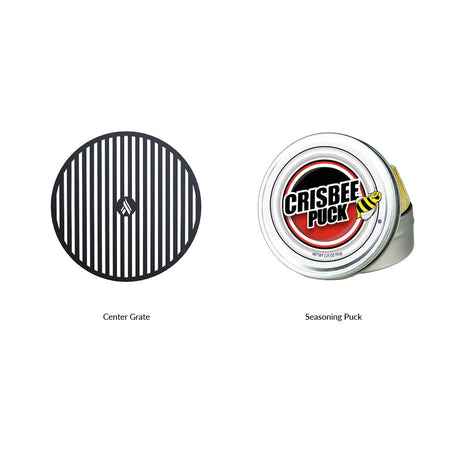
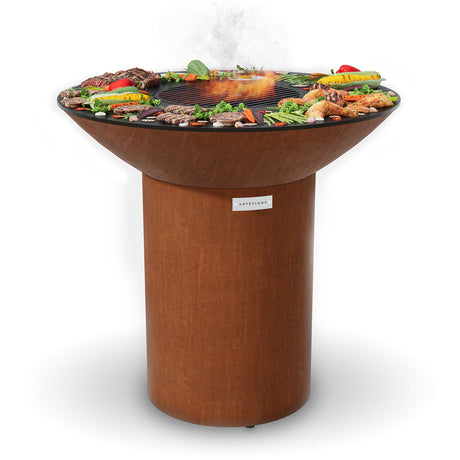
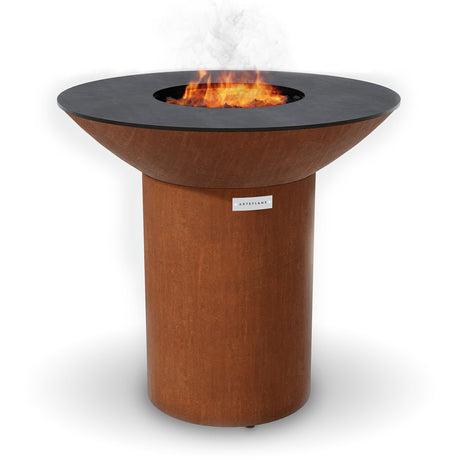
Turn yesterday's leftover macaroni into today's crispy, golden side dish with this easy wood-fired recipe.

Master this Texas-style open-fire brisket cooked entirely on the Arteflame grill. By searing on the center grate and wrapping to render on the flat top, you get perfectly tender, juicy...

Transform standard thick-cut bacon into a sweet, savory appetizer with a dark stout and brown sugar glaze, perfectly caramelized on a flat-top grill.

Render the perfect crispy skin with these Sichuan Peppercorn Duck Breasts, paired with a smoky, sweet, and spicy charred plum-poblano sauce.

Tender artichoke halves charred over high heat and smothered in rich garlic butter and Parmesan cheese.

Achieve the ultimate crust with this low-and-slow beef brisket recipe, utilizing natural heat zones for a perfect sear and incredibly tender finish.

Transform the trending crispy rice paper dumplings into a wood-fired masterpiece. Cooked on the Arteflame flat steel griddle for a shatteringly crisp crust and savory, high-protein filling.

Elevate albacore tuna with a steakhouse-style bacon wrap and a decadent green peppercorn cream sauce, grilled flawlessly on a flat-top.
Inspired to Grill?
Love it? Tell us — rate this recipe in 2 seconds. Tap a star below.