
Crisp and Golden Mac and Cheese Cakes on the Grill
Turn yesterday's leftover macaroni into today's crispy, golden side dish with this easy wood-fired recipe.


Close your eyes and imagine the definitive scent of Greek Easter: distinctively smoky, rich with oregano, and the sound of sizzling fat. Kokoretsi is a culinary masterpiece, a textural marvel where a crackling, golden-brown casing yields to incredibly succulent, flavorful meat inside. While organ meats might sound intimidating to the uninitiated, the result is deeply savory and rich. It is a dish that demands patience, but the reward is a stunning centerpiece that sparks conversation and celebration at any gathering.
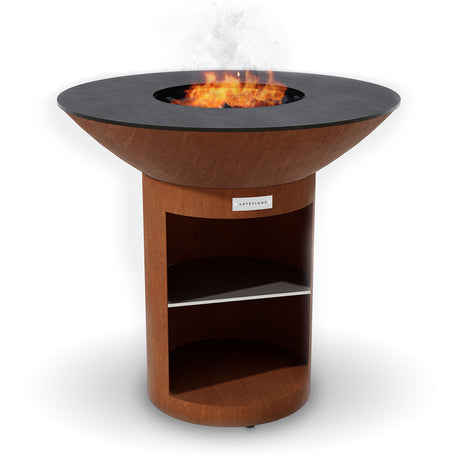
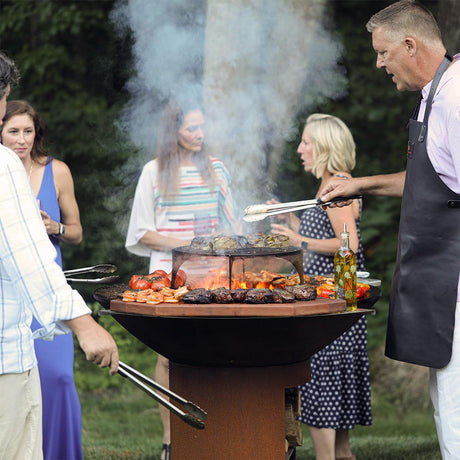
Cooking this on the Arteflame transforms a traditional method into a modern joy. The rotisserie attachment is the MVP here, allowing the fat to render slowly and self-baste the roll as it spins. This ensures the meat stays impossibly juicy while the exterior achieves that signature crunch. It transports you straight to a Greek taverna without leaving your backyard, offering an authentic flavor profile that is hard to replicate with standard grilling methods.
While tradition strictly calls for lamb, you can substitute with pork offal or even include cuts of lamb neck for a meatier bite that appeals to picky eaters. If you prefer a milder flavor profile, simply increase the ratio of sweetbreads and hearts over liver.
Mastering Kokoretsi requires attention to detail, particularly during the preparation phase. The most important tip for a successful cook is the cleaning of the intestines; do not rush this process, as it ensures the final flavor is clean and savory rather than gamey. When wrapping the spit, ensure you pull the intestines taut. As the meat cooks, it will shrink slightly, and a loose wrapping can unravel or cause the dish to cook unevenly. The tension creates that signature casing that crisps up beautifully.
Regarding heat management on the Arteflame, start with the rotisserie slightly higher if possible, or keep the fire moderate for the first hour to cook the insides thoroughly without burning the outside. In the last 30 minutes, you can build up the fire or lower the spit to sear the intestines into a crispy, caramelized crust. Let the Kokoretsi rest for at least 15 minutes before slicing; this allows the juices to redistribute, ensuring every bite is moist.
While the traditional recipe is strict about using lamb offal, there are several regional and modern variations you can try to suit your palate. If you find the flavor of liver too strong, you can increase the ratio of sweetbreads and hearts, which offer a milder, creamier taste. Some cooks also incorporate chunks of lamb neck fillet interspersed with the offal for a meatier bite that appeals to those hesitant about organ meats.
Kokoretsi is a rich, fatty, and intensely flavorful dish, so it requires sides and drinks that can provide acidity and freshness to cleanse the palate. The classic accompaniment is essentially non-negotiable: a large bowl of homemade Tzatziki. The cool yogurt, cucumber, and garlic sauce contrasts perfectly with the hot, crispy offal. Fresh, crusty bread or warm pita is also essential for soaking up the flavorful juices that drip from the meat when sliced.
For salads, a traditional Greek Horiatiki salad—tomatoes, cucumbers, feta, olives, and onions dressed in oregano and olive oil—is the perfect bright counterpart. When it comes to beverages, nothing beats a chilled glass of Retsina, the resinated Greek white wine, which was practically made for this meal. Alternatively, a robust Agiorgitiko red wine or a crisp lager beer works wonderfully to cut through the richness. Finish the meal with sliced lemons to squeeze over the meat just before eating.
Grilling Kokoretsi on the Arteflame is more than just cooking a meal; it is an immersion into a deep-rooted culinary tradition that honors the animal and brings people together. The combination of the smoky charcoal flavor, the crisp snap of the roasted intestines, and the tender, seasoned organ meat creates a taste experience that is unlike anything else in the BBQ world. It is a labor of love that pays off in spectacular fashion once you slice into that golden rotisserie roll.
We hope this recipe inspires you to step out of your comfort zone and try authentic Greek grilling. Whether for Easter or a special weekend feast, Kokoretsi is a showstopper that will earn you legendary status among your friends and family. Fire up your Arteflame, pour a glass of wine, and enjoy the process of crafting this timeless delicacy.

Experience the Arteflame difference — 1,000°F searing, true wood-fired flavor, and a wide cooktop with multiple heat zones all in one beautiful grill. Cook everything at once, control every temperature with ease, and transform every outdoor gathering. Discover how Arteflame elevates the art of grilling.








Turn yesterday's leftover macaroni into today's crispy, golden side dish with this easy wood-fired recipe.

Master this Texas-style open-fire brisket cooked entirely on the Arteflame grill. By searing on the center grate and wrapping to render on the flat top, you get perfectly tender, juicy...

Transform standard thick-cut bacon into a sweet, savory appetizer with a dark stout and brown sugar glaze, perfectly caramelized on a flat-top grill.

Render the perfect crispy skin with these Sichuan Peppercorn Duck Breasts, paired with a smoky, sweet, and spicy charred plum-poblano sauce.

Tender artichoke halves charred over high heat and smothered in rich garlic butter and Parmesan cheese.

Achieve the ultimate crust with this low-and-slow beef brisket recipe, utilizing natural heat zones for a perfect sear and incredibly tender finish.

Transform the trending crispy rice paper dumplings into a wood-fired masterpiece. Cooked on the Arteflame flat steel griddle for a shatteringly crisp crust and savory, high-protein filling.

Elevate albacore tuna with a steakhouse-style bacon wrap and a decadent green peppercorn cream sauce, grilled flawlessly on a flat-top.
Made it? Rate this recipe
Tap a star to tell other grillers how it turned out on your Arteflame.