
Crisp and Golden Mac and Cheese Cakes on the Grill
Turn yesterday's leftover macaroni into today's crispy, golden side dish with this easy wood-fired recipe.


Checking steak doneness by touch requires measuring the physical resistance of the meat as heat causes the muscle fibers to tighten and coagulate.
When I am searing ribeyes on the 1,000°F center grate, I notice the crust forms so aggressively that relying on a probe thermometer means poking holes and losing juices right when the sear is peaking; using the thumb-to-finger touch method lets me gauge the exact moment to slide the beef outward. This technique yields 2 servings, requires 5 minutes of prep time, and takes 10 minutes of cook time.
Gathering a 1.5-inch thick cut of beef and coarse seasonings is the first step to executing the touch method accurately.
Applying the touch method requires pressing the fleshy base of your thumb and comparing that tension to the center of the cooking meat.
Consistency in checking steak doneness depends on pressing the exact same central spot on the meat every single time.
Different cuts of beef offer varying levels of natural raw resistance when using the hand test for doneness.
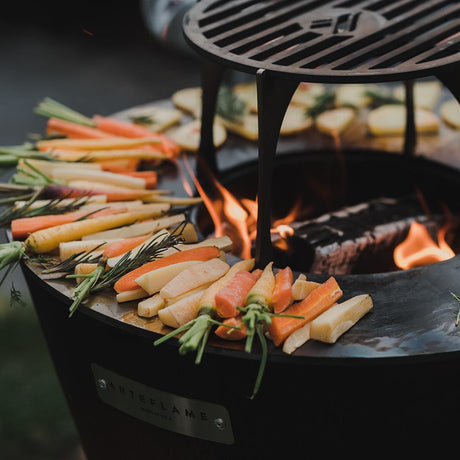
Pairing a perfectly cooked steak with high-heat seared vegetables balances the rich fats of the beef.
The hand touch method provides a reliable estimate of muscle tension, which correlates directly to internal temperature as proteins coagulate. It is highly effective for cuts between 1 inch and 2 inches thick, though it requires practice to calibrate your specific resistance to different beef cuts.
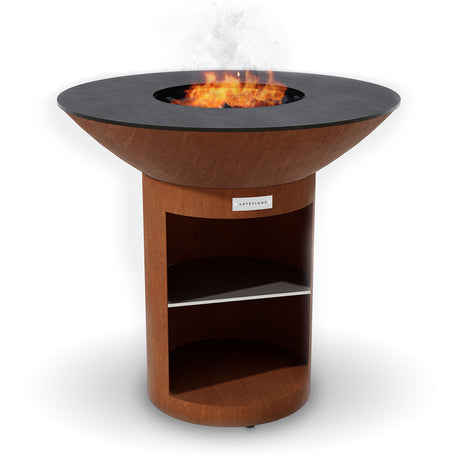
Yes, the touch method is excellent for a reverse sear. Because the meat cooks slowly on the cooler outer flat-top ring of the Arteflame, the muscle fibers tighten very gradually. This gives you a much wider window to feel the transition from rare to medium-rare.
As a steak rests, the cooling process causes the outer muscle fibers to contract slightly while the carryover cooking pushes the internal temperature up by 5°F to 10°F. This physical change makes the resting meat feel noticeably firmer than it did on the grill.
Pressing the center of the steak with the flat, blunt side of your tongs provides a similar tactile feedback to using your finger. This is a safer alternative if the heat radiating from the cooking surface is too intense for your bare hand, though it slightly reduces sensory precision.
Mastering the touch method gives you the confidence to cook any thick-cut protein without relying entirely on digital tools.
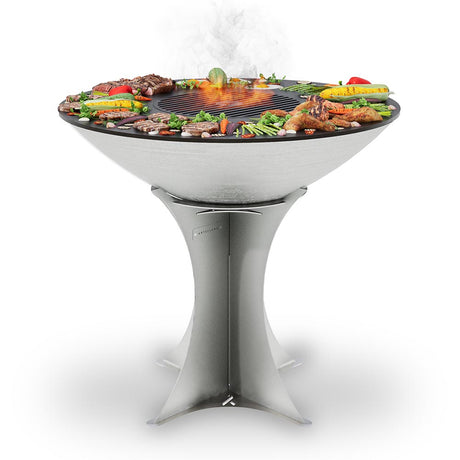
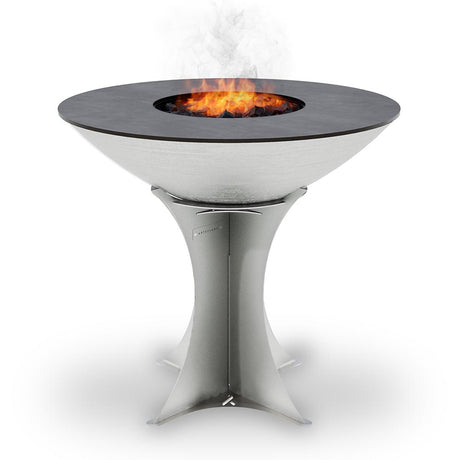
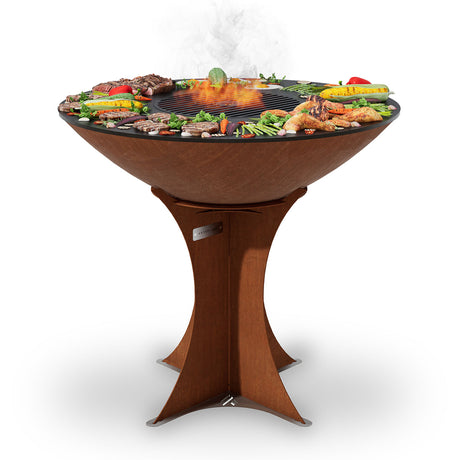
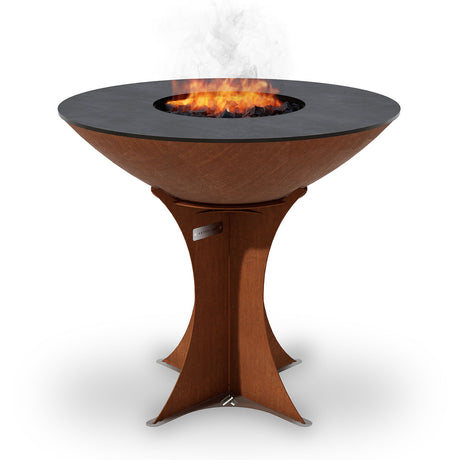
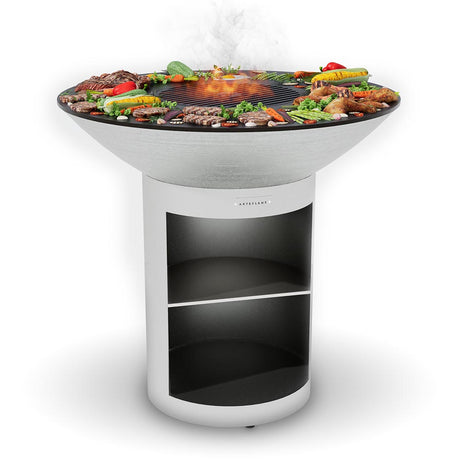
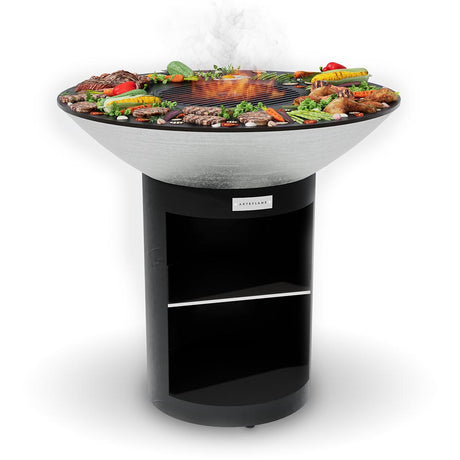
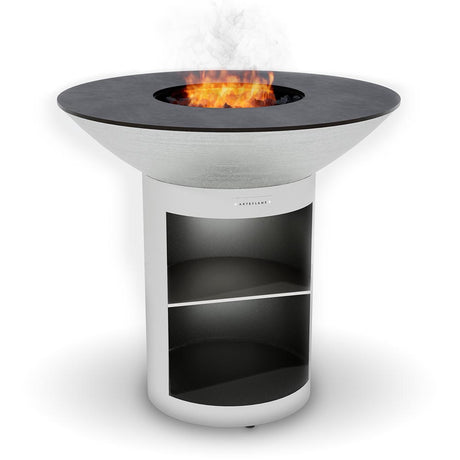
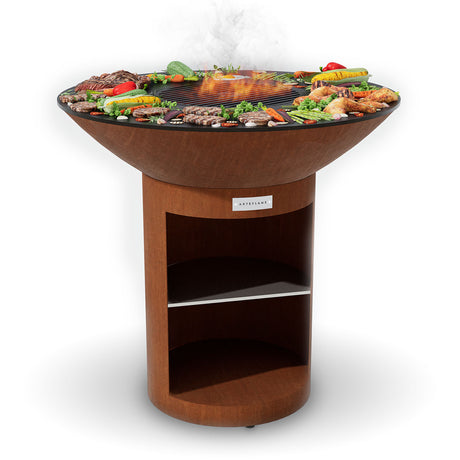
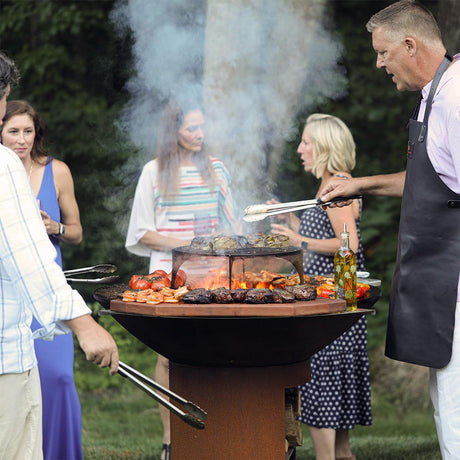
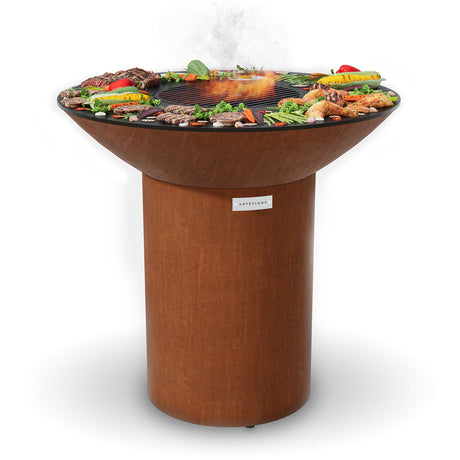
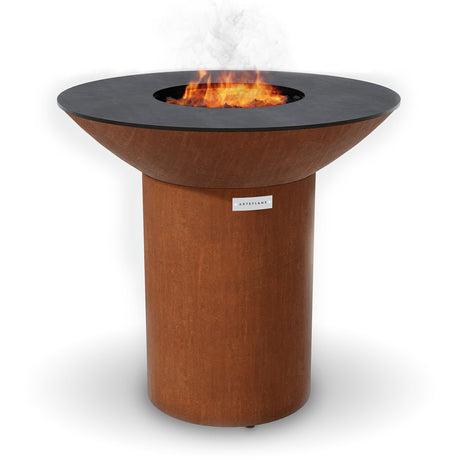
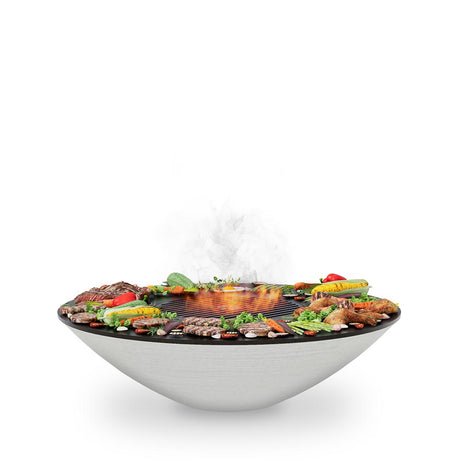
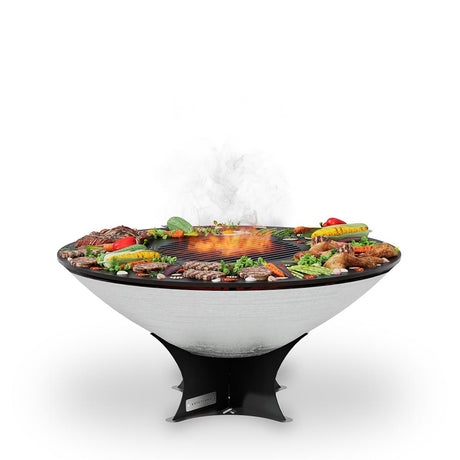
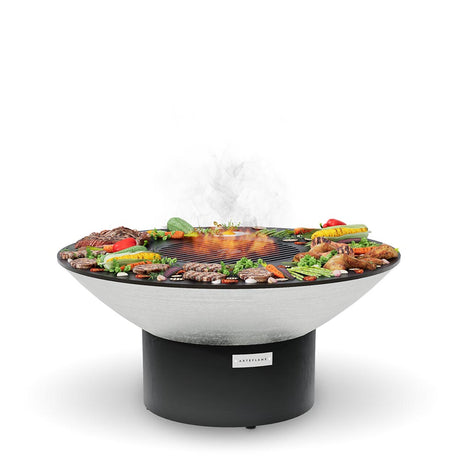
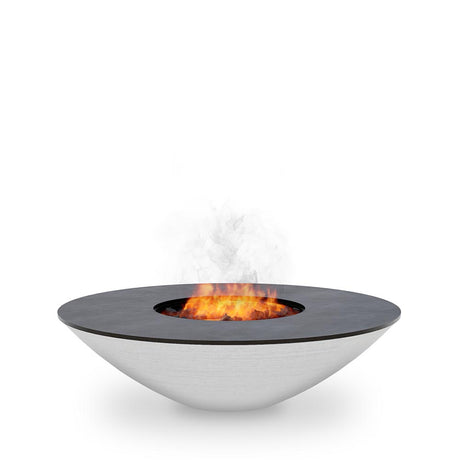
Cooking steak on the Arteflame elevates this entire tactile process. With the fire roaring in the center, you have the visual thrill of a massive sear, paired with the absolute control of the cooler steel ring. It transforms the tense rush of grilling into a relaxed, engaging craft where you and the fire dictate the exact perfect finish for your beef.

Experience the Arteflame difference — 1,000°F searing, true wood-fired flavor, and a wide cooktop with multiple heat zones all in one beautiful grill. Cook everything at once, control every temperature with ease, and transform every outdoor gathering. Discover how Arteflame elevates the art of grilling.








Turn yesterday's leftover macaroni into today's crispy, golden side dish with this easy wood-fired recipe.

Master this Texas-style open-fire brisket cooked entirely on the Arteflame grill. By searing on the center grate and wrapping to render on the flat top, you get perfectly tender, juicy...

Transform standard thick-cut bacon into a sweet, savory appetizer with a dark stout and brown sugar glaze, perfectly caramelized on a flat-top grill.

Render the perfect crispy skin with these Sichuan Peppercorn Duck Breasts, paired with a smoky, sweet, and spicy charred plum-poblano sauce.

Tender artichoke halves charred over high heat and smothered in rich garlic butter and Parmesan cheese.

Achieve the ultimate crust with this low-and-slow beef brisket recipe, utilizing natural heat zones for a perfect sear and incredibly tender finish.

Transform the trending crispy rice paper dumplings into a wood-fired masterpiece. Cooked on the Arteflame flat steel griddle for a shatteringly crisp crust and savory, high-protein filling.

Elevate albacore tuna with a steakhouse-style bacon wrap and a decadent green peppercorn cream sauce, grilled flawlessly on a flat-top.
Inspired to Grill?
Love it? Tell us — rate this recipe in 2 seconds. Tap a star below.