
Crisp and Golden Mac and Cheese Cakes on the Grill
Turn yesterday's leftover macaroni into today's crispy, golden side dish with this easy wood-fired recipe.


The sweet, smoky aroma of chestnuts roasting over an open fire is the ultimate scent of winter. It instantly transports me to frosty holiday markets, wrapped in a scarf with a warm paper cone in hand. But the real magic happens when you peel back that charred shell to reveal the golden, creamy nut inside—a texture somewhere between a roasted sweet potato and a macadamia nut.
I adore this recipe because it turns cooking into a social event. Using the Arteflame grill adds an authentic wood-fired flavor that a standard oven simply can't replicate. It’s a low-stress, high-reward snack that encourages everyone to gather around the warmth of the fire, peeling and chatting as the snow falls. Fire-roasted chestnuts are also a beloved tradition around the world — from Lisbon street braziers to cozy Copenhagen evenings — and a few of those regional touches are collected in the Variations section below.
If you are dairy-free, simply swap the butter for a high-quality olive oil or even bacon fat for a savory twist. For a sweet version, dust the hot nuts with cinnamon sugar instead of sea salt.
Achieving the perfect roasted chestnut requires a balance of heat and hydration. The most common mistake people make is skipping the soaking process. Without that extra moisture, the chestnuts can dry out and become rock-hard rather than tender and creamy. Furthermore, the steam generated from the soaked shells is what forces the fuzzy inner skin to release from the nut meat. If you find the skin is sticking stubbornly after roasting, you likely didn't soak them long enough or didn't wrap them in a towel immediately after pulling them off the heat.
When selecting your chestnuts at the grocery store, be picky. Avoid any nuts that rattle when you shake them; this indicates they have dried out and shrunk inside the shell. Look for nuts that are heavy for their size with tight, shiny skin. If you encounter a moldy nut after roasting (it happens occasionally even with the best selection), simply discard it. Finally, always use a towel you don't mind getting stained, as the charred shells can leave dark marks.
While the classic roasted chestnut is delicious on its own, the Arteflame’s versatility allows you to experiment with various flavor profiles and regional traditions to suit your holiday mood. Simply toss the peeled, warm nuts in a bowl with your chosen ingredients immediately after the resting period to ensure the flavors adhere properly. Here are a few distinct variations to elevate your winter snacking experience:
Roasted chestnuts are traditionally enjoyed as a standalone snack, but they pair exceptionally well with the robust flavors of winter. Because chestnuts have a starchy, slightly sweet, and nutty profile—similar to a sweet potato—they require beverages and accompaniments that can cut through that density or complement their earthiness. If you are hosting an outdoor holiday party around your Arteflame, considering the drink menu is just as important as the food. The warmth of the chestnuts contrasts beautifully with chilled dark beers or enhances the coziness of warm, spiced drinks.
For a classic experience, serve these piping hot alongside a mug of mulled wine (Glühwein) or a hot apple cider with a cinnamon stick. If you prefer beer, a rich oatmeal stout or a porter pairs magnificently with the smoky char of the nuts. On the culinary side, roasted chestnuts make a fantastic appetizer before a heavy roast beef dinner or can be served alongside a cheese board featuring sharp cheddar and aged gouda.
Roasting chestnuts on the Arteflame grill is a rewarding experience that bridges the gap between culinary preparation and holiday entertainment. The process transforms a humble, hard nut into a tender, sweet delicacy that captures the essence of the season. It is a recipe that encourages patience and interaction, forcing you to slow down and tend to the fire while enjoying the company of those around you. The visual appeal of the opening shells and the rising steam adds a theatrical element to your winter barbecue that a standard oven simply cannot replicate.
As you peel the charred shells to reveal the golden treasure inside, you are participating in a timeless winter tradition celebrated from Lisbon to Copenhagen to small Appalachian towns alike. Whether you stick to the classic plain version or experiment with one of the regional or sweet-and-savory variations above, the result is always a comforting, warm bite that defies the cold weather. So, fire up your grill, score those shells, and enjoy the authentic taste of fire-roasted chestnuts right in your own backyard.

Experience the difference — sear at 1,000°F, enjoy multiple heat zones, and cook with natural wood-fired flavor on one beautiful grill. Prepare everything at once, manage temperatures with ease, and elevate every outdoor gathering. Discover why an Arteflame transforms the entire grilling experience.





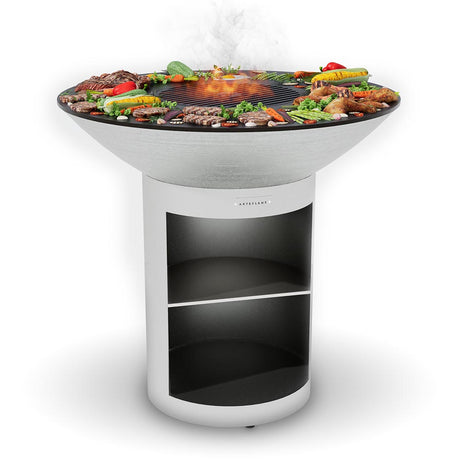
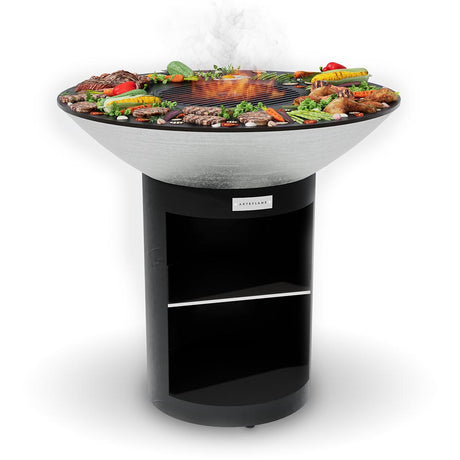
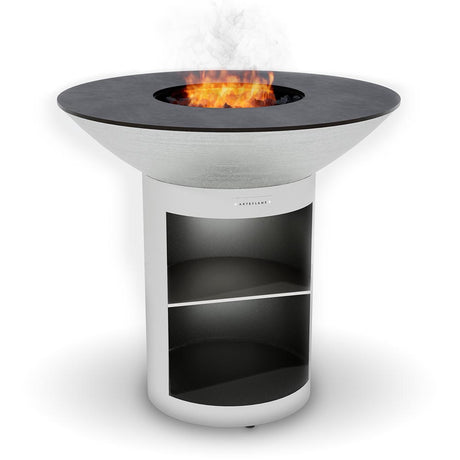


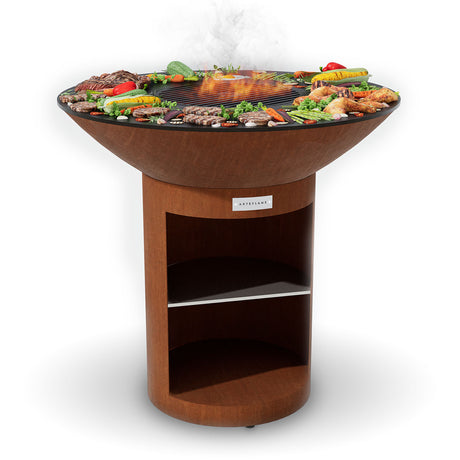

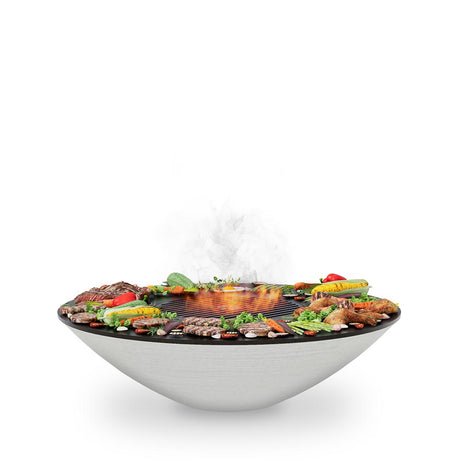
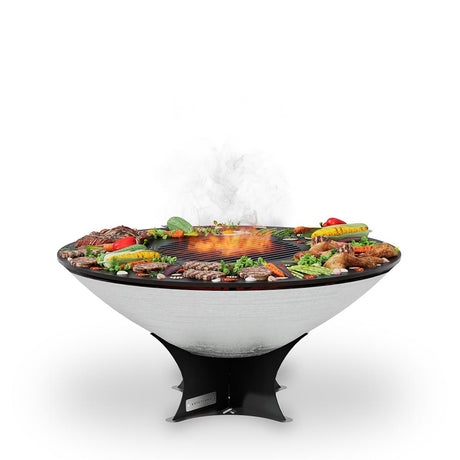
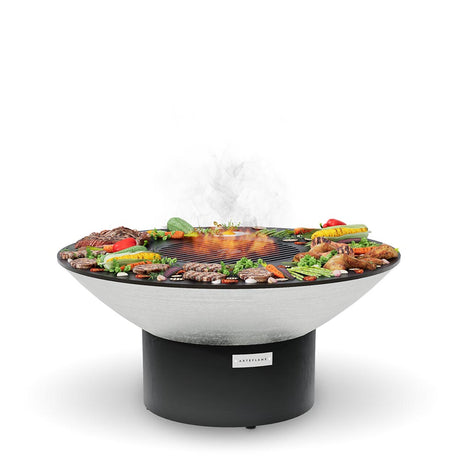
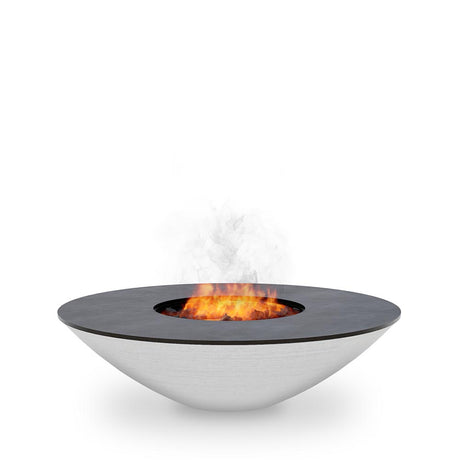
Turn yesterday's leftover macaroni into today's crispy, golden side dish with this easy wood-fired recipe.

Master this Texas-style open-fire brisket cooked entirely on the Arteflame grill. By searing on the center grate and wrapping to render on the flat top, you get perfectly tender, juicy...

Transform standard thick-cut bacon into a sweet, savory appetizer with a dark stout and brown sugar glaze, perfectly caramelized on a flat-top grill.

Render the perfect crispy skin with these Sichuan Peppercorn Duck Breasts, paired with a smoky, sweet, and spicy charred plum-poblano sauce.

Tender artichoke halves charred over high heat and smothered in rich garlic butter and Parmesan cheese.

Achieve the ultimate crust with this low-and-slow beef brisket recipe, utilizing natural heat zones for a perfect sear and incredibly tender finish.

Transform the trending crispy rice paper dumplings into a wood-fired masterpiece. Cooked on the Arteflame flat steel griddle for a shatteringly crisp crust and savory, high-protein filling.

Elevate albacore tuna with a steakhouse-style bacon wrap and a decadent green peppercorn cream sauce, grilled flawlessly on a flat-top.
Inspired to Grill?
Love it? Tell us — rate this recipe in 2 seconds. Tap a star below.