
Crisp and Golden Mac and Cheese Cakes on the Grill
Turn yesterday's leftover macaroni into today's crispy, golden side dish with this easy wood-fired recipe.


There is a distinct magic that happens when pork meets open fire. Imagine the scent of toasted caraway and garlic wafting through the air as the fat renders into a golden, crackling crust. This Schopfbraten, or Austrian pork neck roast, is the epitome of rustic comfort food. It reminds me of hearty meals served in Tyrolean mountain huts after a long hike, where the food warms you from the inside out. It is primal, incredibly juicy, and satisfying in a way only a slow-roasted piece of meat can be.
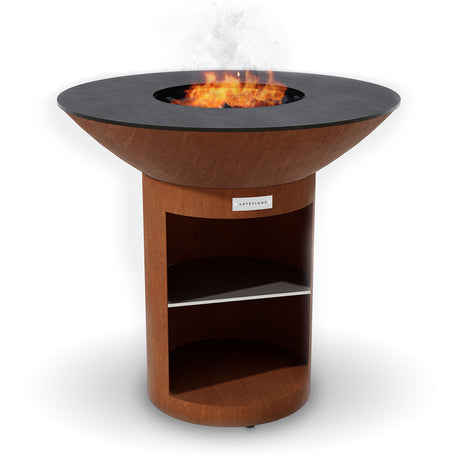
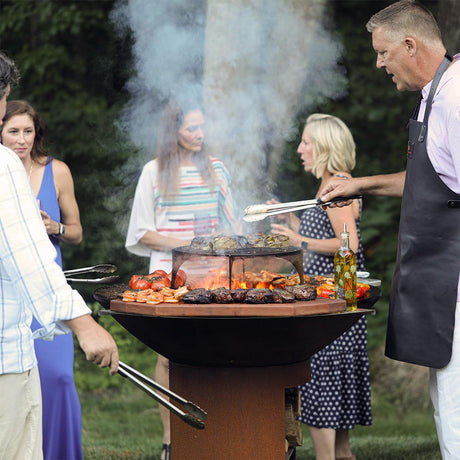
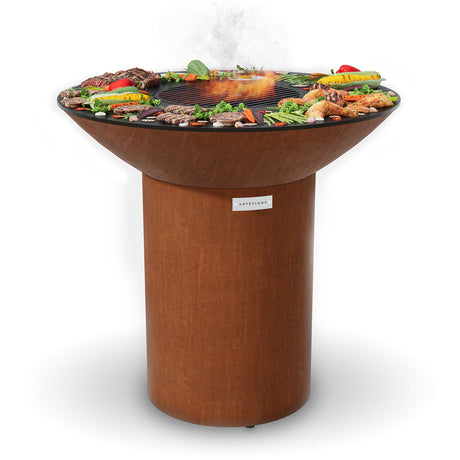
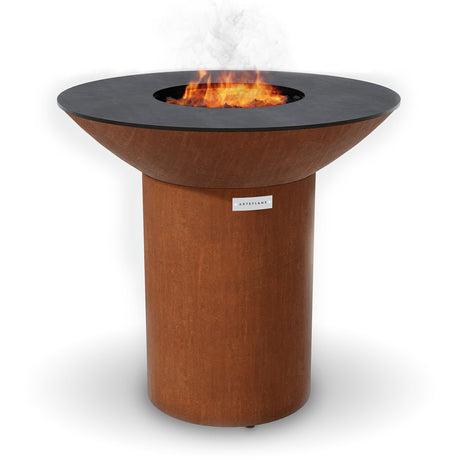
I absolutely adore this recipe because pork neck is incredibly forgiving. Unlike leaner cuts that turn dry if you look away for a second, the intense marbling here keeps everything moist and flavorful. The Arteflame grill takes it to the next level, allowing you to get that high-heat sear on the grate before moving it to the flat cooktop for a gentle, even roast. It is a showstopper centerpiece that actually requires very little hands-on effort.
If you cannot find pork neck (coppa), a pork butt or shoulder is a great alternative, though it may take longer to cook due to thickness. For a milder flavor profile, you can swap the caraway seeds for fennel seeds or simply stick to fresh herbs like rosemary and thyme.
The secret to a perfect Schopfbraten lies in patience and temperature control. Because pork neck has a high fat content, it is very forgiving, but rushing the process can result in a tough exterior and undercooked center. Use a reliable digital meat thermometer to monitor progress without cutting into the meat. If you find the outside is browning too quickly before the inside is done, move the roast further toward the outer edge of the Arteflame cooktop where the temperature is cooler. For an extra authentic touch, toss a few chunks of apple wood into the fire; the slight sweetness of the smoke pairs beautifully with the savory garlic and caraway rub. Ensure you use whole caraway seeds rather than just powder, as the textural crunch of the toasted seeds is a hallmark of this Austrian classic.
While the garlic and caraway rub is the traditional standard, you can easily adapt this roast to suit different palates. Here are a few ways to mix it up:
A roast this rich requires sides that can stand up to the bold flavors and high fat content. In Austria, Schopfbraten is almost always served with starches that can soak up the delicious juices. Keep the sides rustic and hearty to match the campfire vibe of the meal.
Cooking a crispy Austrian Schopfbraten on the Arteflame is more than just preparing a meal; it is a celebration of patience, fire, and quality ingredients. The combination of the smoky char from the grill and the traditional caraway-garlic seasoning creates a flavor profile that transports you straight to a cozy tavern in Tyrol. This is a dish meant to be shared, sliced thick, and enjoyed with good friends and cold drinks. So, fire up the grill, pour a round of beer, and enjoy the savory satisfaction of a perfectly roasted pork neck. Guten Appetit!

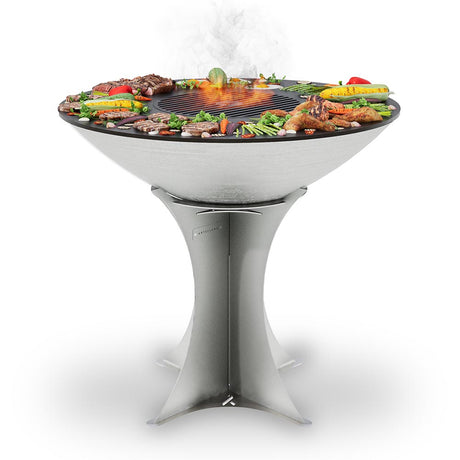
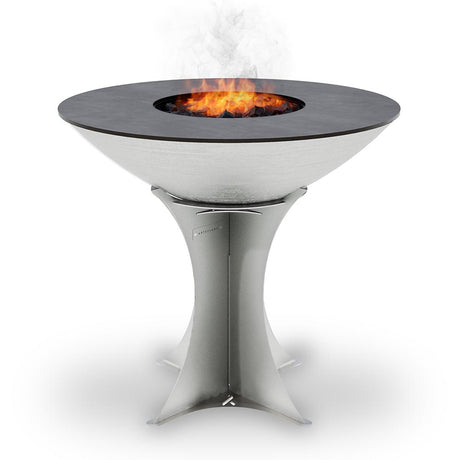
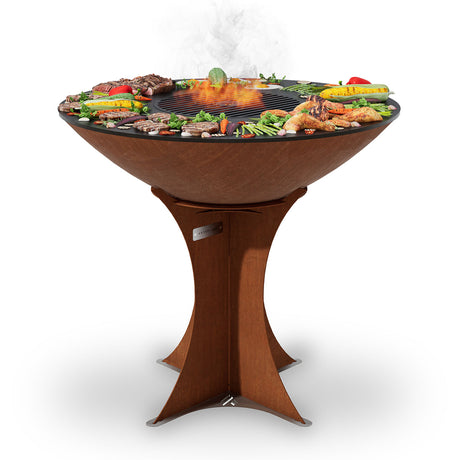
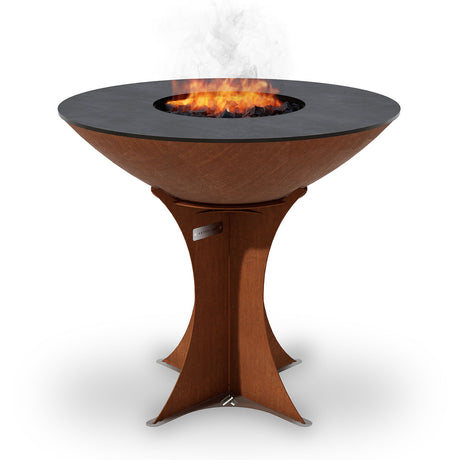
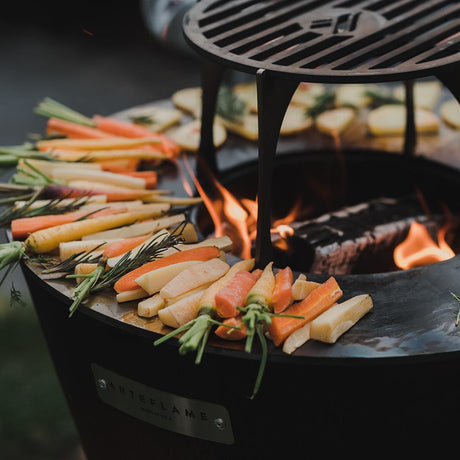
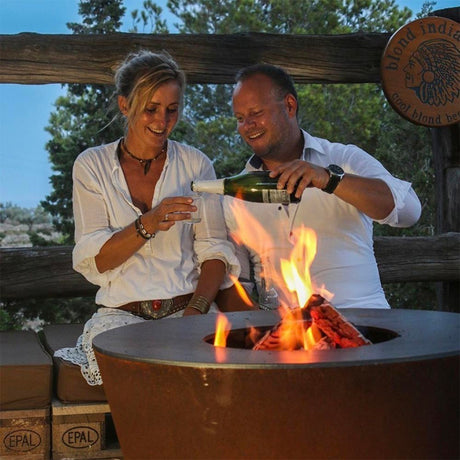
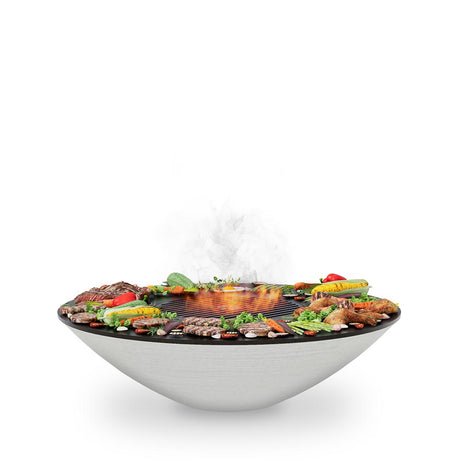
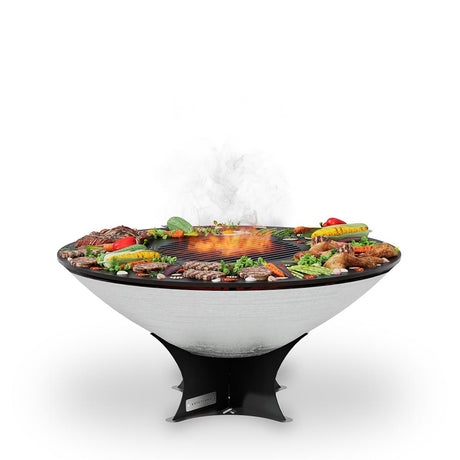
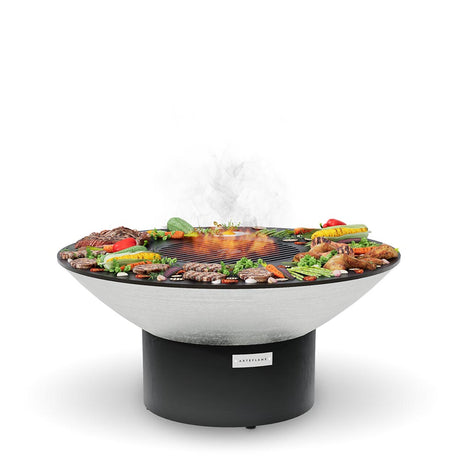
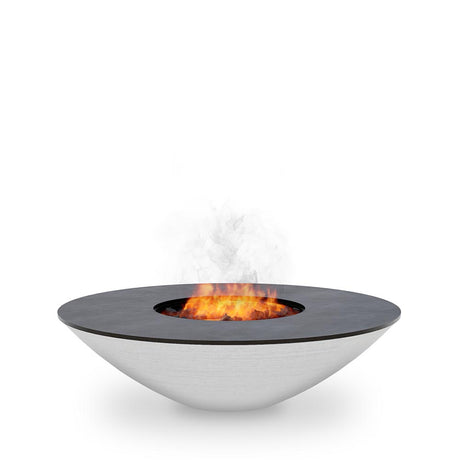
Experience the difference — sear at 1,000°F, enjoy multiple heat zones, and cook with natural wood-fired flavor on one beautiful grill. Prepare everything at once, manage temperatures with ease, and elevate every outdoor gathering. Discover why an Arteflame transforms the entire grilling experience.








Turn yesterday's leftover macaroni into today's crispy, golden side dish with this easy wood-fired recipe.

Master this Texas-style open-fire brisket cooked entirely on the Arteflame grill. By searing on the center grate and wrapping to render on the flat top, you get perfectly tender, juicy...

Transform standard thick-cut bacon into a sweet, savory appetizer with a dark stout and brown sugar glaze, perfectly caramelized on a flat-top grill.

Render the perfect crispy skin with these Sichuan Peppercorn Duck Breasts, paired with a smoky, sweet, and spicy charred plum-poblano sauce.

Tender artichoke halves charred over high heat and smothered in rich garlic butter and Parmesan cheese.

Achieve the ultimate crust with this low-and-slow beef brisket recipe, utilizing natural heat zones for a perfect sear and incredibly tender finish.

Transform the trending crispy rice paper dumplings into a wood-fired masterpiece. Cooked on the Arteflame flat steel griddle for a shatteringly crisp crust and savory, high-protein filling.

Elevate albacore tuna with a steakhouse-style bacon wrap and a decadent green peppercorn cream sauce, grilled flawlessly on a flat-top.
Inspired to Grill?
Love it? Tell us — rate this recipe in 2 seconds. Tap a star below.