
Crisp and Golden Mac and Cheese Cakes on the Grill
Turn yesterday's leftover macaroni into today's crispy, golden side dish with this easy wood-fired recipe.


Few aromas capture the magic of winter quite like the scent of roasting chestnuts. Known in Austria as "Maroni," these treats bring back memories of snowy strolls through Vienna's bustling Christmas markets. But you don't need a plane ticket to enjoy them; roasting them on your Arteflame grill creates a smoky, charred shell that gives way to a sweet, buttery interior, instantly transporting you to a cozy fireside evening.
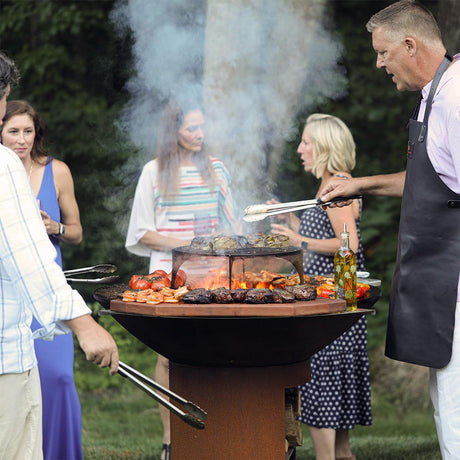
Beyond the incredible flavor—a mix of subtle wood smoke and natural sweetness—this recipe is about slowing down. Gathering around the grill as the fire crackles makes for an unforgettable holiday appetizer or a late-night treat. The plancha cooktop offers superior heat control compared to an oven, ensuring the nuts roast evenly without drying out.
If you want a dairy-free version, simply swap the butter for duck fat or a high-heat oil like avocado oil. For a boozy twist, try soaking the nuts in dark rum instead of water!
The secret to perfect Austrian chestnuts lies in the preparation and the post-grill rest. Never skip the scoring step; chestnuts contain moisture that turns to steam when heated, and without an exit vent (the "X"), they can explode on your grill, creating a safety hazard. When scoring, use a serrated knife if you find the shells too slippery for a straight blade, as this provides better grip. Additionally, the soaking phase is often debating but highly recommended for open-fire cooking; the added moisture helps steam the nut from the inside out, ensuring it remains creamy rather than chalky.
Managing the heat zones on your Arteflame is also critical. Chestnuts benefit from high heat to char the shell, but they need sustained heat to cook the starch completely. Start them near the center to get the shell opening, then move them slightly outward to finish roasting without turning the nut meat to charcoal. Finally, peel them while they are still warm. Once chestnuts cool down completely, the inner skin re-adheres to the nut, making them frustratingly difficult to clean.
While the traditional Austrian "Maroni" are typically served plain to highlight their natural nutty sweetness, the Arteflame offers the versatility to experiment with different flavor profiles. You can lean into savory or sweet directions depending on the occasion. For a savory twist, tossing the hot nuts in fat (like duck fat or butter) helps seasonings adhere. If you have a sweet tooth, caramelizing the exterior slightly creates a dessert-like treat. Here are a few variations to try once you have mastered the classic roast:
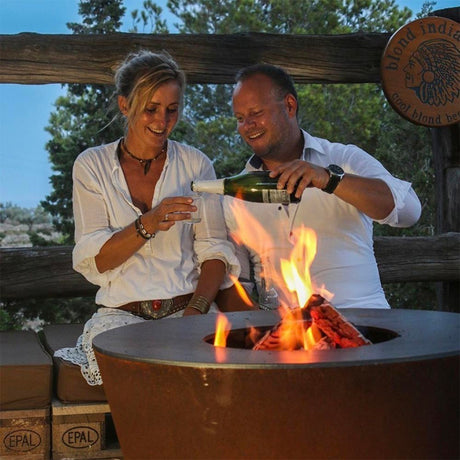
Roasted chestnuts are synonymous with winter festivities, and their rich, starchy texture pairs beautifully with beverages and foods that provide warmth and contrast. In Austria, you would rarely find a bag of Maroni without a mug of something hot in the other hand. The nutty, slightly sweet profile of the chestnut needs a drink that can cut through the density or complement the roasted notes. Whether you are serving these as an appetizer while the main course grills or as a late-night snack around the fire pit, the right pairing elevates the experience.
For the most authentic experience, serve your charred chestnuts with:
Mastering Austrian-style charred sweet chestnuts on the Arteflame grill is about more than just cooking; it is about curating a seasonal atmosphere. The process transforms a simple ingredient into a festive event, gathering friends and family around the warmth of the fire. The distinct smoky flavor achieved by the plancha grilling method adds a layer of complexity that oven-roasting simply cannot replicate, resulting in a treat that is crispy on the outside and buttery soft on the inside.
As you peel away the charred shells to reveal the golden treasure within, you connect with a culinary tradition that has warmed winters for centuries. Whether you stick to the classic preparation or experiment with rosemary and spices, these chestnuts are sure to become a beloved ritual in your outdoor cooking repertoire. So, light the fire, pour the Glühwein, and enjoy the simple magic of roasted Maroni.

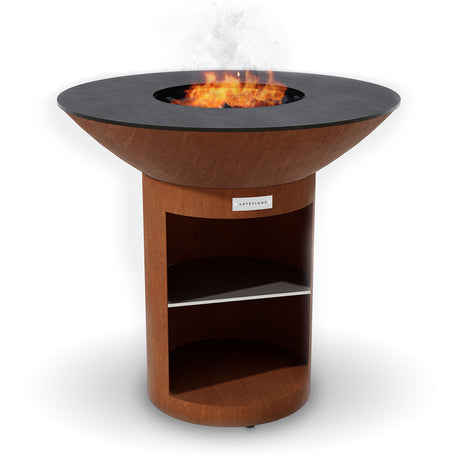
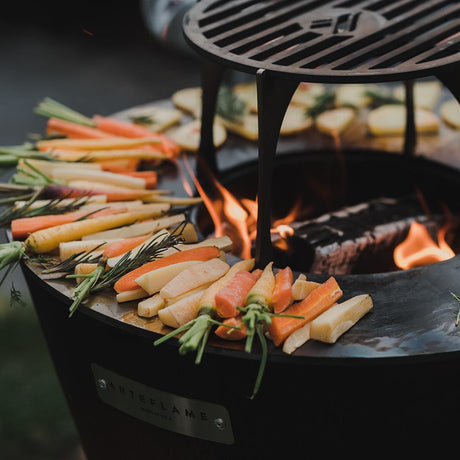
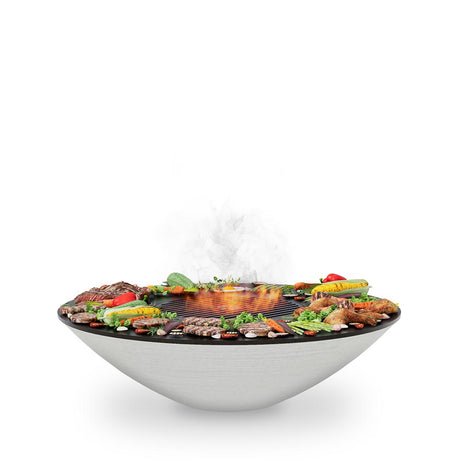
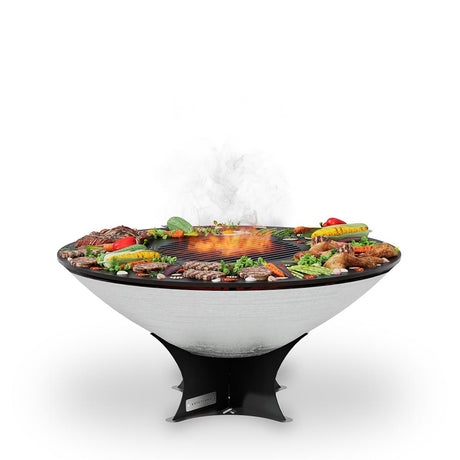
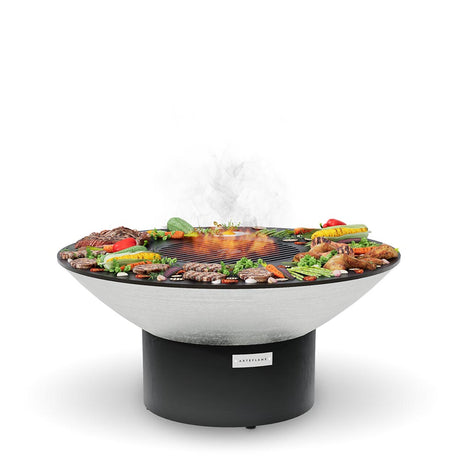
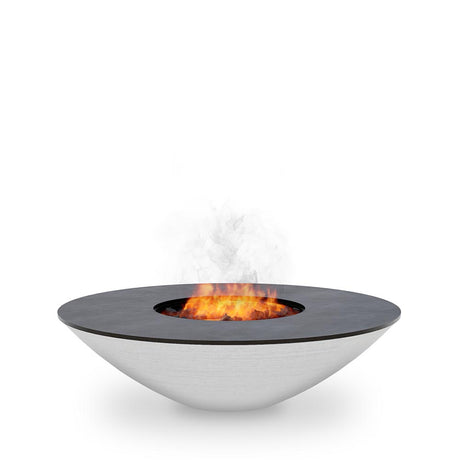
Experience the Arteflame difference — 1,000°F searing, true wood-fired flavor, and a wide cooktop with multiple heat zones all in one beautiful grill. Cook everything at once, control every temperature with ease, and transform every outdoor gathering. Discover how Arteflame elevates the art of grilling.








Turn yesterday's leftover macaroni into today's crispy, golden side dish with this easy wood-fired recipe.

Master this Texas-style open-fire brisket cooked entirely on the Arteflame grill. By searing on the center grate and wrapping to render on the flat top, you get perfectly tender, juicy...

Transform standard thick-cut bacon into a sweet, savory appetizer with a dark stout and brown sugar glaze, perfectly caramelized on a flat-top grill.

Render the perfect crispy skin with these Sichuan Peppercorn Duck Breasts, paired with a smoky, sweet, and spicy charred plum-poblano sauce.

Tender artichoke halves charred over high heat and smothered in rich garlic butter and Parmesan cheese.

Achieve the ultimate crust with this low-and-slow beef brisket recipe, utilizing natural heat zones for a perfect sear and incredibly tender finish.

Transform the trending crispy rice paper dumplings into a wood-fired masterpiece. Cooked on the Arteflame flat steel griddle for a shatteringly crisp crust and savory, high-protein filling.

Elevate albacore tuna with a steakhouse-style bacon wrap and a decadent green peppercorn cream sauce, grilled flawlessly on a flat-top.
Inspired to Grill?
Love it? Tell us — rate this recipe in 2 seconds. Tap a star below.