
Crisp and Golden Mac and Cheese Cakes on the Grill
Turn yesterday's leftover macaroni into today's crispy, golden side dish with this easy wood-fired recipe.


Close your eyes and imagine the scent of burning hardwood mixing with the savory aroma of sizzling game meat. There is something primal and deeply satisfying about cooking Rocky Mountain elk over an open fire. With its deep mahogany crust and a center that cuts like butter, this dish captures the rugged spirit of the high country in every bite. It is cleaner and sweeter than beef, yet robust enough to stand up to garlic and fresh herbs, making it the ultimate feast for a rustic outdoor gathering.
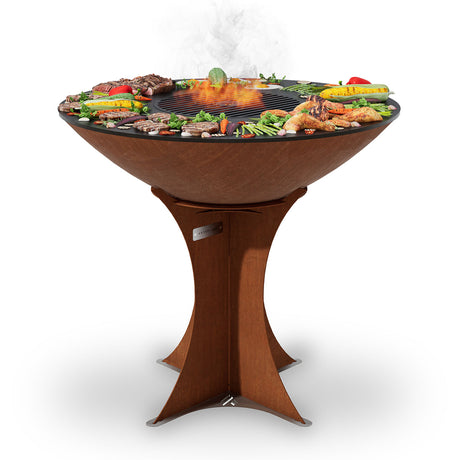
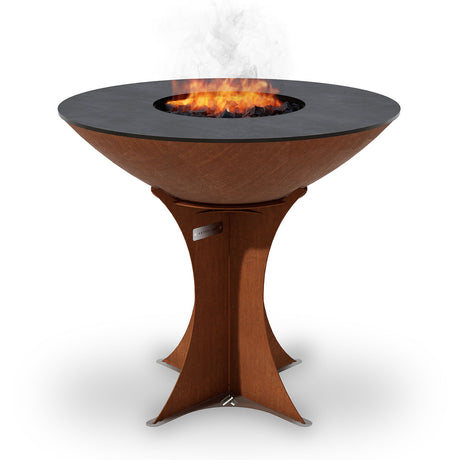
I adore this method because it takes the intimidation out of cooking game meat. Elk is incredibly lean, which scares some cooks, but the Arteflame’s unique design solves that problem effortlessly. By combining a high-heat sear on the center grate with a gentle, aromatic butter bath on the flat top, you get the best of both worlds: a perfect char without drying out the delicate protein. It is elegant, rustic, and honestly, a lot of fun to cook.
If you cannot find elk, this method works beautifully with venison or even a lean bison ribeye. For a dairy-free finish, swap the butter for high-quality duck fat or ghee to maintain that luxurious richness.
Cooking elk requires a shift in mindset if you are used to fatty beef ribeyes. Because elk is incredibly lean, it cooks significantly faster than beef. The margin for error is smaller; overcooking elk leads to a livery texture and dry meat. The most critical tip is to aim for rare to medium-rare (125°F–130°F). Anything past medium (140°F) begins to dry out the delicate proteins. Furthermore, the resting phase is not optional. Cutting into a hot elk steak immediately will cause all those precious juices to run out onto the board, leaving the meat dry. Finally, because the Arteflame flat top has different heat zones, utilize the cooler outer edges if your steaks are getting too dark but aren't quite up to internal temperature yet. This "reverse sear" style control is the secret to game meat perfection.
While salt, pepper, and garlic are the purist's choice for high-quality game, elk is versatile enough to handle bolder flavor profiles. You can easily adapt this recipe to suit the season or your personal palate. Here are a few variations to try on your Arteflame:
To create a cohesive dining experience, pair your elk with sides and drinks that match its rustic elegance. You want flavors that are earthy and robust but not so overpowering that they mask the taste of the elk. Since you are already cooking on the Arteflame, it makes sense to utilize the flat top for your sides as well. Root vegetables are a natural companion to game meat, as are wild grains. When it comes to wine, look for bottles that have structure and tannins to stand up to the protein.
Grilling elk on an Arteflame is more than just preparing a meal; it is a celebration of the wild. The process of managing the fire, searing the meat, and basting it with herbs creates a sensory experience that connects you to the outdoors. By respecting the lean nature of the meat and utilizing the distinct heat zones of your grill, you transform a simple cut of game into a gourmet masterpiece. Whether you harvested the elk yourself or sourced it from a specialty butcher, this recipe ensures that the animal is honored with the best possible preparation. Slice it thin, share it with friends, and enjoy the true taste of the mountains.

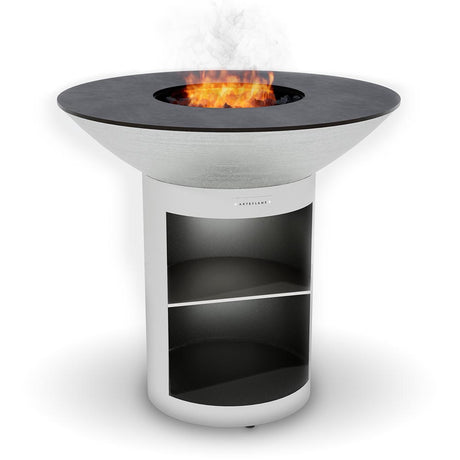
Experience the difference — sear at 1,000°F, enjoy multiple heat zones, and cook with natural wood-fired flavor on one beautiful grill. Prepare everything at once, manage temperatures with ease, and elevate every outdoor gathering. Discover why an Arteflame transforms the entire grilling experience.










Turn yesterday's leftover macaroni into today's crispy, golden side dish with this easy wood-fired recipe.

Master this Texas-style open-fire brisket cooked entirely on the Arteflame grill. By searing on the center grate and wrapping to render on the flat top, you get perfectly tender, juicy...

Transform standard thick-cut bacon into a sweet, savory appetizer with a dark stout and brown sugar glaze, perfectly caramelized on a flat-top grill.

Render the perfect crispy skin with these Sichuan Peppercorn Duck Breasts, paired with a smoky, sweet, and spicy charred plum-poblano sauce.

Tender artichoke halves charred over high heat and smothered in rich garlic butter and Parmesan cheese.

Achieve the ultimate crust with this low-and-slow beef brisket recipe, utilizing natural heat zones for a perfect sear and incredibly tender finish.

Transform the trending crispy rice paper dumplings into a wood-fired masterpiece. Cooked on the Arteflame flat steel griddle for a shatteringly crisp crust and savory, high-protein filling.

Elevate albacore tuna with a steakhouse-style bacon wrap and a decadent green peppercorn cream sauce, grilled flawlessly on a flat-top.
Inspired to Grill?
Love it? Tell us — rate this recipe in 2 seconds. Tap a star below.