
Crisp and Golden Mac and Cheese Cakes on the Grill
Turn yesterday's leftover macaroni into today's crispy, golden side dish with this easy wood-fired recipe.


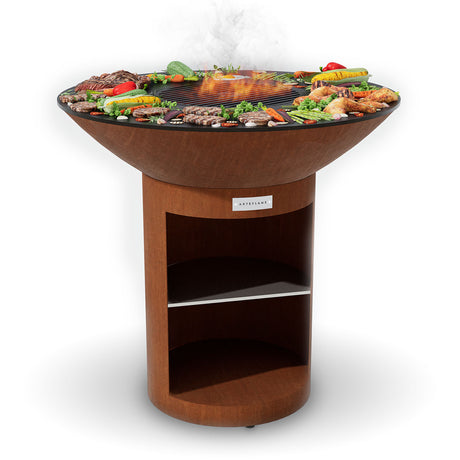
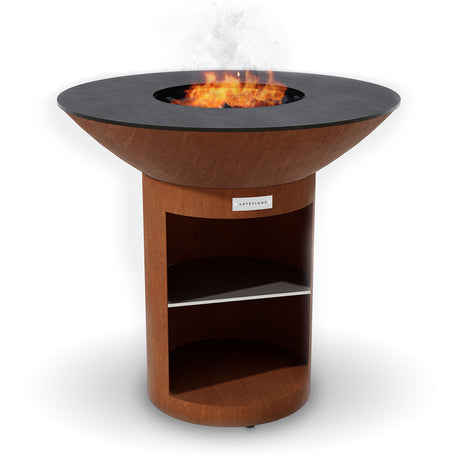
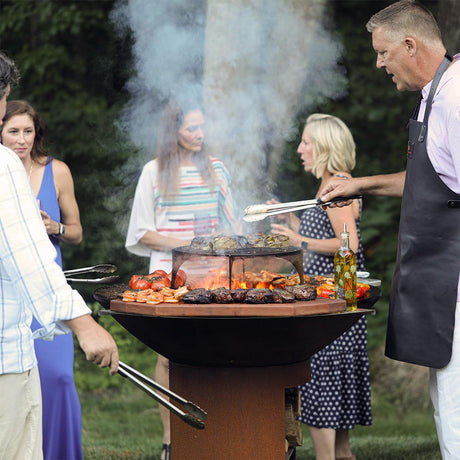
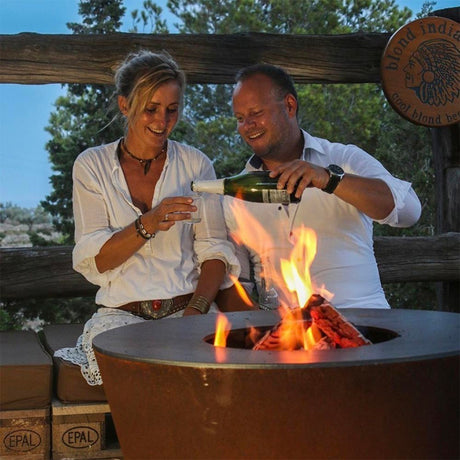
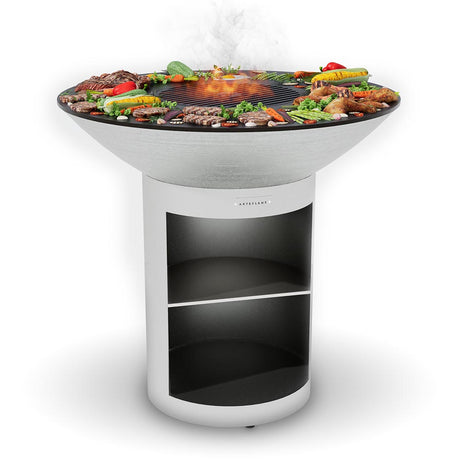
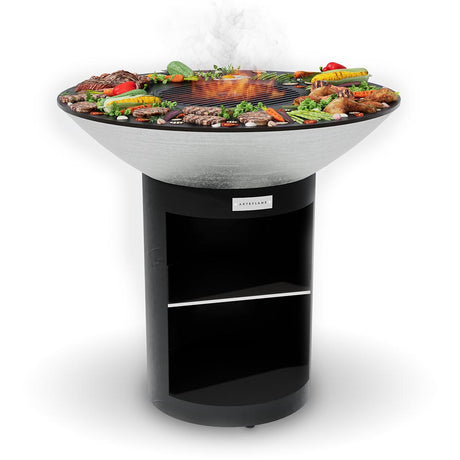
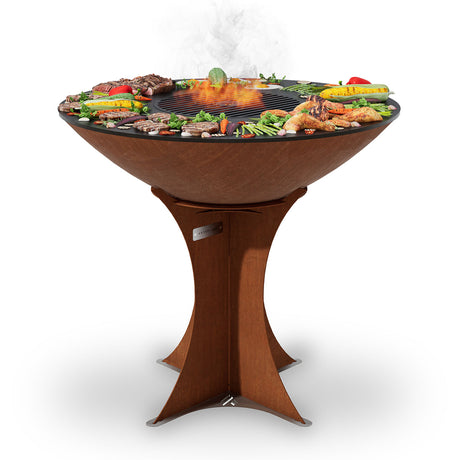
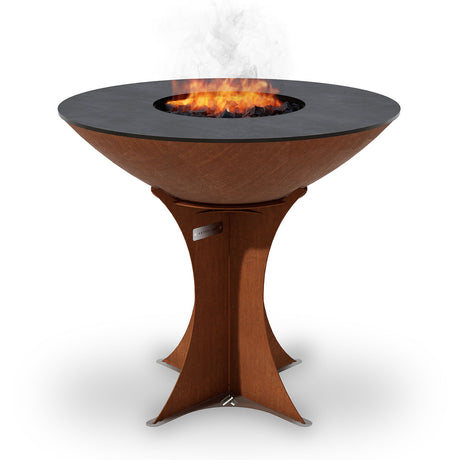
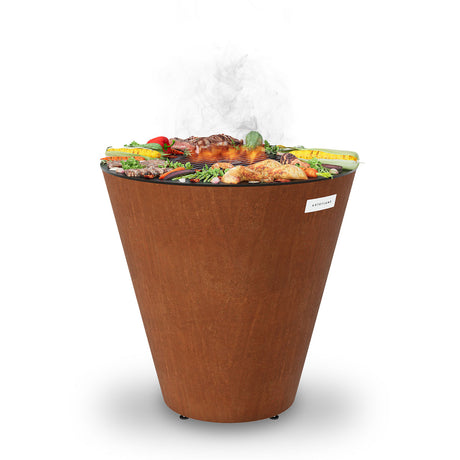
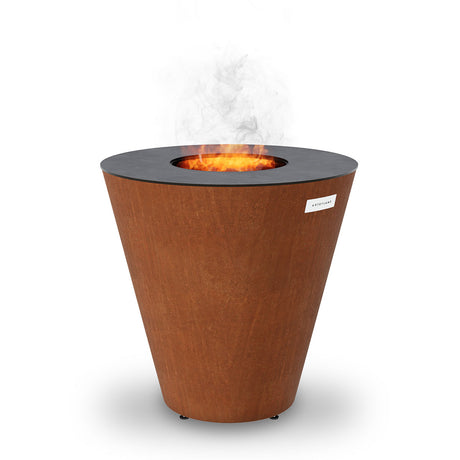
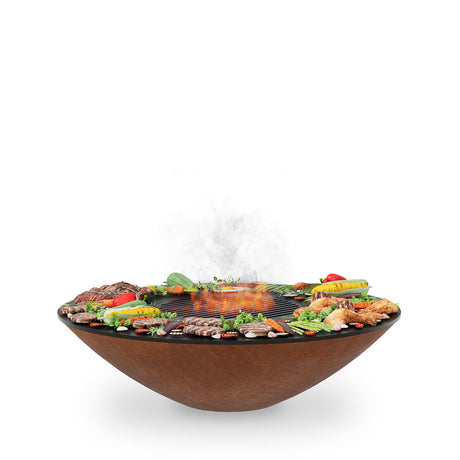
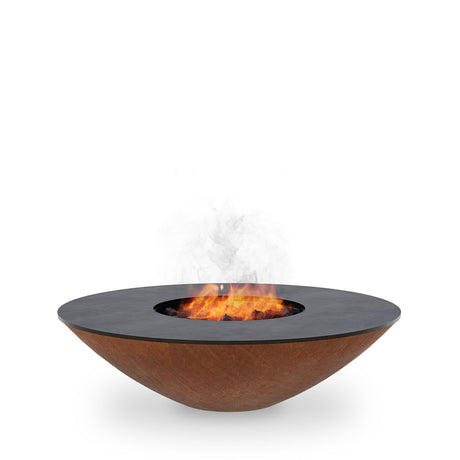
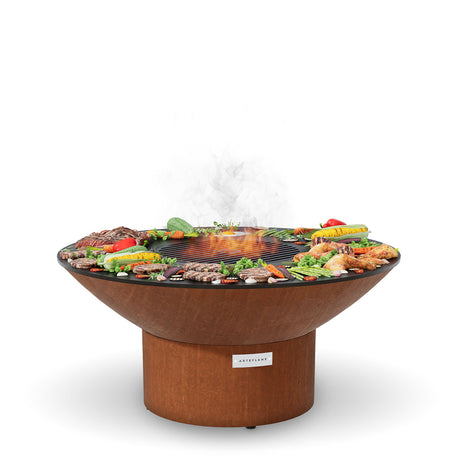
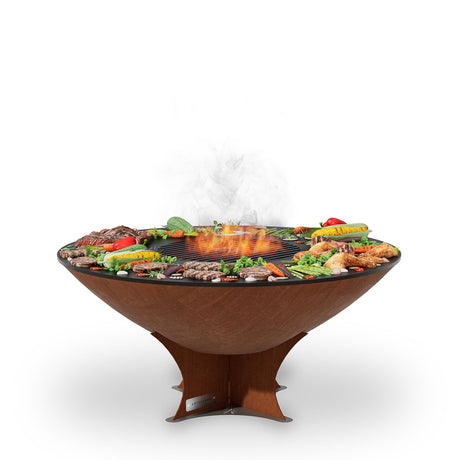
The Arteflame wood-fired flat top grill replaces standard grates with a solid carbon steel cooking plancha, preventing flare-ups and allowing you to cook a wider variety of foods simultaneously. By building a wood or charcoal fire in the center, the grill creates dynamic heat zones that range from a searing 1,000°F at the inner edge to a gentle 250°F on the outer rim. This design not only delivers restaurant-quality searing capabilities but also transitions seamlessly into a social fire pit once the cooking is finished.

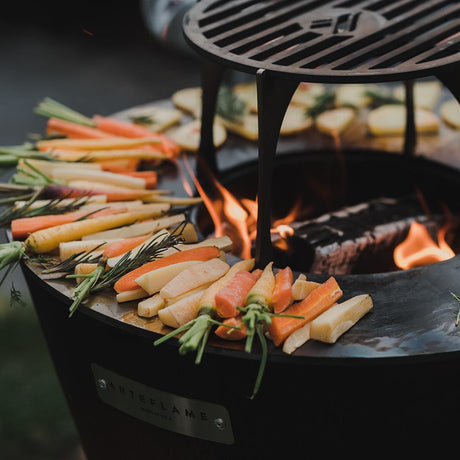
Most traditional grills use open grates directly over the fire, leading to uneven cooking, lost food, and dangerous flare-ups. The Arteflame grill features a solid carbon steel cooktop (plancha) that traps juices and shields food from direct flames. This allows you to cook everything from steaks and burgers to eggs, pancakes, and delicate vegetables on the same surface.
Because the fire is concentrated in the center, the steel plancha naturally develops a radial temperature gradient. You can sear a thick cut of meat near the center while simultaneously toasting buns or slow-cooking vegetables on the cooler outer edges.
Pro Tip: Push your hot coals directly against the inner edge of the plancha for maximum searing heat, then pull them back slightly if the cooktop gets too hot.
| Feature | Arteflame Grill | Traditional Gas/Charcoal | Standard Gas Flat Top |
|---|---|---|---|
| Cooking Surface | Carbon Steel Plancha | Open Grates | Rolled Steel / Cast Iron |
| Heat Source | Wood and Charcoal | Gas or Charcoal | Propane Gas |
| Temperature Zones | Radial (Center to Edge) | Uniform or Dual Zone | Zone Burners |
| Social Aspect | Doubles as a fire pit | Cooking only | Cooking only |
| Flare-up Risk | Zero | High | Zero |
Unlike gas grills with dials, the Arteflame wood-fired flat top grill relies on fire placement and the physical properties of its carbon steel top. The heat radiates outward from the central fire bowl, automatically creating multiple heat zones.
Pro Tip: Use a mix of kiln-dried hardwood (like oak or hickory) and high-quality lump charcoal. The charcoal provides an even, long-lasting base heat, while the wood creates high flames and infuses your food with a smoky flavor.
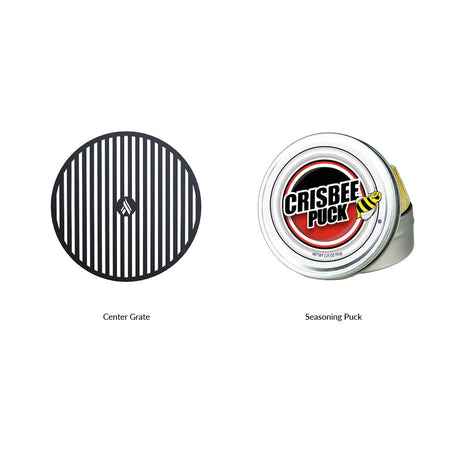
Maintaining the carbon steel plancha is straightforward and similar to caring for cast iron. Proper seasoning prevents rust and creates a naturally non-stick surface.
Because the cooktop drains excess grease directly into the central fire bowl, cleanup takes only a few minutes and requires no harsh chemicals or scrubbing brushes.
Yes, the grill body is constructed from corten steel, which is designed to develop a protective rust patina that prevents deep corrosion. The carbon steel cooktop should be kept oiled to prevent surface rust, but the entire unit is built to withstand all weather conditions permanently.
Kiln-dried hardwoods such as oak, hickory, apple, and cherry are the best choices for fueling your grill. Avoid using softwoods like pine or spruce, as they produce excessive soot, burn too quickly, and can impart an unpleasant flavor to your food.
With a proper combination of lump charcoal and dry hardwood, the center searing ring will reach cooking temperatures in about 20 to 30 minutes. Building a strong ember base first ensures the outer edges reach optimal warming and cooking temperatures shortly after.
While the food is shielded from direct flames, the wood fire creates an ambient smoke that gently flavors the ingredients. You get a subtle, authentic wood-fired taste without the acrid flavor that often results from fat dripping directly onto coals.







Turn yesterday's leftover macaroni into today's crispy, golden side dish with this easy wood-fired recipe.

Master this Texas-style open-fire brisket cooked entirely on the Arteflame grill. By searing on the center grate and wrapping to render on the flat top, you get perfectly tender, juicy...

Transform standard thick-cut bacon into a sweet, savory appetizer with a dark stout and brown sugar glaze, perfectly caramelized on a flat-top grill.

Render the perfect crispy skin with these Sichuan Peppercorn Duck Breasts, paired with a smoky, sweet, and spicy charred plum-poblano sauce.

Tender artichoke halves charred over high heat and smothered in rich garlic butter and Parmesan cheese.

Achieve the ultimate crust with this low-and-slow beef brisket recipe, utilizing natural heat zones for a perfect sear and incredibly tender finish.

Transform the trending crispy rice paper dumplings into a wood-fired masterpiece. Cooked on the Arteflame flat steel griddle for a shatteringly crisp crust and savory, high-protein filling.

Elevate albacore tuna with a steakhouse-style bacon wrap and a decadent green peppercorn cream sauce, grilled flawlessly on a flat-top.