
Crisp and Golden Mac and Cheese Cakes on the Grill
Turn yesterday's leftover macaroni into today's crispy, golden side dish with this easy wood-fired recipe.


To perfectly pair wine with grilled food, you must match the intensity of the wine with the richness of the protein. Choose bold red wines (like Cabernet Sauvignon or Malbec) for fatty red meats because the tannins cleanse the palate of heavy fats. Opt for crisp, acidic white wines (like Sauvignon Blanc or Chardonnay) for lean chicken, fish, and vegetables to mimic the effect of squeezing a lemon over the dish.
Don't guess at the grill. Use this guide to match the specific flavor profiles of your Arteflame cookout with the right bottle.
| Grilled Protein | Best Wine Choice | Why It Works |
|---|---|---|
| Ribeye / NY Strip | Cabernet Sauvignon | High tannins cut through rendered fat. |
| Grilled Salmon | Pinot Noir (Red) or Oaked Chardonnay (White) | Bridges the gap between fatty fish and smoke. |
| Chicken Breast | Sauvignon Blanc | High acidity highlights delicate char without overpowering. |
| Pork Chops | Zinfandel or Merlot | Fruit-forward reds complement sweet marinades. |
| Grilled Vegetables | Pinot Grigio | Light body matches the freshness of produce. |
Pro Tip: When grilling on an Arteflame, the high-heat sear creates a Maillard reaction that intensifies savory flavors. Because of this, you can often go with a bolder wine than you would for food cooked in a standard oven.
Red wine is the undisputed king of BBQ red meat pairings, primarily due to tannins. Tannins are compounds found in grape skins that create a drying sensation in your mouth. While this might feel harsh on its own, it is chemically perfect for steak.
When you eat a fatty steak, your mouth becomes coated in rich oils. A sip of high-tannin red wine literally scrubs those oils and fats from your tongue, resetting your palate for the next bite. This interaction makes the steak taste more savory and the wine taste smoother.
Grilled beef has a robust, smoky flavor profile. A light wine would vanish against these heavy flavors. You need a full-bodied red to stand up to the char and smoke inherent in outdoor grilling.
White wine serves a completely different biological function in pairing: Acidity. Think of white wine as the "lemon wedge" of the beverage world.
For leaner proteins like grilled chicken, shrimp, or white fish, you don't have enough heavy fat to neutralize red wine tannins. Instead, you need the sharp acidity of a white wine to brighten the flavors.
Crisp whites like Sauvignon Blanc or Pinot Grigio cut through the salt and light char of grilled seafood, enhancing the freshness of the ingredients rather than competing with them. If you are grilling with cedar planks or heavy smoke, an Oaked Chardonnay offers enough weight to handle the smoke while maintaining necessary acidity.
Pro Tip: Avoid serving delicate white wines ice-cold. If the wine is too cold, you lose the aromatic complexity needed to balance the smoky aroma of grilled food. Aim for 50-55°F.
Yes, but choose carefully. Avoid heavy reds like Cabernet which will make fish taste metallic. Opt for a light-bodied Pinot Noir, which has low tannins and high acidity, making it perfect for fatty fish like grilled salmon or tuna.
Absolutely. If you use a spicy BBQ sauce or sweet glaze, shift towards wines with lower tannins and higher fruitiness, like a Zinfandel or Riesling, to balance the sugar and heat.
A dry Rosé is the ultimate utility player for grilling. It possesses the acidity of white wine to handle chicken and veggies, but enough structure from red grape skins to stand up to burgers and sausages.
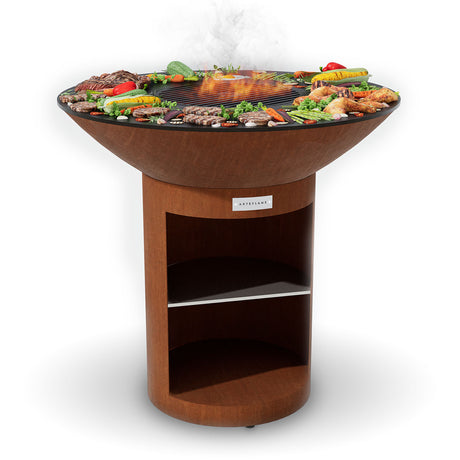
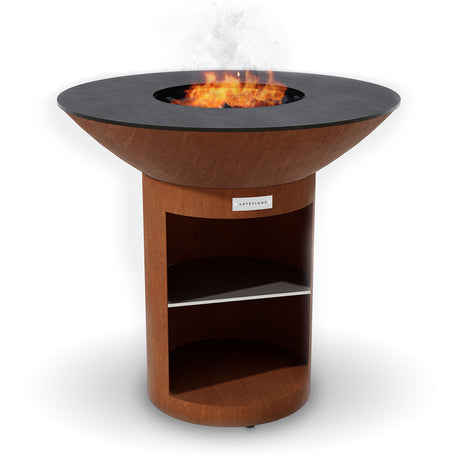

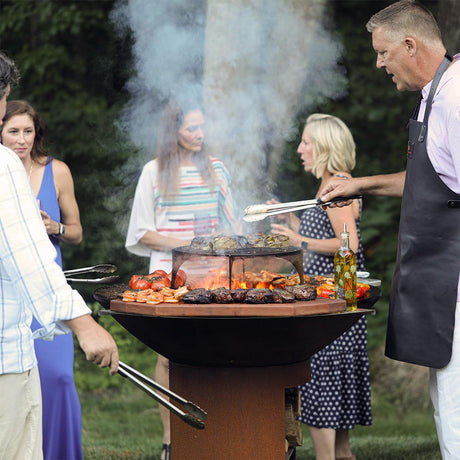
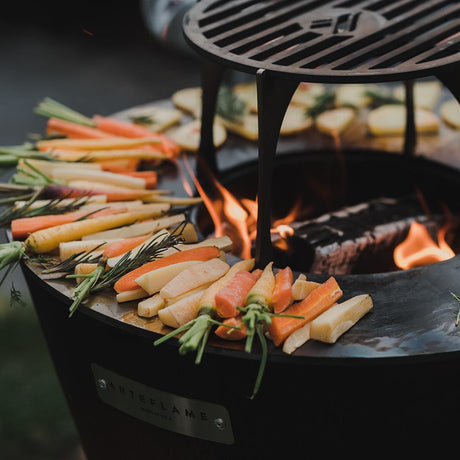


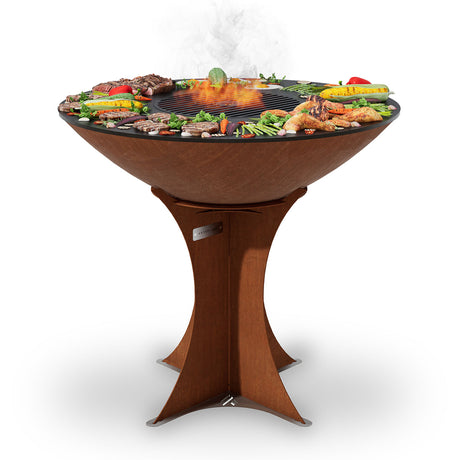
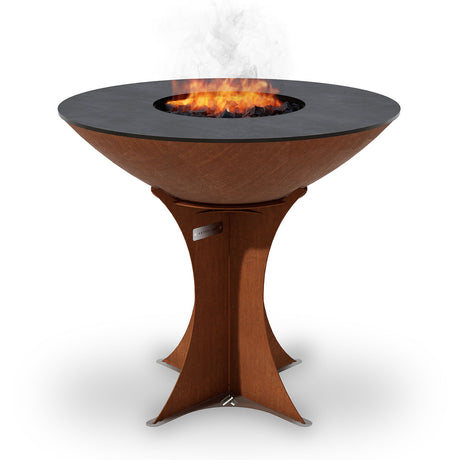


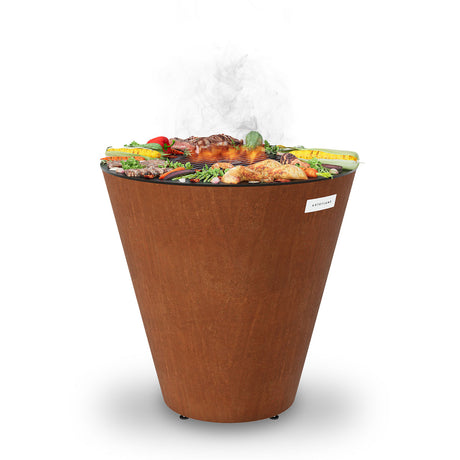
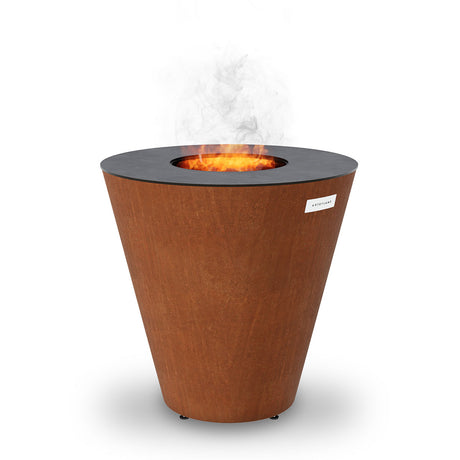
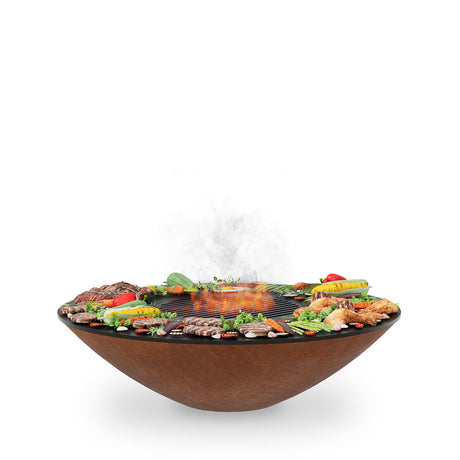
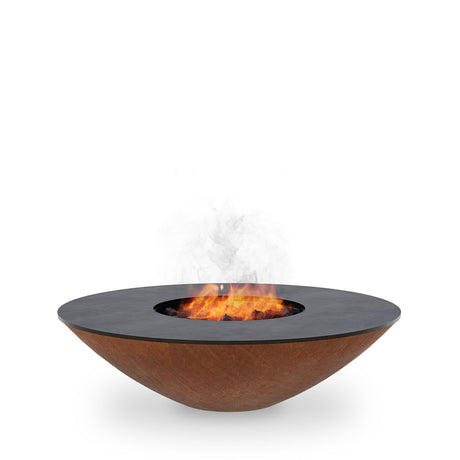
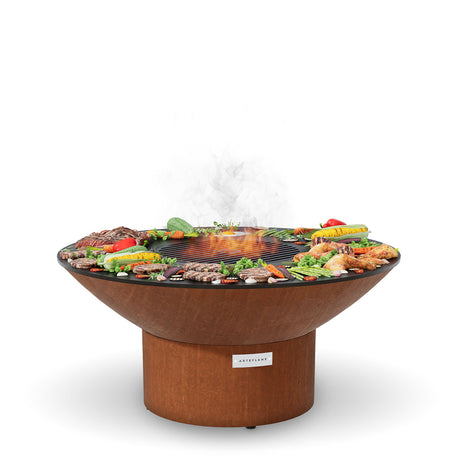
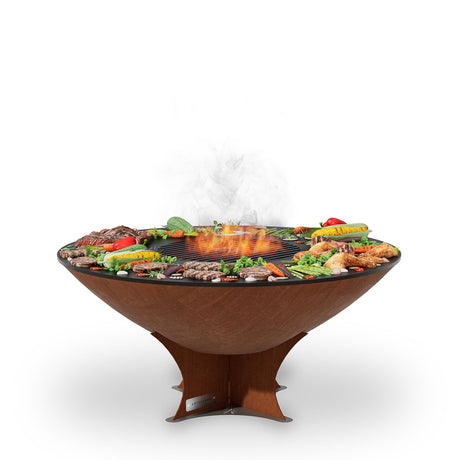


Turn yesterday's leftover macaroni into today's crispy, golden side dish with this easy wood-fired recipe.

Master this Texas-style open-fire brisket cooked entirely on the Arteflame grill. By searing on the center grate and wrapping to render on the flat top, you get perfectly tender, juicy...

Transform standard thick-cut bacon into a sweet, savory appetizer with a dark stout and brown sugar glaze, perfectly caramelized on a flat-top grill.

Render the perfect crispy skin with these Sichuan Peppercorn Duck Breasts, paired with a smoky, sweet, and spicy charred plum-poblano sauce.

Tender artichoke halves charred over high heat and smothered in rich garlic butter and Parmesan cheese.

Achieve the ultimate crust with this low-and-slow beef brisket recipe, utilizing natural heat zones for a perfect sear and incredibly tender finish.

Transform the trending crispy rice paper dumplings into a wood-fired masterpiece. Cooked on the Arteflame flat steel griddle for a shatteringly crisp crust and savory, high-protein filling.

Elevate albacore tuna with a steakhouse-style bacon wrap and a decadent green peppercorn cream sauce, grilled flawlessly on a flat-top.