
Crisp and Golden Mac and Cheese Cakes on the Grill
Turn yesterday's leftover macaroni into today's crispy, golden side dish with this easy wood-fired recipe.


To grill the perfect ribeye, remove the steak from the fridge 45 minutes before cooking and season heavily with coarse salt. Sear on the hottest part of the grill surface (600°F+) for 3 minutes per side to develop a deep, edge-to-edge crust, then move to a cooler zone until the internal temperature hits 130°F for medium-rare. Always rest the meat for at least 10 minutes to redistribute juices before slicing.
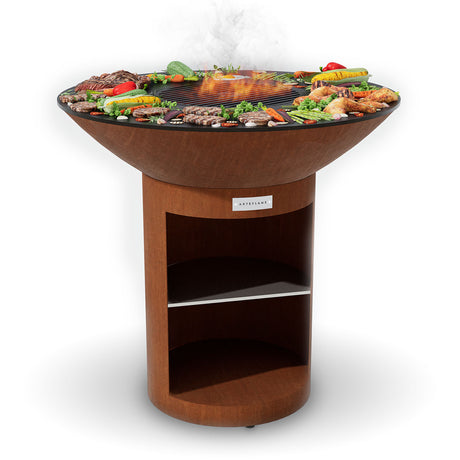
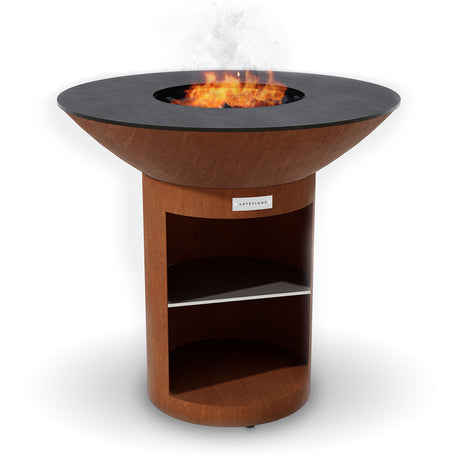
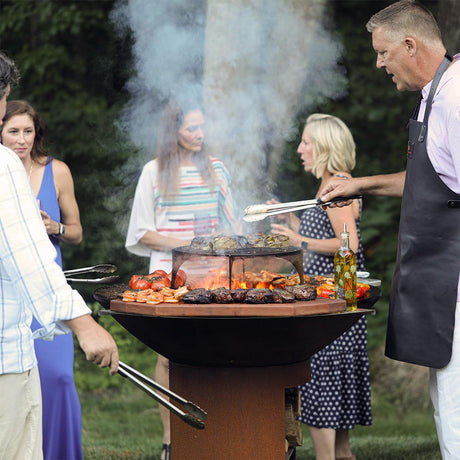
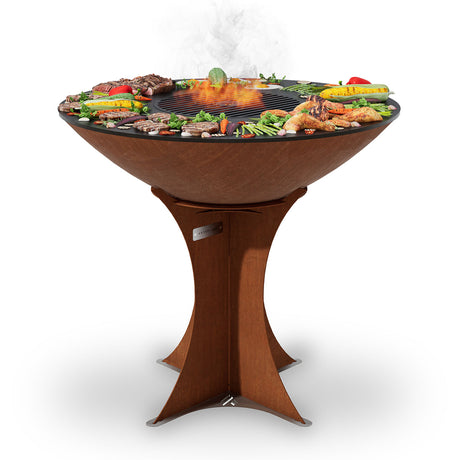
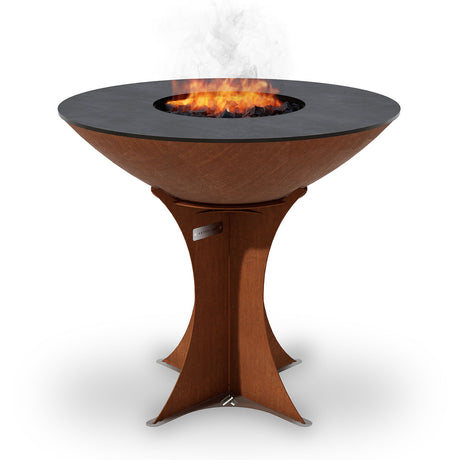
Most grillers struggle with flare-ups and uneven char when using traditional grates. The Arteflame advantage lies in the solid carbon steel cooktop. Instead of fire merely touching the meat through gaps in a grate, the steel acts as a conductive surface that sears 100% of the steak's surface area.
This maximizes the Maillard reaction—the chemical process that creates that savory, browned flavor found in high-end steakhouses. Here is how flat-top grilling compares to standard open grates:
| Feature | Standard Grate Grilling | Arteflame Flat Top |
|---|---|---|
| Sear Surface Area | 30% (Grill marks only) | 100% (Edge-to-edge crust) |
| Juice Retention | Juices drip into fire | Steak cooks in its own juices |
| Flavor Profile | Smoky, potential char/bitter | Savory, buttery, caramelized |
| Flare-Ups | Frequent (burns meat) | Zero (solid surface protection) |
Preparation is just as vital as the fire. Do not take a cold steak straight to the heat if you want consistent results.
Remove your ribeye from the refrigerator 30 to 60 minutes before grilling. A room-temperature steak cooks more evenly, preventing the "bullseye effect" (a gray ring of overcooked meat around a raw center).
Pat the steak completely dry with paper towels. Moisture is the enemy of the sear; wet meat steams instead of browning. Rub with a light binder (high-heat oil) and season liberally with coarse kosher salt and freshly cracked pepper.
Pro Tip: On a flat-top grill, you can baste the steak while it sears without losing flavor to the flames. Place a knob of butter and a sprig of rosemary directly on the steel cooktop next to the steak, and slide the meat through the melting butter for a restaurant-quality finish.
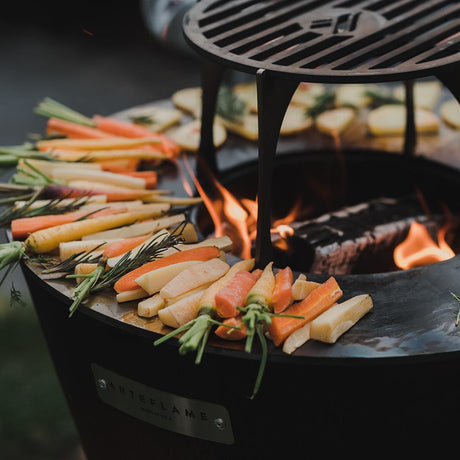
Build a medium-sized fire in the center of your Arteflame. Allow the cooktop to heat up for 20 minutes. The center ring nearest the fire will be your Sear Zone (600°F+), while the outer edges serve as your Finish Zone.
Place the ribeye directly on the center ring. Press down firmly to ensure full contact with the steel. Sear for 3-4 minutes without moving it. You want a dark, mahogany-colored crust. Flip and repeat on the other side.
Once seared, move the steak to the cooler outer edge of the cooktop. Insert a meat thermometer. Pull the steak when it is 5-10°F below your target temperature.
Pro Tip: Carry-over cooking is real. A steak pulled at 125°F will rise to a perfect 135°F (Medium-Rare) while it rests. Never cut into a steak immediately; rest it for 10 minutes to lock in moisture.
Using a digital instant-read thermometer is the only way to guarantee consistency. Ignore the "finger test," as it is unreliable.
Lightly oil the steak to help the seasoning stick, but ensuring the grill cooktop is seasoned with oil is more important. On an Arteflame, apply a thin layer of cooking oil to the steel right before placing the meat down.
Yes. Start the steak on the cooler outer edge until it reaches about 110°F internal temperature, then move it to the hot center ring for a rapid, hot sear to finish. This results in incredibly even cooking.
Aim for at least 1.5 to 2 inches thick. Thinner steaks cook too fast in the middle before you can develop a substantial crust on the outside.





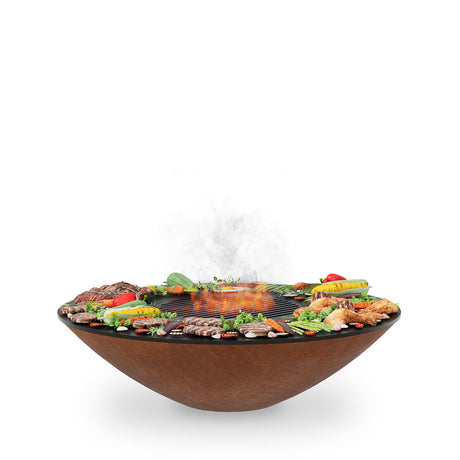
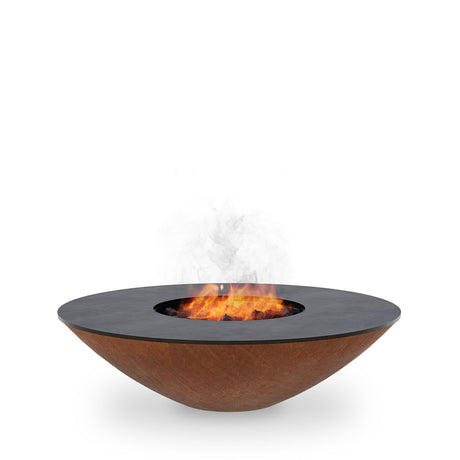
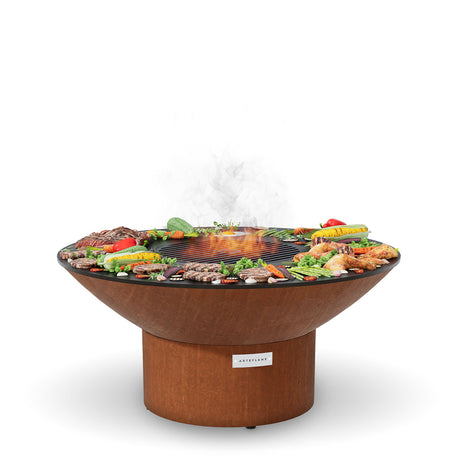
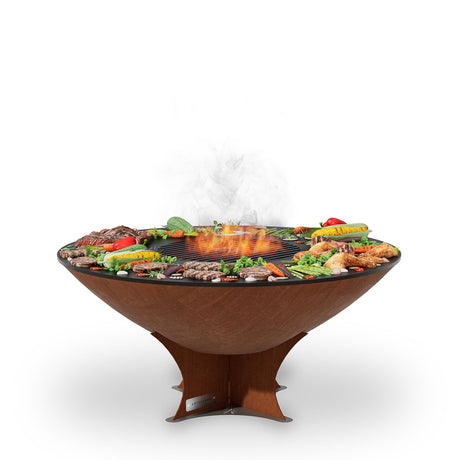


Turn yesterday's leftover macaroni into today's crispy, golden side dish with this easy wood-fired recipe.

Master this Texas-style open-fire brisket cooked entirely on the Arteflame grill. By searing on the center grate and wrapping to render on the flat top, you get perfectly tender, juicy...

Transform standard thick-cut bacon into a sweet, savory appetizer with a dark stout and brown sugar glaze, perfectly caramelized on a flat-top grill.

Render the perfect crispy skin with these Sichuan Peppercorn Duck Breasts, paired with a smoky, sweet, and spicy charred plum-poblano sauce.

Tender artichoke halves charred over high heat and smothered in rich garlic butter and Parmesan cheese.

Achieve the ultimate crust with this low-and-slow beef brisket recipe, utilizing natural heat zones for a perfect sear and incredibly tender finish.

Transform the trending crispy rice paper dumplings into a wood-fired masterpiece. Cooked on the Arteflame flat steel griddle for a shatteringly crisp crust and savory, high-protein filling.

Elevate albacore tuna with a steakhouse-style bacon wrap and a decadent green peppercorn cream sauce, grilled flawlessly on a flat-top.