
Crisp and Golden Mac and Cheese Cakes on the Grill
Turn yesterday's leftover macaroni into today's crispy, golden side dish with this easy wood-fired recipe.


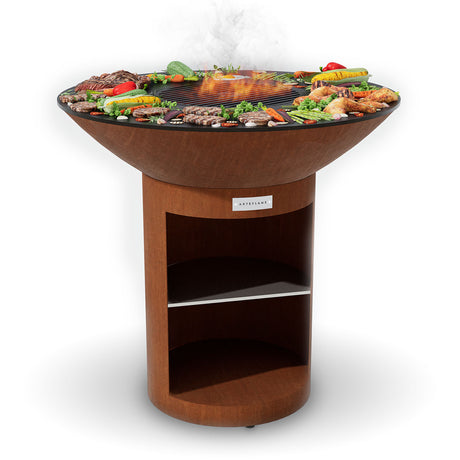
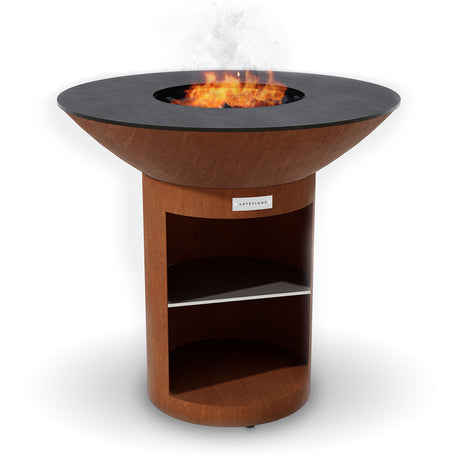
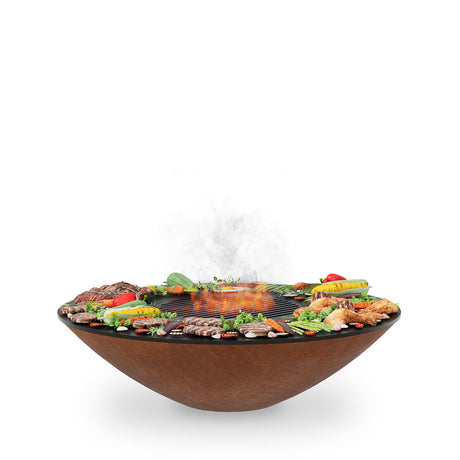
To barbecue the perfect steak on a flat top grill, avoid high heat immediately. Instead, utilize the reverse sear technique: place the steak on the cooler outer edges of the cooktop to slowly bring the internal temperature up to 10°F below your target doneness. Finish by moving the steak to the scorching hot center ring for 60 seconds per side to create a savory crust without overcooking the inside.
Before you even light the fire, you must know your target numbers. Cooking by time is a mistake; cooking by temperature is a science. Use this chart to determine exactly when to pull your steak off the heat to account for carry-over cooking.
| Doneness Level | Remove from Grill At (°F) | Final Rested Temp (°F) | Center Color & Texture |
|---|---|---|---|
| Rare | 120°F | 125°F | Cool red center, very soft |
| Medium Rare | 125°F | 130°F - 135°F | Warm red center, soft & juicy |
| Medium | 135°F | 140°F - 145°F | Warm pink center, firm spring |
| Medium Well | 145°F | 150°F - 155°F | Slightly pink center, firm |
| Well Done | 155°F+ | 160°F+ | Little to no pink, very firm |
Pro Tip: Never cut into a steak to check doneness. This releases valuable juices and dries out the meat instantly. Trust a high-quality digital instant-read thermometer.
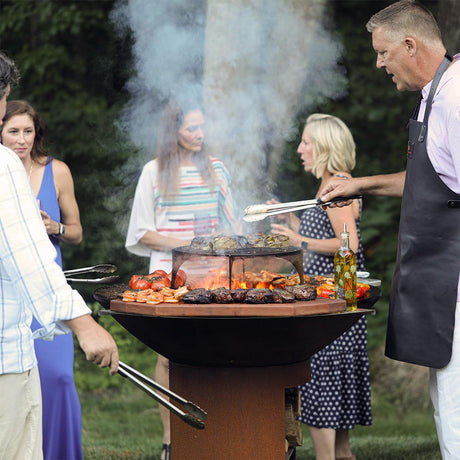
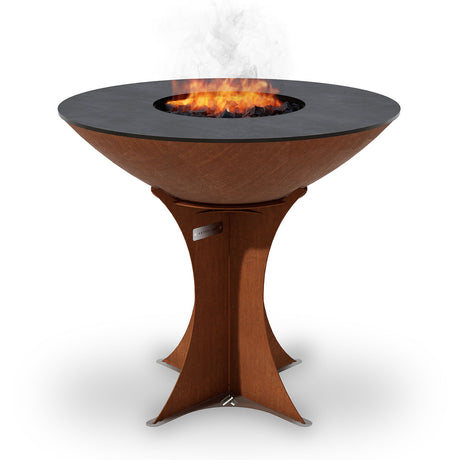
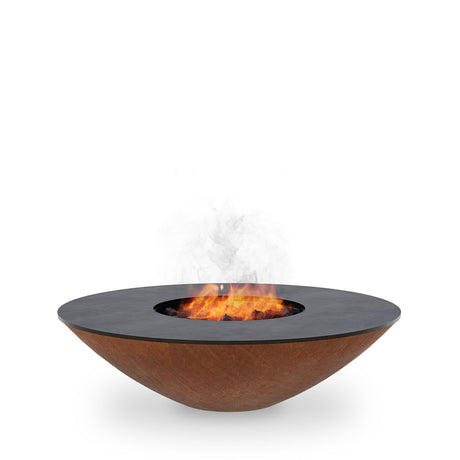
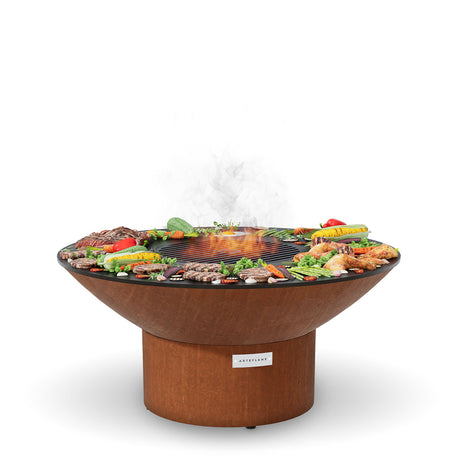
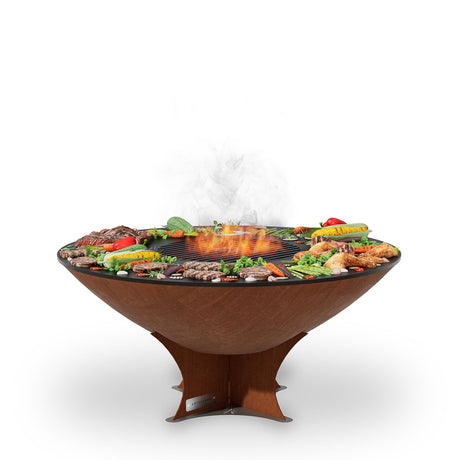
Traditional grilling often leads to the "bullseye effect"—a charred exterior, a ring of gray overcooked meat, and a small raw center. On a wood-fired plancha style grill like the Arteflame, the reverse sear eliminates this error.
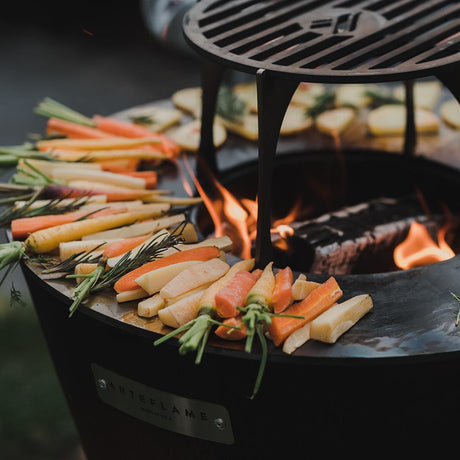
By using the outer zones of the flat top (which are naturally cooler), you act as an oven, gently bringing the meat's internal temperature up. This breaks down intramuscular fat (rendering) before the crust is formed. Once the inside is near-perfect, the center fire provides the extreme heat needed for the Maillard reaction—the chemical process that creates the brown, flavorful crust.
While this method works for most beef, it shines with thick-cut steaks (at least 1.5 inches thick). Thinner steaks cook too fast for a reverse sear.
Remove your steak from the refrigerator 30 to 60 minutes before cooking. A room-temperature steak cooks more evenly than a cold one. Pat the surface completely dry with paper towels; moisture is the enemy of a good sear.
Season generously right before grilling. Use coarse kosher salt and black pepper, or a specialized beef rub. Rub a light coat of high-smoke-point oil (like Grapeseed or Avocado oil) on the meat, not just the grill surface.
Pro Tip: For maximum flavor penetration, "Dry Brine" your steak by salting it 24 hours in advance and leaving it uncovered in the fridge. This draws moisture out, dissolves the salt, and re-absorbs it, seasoning the meat deep into the muscle fibers.
Build a medium fire in the center of your fire bowl. Ensure the flat cooktop has heated up for at least 20 minutes. Place the steaks on the outer perimeter of the cooktop where the heat is moderate. Flip occasionally to ensure even heating until the internal temperature is 10-15°F below your final target.
Once the internal temp is reached, add a fresh log to the center fire to spike the heat. Move the steaks directly to the inner edge of the cooktop, closest to the flames. Sear for 60 to 90 seconds per side. You want a dark mahogany color, not black char.
Transfer the steak to a board and let it rest for a minimum of 8 to 10 minutes. This allows the muscle fibers to relax and reabsorb the juices that migrated to the center during cooking.
It is not recommended to cook steak from frozen on a flat top as the exterior will burn before the interior thaws. Always thaw your steak in the refrigerator for 24 hours before cooking for safe and even results.
Use an oil with a high smoke point, such as Avocado oil (520°F) or Grapeseed oil (420°F). Olive oil and butter have low smoke points and will burn, creating a bitter taste if used during the high-heat searing phase.
Flat top grills produce an all-over sear rather than grill marks, which actually equals more flavor. The entire surface area of the meat undergoes the Maillard reaction, providing a crust that is superior in taste to simple distinct grill lines.


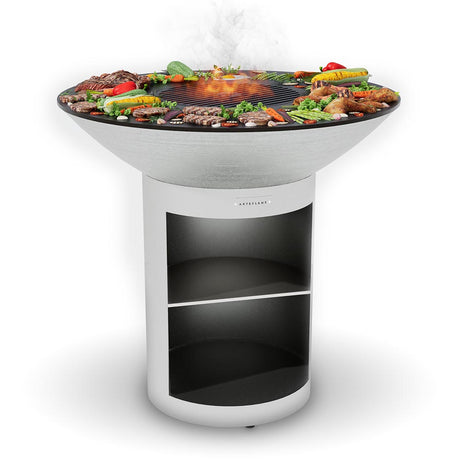
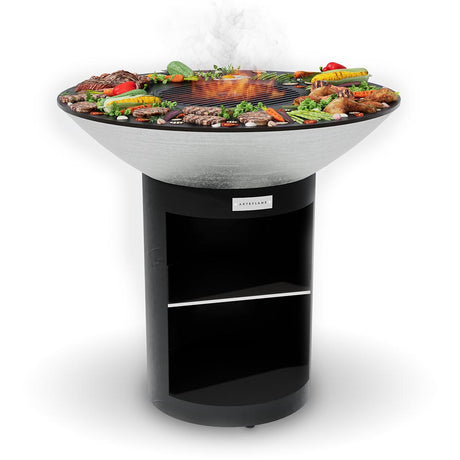


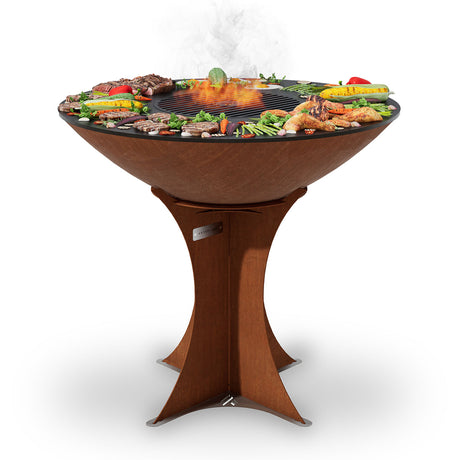




Turn yesterday's leftover macaroni into today's crispy, golden side dish with this easy wood-fired recipe.

Master this Texas-style open-fire brisket cooked entirely on the Arteflame grill. By searing on the center grate and wrapping to render on the flat top, you get perfectly tender, juicy...

Transform standard thick-cut bacon into a sweet, savory appetizer with a dark stout and brown sugar glaze, perfectly caramelized on a flat-top grill.

Render the perfect crispy skin with these Sichuan Peppercorn Duck Breasts, paired with a smoky, sweet, and spicy charred plum-poblano sauce.

Tender artichoke halves charred over high heat and smothered in rich garlic butter and Parmesan cheese.

Achieve the ultimate crust with this low-and-slow beef brisket recipe, utilizing natural heat zones for a perfect sear and incredibly tender finish.

Transform the trending crispy rice paper dumplings into a wood-fired masterpiece. Cooked on the Arteflame flat steel griddle for a shatteringly crisp crust and savory, high-protein filling.

Elevate albacore tuna with a steakhouse-style bacon wrap and a decadent green peppercorn cream sauce, grilled flawlessly on a flat-top.