
Crisp and Golden Mac and Cheese Cakes on the Grill
Turn yesterday's leftover macaroni into today's crispy, golden side dish with this easy wood-fired recipe.


Beef tallow is rendered fat from cattle, prized for its exceptionally high smoke point (400°F/205°C) and rich, savory umami flavor. It is the ultimate cooking fat for searing steaks on an Arteflame, seasoning carbon steel cooktops, and adding depth to dishes without the oxidation risks of seed oils. Unlike vegetable shortenings, it provides natural vitamins and healthy saturated fats essential for energy.
Stop burning your butter. Tallow is the secret weapon for the perfect crust. Because it is an animal fat, it complements the natural flavors of steak, burgers, and brisket rather than masking them.
When using high-heat grills like the Arteflame, you need a fat that remains stable. Tallow allows you to achieve a Maillard reaction (the browning of meat) without the bitterness of burnt milk solids found in butter or the chemical breakdown of processed seed oils.
Pro Tip: For the absolute best flavor, look for Wagyu Beef Tallow. It has a lower melting point and a buttery richness that standard tallow cannot match, making it liquid gold for finishing steaks.
| Fat Type | Smoke Point | Flavor Profile | Best Use |
|---|---|---|---|
| Beef Tallow | 400°F (205°C) | Rich, Beefy, Umami | Searing, Grilling, Fries |
| Butter | 302°F (150°C) | Creamy, Milky | Finishing, Baking |
| Olive Oil | 375°F (190°C) | Grassy, Fruity | Salads, Sautéing |
| Vegetable Oil | 400°F+ | Neutral (Processed) | Deep Frying |
Yes, and it is arguably the best option available. Seasoning is the process of polymerizing fat onto the steel to create a non-stick, rust-resistant surface. Because tallow is 100% pure fat with no water content, it creates a hard, durable layer of seasoning that creates a blackened, non-stick patina faster than flax or canola oil.
Historically demonized, tallow is making a massive comeback in the health community. It is a stable saturated fat that resists oxidation at high temperatures, meaning it creates fewer free radicals during cooking compared to polyunsaturated vegetable oils.
Pro Tip: If you are buying tallow for health benefits, ensure it is Grass-Fed and Grass-Finished. The nutrient profile, specifically the Omega-3 to Omega-6 ratio, is significantly better than grain-fed alternatives.
Tallow is incredibly shelf-stable. You do not need to clutter your refrigerator with it if you use it frequently.
Because it creates an anaerobic environment (no air), bacteria struggle to grow in pure rendered fat. Just ensure you use a clean spoon every time to prevent introducing food particles into the jar.
It adds a subtle savory depth, but it does not make everything taste like a hamburger. It enhances the natural flavors of vegetables and potatoes (like the famous original McDonald's fries) rather than overpowering them.
Tallow comes from beef (cattle), while lard comes from pork. Tallow has a harder texture and a slightly higher smoke point, making it better for high-heat grilling and searing, while lard is often preferred for baking flaky pastries.
You can buy high-quality tallow from local butchers, specialty grocery stores, or online retailers. Alternatively, you can render your own by asking a butcher for "suet" (kidney fat) and melting it down slowly in a crockpot.
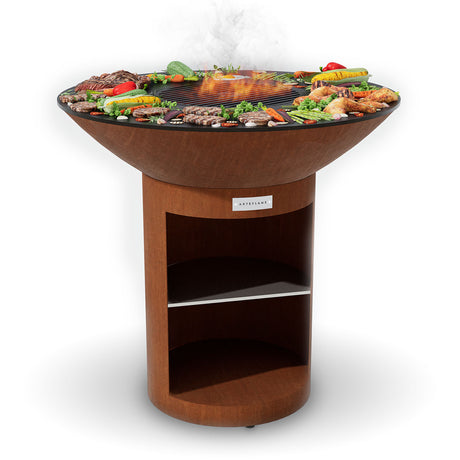
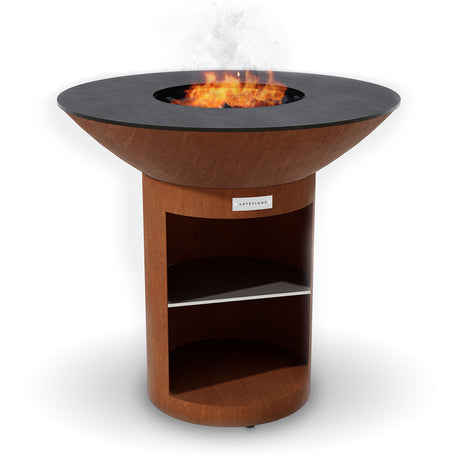

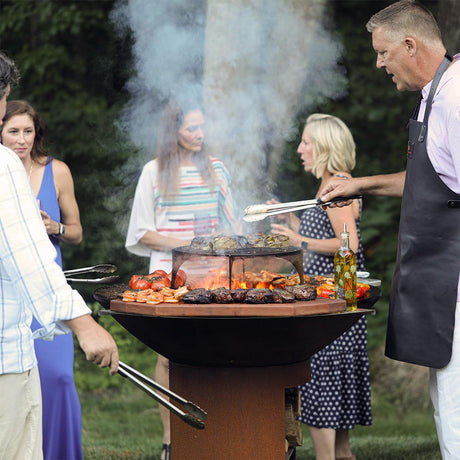
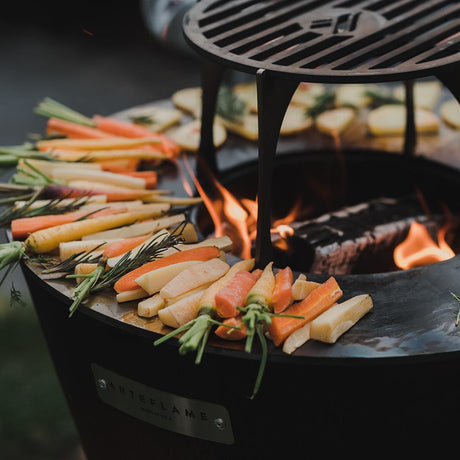



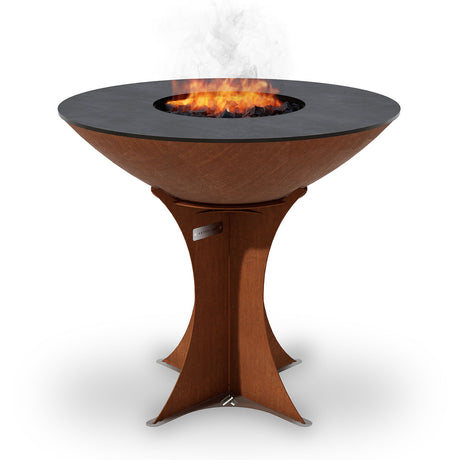


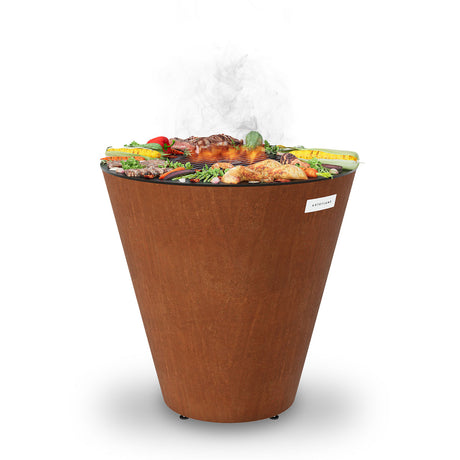
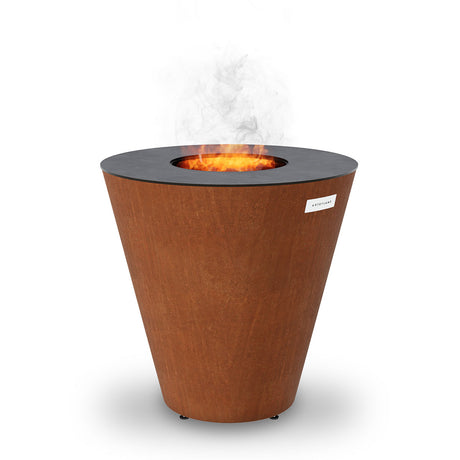
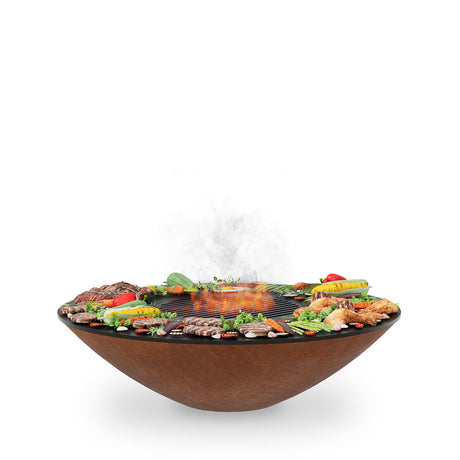


Turn yesterday's leftover macaroni into today's crispy, golden side dish with this easy wood-fired recipe.

Master this Texas-style open-fire brisket cooked entirely on the Arteflame grill. By searing on the center grate and wrapping to render on the flat top, you get perfectly tender, juicy...

Transform standard thick-cut bacon into a sweet, savory appetizer with a dark stout and brown sugar glaze, perfectly caramelized on a flat-top grill.

Render the perfect crispy skin with these Sichuan Peppercorn Duck Breasts, paired with a smoky, sweet, and spicy charred plum-poblano sauce.

Tender artichoke halves charred over high heat and smothered in rich garlic butter and Parmesan cheese.

Achieve the ultimate crust with this low-and-slow beef brisket recipe, utilizing natural heat zones for a perfect sear and incredibly tender finish.

Transform the trending crispy rice paper dumplings into a wood-fired masterpiece. Cooked on the Arteflame flat steel griddle for a shatteringly crisp crust and savory, high-protein filling.

Elevate albacore tuna with a steakhouse-style bacon wrap and a decadent green peppercorn cream sauce, grilled flawlessly on a flat-top.