
Crisp and Golden Mac and Cheese Cakes on the Grill
Turn yesterday's leftover macaroni into today's crispy, golden side dish with this easy wood-fired recipe.


For the best grilling results, choose smaller lobsters weighing between 1¼ to 1½ pounds. Small lobsters cook faster and more evenly, resulting in meat that is significantly sweeter and more tender than larger varieties. Jumbo lobsters (3+ lbs) are difficult to cook evenly on a grill without drying out the exterior, often leading to a rubbery texture unless parboiled first.
Before firing up the grill, use this comparison guide to understand how size impacts flavor, texture, and cooking technique.
| Feature | Small Lobster (1.25 - 1.5 lbs) | Large/Jumbo Lobster (3+ lbs) |
|---|---|---|
| Texture | Tender, delicate, juicy | Meaty, fibrous, risks toughness |
| Flavor Profile | Sweet, succulent | Briny, less concentrated sweetness |
| Cooking Time | Fast (7-9 minutes) | Slow (requires lower heat/poaching) |
| Best For | Direct searing, high heat | Boiling, steaming, soups |
Grilling is a high-heat cooking method that relies on direct contact to sear food. Because lobster meat is lean, it cooks rapidly. The larger the lobster, the longer the heat takes to penetrate the center of the tail and claws. By the time the center of a 3-pound lobster reaches the safe internal temperature, the outer layers are often overcooked, tough, and chewy.
Pro Tip: Always cook to temperature, not just time. Lobster meat is perfectly cooked when it reaches an internal temperature of 135°F to 140°F. It will become rubbery instantly if it surpasses 145°F.
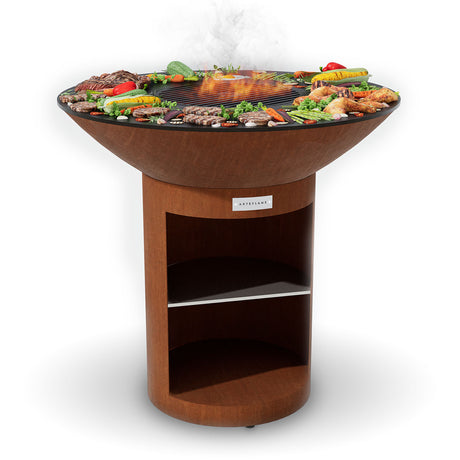
On an Arteflame grill, the flat cooktop allows for precise temperature zones. Smaller lobsters benefit from this as they can be seared quickly to lock in juices without spending too much time over the heat.
If you want the visual impact of a massive lobster for a special occasion, you cannot simply throw it on the grill raw like a smaller one. To ensure the meat is edible and tender, use a two-step method:
While a large lobster looks impressive, the meat yield decreases relative to shell weight as the lobster ages. Older, larger lobsters have thicker shells which you pay for by the pound. Two 1.5lb lobsters often provide more meat—and better tasting meat—than a single 3lb lobster.
Follow these steps to maximize flavor using the Arteflame flat top griddle or any standard grill.
Using a sharp heavy knife, split the lobster in half lengthwise from the head down to the tail. Clean out the head cavity and the dark intestinal vein in the tail.
Brush the flesh with melted butter, lemon juice, and fresh herbs (dill, parsley, or chives). Season with salt and paprika for color.
Place the lobsters flesh-side down on the hot surface of the grill. Sear for 2-3 minutes until the meat is opaque and has nice grill marks.
Flip the lobsters onto the shell side. Baste the meat with garlic butter again. The shell protects the meat from direct heat while it finishes cooking.
Information Gain: When grilling on a flat top, place a metal dome or lid over the lobsters after flipping them to the shell side. This captures the steam and butter smoke, cooking the meat gently from the top down while the shell toasts below.
No, you do not need to boil lobsters under 2 pounds; they are best grilled raw to preserve sweetness. However, lobsters over 3 pounds should be parboiled first to ensure even cooking.
The lobster shell will turn bright red and the meat will change from translucent to solid white. For precision, insert a meat thermometer into the thickest part of the tail; pull it off the heat at 135°F.
Whole lobsters offer the added delicacy of claw meat and the presentation is superior. However, lobster tails are easier to handle and cook more evenly if you are a beginner.
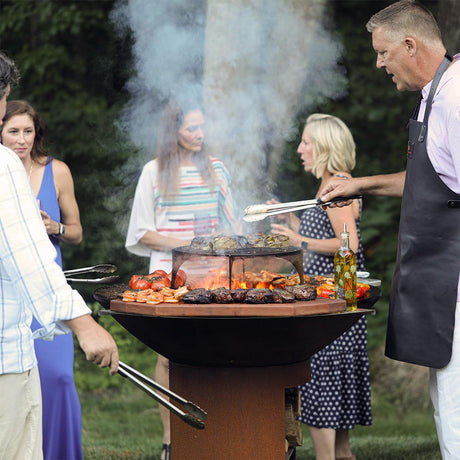
Flat-top grills (like the Arteflame) are superior for seafood because the solid surface prevents juices and butter from dripping into the fire, allowing the lobster to fry in its own savory liquids.
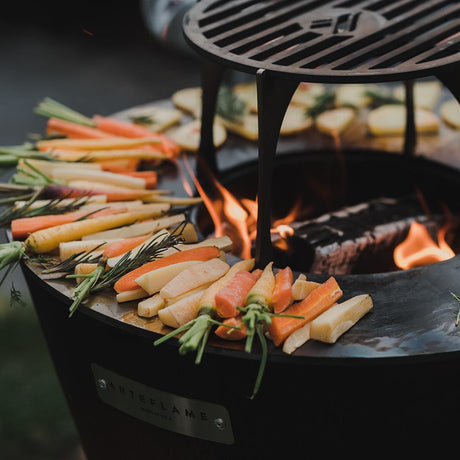
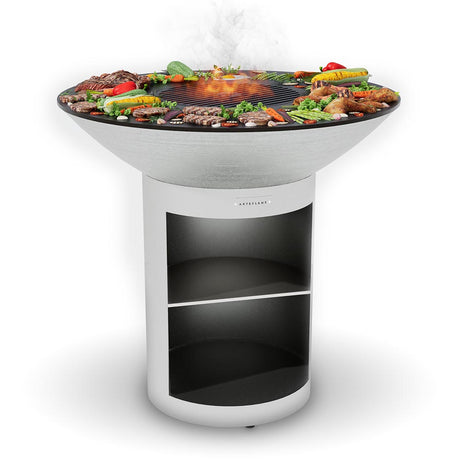
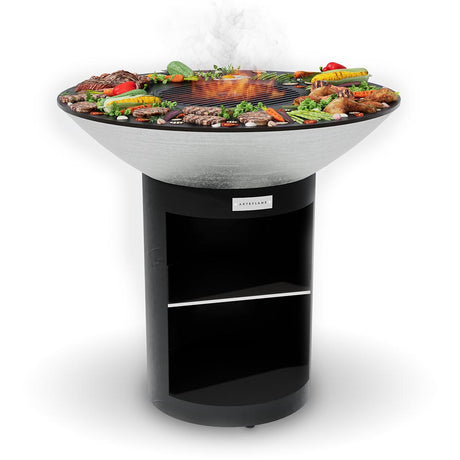




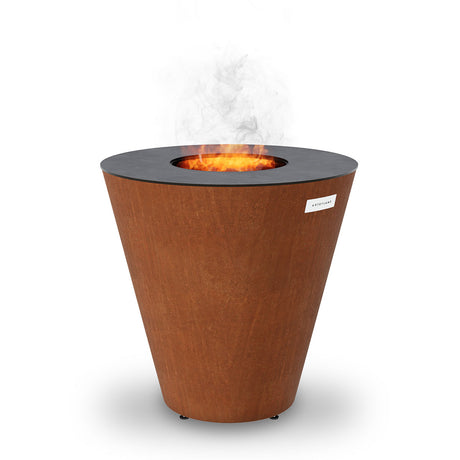
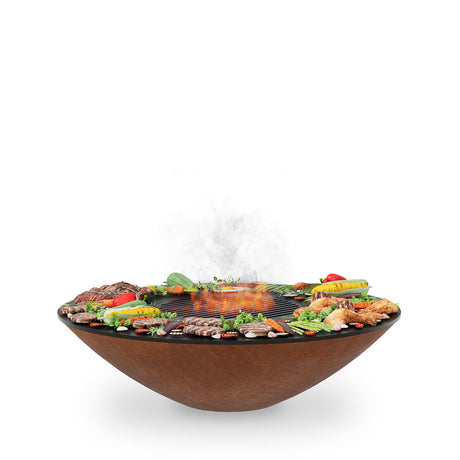
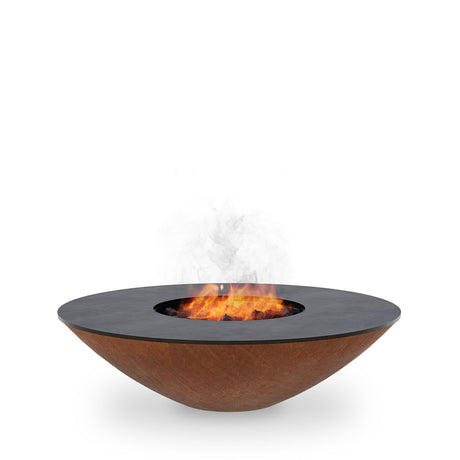
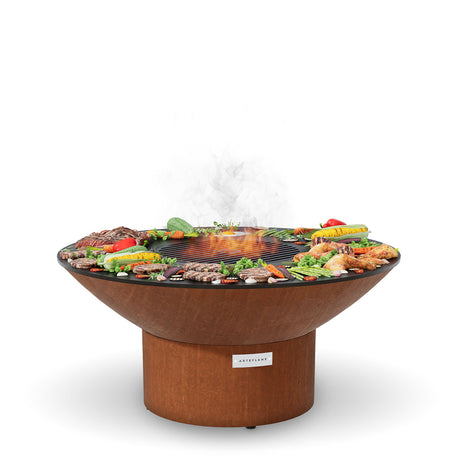
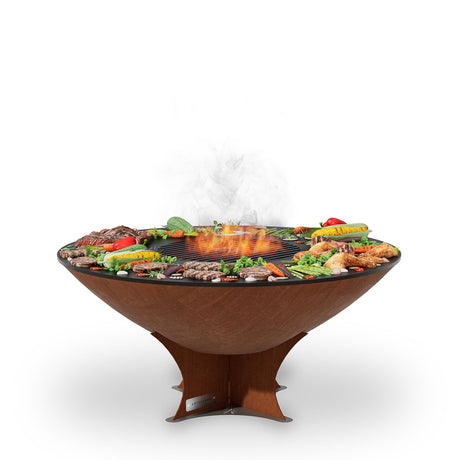


Turn yesterday's leftover macaroni into today's crispy, golden side dish with this easy wood-fired recipe.

Master this Texas-style open-fire brisket cooked entirely on the Arteflame grill. By searing on the center grate and wrapping to render on the flat top, you get perfectly tender, juicy...

Transform standard thick-cut bacon into a sweet, savory appetizer with a dark stout and brown sugar glaze, perfectly caramelized on a flat-top grill.

Render the perfect crispy skin with these Sichuan Peppercorn Duck Breasts, paired with a smoky, sweet, and spicy charred plum-poblano sauce.

Tender artichoke halves charred over high heat and smothered in rich garlic butter and Parmesan cheese.

Achieve the ultimate crust with this low-and-slow beef brisket recipe, utilizing natural heat zones for a perfect sear and incredibly tender finish.

Transform the trending crispy rice paper dumplings into a wood-fired masterpiece. Cooked on the Arteflame flat steel griddle for a shatteringly crisp crust and savory, high-protein filling.

Elevate albacore tuna with a steakhouse-style bacon wrap and a decadent green peppercorn cream sauce, grilled flawlessly on a flat-top.