
Crisp and Golden Mac and Cheese Cakes on the Grill
Turn yesterday's leftover macaroni into today's crispy, golden side dish with this easy wood-fired recipe.


The secret to successful carnivore diet grilling lies in maximizing fat retention and achieving a high-heat sear without charring the meat to a crisp. Instead of using open grates where healthy fats drip away and cause flare-ups, utilize a solid carbon steel cooktop or plancha. This allows steaks to cook in their own rendered tallow, enhancing the nutrient density, flavor, and crust through the Maillard reaction while keeping the inside rare and juicy.
For those strictly following the carnivore diet, fat is fuel. Traditional grate-style grills present a major problem: the rendering fat drips into the fire. This not only causes carcinogenic flare-ups but also results in a loss of the essential lipids you are trying to consume.
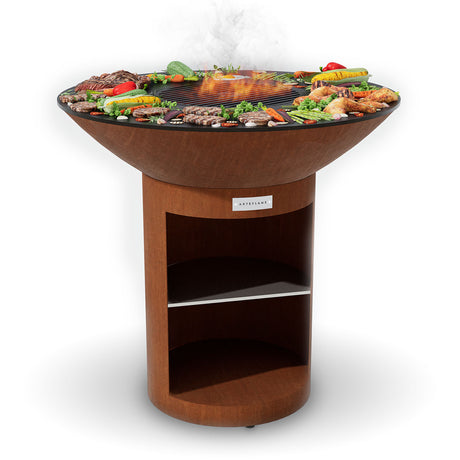
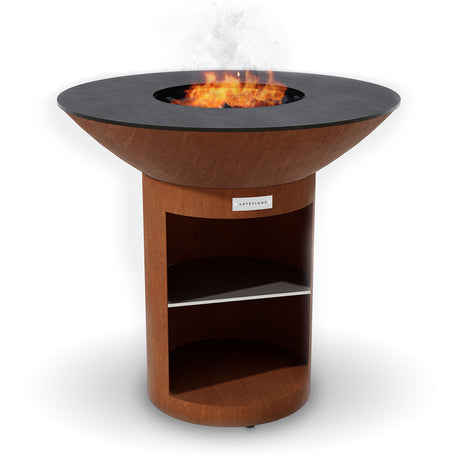
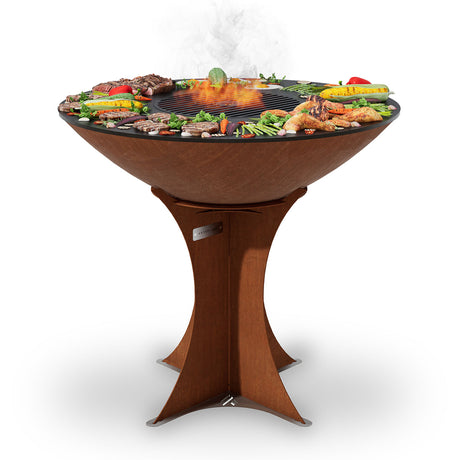
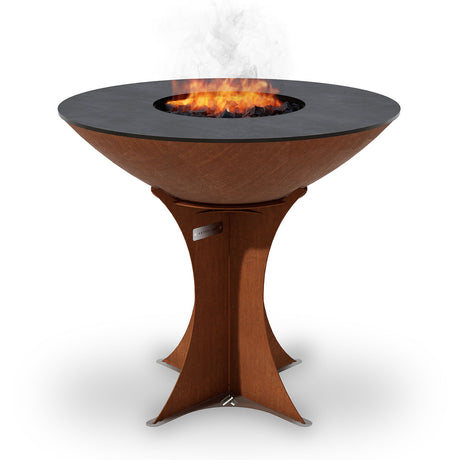
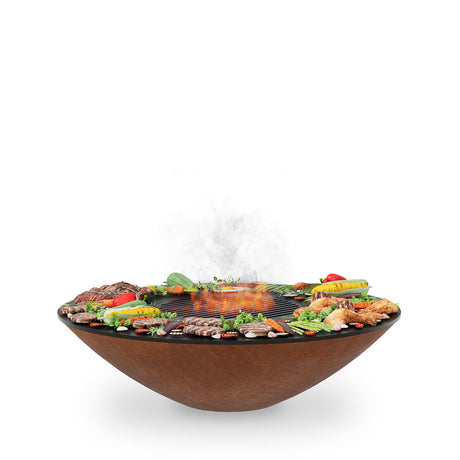
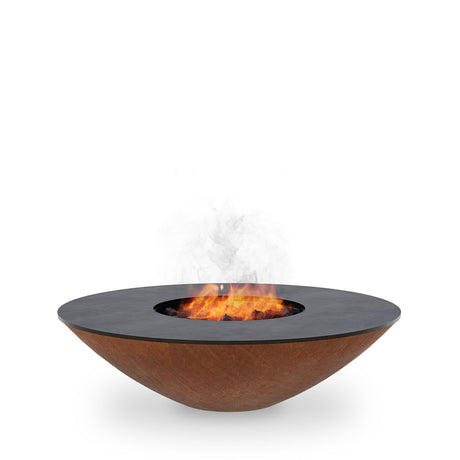
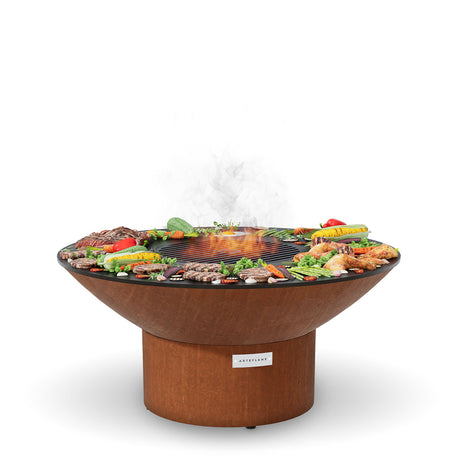
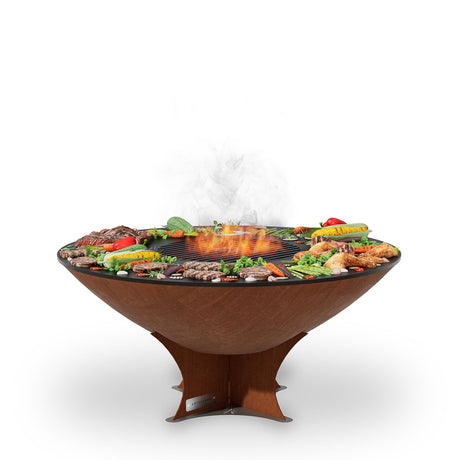
An Arteflame grill, or similar flat-top plancha, solves this by providing a solid cooking surface. When you grill a Ribeye or Porterhouse on seasoned carbon steel, the fat renders out but stays on the surface. essentially shallow-frying the steak in its own juices. This creates a superior flavor profile and ensures you aren't losing valuable calories to the coals below.
See why a solid surface is the optimized choice for meat-based diets:
| Feature | Traditional Grate Grill | Arteflame (Solid Plancha) |
|---|---|---|
| Fat Retention | Low (Drips away) | High (Cooks in tallow) |
| Sear Quality | Grid marks (Partial sear) | Steakhouse Crust (Full sear) |
| Flare-Ups | Frequent | Zero |
| Flavor Profile | Smoky, potentially dry | Juicy, rich, intense |
| Versatility | Limited (Meat falls through) | High (Eggs, bacon, burgers) |
Pro Tip: Don't throw away the drippings! When cooking on a flat-top grill, use a spatula to guide the rendered fat over the leaner parts of the steak or save it. This "liquid gold" is pure energy for a carnivore dieter.
When you eliminate carbohydrates, you must prioritize fat. Lean cuts like filet mignon are often too dry for a strict carnivore regimen unless heavily supplemented with butter. Focus on cuts with significant intramuscular fat (marbling) and external fat caps.
Absolutely. This is a massive advantage of the Arteflame over a Weber or Kamado. Because the surface is solid, you can cook your entire breakfast—bacon, sunny-side-up eggs, and even burger patties—directly on the grill without needing a cast-iron skillet. This allows you to impart a subtle wood-fired flavor to foods that are usually confined to the kitchen stove.
The goal is a wall-to-wall medium-rare interior with a dark, crusty exterior. The Maillard reaction—the browning of meat that creates distinct flavor compounds—occurs best at temperatures above 300°F (150°C). However, if the heat is too high for too long, you get a gray band of overcooked meat.
Use the distinct heat zones of your grill to control the cook:
Pro Tip: Salt your meat liberally 45 minutes before grilling. This process, known as dry brining, draws moisture to the surface, dissolves the salt, and then reabsorbs it, seasoning the meat deep inside while drying the surface for a better sear.
Hardwood (like oak or hickory) is generally preferred over briquettes. Wood burns cleaner and imparts a natural flavor without the chemical binders often found in cheap charcoal briquettes, keeping your food toxin-free.
Avoid chemical cleaners entirely. For a carbon steel cooktop, simply scrape the food residue into the fire after cooking, pour a little water on the hot surface to steam-clean it, and wipe it down with a paper towel and a light coat of oil.
Tough steak is usually the result of overcooking or failing to rest the meat. Always let your steak rest for at least 8 to 10 minutes after pulling it off the grill; this allows the juices to redistribute throughout the muscle fibers rather than spilling out onto the cutting board.







Turn yesterday's leftover macaroni into today's crispy, golden side dish with this easy wood-fired recipe.

Master this Texas-style open-fire brisket cooked entirely on the Arteflame grill. By searing on the center grate and wrapping to render on the flat top, you get perfectly tender, juicy...

Transform standard thick-cut bacon into a sweet, savory appetizer with a dark stout and brown sugar glaze, perfectly caramelized on a flat-top grill.

Render the perfect crispy skin with these Sichuan Peppercorn Duck Breasts, paired with a smoky, sweet, and spicy charred plum-poblano sauce.

Tender artichoke halves charred over high heat and smothered in rich garlic butter and Parmesan cheese.

Achieve the ultimate crust with this low-and-slow beef brisket recipe, utilizing natural heat zones for a perfect sear and incredibly tender finish.

Transform the trending crispy rice paper dumplings into a wood-fired masterpiece. Cooked on the Arteflame flat steel griddle for a shatteringly crisp crust and savory, high-protein filling.

Elevate albacore tuna with a steakhouse-style bacon wrap and a decadent green peppercorn cream sauce, grilled flawlessly on a flat-top.