
Crisp and Golden Mac and Cheese Cakes on the Grill
Turn yesterday's leftover macaroni into today's crispy, golden side dish with this easy wood-fired recipe.


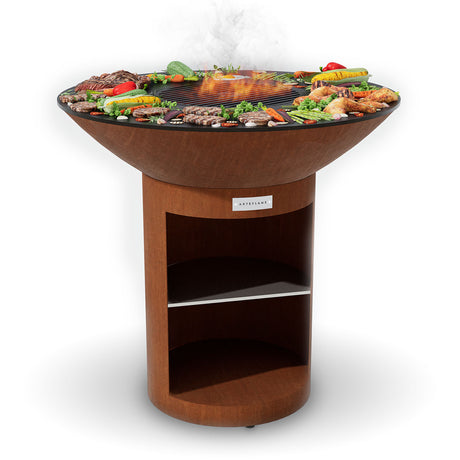
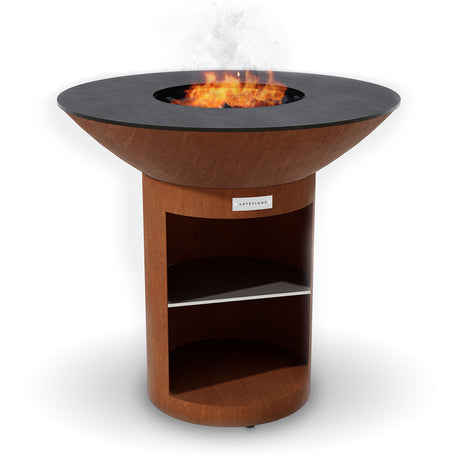
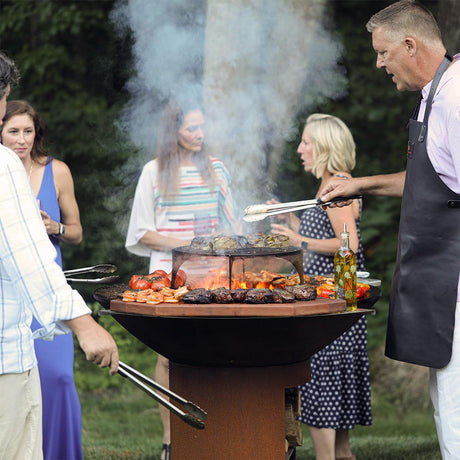
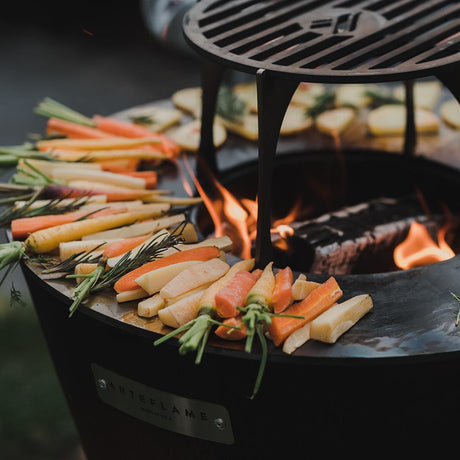
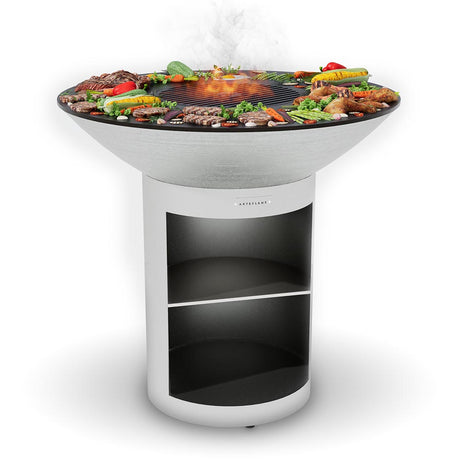
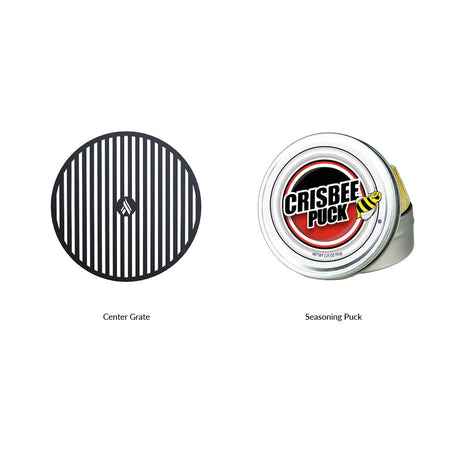
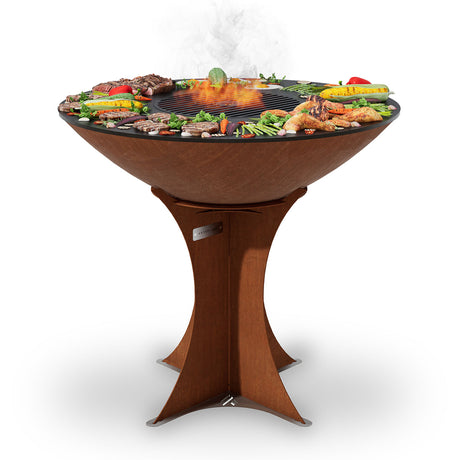
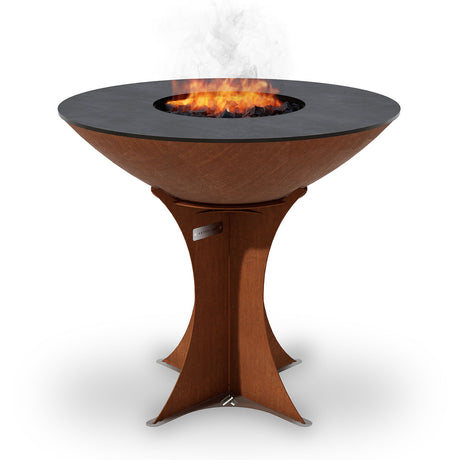
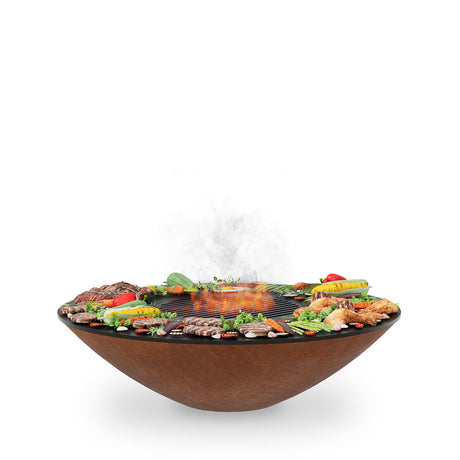
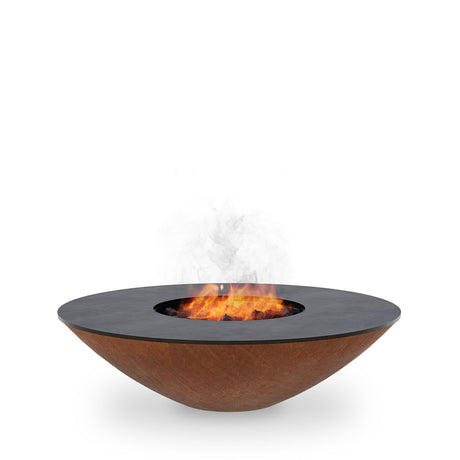
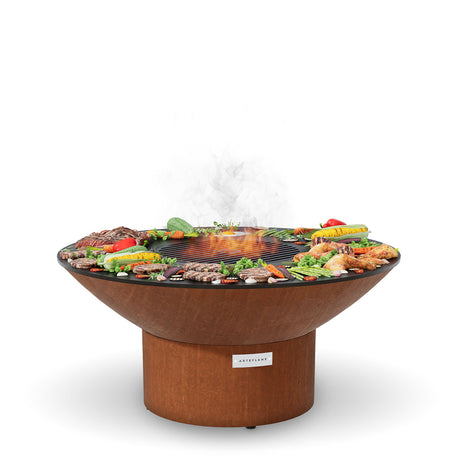
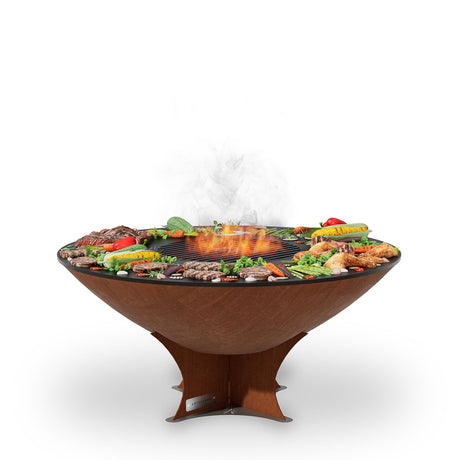
A griddle and grill combination creates the most versatile outdoor kitchen setup by utilizing distinct heat zones. The solid steel griddle plate allows for consistent high-heat searing and delicate vegetable cooking, while the center grill grate provides direct flame access for traditional smoky char. This dual-zone approach eliminates flare-ups and allows you to cook an entire meal—from steaks to eggs—simultaneously on a single unit.
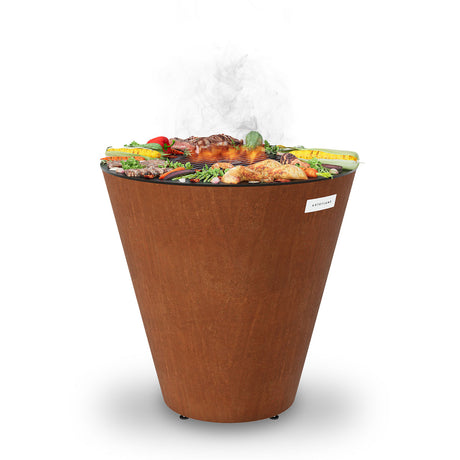
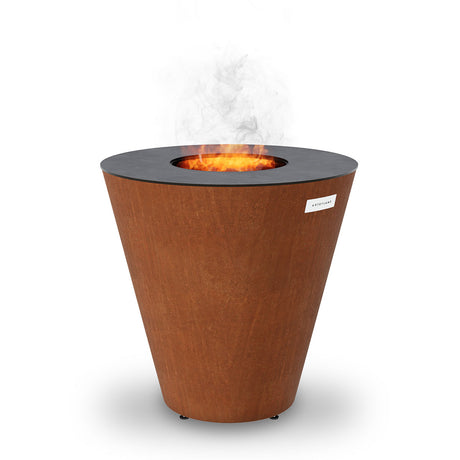
Most outdoor chefs are forced to choose between a gas flat top or a charcoal grate. A combination grill, specifically the Arteflame design, bridges this gap. By using a center fire basket with a surrounding carbon steel cooktop, you achieve Information Gain and flavor profiles that single-method grills cannot replicate. The table below outlines why the combination method is superior for serious cooks.
| Feature | Standard Gas Grill | Charcoal Kettle | Griddle & Grill Combo |
|---|---|---|---|
| Heat Source | Propane/NG | Charcoal Briquettes | Wood or Charcoal |
| Surface Temp | Uniform (mostly) | Hot Center | Multi-Zone (400°F - 1,000°F+) |
| Juice Retention | Low (Drips away) | Medium | High (Cooks in own juices) |
| Versatility | Grilling only | Grilling/Smoking | Searing, Sautéing, Grilling |
| Flare-Ups | Frequent | Frequent | Zero (on griddle surface) |
One of the biggest misconceptions about wood-fired cooking is that it is hard to control. On a circular combination grill, the heat radiates from the center out. This creates a natural thermal gradient that offers more precision than a gas dial.
The center of the cooktop, closest to the fire, is your high-intensity sear zone (often exceeding 600°F). This is where you lock in flavor on steaks or burgers. The outer edges are significantly cooler, perfect for slow-roasting corn, baking potatoes, or keeping food warm without overcooking it.
Pro Tip: Do not adjust the fire to change the temperature; move the food. If a steak is searing too fast, slide it six inches toward the outer edge. This "slide-to-adjust" method gives you instant temperature control that is faster than waiting for a gas burner to cool down.
The solid steel surface functions like a Spanish plancha. Unlike open grates where juices drip onto coals and evaporate (or cause bitter flare-ups), a solid griddle allows meat and vegetables to cook in their own flavorful fats.
The Maillard reaction is the chemical browning of food that creates deep flavor. On a grate, this only happens where the metal touches the meat (grill marks). On a flat steel griddle, the entire surface of the meat makes contact with the heat. This results in an all-over crust that is significantly more flavorful than simple grill stripes.
Pro Tip: Utilize the "Flavor Cascade." Sear your fatty meats (like ribeyes or bacon) near the center first. As the fat renders, scrape those juices toward the middle or outer ring where your vegetables are cooking. This seasons your sides with the savory rendering of the main course.
No, it is similar to caring for a cast iron skillet. After cooking, scrape the residue into the fire, wipe it down with a small amount of oil while it is still warm, and it is ready for the next use. Over time, the steel seasons and becomes black and non-stick.
Yes, starting with a base of lump charcoal helps establish a quick, hot ember bed. You can then add hardwood logs (like oak, hickory, or pecan) to generate the flame and aromatic smoke that flavors the food on the center grill grate.
The cooktop is extremely hot, but the fire bowl and base usually remain cooler than the cooktop itself due to airflow. However, you should always treat the entire unit with caution while a fire is lit and keep children and pets at a safe distance.







Turn yesterday's leftover macaroni into today's crispy, golden side dish with this easy wood-fired recipe.

Master this Texas-style open-fire brisket cooked entirely on the Arteflame grill. By searing on the center grate and wrapping to render on the flat top, you get perfectly tender, juicy...

Transform standard thick-cut bacon into a sweet, savory appetizer with a dark stout and brown sugar glaze, perfectly caramelized on a flat-top grill.

Render the perfect crispy skin with these Sichuan Peppercorn Duck Breasts, paired with a smoky, sweet, and spicy charred plum-poblano sauce.

Tender artichoke halves charred over high heat and smothered in rich garlic butter and Parmesan cheese.

Achieve the ultimate crust with this low-and-slow beef brisket recipe, utilizing natural heat zones for a perfect sear and incredibly tender finish.

Transform the trending crispy rice paper dumplings into a wood-fired masterpiece. Cooked on the Arteflame flat steel griddle for a shatteringly crisp crust and savory, high-protein filling.

Elevate albacore tuna with a steakhouse-style bacon wrap and a decadent green peppercorn cream sauce, grilled flawlessly on a flat-top.