
Crisp and Golden Mac and Cheese Cakes on the Grill
Turn yesterday's leftover macaroni into today's crispy, golden side dish with this easy wood-fired recipe.


Yes, absolutely. Brining chicken before grilling is the single most effective way to guarantee juicy, flavorful meat and crispy skin. Whether you choose a wet brine for moisture infusion or a dry brine for intense flavor concentration, the process breaks down muscle fibers to prevent the meat from drying out over high heat. For most backyard chefs, a dry brine applied 4 to 24 hours in advance yields the superior result: crispy skin and deep flavor with zero mess.
Choosing between wet and dry brining depends on your goals: crispy skin or maximum moisture. Dry brining is generally preferred for high-heat grilling (especially on an Arteflame) because it removes surface moisture, allowing for a better sear.
| Feature | Dry Brining (Salting) | Wet Brining (Submerging) |
|---|---|---|
| Primary Benefit | Intense flavor & crispy skin | Maximum moisture retention |
| Prep Time | 4 to 24 hours | 12 to 24 hours |
| Texture | Firm, meaty, superb sear | Plump, soft, juicy |
| Mess Level | Low (Salt on a rack) | High (Large container of liquid) |
| Best For | Whole birds, skin-on cuts, searing | Lean cuts (breasts), smoking |
Brining relies on salt to denature proteins. When salt interacts with the chicken, it dissolves some of the muscle proteins (primarily myosin). This prevents the muscle fibers from tightening up when cooked.
Tight muscle fibers squeeze out water; relaxed fibers retain it. Whether you use water or just salt, the goal is to introduce salt into the cellular structure of the meat to lock in natural juices during the grilling process.
Pro Tip: For the ultimate crispy skin, leave your dry-brined chicken uncovered in the refrigerator for the last 4-6 hours. This process, called air-drying, creates a pellicle (a dry surface layer) that browns rapidly and crisps up perfectly on the grill.
Dry brining is essentially rubbing salt directly onto the meat. It draws out moisture, which then dissolves the salt and is reabsorbed back into the meat.
If you prefer the wet method, you need a balanced ratio of water to salt to prevent the meat from becoming overly salty.
Pro Tip: When grilling on an Arteflame flat cooktop, pat wet-brined chicken thoroughly dry before placing it on the steel griddle. Any surface water will steam the meat rather than sear it, preventing that delicious Maillard reaction.
Yes, leaving chicken in brine too long results in mushy texture and excessively salty meat. Stick to 1 hour per pound for wet brines and no more than 24 hours for dry brines.
No, do not rinse the chicken. Rinsing spreads bacteria around your sink and softens the skin. For dry brining, the salt is absorbed; for wet brining, simply pat the meat very dry with paper towels.
If done correctly, brining seasons the meat throughout, not just on the surface. It enhances the natural chicken flavor rather than making it taste like pure salt. Avoid using salty rubs after brining.
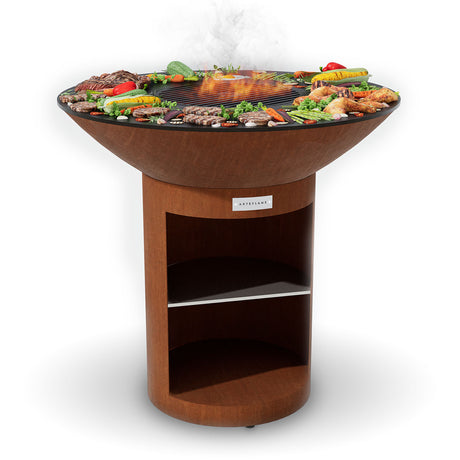


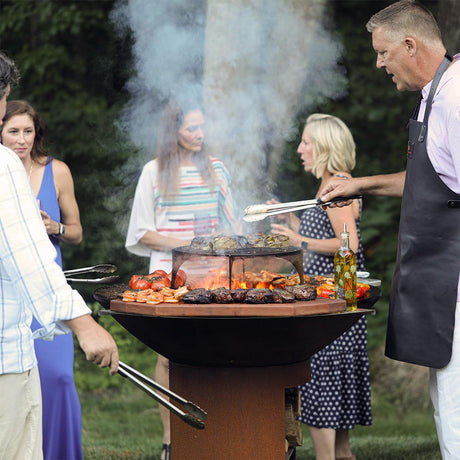
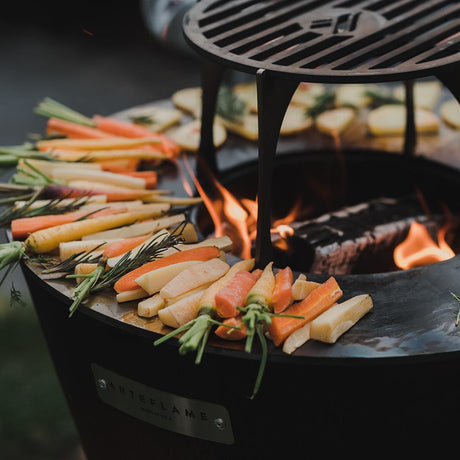

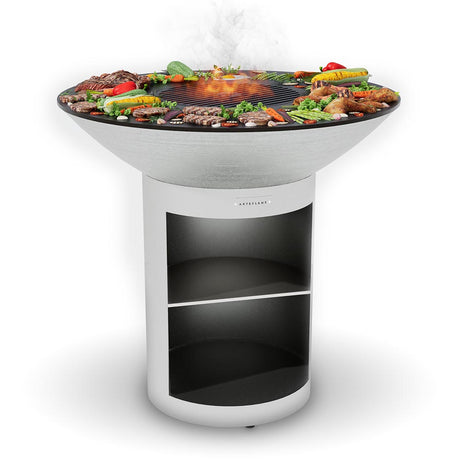







Turn yesterday's leftover macaroni into today's crispy, golden side dish with this easy wood-fired recipe.

Master this Texas-style open-fire brisket cooked entirely on the Arteflame grill. By searing on the center grate and wrapping to render on the flat top, you get perfectly tender, juicy...

Transform standard thick-cut bacon into a sweet, savory appetizer with a dark stout and brown sugar glaze, perfectly caramelized on a flat-top grill.

Render the perfect crispy skin with these Sichuan Peppercorn Duck Breasts, paired with a smoky, sweet, and spicy charred plum-poblano sauce.

Tender artichoke halves charred over high heat and smothered in rich garlic butter and Parmesan cheese.

Achieve the ultimate crust with this low-and-slow beef brisket recipe, utilizing natural heat zones for a perfect sear and incredibly tender finish.

Transform the trending crispy rice paper dumplings into a wood-fired masterpiece. Cooked on the Arteflame flat steel griddle for a shatteringly crisp crust and savory, high-protein filling.

Elevate albacore tuna with a steakhouse-style bacon wrap and a decadent green peppercorn cream sauce, grilled flawlessly on a flat-top.