
Crisp and Golden Mac and Cheese Cakes on the Grill
Turn yesterday's leftover macaroni into today's crispy, golden side dish with this easy wood-fired recipe.


Suet is the raw, hard, structural fat found specifically around the kidneys and loins of cattle. It has a high melting point but contains impurities and water. Tallow is the result of rendering (melting and straining) suet to remove those impurities. For grilling and seasoning cast iron or carbon steel, Tallow is the superior choice because it is shelf-stable, has a higher smoke point, and provides a clean polymerization layer.
Understanding the physical properties of these fats helps you choose the right one for your culinary needs. Use this table to decide quickly.
| Feature | Beef Suet (Raw) | Beef Tallow (Rendered) |
|---|---|---|
| State | Hard, crumbly, white fat | Smooth, shelf-stable solid/paste |
| Smoke Point | Lower (due to impurities) | High (approx. 400°F - 420°F) |
| Texture | Dry and grainy | Silky and butter-like |
| Best Use | Grinding into burger meat | Seasoning grills, high-heat searing |
| Storage | Must be refrigerated/frozen | Shelf-stable at room temp |
While suet is the raw material, tallow is the refined gold standard for grill maintenance. Because the rendering process removes water and proteins, pure beef tallow is 100% fat. This is critical for the polymerization process—the chemical reaction that turns fat into a hard, non-stick black layer on your grill's cooktop.
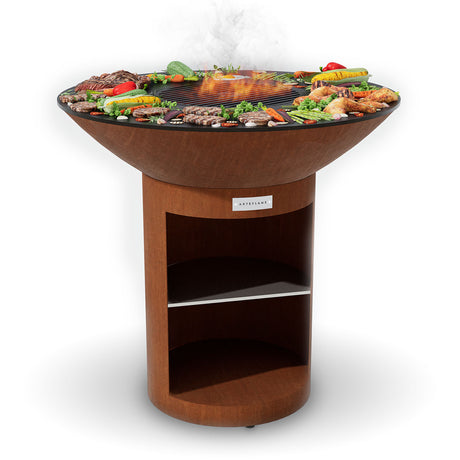
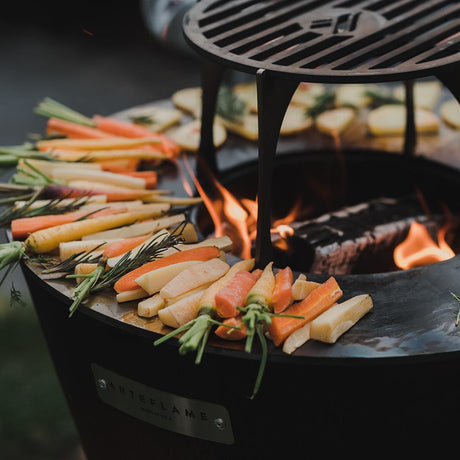
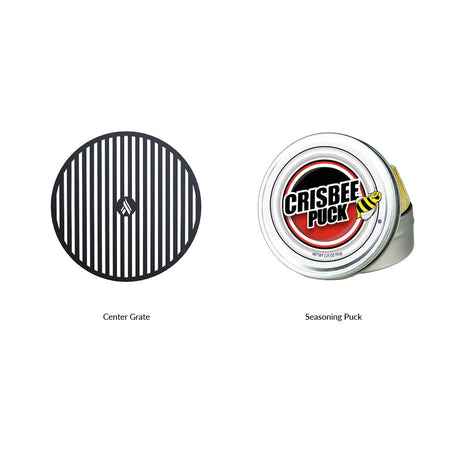
Pro Tip: For the ultimate non-stick surface on an Arteflame or carbon steel pan, apply a thin layer of Beef Tallow while the grill is heating up. Its high smoke point allows it to bond to the metal without burning off into bitter carbon ash immediately.
Tallow boasts a high smoke point of roughly 420°F (215°C). This allows you to sear steaks at high temperatures without generating acrid smoke or burnt flavors. Oils with lower smoke points, like extra virgin olive oil, break down too quickly on a hot grill, ruining the seasoning and the taste of your food.
Raw suet still has a vital place in the kitchen, particularly for adding moisture to lean meats.
Yes. This is the primary use for raw suet. If you are grinding your own burgers or sausages using lean cuts like sirloin or brisket flat, grinding in cold, raw suet adds the necessary fat content to keep the burger juicy. The crumbly texture of suet distributes evenly through the grind, creating pockets of flavor as it melts during the cook.
Historically demonized, animal fats like tallow are making a comeback due to their nutrient density and oxidative stability. Unlike highly processed seed oils (like canola or soybean oil) which can oxidize and become inflammatory at high heat, tallow remains stable.
Pro Tip: Swap out vegetable oil for beef tallow when frying french fries or roasting potatoes on the flat top. The result is a crispier exterior and a significantly richer flavor profile.
If you cannot find pre-made tallow, you can make it at home easily. This process is called "rendering."
Yes, but it is subtle. Tallow has a mild, savory beef flavor. It enhances the natural taste of steaks and burgers but is neutral enough to use for sautéing vegetables without overpowering them.
Rendered tallow is highly stable. It can last up to a year at room temperature if kept in an airtight container (like a mason jar) and even longer if stored in the refrigerator.
You can, but it is not ideal. Raw suet contains water and tissue that will burn and stick to the grill before the fat fully renders out. It is better to melt the suet in a pan first to separate the pure fat (tallow) before applying it to your grill surface.











Turn yesterday's leftover macaroni into today's crispy, golden side dish with this easy wood-fired recipe.

Master this Texas-style open-fire brisket cooked entirely on the Arteflame grill. By searing on the center grate and wrapping to render on the flat top, you get perfectly tender, juicy...

Transform standard thick-cut bacon into a sweet, savory appetizer with a dark stout and brown sugar glaze, perfectly caramelized on a flat-top grill.

Render the perfect crispy skin with these Sichuan Peppercorn Duck Breasts, paired with a smoky, sweet, and spicy charred plum-poblano sauce.

Tender artichoke halves charred over high heat and smothered in rich garlic butter and Parmesan cheese.

Achieve the ultimate crust with this low-and-slow beef brisket recipe, utilizing natural heat zones for a perfect sear and incredibly tender finish.

Transform the trending crispy rice paper dumplings into a wood-fired masterpiece. Cooked on the Arteflame flat steel griddle for a shatteringly crisp crust and savory, high-protein filling.

Elevate albacore tuna with a steakhouse-style bacon wrap and a decadent green peppercorn cream sauce, grilled flawlessly on a flat-top.