
Best Grilled Vegetables: Charred & Crispy Guide | Arteflame
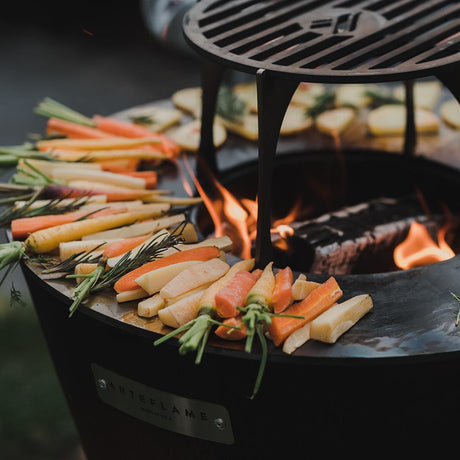
Learn the best veggies for grilling—plus times, temps, and pro tips—optimized for Arteflame heat zones for perfect char and flavor every time.

 4.8
4.8

There is a moment of pure magic when you slice into a perfectly cooked brisket. The knife slides through the dark, mahogany bark like butter, revealing a glistening interior and that signature pink smoke ring. The air smells of rendering beef fat and sweet oak smoke. It is not just dinner; it is a primal experience that connects us to the fire, perfect for a long, lazy weekend gathering where the cooking process is just as enjoyable as the feast itself.
While traditional offset smokers are revered, cooking brisket on the Arteflame creates a unique wood-fired nuance you simply cannot fake. It brings the authentic pitmaster experience right to your backyard. I love this recipe because it strips BBQ down to its essentials: quality beef, coarse pepper, and clean fire. It turns a tough, intimidating cut into succulent gelatin that practically melts on your tongue, ensuring you are the hero of the cookout.
If you do not have pink butcher paper, heavy-duty foil works for the "Texas Crutch," though your bark might be slightly softer. For the binder, if you are out of yellow mustard, a little olive oil, hot sauce, or even water works just fine to help the salt and pepper adhere to the meat.
Cooking a brisket is an exercise in patience, and managing the fire on an Arteflame requires attention. The most common mistake is rushing the process. If the heat gets too high, the muscle fibers will tighten, resulting in tough meat. Use a digital meat thermometer; cooking to temperature is far more accurate than cooking to time. Every cow is different, so the "done" temperature is a guideline—the probe should slide into the meat like it's going into warm butter when it is truly ready.
Additionally, don't throw away your trimmings! The beef fat you trimmed off in Step 1 can be rendered down in a small cast-iron pot right on the plancha while the brisket cooks. This creates liquid gold (beef tallow) that you can pour over the brisket slices before serving for an incredible flavor boost. Always slice only what you intend to serve immediately to prevent the meat from drying out (oxidizing).
While the salt-and-pepper approach is the Texas standard, the Arteflame's versatility allows for creativity. You can adjust the flavor profile to match your personal preference or regional style. Just remember that the smoke and the beef should always be the stars of the show. Here are a few ways to mix it up:
Brisket is a rich, fatty, and savory dish, so it needs sides that provide acidity and texture to cut through the richness. In Central Texas, the sides are often simple, serving as a palate cleanser between bites of smoky beef. You want items that can stand up to the bold flavors without competing with them. Since you have the Arteflame fired up, you can cook many of these sides right on the plancha alongside the meat.
Mastering a Texas-style brisket on the Arteflame is a journey that rewards you with every bite. It is about more than just food; it is about the experience of tending the fire, the anticipation of the long cook, and the communal joy of slicing into that wobbling, perfectly smoked piece of meat. The combination of the open wood fire and the high-quality beef creates a flavor profile that is rugged, honest, and undeniably delicious.
By following these steps and trusting your instincts, you will produce a brisket that rivals the best BBQ joints in the Lone Star State. So, gather your friends, pop open a cold drink, and enjoy the process. Once you nail that perfect smoke ring and juicy bark, you’ll never look at grilling the same way again.

Experience the Arteflame difference — 1,000°F searing, true wood-fired flavor, and a wide cooktop with multiple heat zones all in one beautiful grill. Cook everything at once, control every temperature with ease, and transform every outdoor gathering. Discover how Arteflame elevates the art of grilling.
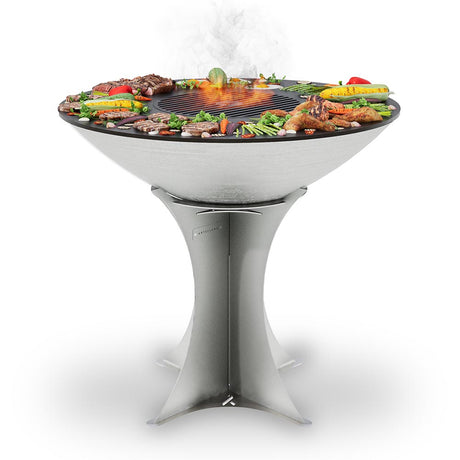

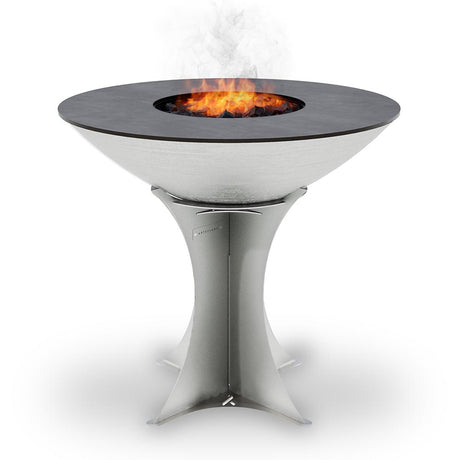


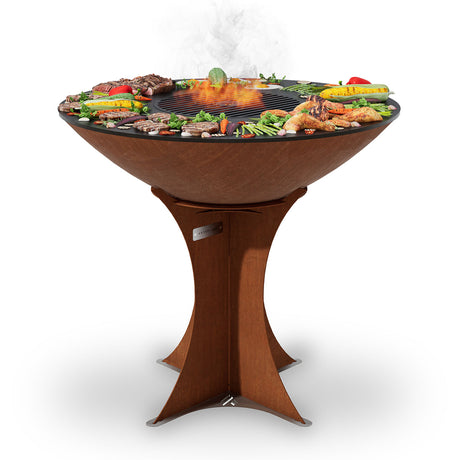
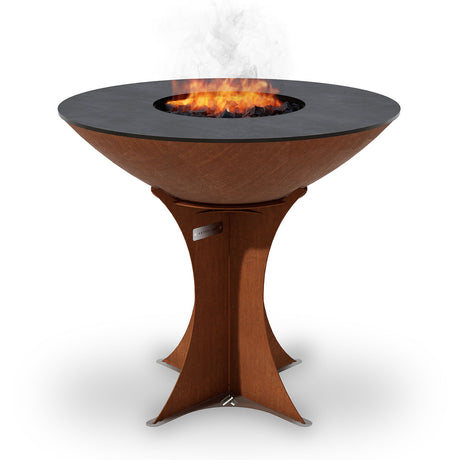


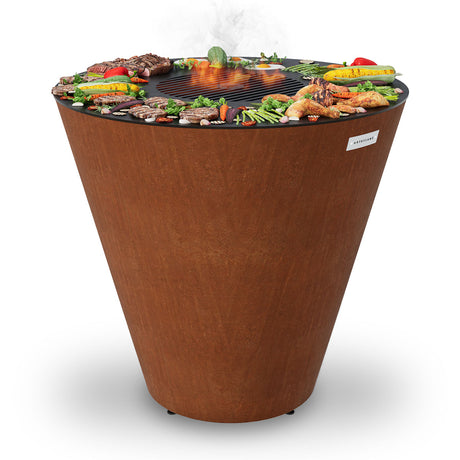


Arteflame One Series 40″ — XXL Flat-Top Charcoal Grill & Fire Bowl (Single-Piece CORTEN Body)
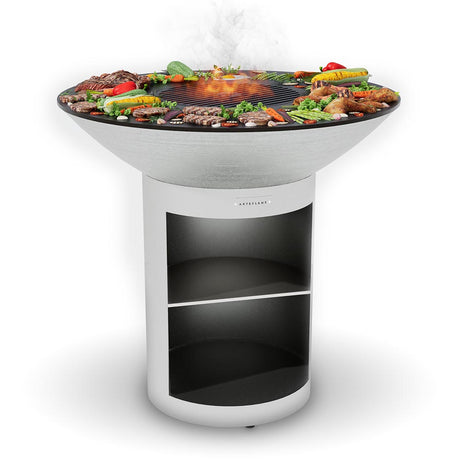
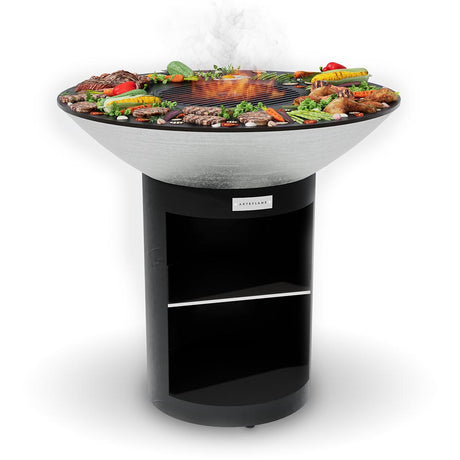
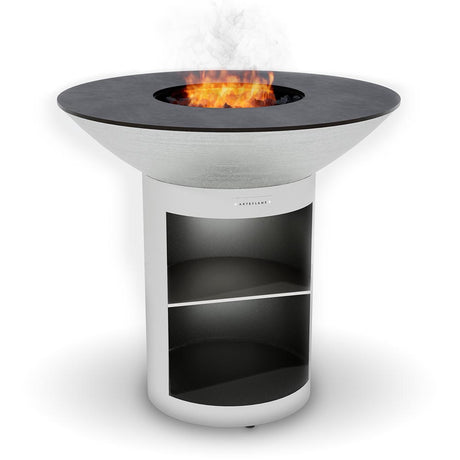


Arteflame 40″ Platinum Series — Stainless Fire Bowl Flat-Top Grill with Storage Base
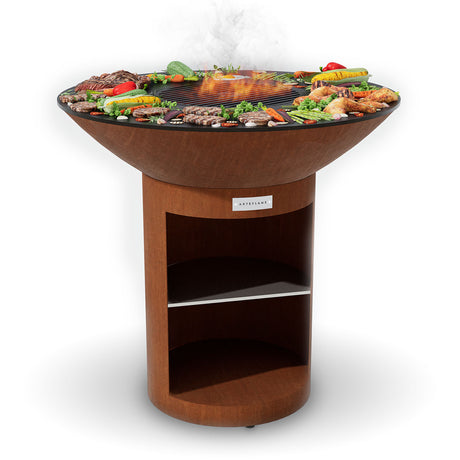
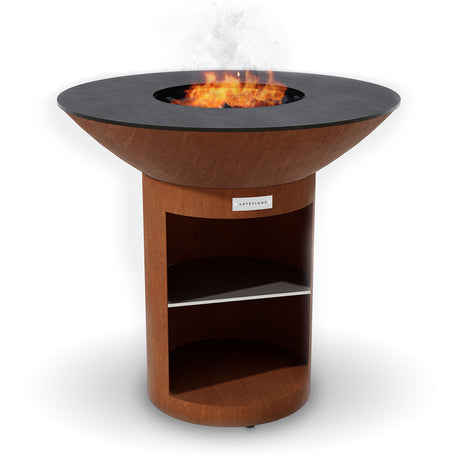
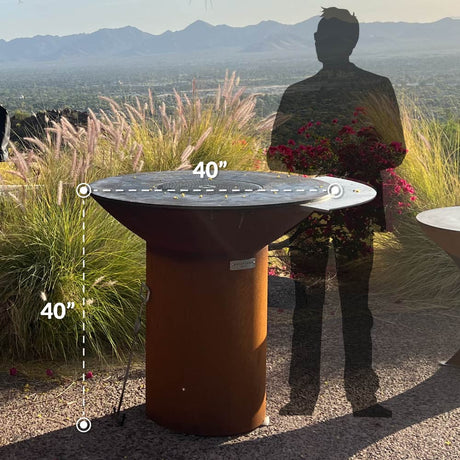
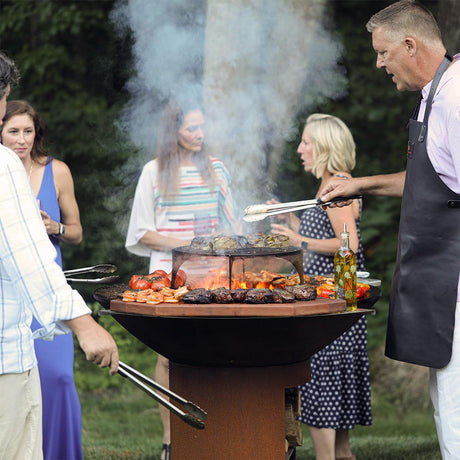
Arteflame Classic 40″ — Storage Base Flat-Top Grill & Fire Bowl (CORTEN Steel)
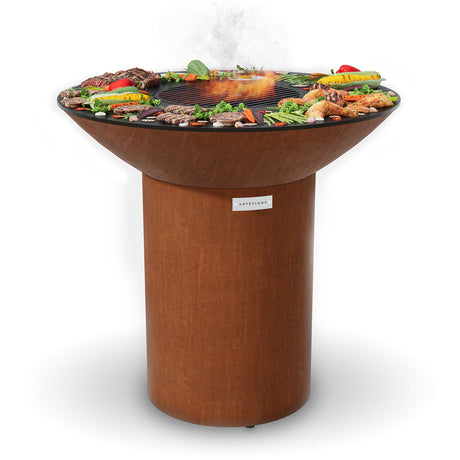
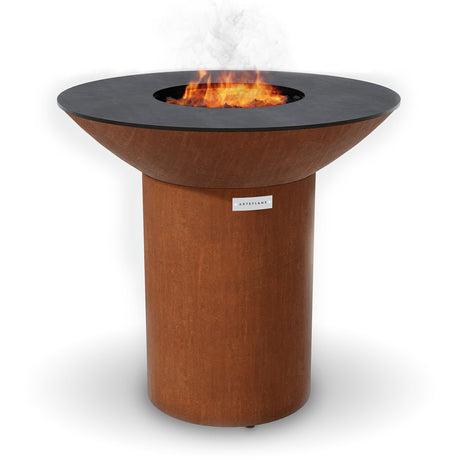
Arteflame Classic 40″ — Round Base Flat-Top Grill & Fire Bowl (CORTEN Steel)
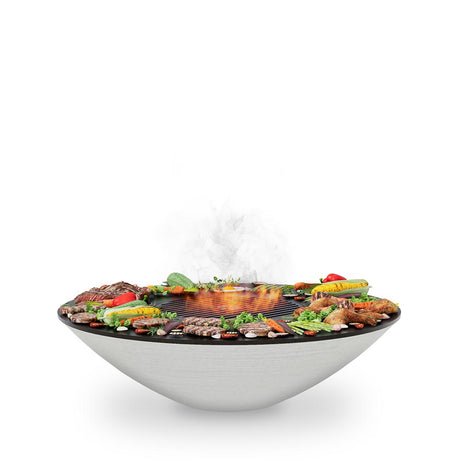
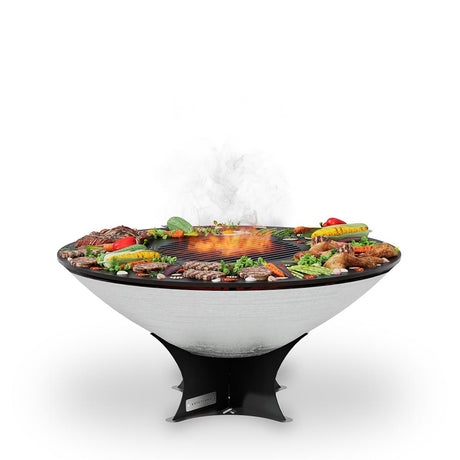
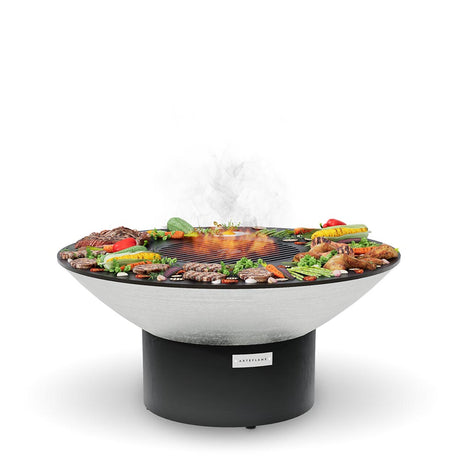
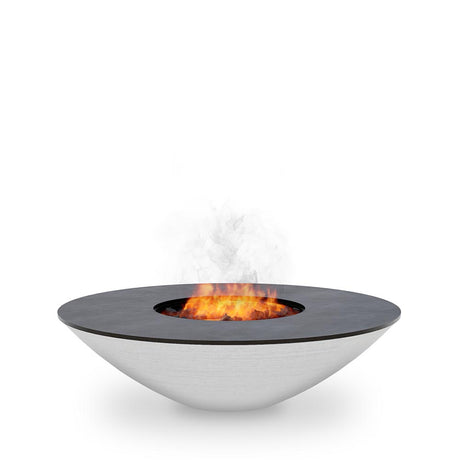
Learn the best veggies for grilling—plus times, temps, and pro tips—optimized for Arteflame heat zones for perfect char and flavor every time.

Transform classic apple pie into a handheld delight with these Wyoming Apple Cinnamon Grilled Dessert Wraps. perfectly crispy, caramelized, and cooked on the Arteflame grill for a smoky finish.

Experience the rustic taste of the West with this Wyoming Campfire Blueberry Cobbler recipe for the Arteflame grill. Featuring bubbling blueberries and a golden biscuit crust cooked in cast iron,...

Experience the rugged flavor of the American West with these Wyoming Wild Boar Chops. Seared to perfection on the Arteflame grill, this recipe uses a savory juniper and sage rub...

Elevate your BBQ with these Wyoming-style grilled carrots. Sweet honey, tangy balsamic, and a perfect char make this the ultimate side dish for your Arteflame grill. Easy, healthy, and packed...

Unleash the flavor of the American West with these tender Wyoming Teriyaki Bison Skewers. Featuring a homemade savory-sweet glaze and perfectly charred vegetables, this recipe maximizes the searing power of...

Unlock the savory flavors of the West with this Wyoming-style garlic parmesan grilled mushrooms recipe. Perfectly seared on the Arteflame flat top, these buttery, cheesy mushrooms make the ultimate side...

Unlock the bold flavors of the West with this Wyoming-style grilled jalapeño cheddar sausage recipe. Learn how to achieve the perfect sear and juicy interior using your Arteflame grill for...