
Crisp and Golden Mac and Cheese Cakes on the Grill
Turn yesterday's leftover macaroni into today's crispy, golden side dish with this easy wood-fired recipe.


Imagine the scent of hickory smoke drifting through the evening air as the skin of fresh trout sizzles on hot steel. This dish captures the very essence of outdoor dining—rustic, primal, yet undeniably elegant. The contrast between the shatteringly crisp skin and the tender, flaky pink flesh inside is a textural masterpiece that simply cannot be replicated in a standard indoor oven. Whether you are lakeside or just in your backyard, this recipe brings a gourmet touch to the open fire experience.
Cooking whole fish can often feel intimidating, but the Arteflame’s solid steel cooktop changes the game completely. It allows you to get an aggressive sear without the fear of the delicate meat falling through traditional grates. This is the perfect centerpiece meal that looks incredibly impressive for dinner parties but actually requires minimal prep time. The natural sweetness of the Idaho Red Trout pairs beautifully with the savory, smoky infusion from the wood fire, letting fresh ingredients do the heavy lifting.
If you cannot find Idaho Red Trout, Arctic Char or whole Branzino are excellent alternatives that handle high heat well. For the aromatics, feel free to swap the lemon for orange slices for a sweeter profile, or trade the dill for fresh thyme to add more earthiness to the dish.
Cooking whole fish can be intimidating, but a few simple tricks ensure perfection every time. First, temperature control is vital. On an Arteflame, the heat radiates outward from the center. If your fire is roaring, move the fish further toward the outer edge of the cooktop to prevent the skin from burning before the inside is cooked. Conversely, if you need a harder sear, inch it closer to the center. Secondly, patience is your best friend when grilling fish. When you first place the trout on the steel, the proteins will bond to the metal. As the skin crisps and caramelizes, it will naturally release. If you feel resistance when trying to slide a spatula under it, give it another minute. Finally, using plenty of oil on both the fish and the cooktop is essential for that signature crispy skin that makes this dish so delightful.
While the classic lemon and herb profile is a crowd-pleaser, Idaho Red Trout is a versatile canvas that pairs well with various flavor profiles. You can easily adapt this recipe to suit your mood or the season. If you are looking to experiment, try changing up the stuffing or the rub. The Arteflame’s versatility handles wet marinades and dry rubs equally well, so don’t be afraid to get creative with sauces or glazes near the end of the cooking process. Here are a few distinct variations to try:
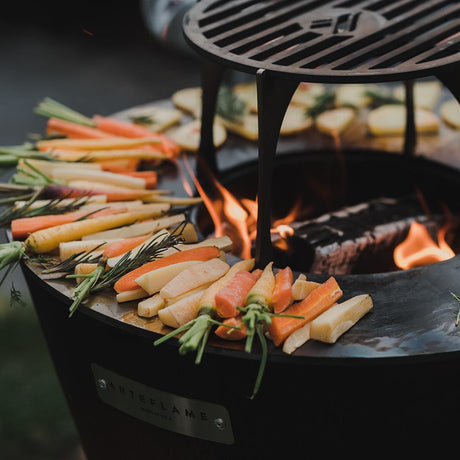
To create a balanced meal, you want sides that complement the richness of the smoked trout without overpowering its delicate flavor. Since you already have the Arteflame fired up, it makes sense to cook your side dishes right alongside the fish. The flat top is excellent for roasting vegetables while the fish cooks. Think about textures and acidity; a crisp salad or roasted greens cut through the buttery nature of the trout. For beverages, you generally want something light and refreshing that cleanses the palate. Here are some excellent pairing options to round out your wood-fired feast:
Mastering Smoked Idaho Red Trout on the Arteflame grill is a rewarding experience that connects you with the essence of outdoor cooking. It’s more than just a recipe; it is about the ritual of building the fire, the aroma of sizzling herbs, and the joy of sharing a meal that feels both primal and elegant. The flat cooktop of the Arteflame solves the common headaches of grilling fish, ensuring you get that restaurant-quality crispy skin every single time. We hope this guide inspires you to grab some fresh trout and fire up the grill this weekend. Once you taste the difference that wood-fired cooking makes for delicate seafood, you might never go back to cooking fish indoors again. Gather your friends, pour some wine, and enjoy the incredible flavors of the great outdoors.

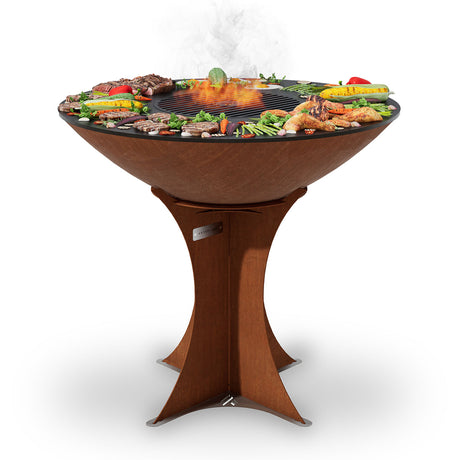
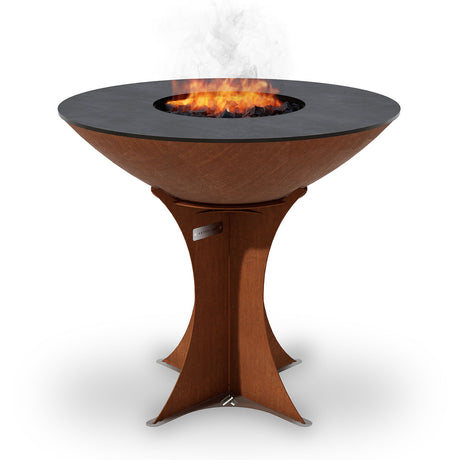
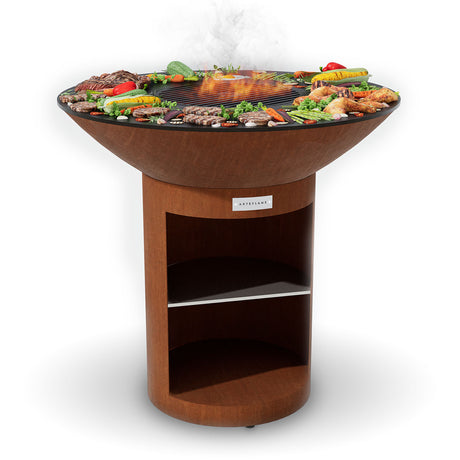
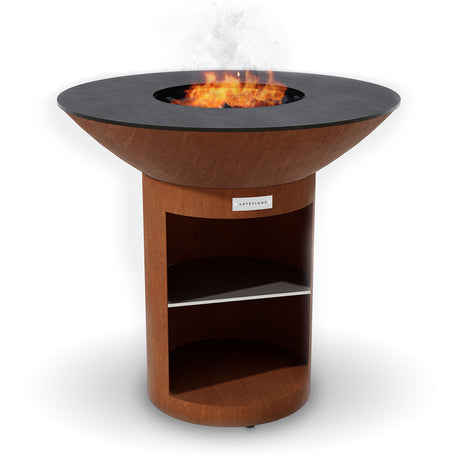
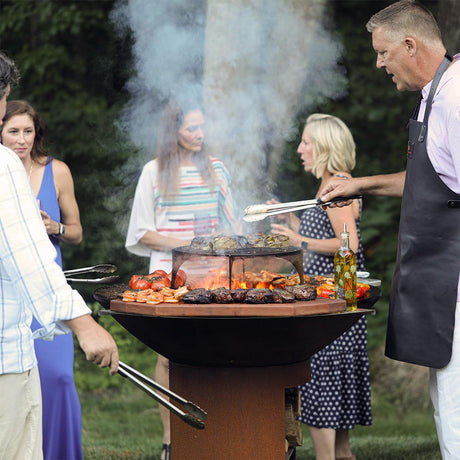
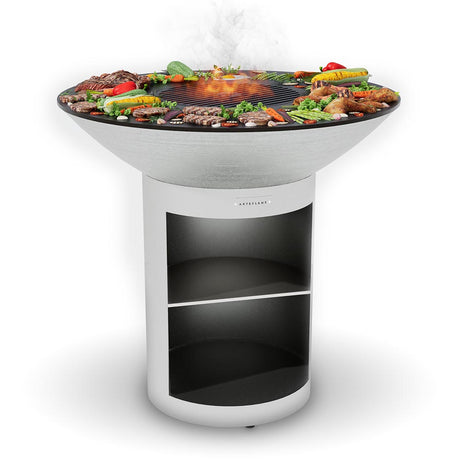
Experience the Arteflame difference — 1,000°F searing, natural wood-fired flavor, and a wide cooktop with multiple heat zones, all in one beautifully designed grill. Cook everything at once, control every temperature with ease, and elevate every outdoor moment. Discover why Arteflame transforms the way you grill.



Turn yesterday's leftover macaroni into today's crispy, golden side dish with this easy wood-fired recipe.

Master this Texas-style open-fire brisket cooked entirely on the Arteflame grill. By searing on the center grate and wrapping to render on the flat top, you get perfectly tender, juicy...

Transform standard thick-cut bacon into a sweet, savory appetizer with a dark stout and brown sugar glaze, perfectly caramelized on a flat-top grill.

Render the perfect crispy skin with these Sichuan Peppercorn Duck Breasts, paired with a smoky, sweet, and spicy charred plum-poblano sauce.

Tender artichoke halves charred over high heat and smothered in rich garlic butter and Parmesan cheese.

Achieve the ultimate crust with this low-and-slow beef brisket recipe, utilizing natural heat zones for a perfect sear and incredibly tender finish.

Transform the trending crispy rice paper dumplings into a wood-fired masterpiece. Cooked on the Arteflame flat steel griddle for a shatteringly crisp crust and savory, high-protein filling.

Elevate albacore tuna with a steakhouse-style bacon wrap and a decadent green peppercorn cream sauce, grilled flawlessly on a flat-top.
Inspired to Grill?
Love it? Tell us — rate this recipe in 2 seconds. Tap a star below.