
Crisp and Golden Mac and Cheese Cakes on the Grill
Turn yesterday's leftover macaroni into today's crispy, golden side dish with this easy wood-fired recipe.


Imagine the scent of sweet applewood smoke drifting through the air, mixing with the savory aroma of roasting pork. There is a primal satisfaction in pulling apart a rib that is tender enough to yield to a gentle bite yet firm enough to stay on the bone. This recipe captures the essence of the Pacific Northwest, balancing the richness of pork with the subtle sweetness of apples. It is the kind of meal that demands messy fingers and creates lasting memories around the fire.
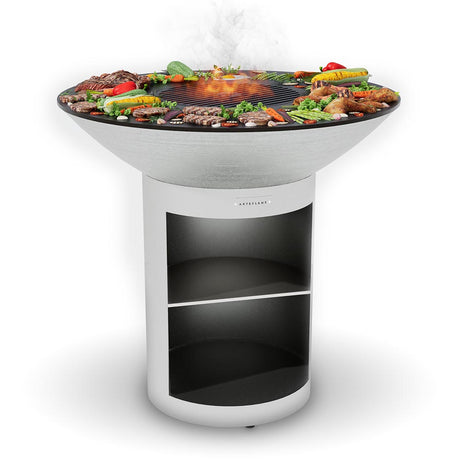
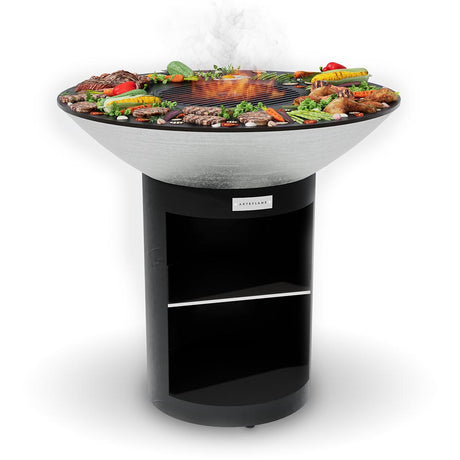
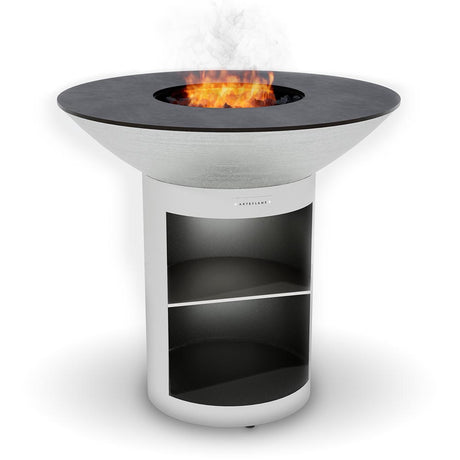
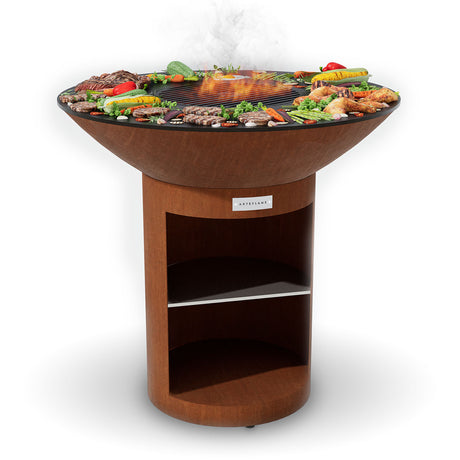
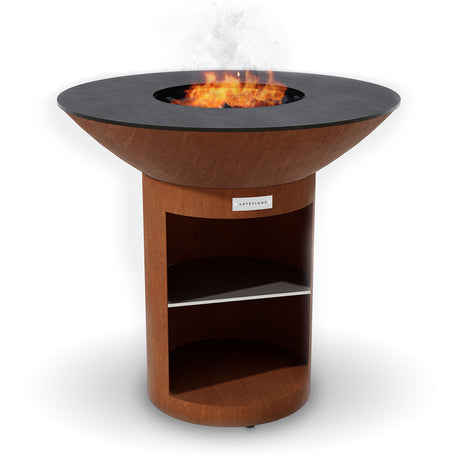
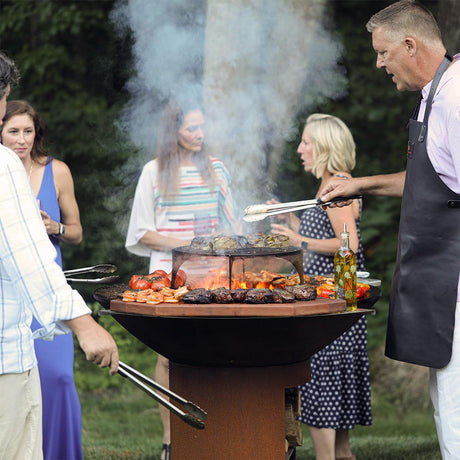
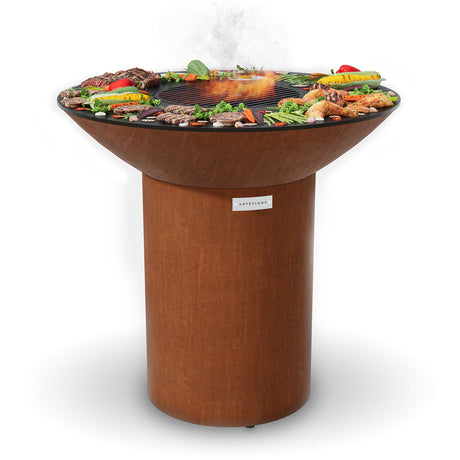
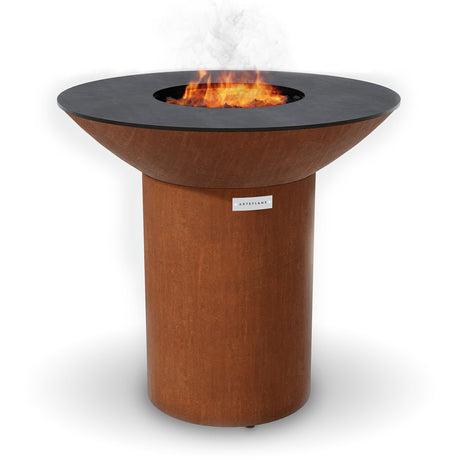
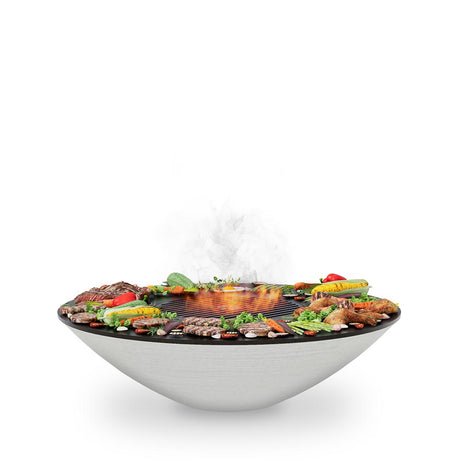
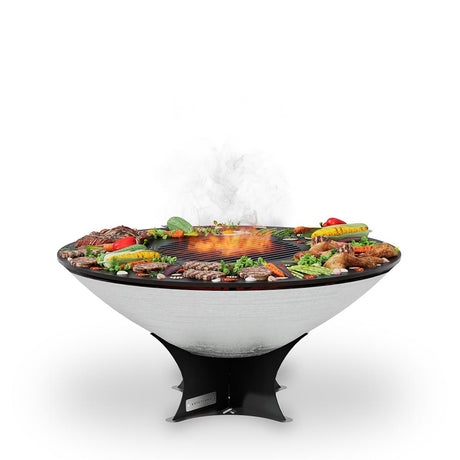
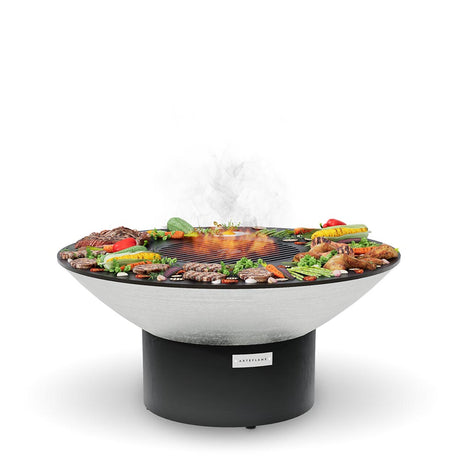
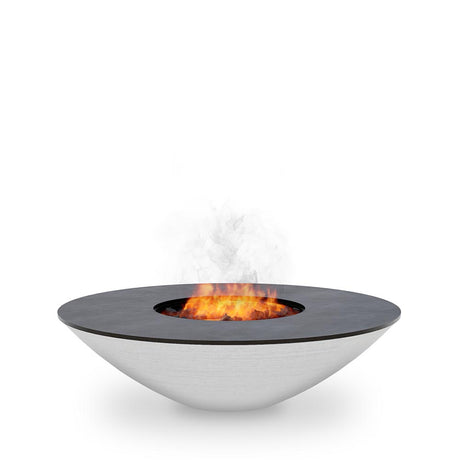
What makes this recipe a true winner is how it leverages the Arteflame grill. Unlike a standard smoker that only provides indirect heat, this method gives you the best of both worlds: a slow, smoky infusion and a crave-worthy, caramelized sear from the carbon steel cooktop. It produces a complex flavor profile—savory, sweet, and perfectly charred—that traditional ovens simply cannot replicate.
If you cannot find Oregon Applewood Smoked Sea Salt, do not worry. A high-quality coarse Kosher salt works perfectly fine; just add a pinch of smoked paprika to the rub to mimic that campfire depth. Additionally, if you prefer less sweetness, swap the apple juice in the glaze for a savory beef stock or a splash of amber beer.
Mastering ribs on the Arteflame requires managing the heat zones effectively. Because the flat top gets hotter as you move toward the center, you have total control over the cooking speed. For the initial cooking phase, keep the ribs on the outer perimeter to ensure they cook through without burning. If you are using wood chunks for smoke, ensure they are smoldering rather than flaming to avoid a bitter taste. Spritzing is key; the sugar in the apple juice helps build a beautiful bark, while the vinegar breaks down fibers. Finally, patience is the most critical ingredient. Don't rush the process; let the low heat render the fat slowly for the juiciest results.
While the classic Oregon Applewood profile is sweet and smoky, you can easily tweak this recipe to suit different palates. The Arteflame is versatile enough to handle various flavor profiles, from spicy to savory. Experimenting with the rub and the glaze is the easiest way to customize your ribs. Remember that sugar-heavy rubs burn faster, so if you choose a sweeter variation, keep the ribs further from the center fire until the very end. Here are a few distinct twists you can try using the same basic cooking method.
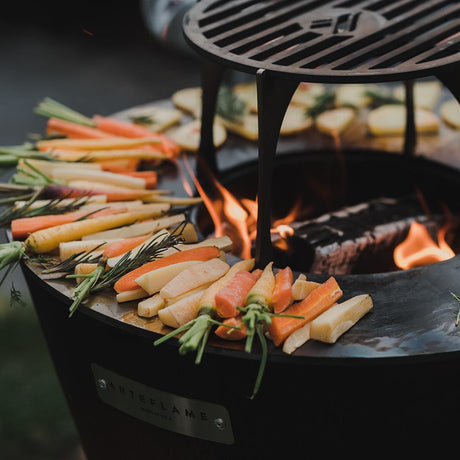
To create a balanced meal, you need sides that can stand up to the rich, smoky flavor of the pork ribs without overpowering them. Since you already have the Arteflame fired up, it makes sense to utilize the griddle space for your side dishes as well. Fresh vegetables with a bit of char are excellent for cutting through the fat of the ribs. Acidic or creamy sides also work wonders to cleanse the palate between bites. The goal is to create a plate where every element complements the sweet and savory notes of the applewood smoke.
Cooking these Oregon Applewood Smoked Pork Ribs on the Arteflame is more than just preparing dinner; it is an immersive outdoor experience. The combination of the crackling fire, the aroma of applewood, and the sizzling sear on the carbon steel creates a sensory delight that traditional ovens simply cannot match. By following this method, you achieve the best of both worlds: the tender texture of slow-smoked barbecue and the delicious, caramelized finish of a high-heat grill. Gather your friends and family, pour some drinks, and enjoy the process. These ribs are guaranteed to be a conversation starter and a recipe you will return to time and time again.

Experience the Arteflame difference — 1,000°F searing, true wood-fired flavor, and a wide cooktop with multiple heat zones all in one beautiful grill. Cook everything at once, control every temperature with ease, and transform every outdoor gathering. Discover how Arteflame elevates the art of grilling.








Turn yesterday's leftover macaroni into today's crispy, golden side dish with this easy wood-fired recipe.

Master this Texas-style open-fire brisket cooked entirely on the Arteflame grill. By searing on the center grate and wrapping to render on the flat top, you get perfectly tender, juicy...

Transform standard thick-cut bacon into a sweet, savory appetizer with a dark stout and brown sugar glaze, perfectly caramelized on a flat-top grill.

Render the perfect crispy skin with these Sichuan Peppercorn Duck Breasts, paired with a smoky, sweet, and spicy charred plum-poblano sauce.

Tender artichoke halves charred over high heat and smothered in rich garlic butter and Parmesan cheese.

Achieve the ultimate crust with this low-and-slow beef brisket recipe, utilizing natural heat zones for a perfect sear and incredibly tender finish.

Transform the trending crispy rice paper dumplings into a wood-fired masterpiece. Cooked on the Arteflame flat steel griddle for a shatteringly crisp crust and savory, high-protein filling.

Elevate albacore tuna with a steakhouse-style bacon wrap and a decadent green peppercorn cream sauce, grilled flawlessly on a flat-top.
Inspired to Grill?
Love it? Tell us — rate this recipe in 2 seconds. Tap a star below.