
Crisp and Golden Mac and Cheese Cakes on the Grill
Turn yesterday's leftover macaroni into today's crispy, golden side dish with this easy wood-fired recipe.


There is something almost spiritual about the smell of hickory smoke mingling with the sharp tang of vinegar on a slow weekend afternoon. This North Carolina pulled pork delivers a sensory experience like no other: the dark, crispy bark gives way to meat so tender it falls apart at a touch, while the peppery vinegar sauce cuts right through the richness. It is the kind of meal that brings back memories of backyard gatherings where the food is messy, the laughter is loud, and the plates are always clean.
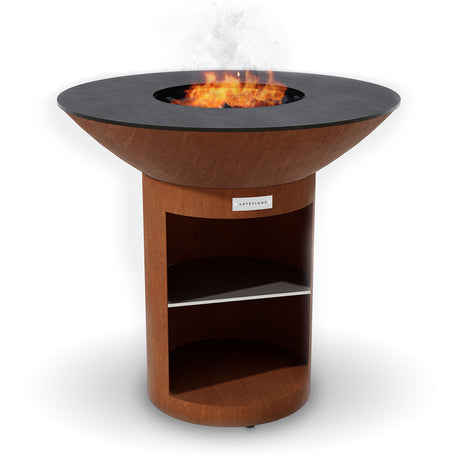
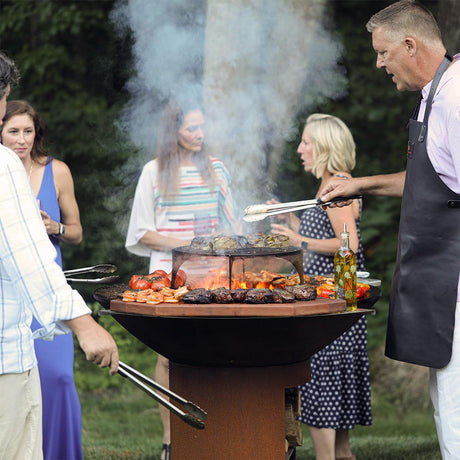
Unlike heavy, molasses-based sweet BBQs, this Eastern North Carolina style celebrates the pork itself. The acidity of the sauce perfectly balances the fatty richness of the shoulder, making it impossible to stop eating. Cooking this on the Arteflame grill adds a distinct wood-fired dimension and allows for precise temperature management that turns a humble cut of meat into a masterpiece.
If you prefer a milder heat, you can reduce the red pepper flakes or swap the hot sauce for a dash of sweet paprika. For a gluten-free binder, simply ensure your yellow mustard and spice blend are certified gluten-free.
The secret to world-class pulled pork lies in patience and temperature control. Never rush the process by cranking up the heat; high heat will dry out the outer layers before the collagen inside has melted into gelatin. When using the Arteflame, managing your fire is key. Keep a consistent supply of wood or coals to maintain heat without creating massive flare-ups that could char the meat. The distinct flavor of North Carolina BBQ comes from the vinegar sauce interacting with the rendered fat, so do not skimp on the sauce during the final tossing phase.
Additionally, resting the meat is non-negotiable. When you pull the pork off the grill, the internal juices are turbulent. Resting allows the fibers to relax and reabsorb that liquid gold. If you cut or pull it too soon, the juice runs onto the cutting board, leaving you with dry meat. Always use a high-quality instant-read thermometer to eliminate guesswork—cooking to temperature, not time, ensures consistent results every cook.
While this recipe follows the Eastern North Carolina tradition (vinegar and pepper based), BBQ is a regional religion with many sects. You can easily adapt this foundation to suit different palate preferences without changing the cooking method. The beauty of the Arteflame is its versatility, allowing you to experiment with different wood smoke profiles or sauce finishes. Here are a few ways to mix it up:
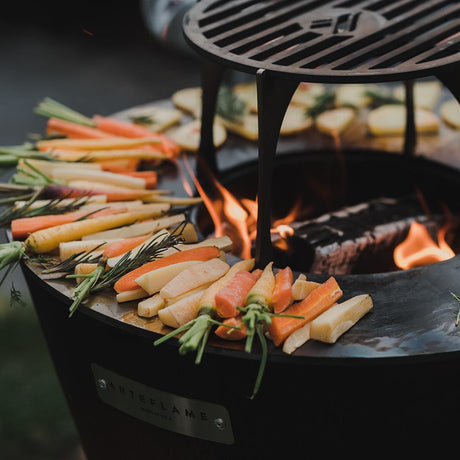
North Carolina pulled pork is rich, savory, and tangy, requiring sides that can stand up to its bold flavors or provide a refreshing contrast. The traditional plate usually involves textures that complement the tenderness of the pork. Because you are cooking on an Arteflame, you can easily prepare many of these sides right on the flat cooktop while the meat is resting, utilizing the residual heat and flavor.
Mastering North Carolina pulled pork on the Arteflame grill is a rewarding experience that pays off in incredible flavor and backyard bragging rights. This recipe connects you to the roots of American barbecue, celebrating the magic that happens when smoke, meat, and time collide. The vinegar sauce provides that signature zing that keeps your guests coming back for second and third helpings, ensuring no leftovers remain.
We hope this guide inspires you to fire up your grill and embrace the slow-cooking lifestyle. There is a primal satisfaction in pulling a clean bone from a perfectly cooked pork butt that simply cannot be replicated in an oven. Gather your friends, pour the sweet tea, and enjoy the authentic taste of the South right in your own backyard.

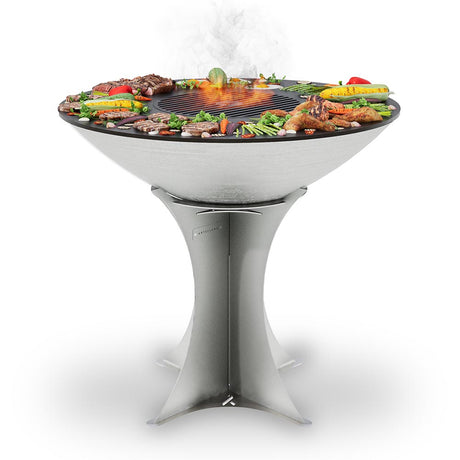
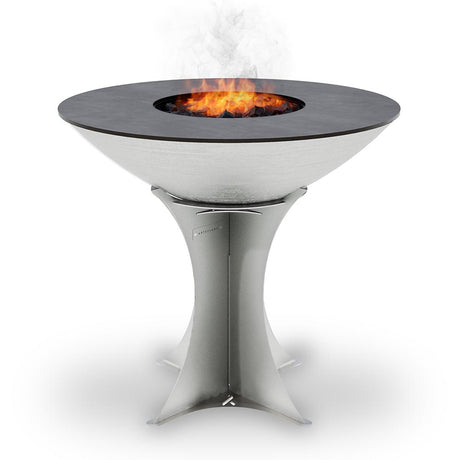
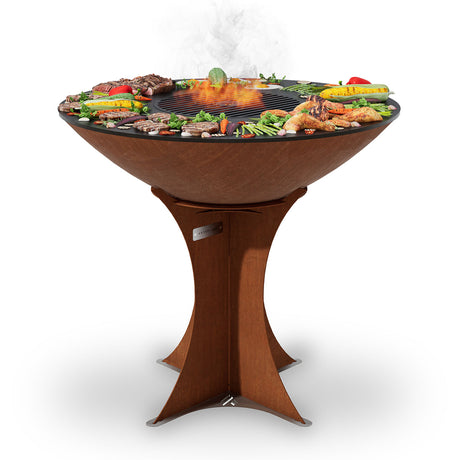
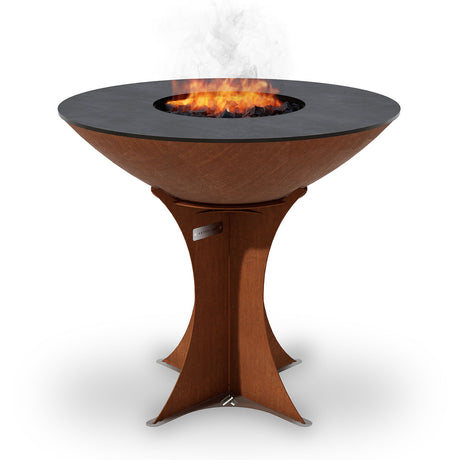
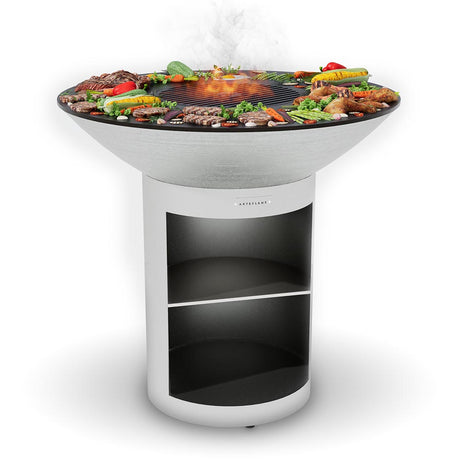
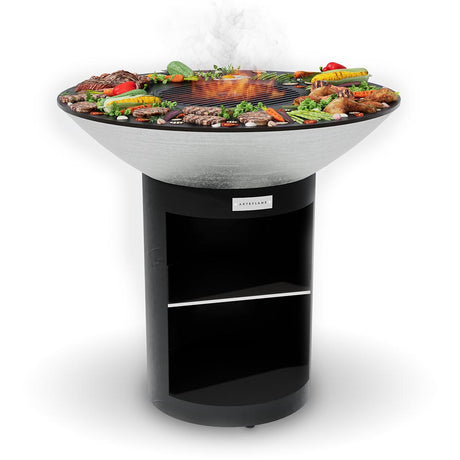
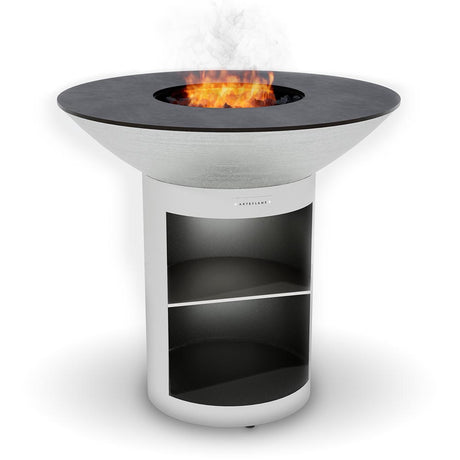
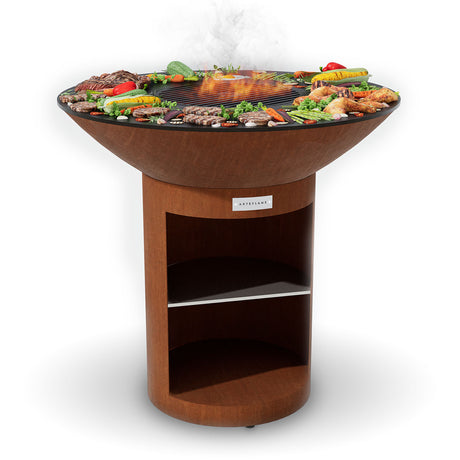
Experience the Arteflame difference — 1,000°F searing, multiple heat zones, and true wood-fired flavor in one striking grill. Cook everything at once with total temperature control and enjoy a more intentional, elevated outdoor cooking experience. Discover why an Arteflame isn’t just a grill — it transforms the way you cook.










Turn yesterday's leftover macaroni into today's crispy, golden side dish with this easy wood-fired recipe.

Master this Texas-style open-fire brisket cooked entirely on the Arteflame grill. By searing on the center grate and wrapping to render on the flat top, you get perfectly tender, juicy...

Transform standard thick-cut bacon into a sweet, savory appetizer with a dark stout and brown sugar glaze, perfectly caramelized on a flat-top grill.

Render the perfect crispy skin with these Sichuan Peppercorn Duck Breasts, paired with a smoky, sweet, and spicy charred plum-poblano sauce.

Tender artichoke halves charred over high heat and smothered in rich garlic butter and Parmesan cheese.

Achieve the ultimate crust with this low-and-slow beef brisket recipe, utilizing natural heat zones for a perfect sear and incredibly tender finish.

Transform the trending crispy rice paper dumplings into a wood-fired masterpiece. Cooked on the Arteflame flat steel griddle for a shatteringly crisp crust and savory, high-protein filling.

Elevate albacore tuna with a steakhouse-style bacon wrap and a decadent green peppercorn cream sauce, grilled flawlessly on a flat-top.
Inspired to Grill?
Love it? Tell us — rate this recipe in 2 seconds. Tap a star below.