
Crisp and Golden Mac and Cheese Cakes on the Grill
Turn yesterday's leftover macaroni into today's crispy, golden side dish with this easy wood-fired recipe.


Imagine the scent of wood smoke mingling with fresh rosemary and garlic, evoking memories of crisp evenings spent by a campfire in the Rockies. This Montana Grilled Elk Tenderloin is more than just a meal; it is a sensory experience. The meat is incredibly lean, yet when seared perfectly on the Arteflame, it develops a caramelized crust that gives way to a butter-soft, rosy interior. It is the kind of rustic elegance that turns a backyard barbecue into a special occasion.
I adore this recipe because it respects the ingredient. Elk is leaner than beef, meaning it has a cleaner flavor but requires care. The savory soy and balsamic marinade does double duty here—adding deep umami notes while ensuring the meat stays tender. Plus, cooking on the solid steel cooktop prevents the dreaded flare-ups that often ruin game meat, giving you a restaurant-quality sear every single time without the stress.
If you didn't have luck on the hunt this year, don't worry. This marinade works wonders on a beef tenderloin or even a thick-cut venison backstrap. For a gluten-free option, simply swap the soy sauce for tamari or coconut aminos.
Cooking wild game is an art form that relies heavily on temperature control. The biggest mistake people make with elk is overcooking it. Unlike a fatty ribeye, elk has no fat to render out and keep it moist; once the water evaporates, the meat creates a tough, dry texture. Use a high-quality digital meat thermometer to pull the meat off the heat exactly when it hits 125°F. Remember that the temperature will rise another 5 degrees while resting (carryover cooking). Additionally, always ensure you have removed the "silver skin" (the white connective tissue) before marinating. Silver skin does not break down during cooking and will cause the meat to curl up and become chewy. Finally, if you are using an open-grate grill instead of a plancha style, watch out for flare-ups from the oil dripping, as carbon soot can overpower the delicate flavor of the game.
While the Montana-style herb marinade is a classic, elk tenderloin is a versatile canvas for various flavor profiles. Depending on the season and your side dishes, you might want to try something different. Here are a few ways to tweak the recipe without losing the integrity of the meat:
To create a truly cohesive Montana dining experience, your side dishes should reflect the rustic nature of the main course. Since elk is lean and savory, it pairs beautifully with sides that offer richness or earthy sweetness. A full-bodied red wine is also non-negotiable for many game enthusiasts; look for something with structure but not too much tannin.
Mastering this Montana Grilled Elk Tenderloin recipe is a feather in the cap of any backyard chef. It honors the animal by preparing it in a way that highlights its natural, clean taste while adding just enough culinary flair to make it a gourmet experience. By using the high heat of the Arteflame for a perfect sear and keeping a close eye on that internal temperature, you transform a wild harvest into a melt-in-your-mouth delicacy. Gather your friends and family around the fire, slice up this tenderloin, and enjoy a taste of the wild that you won't soon forget.

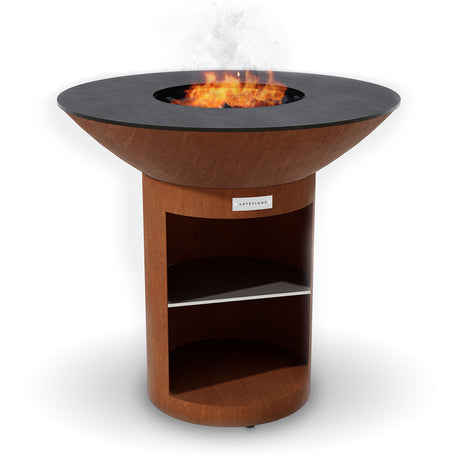
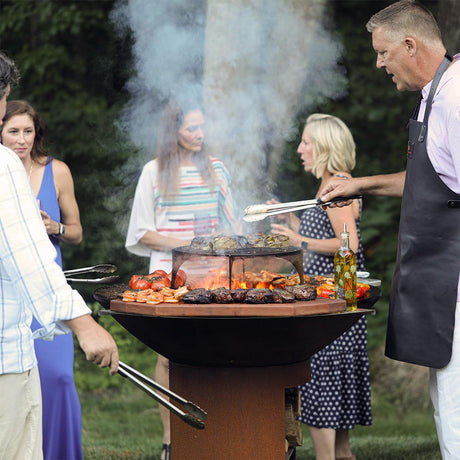
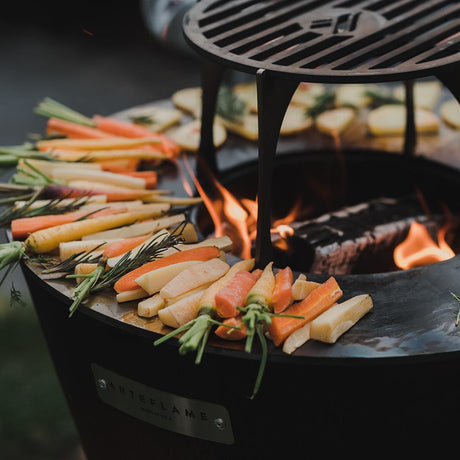
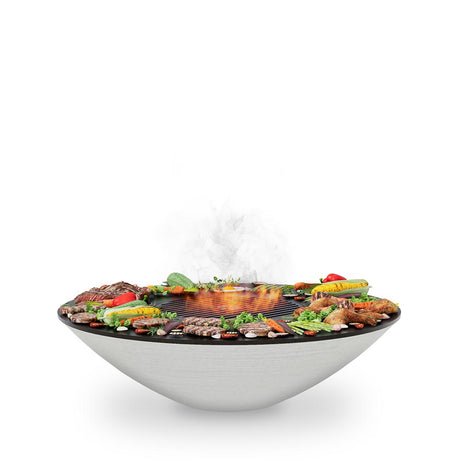
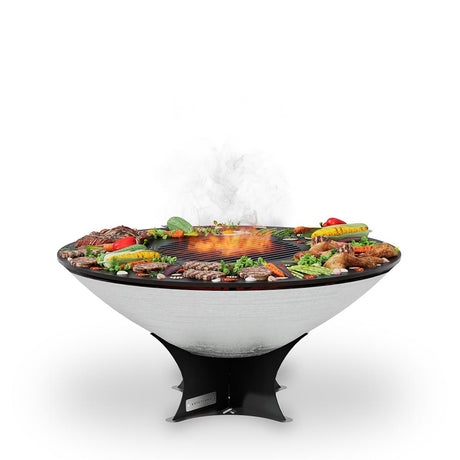
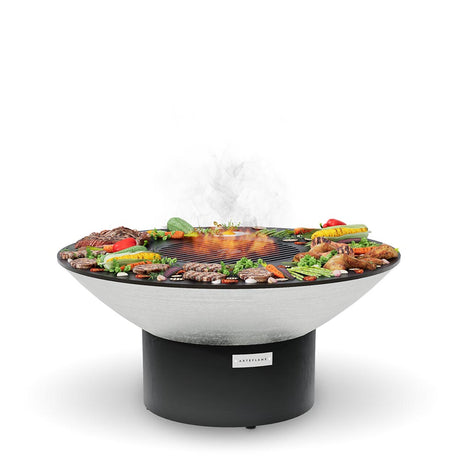
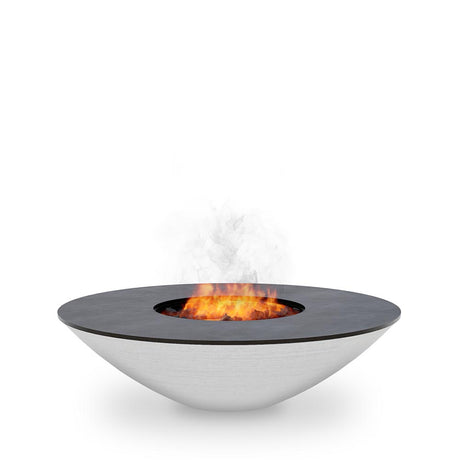
Experience the Arteflame difference — 1,000°F searing, true wood-fired flavor, and a wide cooktop with multiple heat zones all in one beautiful grill. Cook everything at once, control every temperature with ease, and transform every outdoor gathering. Discover how Arteflame elevates the art of grilling.








Turn yesterday's leftover macaroni into today's crispy, golden side dish with this easy wood-fired recipe.

Master this Texas-style open-fire brisket cooked entirely on the Arteflame grill. By searing on the center grate and wrapping to render on the flat top, you get perfectly tender, juicy...

Transform standard thick-cut bacon into a sweet, savory appetizer with a dark stout and brown sugar glaze, perfectly caramelized on a flat-top grill.

Render the perfect crispy skin with these Sichuan Peppercorn Duck Breasts, paired with a smoky, sweet, and spicy charred plum-poblano sauce.

Tender artichoke halves charred over high heat and smothered in rich garlic butter and Parmesan cheese.

Achieve the ultimate crust with this low-and-slow beef brisket recipe, utilizing natural heat zones for a perfect sear and incredibly tender finish.

Transform the trending crispy rice paper dumplings into a wood-fired masterpiece. Cooked on the Arteflame flat steel griddle for a shatteringly crisp crust and savory, high-protein filling.

Elevate albacore tuna with a steakhouse-style bacon wrap and a decadent green peppercorn cream sauce, grilled flawlessly on a flat-top.
Inspired to Grill?
Love it? Tell us — rate this recipe in 2 seconds. Tap a star below.