
Crisp and Golden Mac and Cheese Cakes on the Grill
Turn yesterday's leftover macaroni into today's crispy, golden side dish with this easy wood-fired recipe.


There is an undeniable magic to the sound of a premium ribeye hitting a hot grill—the sizzle promises a meal that transcends the ordinary. This recipe captures the sophisticated soul of a Parisian bistro and brings it right to your backyard. It centers on the contrast between a smoky, charred crust and the luxurious, melting embrace of homemade shallot butter. The savory sweetness of caramelized aromatics cuts through the rich beef, creating a bite that is bold, aromatic, and unforgettably delicious. Whether you are creating a romantic dinner or treating yourself, this dish sets the mood perfectly.
I call this my "Dinner Party Secret Weapon" because it delivers restaurant-quality results with shocking ease. The real hero here is the compound butter. It elevates a simple piece of meat into a gourmet masterpiece without requiring a culinary degree. Plus, you can prep the butter days in advance, making the actual cooking process stress-free and fun.
If you cannot find shallots, the white part of a green onion or a sweet Vidalia onion works well. For a dairy-free twist, mix the herbs into a high-quality olive oil for a chimichurri-style finish instead of using butter.
To create this masterpiece, you will need high-quality beef and fresh aromatics for the compound butter.
Achieving the perfect steakhouse quality at home relies heavily on technique and temperature control. First, never underestimate the importance of drying your meat before seasoning; surface moisture turns to steam, which prevents that coveted crust from forming. If you have the time, salt your steaks and leave them uncovered in the fridge for a few hours before cooking (dry brining) to intensify flavor. Furthermore, the resting period is non-negotiable. When you cook a steak at high heat, the juices constrict to the center of the muscle fibers. Resting allows these juices to redistribute throughout the steak, ensuring every bite is succulent. Finally, make more butter than you need. Compound butter freezes beautifully and can be used to instantly elevate grilled vegetables, chicken, or even a slice of crusty sourdough bread later in the week.
While the classic shallot and herb combination is timeless, compound butters offer an endless canvas for creativity depending on your palate. You can easily tweak the flavor profile of this dish by altering the butter ingredients without changing the cooking method of the steak. Here are a few ways to mix things up:
A dish as rich and flavorful as a Ribeye with Shallot Butter requires sides and beverages that can stand up to the intensity of the beef. For the ultimate French bistro experience, nothing beats Pommes Frites or duck-fat roasted potatoes; the crispy texture complements the tenderness of the meat perfectly. If you prefer greens, grilled asparagus with lemon zest or sautéed spinach with garlic offers a fresh counterpoint to the heavy butter. In terms of wine, you want a bold red with significant tannins to cut through the marbling of the ribeye. A Cabernet Sauvignon from Napa Valley or a classic left-bank Bordeaux are exemplary choices. Alternatively, a robust Malbec creates a wonderful harmony with the caramelized shallots. For beer lovers, a dark Porter or a Stout provides roasted notes that echo the char on the steak.
Mastering this French-Style Sizzling Ribeye is about more than just cooking dinner; it is about curating an experience. The transformation of simple ingredients—butter, shallots, herbs, and beef—into a dish of such depth and luxury is a testament to the power of open-fire cooking. By taking the time to prepare the compound butter and properly searing the meat, you unlock flavors that are usually reserved for high-end dining establishments. We hope this recipe inspires you to fire up your grill and enjoy the sizzle. Gather your friends, pour the wine, and enjoy the incredible satisfaction of slicing into a perfectly cooked steak topped with your own homemade culinary creation. Bon appétit!

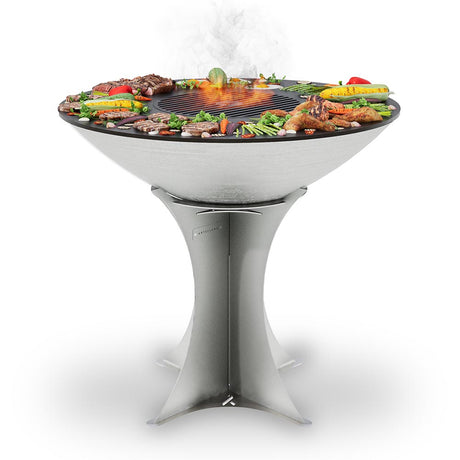
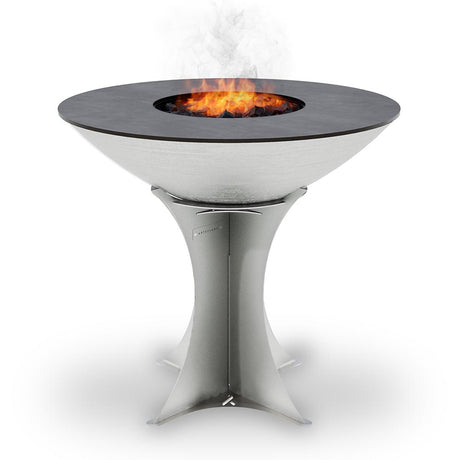
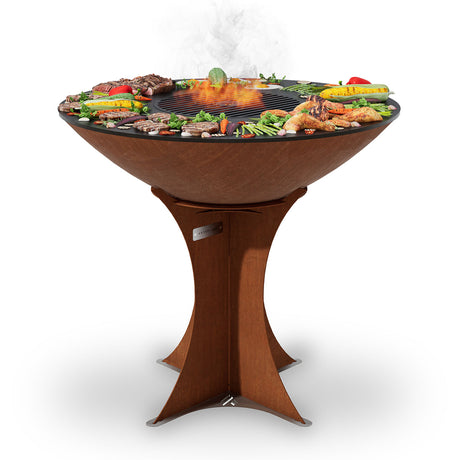
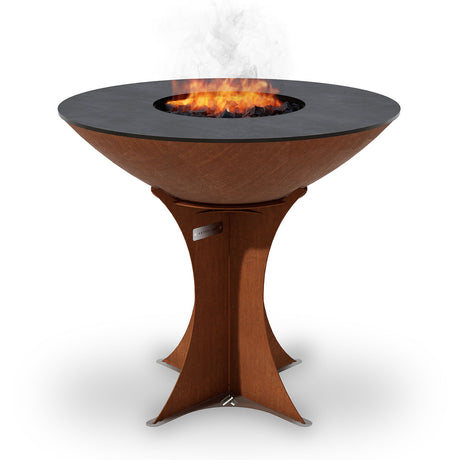
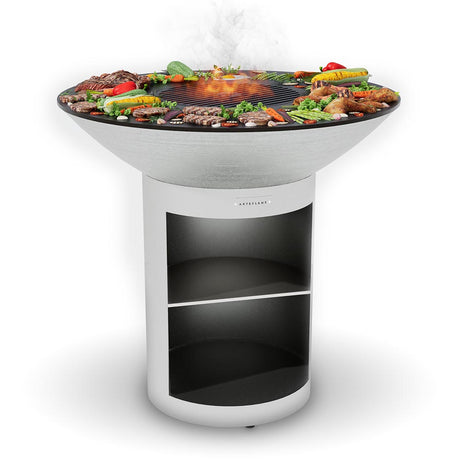
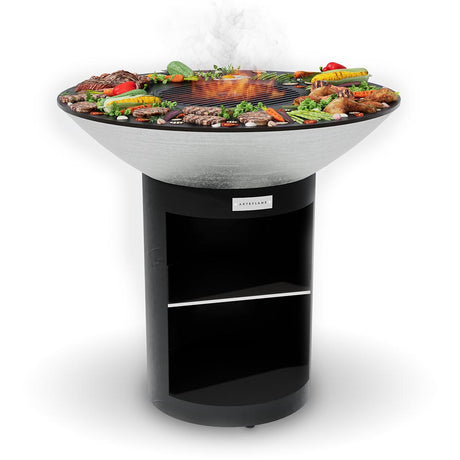
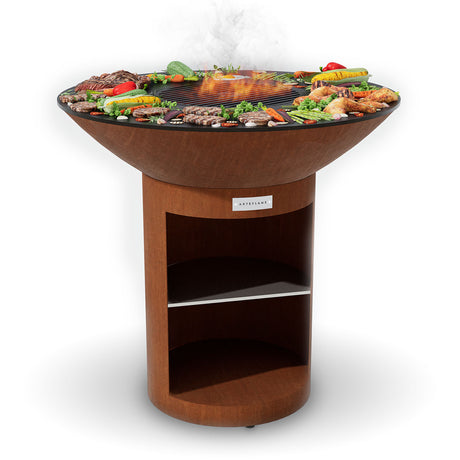
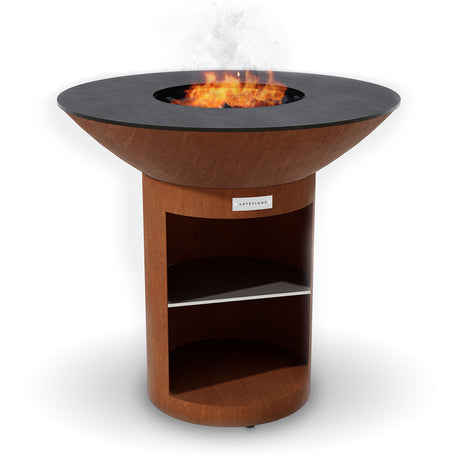
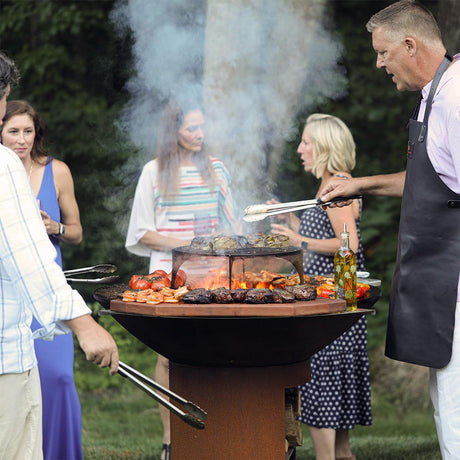
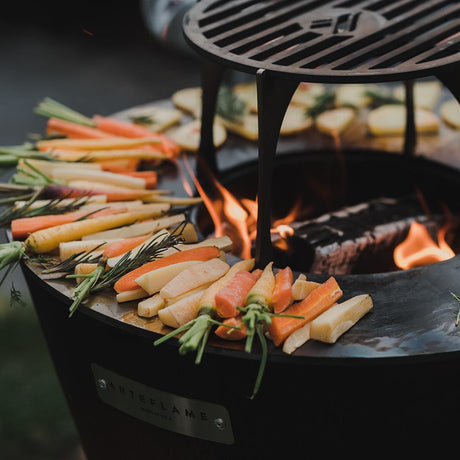
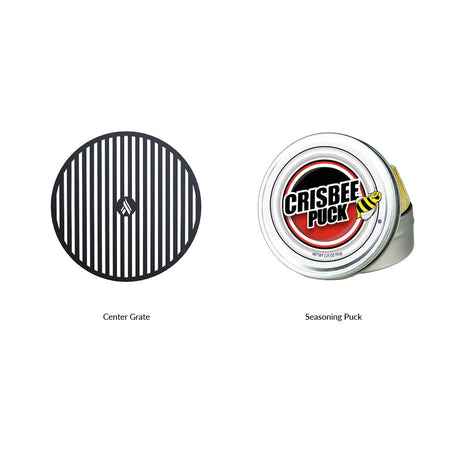
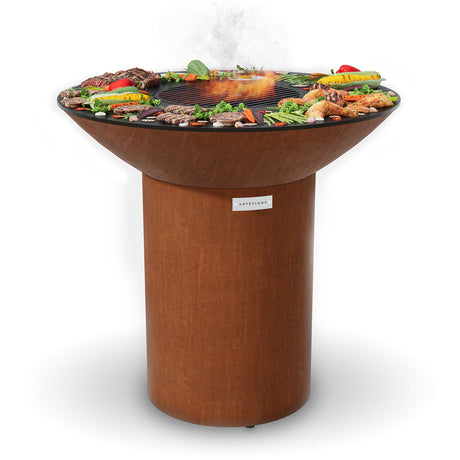
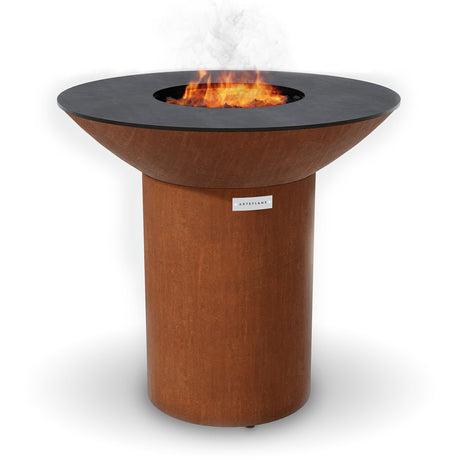
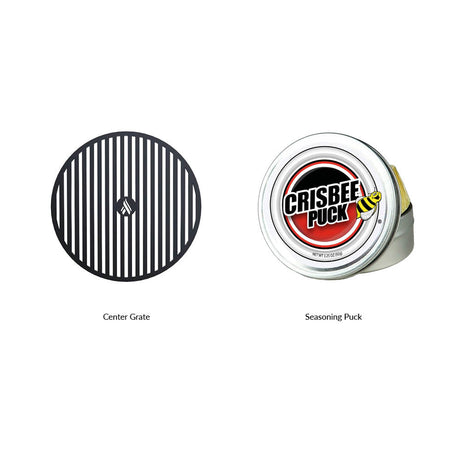
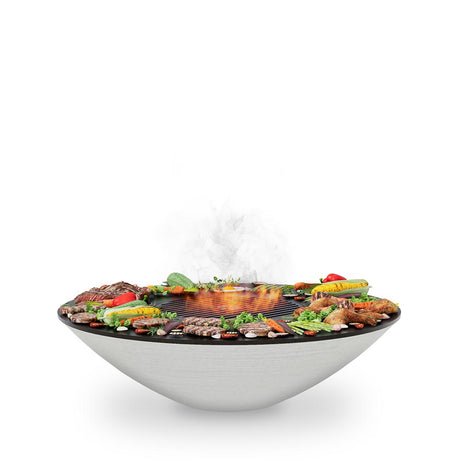
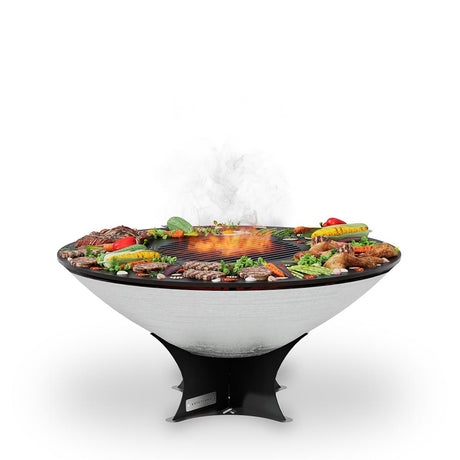
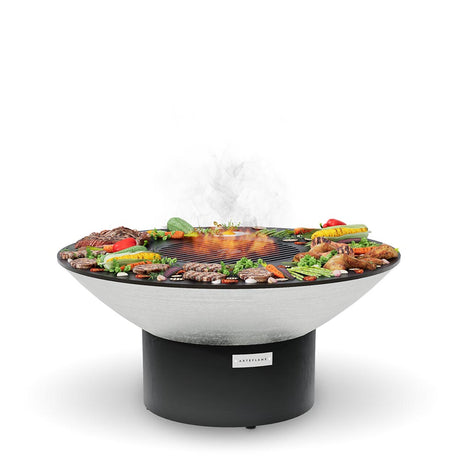
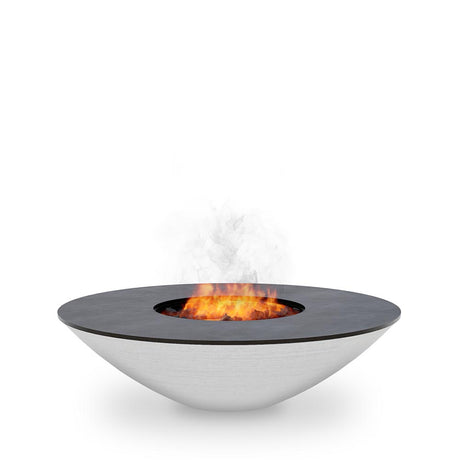
Experience the difference — sear at 1,000°F, enjoy multiple heat zones, and cook with natural wood-fired flavor on one beautiful grill. Prepare everything at once, manage temperatures with ease, and elevate every outdoor gathering. Discover why an Arteflame transforms the entire grilling experience.










Turn yesterday's leftover macaroni into today's crispy, golden side dish with this easy wood-fired recipe.

Master this Texas-style open-fire brisket cooked entirely on the Arteflame grill. By searing on the center grate and wrapping to render on the flat top, you get perfectly tender, juicy...

Transform standard thick-cut bacon into a sweet, savory appetizer with a dark stout and brown sugar glaze, perfectly caramelized on a flat-top grill.

Render the perfect crispy skin with these Sichuan Peppercorn Duck Breasts, paired with a smoky, sweet, and spicy charred plum-poblano sauce.

Tender artichoke halves charred over high heat and smothered in rich garlic butter and Parmesan cheese.

Achieve the ultimate crust with this low-and-slow beef brisket recipe, utilizing natural heat zones for a perfect sear and incredibly tender finish.

Transform the trending crispy rice paper dumplings into a wood-fired masterpiece. Cooked on the Arteflame flat steel griddle for a shatteringly crisp crust and savory, high-protein filling.

Elevate albacore tuna with a steakhouse-style bacon wrap and a decadent green peppercorn cream sauce, grilled flawlessly on a flat-top.
Inspired to Grill?
Love it? Tell us — rate this recipe in 2 seconds. Tap a star below.