
Crisp and Golden Mac and Cheese Cakes on the Grill
Turn yesterday's leftover macaroni into today's crispy, golden side dish with this easy wood-fired recipe.


There is nothing quite like the sound of duck fat slowly sizzling on a hot steel griddle as the sun sets. This California Wood-Grilled Duck Breast is pure elegance—crispy, golden skin yielding to tender, rosy meat, all bathed in a glossy cherry-Pinot Noir glaze. It evokes the relaxed sophistication of West Coast dining, turning a standard backyard barbecue into a culinary event. The aroma of the wood fire marrying with the savory richness of the duck creates a sensory experience that feels perfect for a celebratory dinner or an indulgent weekend treat.
I adore this recipe because it is the ultimate confidence booster. While duck feels intimidating, the flat-top grill makes rendering the fat foolproof. The flavor balance here is impeccable; the bright acidity of fresh California cherries cuts right through the richness of the meat, ensuring the dish never feels heavy. It is a restaurant-quality meal that feels incredibly special yet comes together with surprisingly few ingredients and minimal cleanup.
If fresh cherries aren't in season, frozen pitted cherries work beautifully and are often pitted for convenience. For a non-alcoholic version, you can swap the Pinot Noir for tart pomegranate juice or a rich beef stock reduced with a splash of extra balsamic vinegar.
Cooking duck breast requires patience, especially regarding the skin. If you rush the process over high heat, the skin will burn before the thick layer of fat underneath has a chance to render out, leaving you with a chewy, greasy texture. The secret is the "cold sear" technique or starting on a cooler part of the flat top grill to let the fat slowly melt away. Always score the skin carefully; if you cut into the meat, the juices will escape during cooking, leading to dry duck. Furthermore, resting the meat is non-negotiable. Because duck is best served medium-rare, cutting into it too early will cause all those precious juices to run out onto the board rather than staying in the meat. Finally, if your glaze becomes too thick while simmering on the grill, simply splash in a teaspoon of water or more wine to loosen it back up.
While the cherry and Pinot Noir combination is a nod to classic California flavors, duck is an incredibly versatile protein that pairs well with various fruit profiles and spice blends. You can easily adapt this recipe to match the season or your personal taste preferences without changing the core cooking technique. If stone fruits aren't in season, citrus or berries make excellent substitutes. Additionally, altering the spice rub on the meat can take the dish from a French-inspired classic to something with Asian or spicy notes. Here are a few distinct variations to try on your grill:
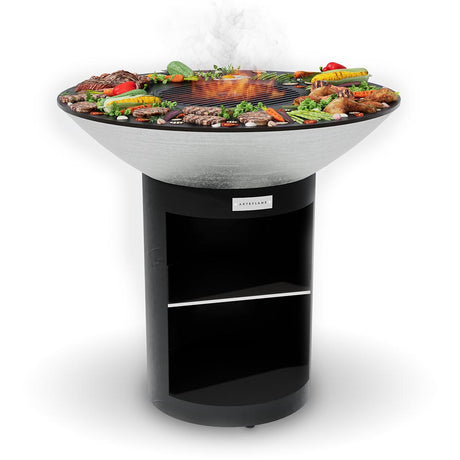
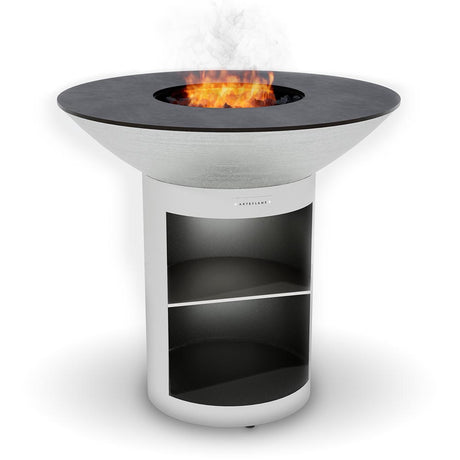
To round out this rich and savory meal, you need side dishes that can stand up to the bold flavors of the duck and the sweetness of the glaze. Starchy sides work particularly well to soak up the extra sauce and juices. A wild rice pilaf with toasted almonds is a classic choice that offers a nice textural contrast. Alternatively, roasted root vegetables like parsnips, sweet potatoes, or carrots cooked right on the Arteflame flat top alongside the duck utilize the flavorful duck fat for cooking. For greens, consider something with a bit of bitterness to cut through the richness of the meat; grilled asparagus with lemon zest or sautéed kale with garlic are excellent options. Wine pairing is essential here—a glass of the same California Pinot Noir used in the glaze is the absolute perfect match, bridging the flavors of the dish and the drink seamlessly.
Mastering this California Wood-Grilled Duck Breast recipe is a rewarding experience that highlights the versatility of outdoor cooking. The combination of the smoky sear from the grill, the rich and tender meat, and the bright, sweet acidity of the cherry glaze creates a symphony of flavors that feels incredibly sophisticated yet comforting. It proves that you don't need a professional kitchen to produce gourmet results; just quality ingredients, a good fire, and a little patience. Whether you are hosting a dinner party or simply treating yourself to a special weekend meal, this dish is sure to impress. Fire up the grill, pour a glass of wine, and enjoy the process of creating a truly memorable meal under the open sky.

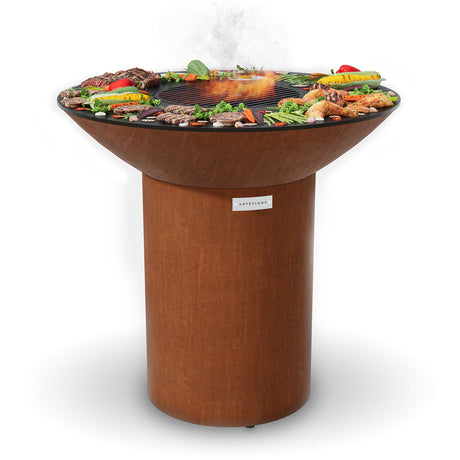
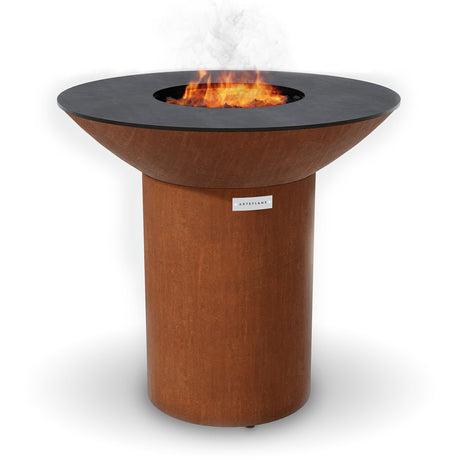
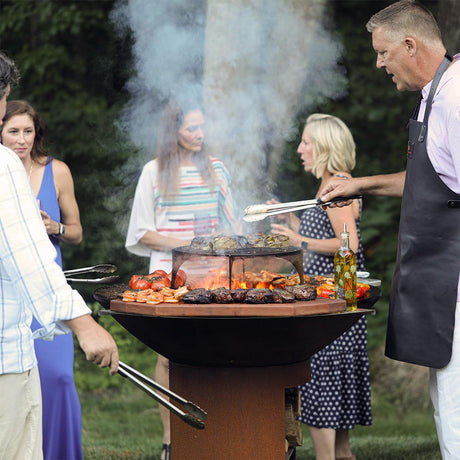
Experience the Arteflame difference — 1,000°F searing, true wood-fired flavor, and a wide cooktop with multiple heat zones all in one beautiful grill. Cook everything at once, control every temperature with ease, and transform every outdoor gathering. Discover how Arteflame elevates the art of grilling.









Turn yesterday's leftover macaroni into today's crispy, golden side dish with this easy wood-fired recipe.

Master this Texas-style open-fire brisket cooked entirely on the Arteflame grill. By searing on the center grate and wrapping to render on the flat top, you get perfectly tender, juicy...

Transform standard thick-cut bacon into a sweet, savory appetizer with a dark stout and brown sugar glaze, perfectly caramelized on a flat-top grill.

Render the perfect crispy skin with these Sichuan Peppercorn Duck Breasts, paired with a smoky, sweet, and spicy charred plum-poblano sauce.

Tender artichoke halves charred over high heat and smothered in rich garlic butter and Parmesan cheese.

Achieve the ultimate crust with this low-and-slow beef brisket recipe, utilizing natural heat zones for a perfect sear and incredibly tender finish.

Transform the trending crispy rice paper dumplings into a wood-fired masterpiece. Cooked on the Arteflame flat steel griddle for a shatteringly crisp crust and savory, high-protein filling.

Elevate albacore tuna with a steakhouse-style bacon wrap and a decadent green peppercorn cream sauce, grilled flawlessly on a flat-top.
Inspired to Grill?
Love it? Tell us — rate this recipe in 2 seconds. Tap a star below.