
Best Grilled Vegetables: Charred & Crispy Guide | Arteflame
Learn the best veggies for grilling—plus times, temps, and pro tips—optimized for Arteflame heat zones for perfect char and flavor every time.

 4.8
4.8

There is something undeniably magical about the smell of chicken searing over an open fire. This Wyoming Prairie Fire Grilled Chicken is pure cowboy comfort food—rugged, spicy, and deeply satisfying. Imagine biting into skin that crackles perfectly, revealing juicy meat infused with a smoky, buttery heat that lingers on your palate. It reminds me of late summer nights out West, where the food is bold and the fire is the heart of the gathering.
I love this recipe because it balances heat with immense depth of flavor. It isn’t just spicy for the sake of it; the brown sugar and butter create a sticky glaze that caramelizes beautifully on the Arteflame’s flat cooktop. It’s also incredibly forgiving—using bone-in leg quarters ensures the meat stays tender even if you get distracted by the conversation.
If the heat scares you, swap the cayenne pepper for extra smoked paprika or chili powder for a milder kick. You can also use melted coconut oil instead of butter if you need a dairy-free option that still chars nicely.
Mastering this Wyoming Prairie Fire Chicken requires a little bit of finesse with temperature management. Because the glaze contains both sugar and butter, it can char quickly if exposed to direct, intense flames for too long. The beauty of the Arteflame is your ability to utilize heat zones. Always start with a hard sear to lock in flavor, but do the majority of your cooking on the cooler outer ring of the cooktop. This mimics an oven effect, ensuring the meat cooks through to the bone while keeping the skin shatteringly crisp. Additionally, if you prefer a stickier finish, you can add a tablespoon of honey to the final basting sauce. Always use a digital meat thermometer; cooking to temperature rather than time ensures your chicken is safe to eat but never dry. Resting the meat is non-negotiable—cutting into it too soon will cause all those spicy, savory juices to run out.
While the classic Prairie Fire recipe is known for its straightforward heat, you can easily tweak the profile to suit your palate or dietary needs. The versatility of this marinade allows it to pair with various cuts of meat or flavor profiles. If you find the heat overwhelming, you can temper the spice with sweetness or add citrus for a zestier finish. Here are a few ways to customize this dish for your next outdoor gathering:
To balance the intense heat of the Wyoming Prairie Fire Chicken, you need sides that offer cooling relief or complementary textures. Starchy and creamy sides work best to cleanse the palate between bites. The goal is to create a rounded meal where the main dish is the star, but the accompaniments provide necessary harmony. Since you are already using the Arteflame, try preparing your sides right on the grill alongside the chicken for a cohesive flavor profile.
The Wyoming Prairie Fire Grilled Chicken is more than just a recipe; it is a celebration of bold flavors and the joy of outdoor cooking. By utilizing the Arteflame grill, you elevate a simple chicken dish into a gourmet experience, achieving a perfect sear and juicy interior that traditional grills struggle to replicate. The combination of heat, smoke, and savory spices makes this dish a memorable centerpiece for any gathering. Whether you stick to the traditional recipe or experiment with your own sweet or smoky variations, this chicken is sure to leave a lasting impression on your guests. So, gather your friends, light up the fire, and embrace the heat of the prairie right in your own backyard.

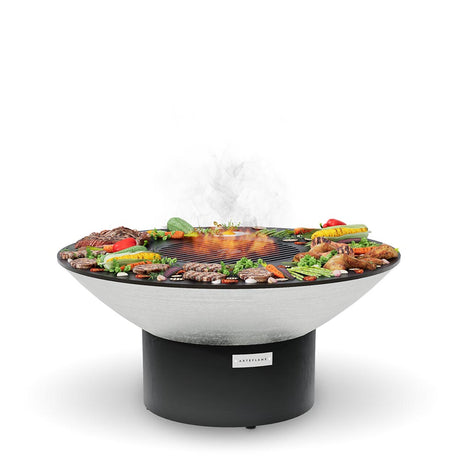
Experience the Arteflame difference — 1,000°F searing, natural wood-fired flavor, and a wide cooktop with multiple heat zones, all in one beautifully designed grill. Cook everything at once, control every temperature with ease, and elevate every outdoor moment. Discover why Arteflame transforms the way you grill.
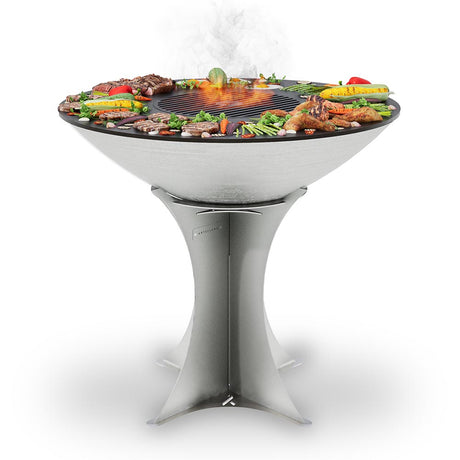





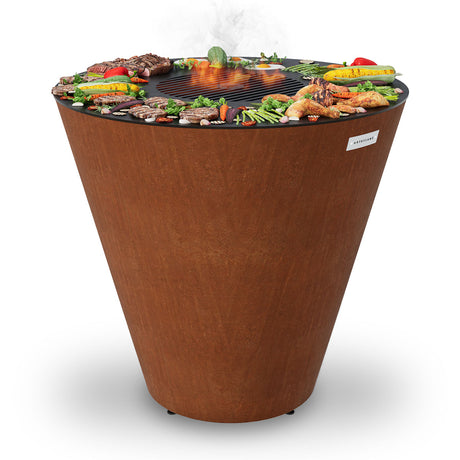


Arteflame One Series 40″ — XXL Flat-Top Charcoal Grill & Fire Bowl (Single-Piece CORTEN Body)
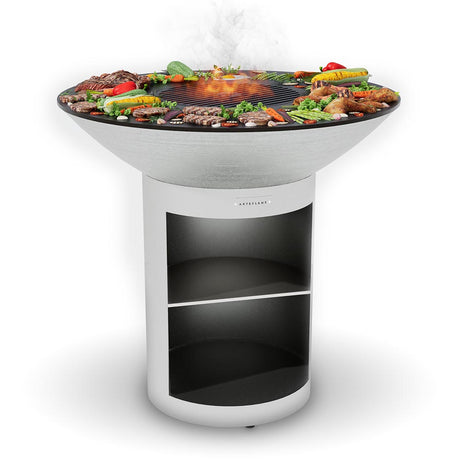
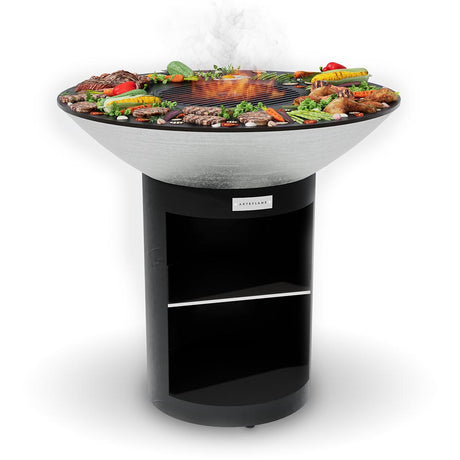
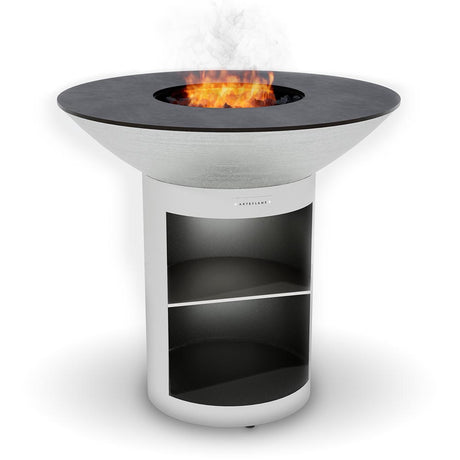


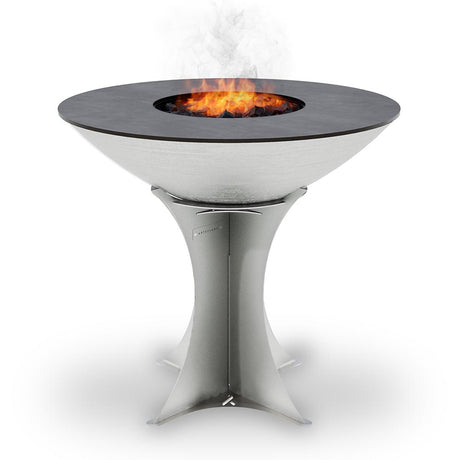
Arteflame 40″ Platinum Series — Stainless Fire Bowl Flat-Top Grill with Storage Base
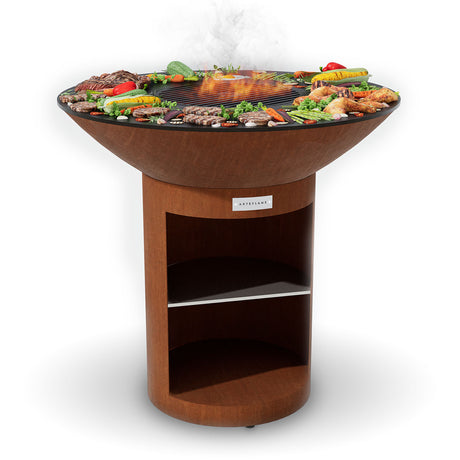
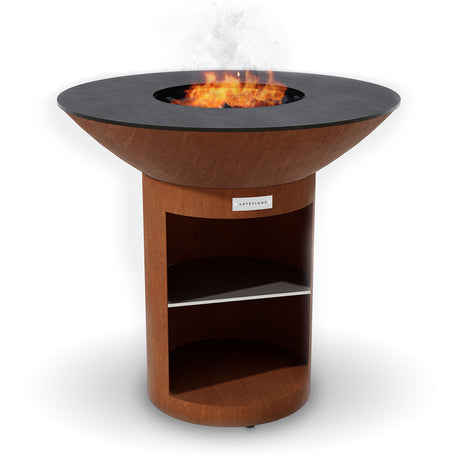
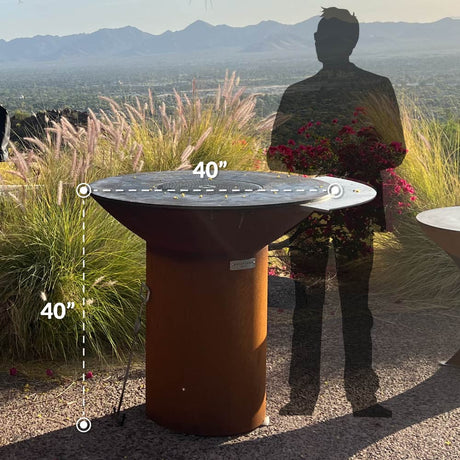
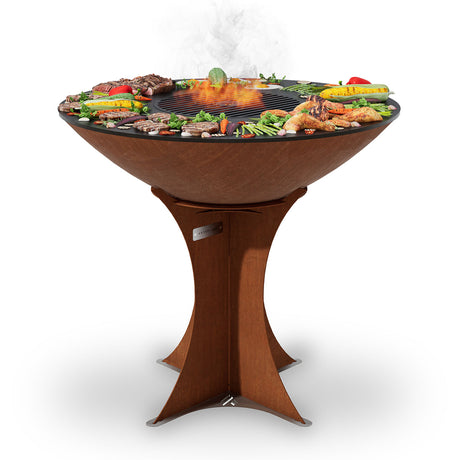
Arteflame Classic 40″ — Storage Base Flat-Top Grill & Fire Bowl (CORTEN Steel)
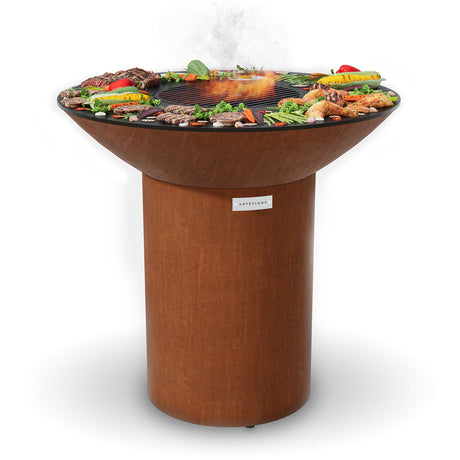
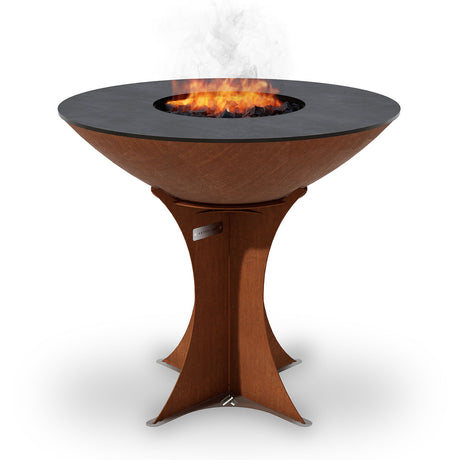
Arteflame Classic 40″ — Round Base Flat-Top Grill & Fire Bowl (CORTEN Steel)
Learn the best veggies for grilling—plus times, temps, and pro tips—optimized for Arteflame heat zones for perfect char and flavor every time.

Transform classic apple pie into a handheld delight with these Wyoming Apple Cinnamon Grilled Dessert Wraps. perfectly crispy, caramelized, and cooked on the Arteflame grill for a smoky finish.

Experience the rustic taste of the West with this Wyoming Campfire Blueberry Cobbler recipe for the Arteflame grill. Featuring bubbling blueberries and a golden biscuit crust cooked in cast iron,...

Experience the rugged flavor of the American West with these Wyoming Wild Boar Chops. Seared to perfection on the Arteflame grill, this recipe uses a savory juniper and sage rub...

Elevate your BBQ with these Wyoming-style grilled carrots. Sweet honey, tangy balsamic, and a perfect char make this the ultimate side dish for your Arteflame grill. Easy, healthy, and packed...

Unleash the flavor of the American West with these tender Wyoming Teriyaki Bison Skewers. Featuring a homemade savory-sweet glaze and perfectly charred vegetables, this recipe maximizes the searing power of...

Unlock the savory flavors of the West with this Wyoming-style garlic parmesan grilled mushrooms recipe. Perfectly seared on the Arteflame flat top, these buttery, cheesy mushrooms make the ultimate side...

Unlock the bold flavors of the West with this Wyoming-style grilled jalapeño cheddar sausage recipe. Learn how to achieve the perfect sear and juicy interior using your Arteflame grill for...