
Crisp and Golden Mac and Cheese Cakes on the Grill
Turn yesterday's leftover macaroni into today's crispy, golden side dish with this easy wood-fired recipe.


There is a primal, smoky magic that happens when fresh herbs meet the heat of a wood fire. This Wyoming antelope tenderloin comes off the grill with a caramelized, savory crust that gives way to a center so butter-soft and ruby-red, it rivals the finest filet mignon. It is the perfect meal for a crisp autumn evening, evoking memories of wide-open plains and the satisfaction of a hunt well done. The aroma of rosemary and searing meat is enough to gather everyone around the grill before dinner is even served.
I adore this recipe because it completely demystifies wild game. Many cooks fear antelope will be dry or "gamey," but this method proves otherwise. By utilizing the Arteflame's solid steel cooktop, we achieve a high-heat sear that locks in moisture without overcooking the lean meat. It is a celebration of pure ingredients—just quality meat, good fat, and fresh aromatics—making it both an elegant center dish for a dinner party and a straightforward meal for a weeknight at camp.
If you don’t have antelope on hand, this recipe is equally delicious with venison backstrap or a lean beef tenderloin. If juniper berries are too hard to find, a splash of gin in the marinade or simply adding extra cracked black pepper and a touch of lemon zest will provide that bright, earthy contrast.
Cooking wild game like antelope requires a shift in mindset compared to cooking domestic beef. The most critical tip is to never overcook the tenderloin. Antelope is incredibly lean, with almost no intramuscular fat (marbling) to keep it moist if cooked beyond medium-rare. Aim for an internal temperature of 125°F to 130°F. If you prefer your meat well-done, this is not the cut for you; overcooked antelope creates a liver-like texture that is unappealing.
Another pro tip is to pay close attention to the silver skin. Unlike fat on a beef steak that renders down, silver skin on game meat tightens and becomes rubbery, causing the meat to curl on the grill. Take the extra five minutes during prep to remove every bit of that white, shiny connective tissue. Finally, using a compound butter during the resting phase can add a luxurious mouthfeel that compensates for the leanness of the meat, elevating the dish to restaurant quality.
While the classic herb and garlic preparation is timeless, antelope tenderloin is a versatile canvas for various flavor profiles. You can easily adapt this recipe to suit different seasons or palates. If you are looking to add some fat content back into the dish to ensure moistness, the bacon-wrapped method is a favorite among hunters. Alternatively, you can lean into the sweetness of the meat with fruit-based reductions that contrast beautifully with the savory char from the grill.
Pairing food with antelope tenderloin is about balance. Because the meat is lean and has a distinct, earthy richness, you want sides and drinks that complement without overpowering. For wine, look for medium-to-full-bodied reds that have enough structure to stand up to the game flavor but aren't so tannic that they clash with the lean proteins. Syrah, Zinfandel, or a Côtes du Rhône are exceptional choices. If you prefer beer, a malty amber ale or a brown porter works wonders.
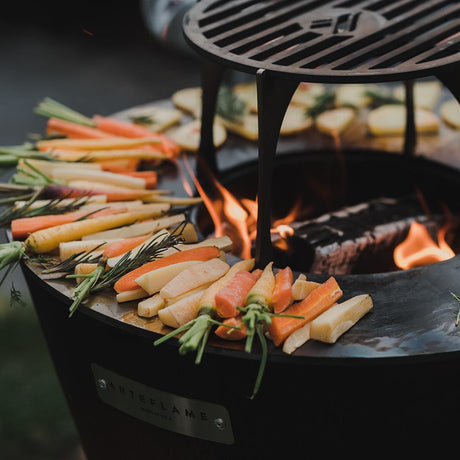
For side dishes, think about earthy root vegetables or starches that can soak up the delicious juices. The sweetness of roasted vegetables pairs particularly well with the slight gaminess of the meat.
Grilling Wyoming antelope tenderloin on an Arteflame is more than just making dinner; it is a celebration of the wild. By treating this lean, organic protein with the respect it deserves—using high heat, simple seasonings, and careful temperature control—you unlock a culinary experience that cannot be bought in a standard grocery store. This recipe proves that wild game, when cooked properly, is unparalleled in texture and flavor.
We hope this guide inspires you to fire up the grill and try something adventurous. Whether you are feeding a group of hungry hunters or hosting an elegant dinner party, this antelope tenderloin will be the centerpiece of conversation. Remember to let the meat rest, slice it against the grain, and savor every bite of the high plains.

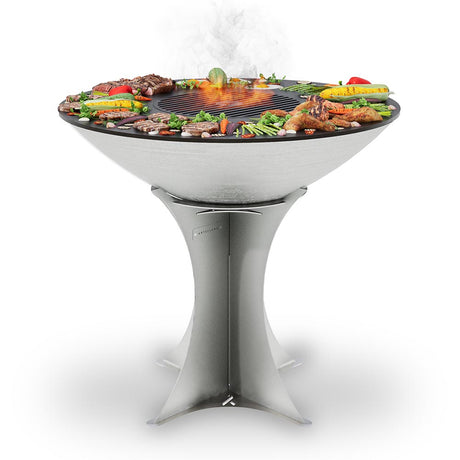
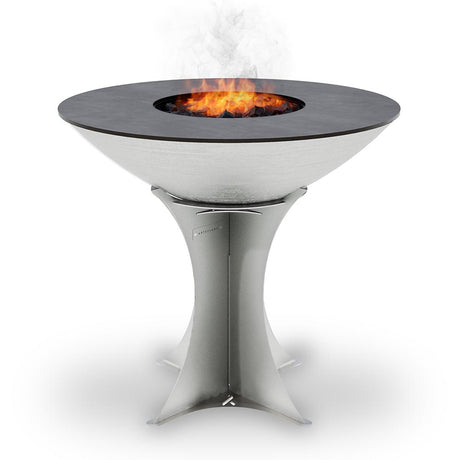
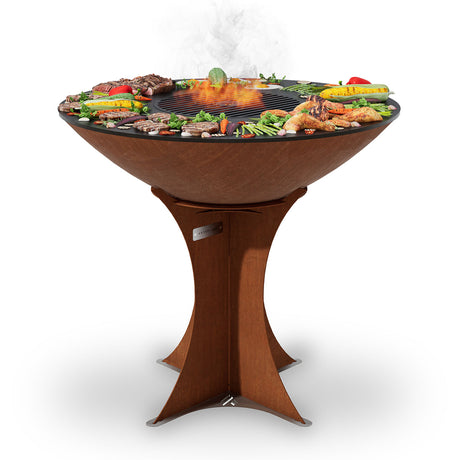
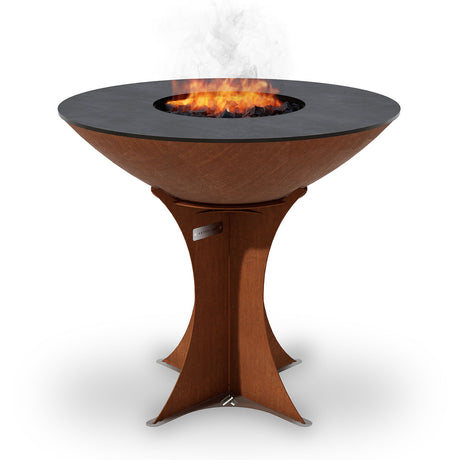
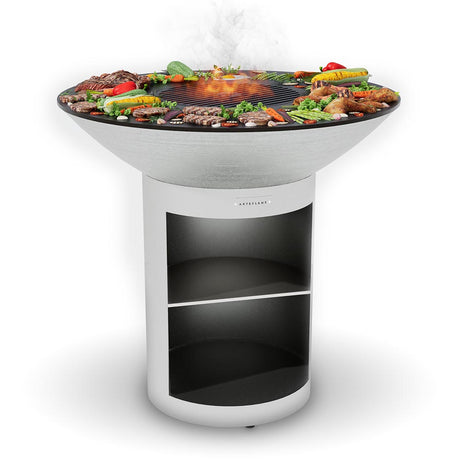
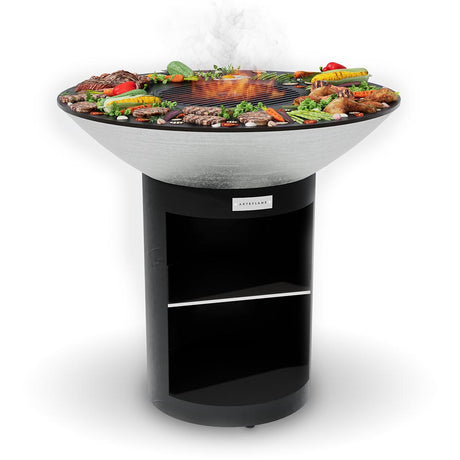
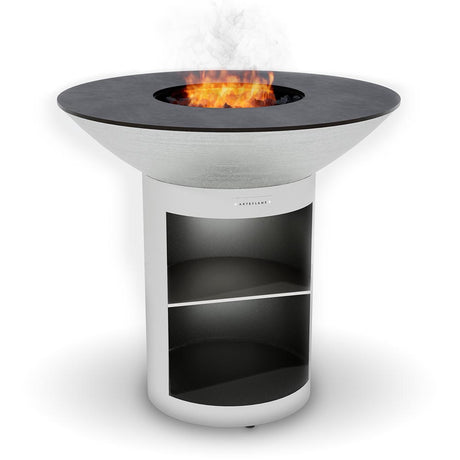
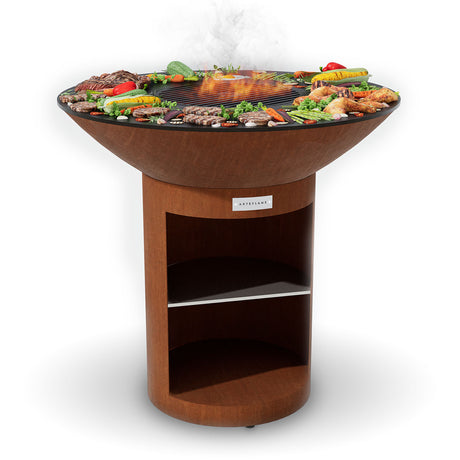
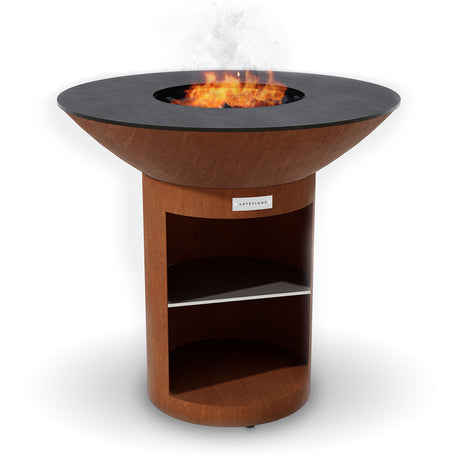
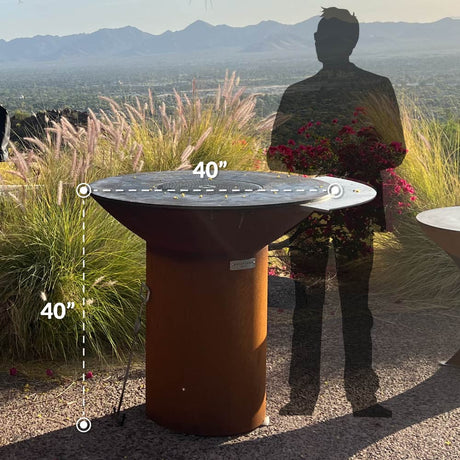
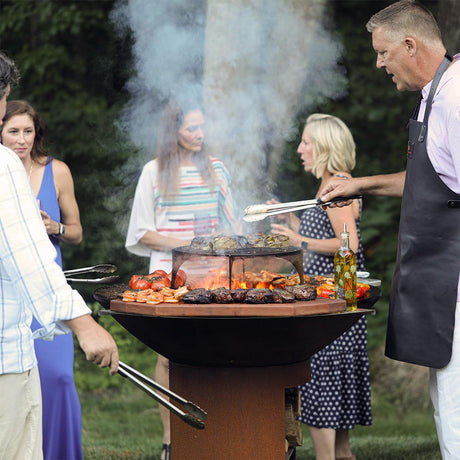
Experience the Arteflame difference — 1,000°F searing, true wood-fired flavor, and a wide cooktop with multiple heat zones all in one beautiful grill. Cook everything at once, control every temperature with ease, and transform every outdoor gathering. Discover how Arteflame elevates the art of grilling.







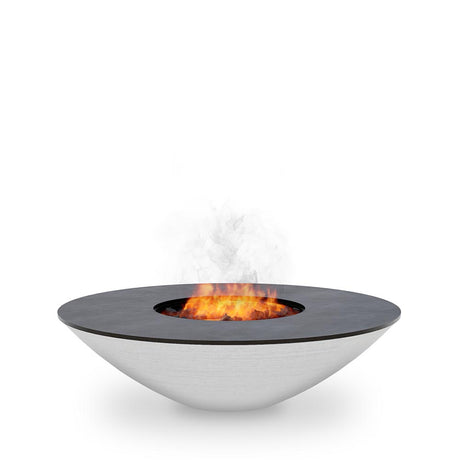
Turn yesterday's leftover macaroni into today's crispy, golden side dish with this easy wood-fired recipe.

Master this Texas-style open-fire brisket cooked entirely on the Arteflame grill. By searing on the center grate and wrapping to render on the flat top, you get perfectly tender, juicy...

Transform standard thick-cut bacon into a sweet, savory appetizer with a dark stout and brown sugar glaze, perfectly caramelized on a flat-top grill.

Render the perfect crispy skin with these Sichuan Peppercorn Duck Breasts, paired with a smoky, sweet, and spicy charred plum-poblano sauce.

Tender artichoke halves charred over high heat and smothered in rich garlic butter and Parmesan cheese.

Achieve the ultimate crust with this low-and-slow beef brisket recipe, utilizing natural heat zones for a perfect sear and incredibly tender finish.

Transform the trending crispy rice paper dumplings into a wood-fired masterpiece. Cooked on the Arteflame flat steel griddle for a shatteringly crisp crust and savory, high-protein filling.

Elevate albacore tuna with a steakhouse-style bacon wrap and a decadent green peppercorn cream sauce, grilled flawlessly on a flat-top.
Inspired to Grill?
Love it? Tell us — rate this recipe in 2 seconds. Tap a star below.