
Crisp and Golden Mac and Cheese Cakes on the Grill
Turn yesterday's leftover macaroni into today's crispy, golden side dish with this easy wood-fired recipe.


There is arguably no scent more intoxicating than wood smoke mingling with the savory aroma of rendering poultry fat. Watching a whole bird spin slowly over live coals is hypnotic, promising a dinner that connects us to primal cooking roots. This Rotisserie Chicken isn't just a meal; it's a backyard event that results in skin so crispy it shatters, protecting the impossibly juicy meat inside.
I love this recipe because the Arteflame does double duty. While the wood fire imparts a smoky depth that standard ovens can't touch, the rotisserie action ensures self-basting perfection. Plus, the flat cooktop lets me roast vegetables right alongside the bird, catching those flavorful drippings for a complete meal with minimal cleanup.
No smoked paprika? Swap in chipotle powder for extra heat or stick to herbs like sage and rosemary for a classic profile. If you are dairy-free, simply use extra olive oil instead of butter for the binder.
Achieving the perfect rotisserie chicken on an Arteflame requires a little bit of fire management and attention to detail. First and foremost, trussing is non-negotiable. If the wings or legs hang loose, they will burn before the rest of the bird is cooked, and they can throw off the balance of the rotation, straining the motor. Regarding the fire, try to keep the logs pushed slightly to the side of the center initially if the flames are too high, allowing the radiant heat to do the work without charring the skin too quickly. One of the best pro-tips for Arteflame owners is to utilize the cooktop beneath the spinning bird. The juices that drip from the chicken are liquid gold. Position potatoes, onions, or Brussels sprouts on the flat iron griddle directly under the chicken to catch these drippings. You will end up with the most flavorful side dish imaginable, cooked simultaneously with your main course.
Once you master the classic dry rub rotisserie chicken, the possibilities for flavor profiles are endless. You can easily adapt this method to suit any cuisine by swapping out the aromatics and the spice blend. The key remains the same: manage your fire and let the rotation do the heavy lifting. Here are a few popular variations to keep your menu exciting:
A rotisserie chicken this flavorful deserves sides that complement its smoky richness without overpowering it. Because the Arteflame allows you to cook your entire meal at once, utilize the flat cooktop while the bird spins. The most obvious and delicious pairing is roasted root vegetables. Potatoes, carrots, and onions tossed on the plancha absorb the smoky atmosphere and, if positioned correctly, the rendering chicken fat. For a lighter contrast, a fresh, acidic salad cuts through the richness of the meat; consider an arugula salad with shaved parmesan and a lemon vinaigrette. Corn on the cob is another classic; you can roast it in the husk right on the edge of the coals or butter it on the flat top. Finally, a good crusty bread is essential for mopping up any juices left on the plate, ensuring not a drop of flavor goes to waste.
Cooking a rotisserie chicken on the Arteflame is more than just following a recipe; it is a return to the roots of culinary tradition. The combination of live fire, quality ingredients, and the slow, hypnotic rotation produces a result that modern ovens simply cannot replicate. The skin shatters with a satisfying crunch, revealing meat that is succulent and infused with the subtle sweetness of wood smoke. Whether you stick to the classic herb rub or experiment with bold international flavors, the technique remains the foundation of a memorable meal. So, fire up the grill, invite some friends over, and enjoy the process. Once you serve this bird, you will understand why the rotisserie is one of the most beloved accessories for the outdoor chef.

Experience the difference — sear at 1,000°F, enjoy multiple heat zones, and cook with natural wood-fired flavor on one beautiful grill. Prepare everything at once, manage temperatures with ease, and elevate every outdoor gathering. Discover why an Arteflame transforms the entire grilling experience.





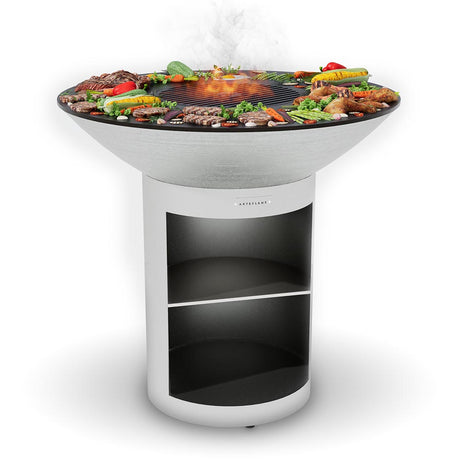
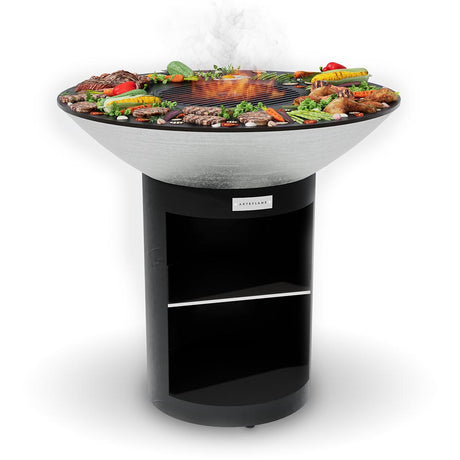
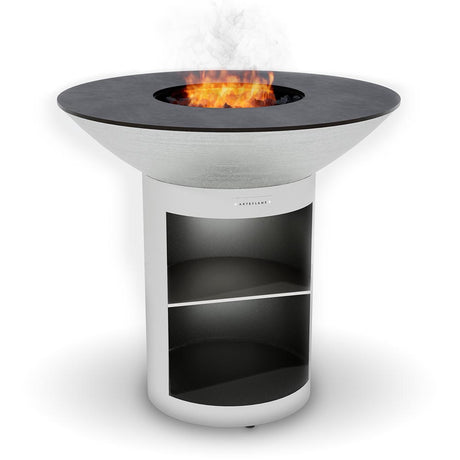


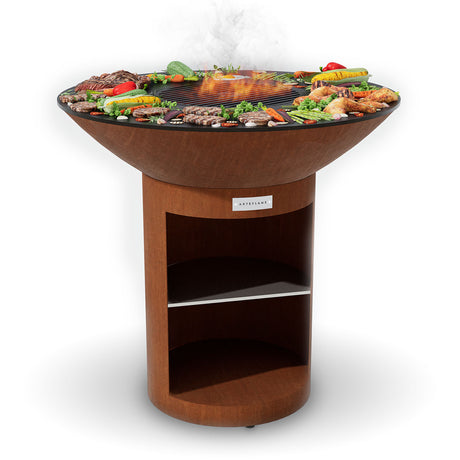



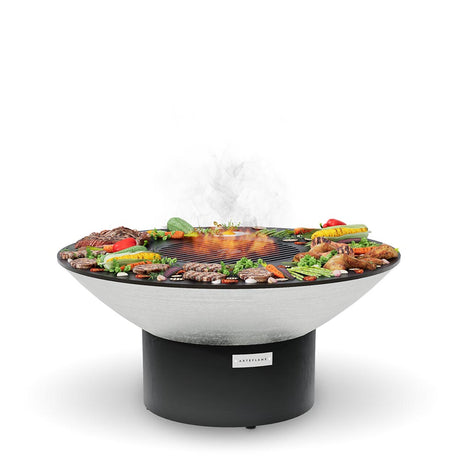
Turn yesterday's leftover macaroni into today's crispy, golden side dish with this easy wood-fired recipe.

Master this Texas-style open-fire brisket cooked entirely on the Arteflame grill. By searing on the center grate and wrapping to render on the flat top, you get perfectly tender, juicy...

Transform standard thick-cut bacon into a sweet, savory appetizer with a dark stout and brown sugar glaze, perfectly caramelized on a flat-top grill.

Render the perfect crispy skin with these Sichuan Peppercorn Duck Breasts, paired with a smoky, sweet, and spicy charred plum-poblano sauce.

Tender artichoke halves charred over high heat and smothered in rich garlic butter and Parmesan cheese.

Achieve the ultimate crust with this low-and-slow beef brisket recipe, utilizing natural heat zones for a perfect sear and incredibly tender finish.

Transform the trending crispy rice paper dumplings into a wood-fired masterpiece. Cooked on the Arteflame flat steel griddle for a shatteringly crisp crust and savory, high-protein filling.

Elevate albacore tuna with a steakhouse-style bacon wrap and a decadent green peppercorn cream sauce, grilled flawlessly on a flat-top.
Made it? Rate this recipe
Tap a star to tell other grillers how it turned out on your Arteflame.