
Crisp and Golden Mac and Cheese Cakes on the Grill
Turn yesterday's leftover macaroni into today's crispy, golden side dish with this easy wood-fired recipe.


Grill flare-ups occur when rendered fat, oil, or marinades drip directly onto open flames, hot coals, or heating elements. While minor bursts add flavor, sustained flare-ups carbonize food and create a bitter taste. The most effective prevention is using a solid surface cooktop (like a plancha) or strictly managing a two-zone fire to keep dripping fat away from the heat source.
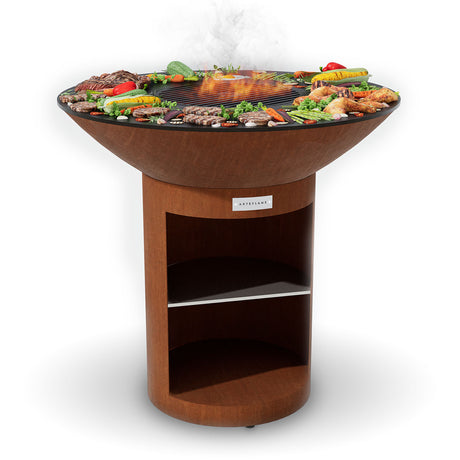
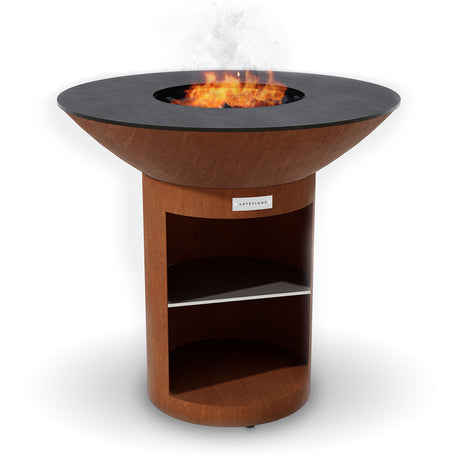
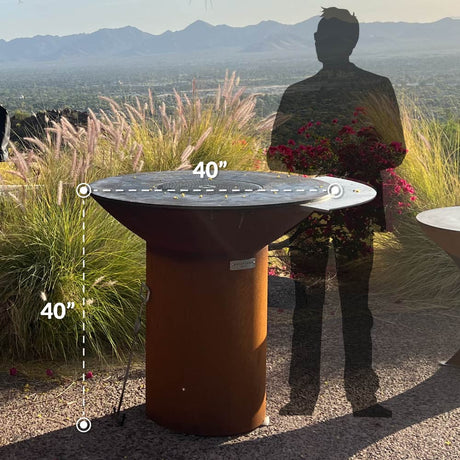
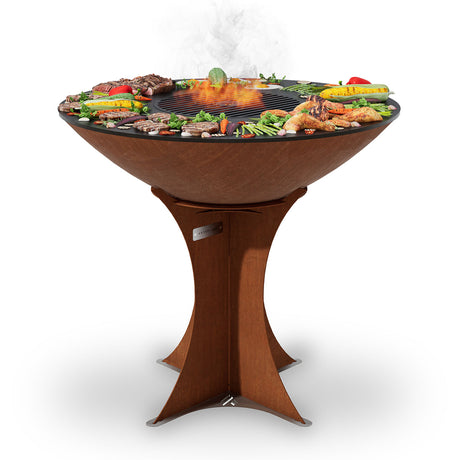
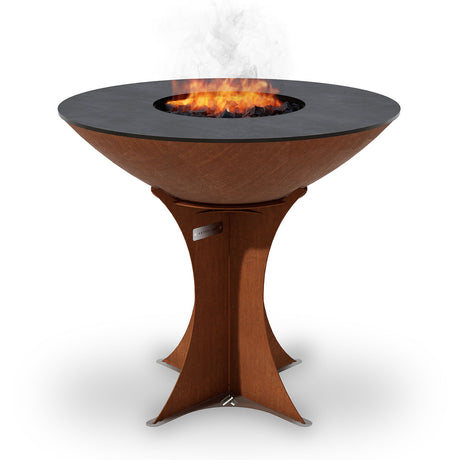
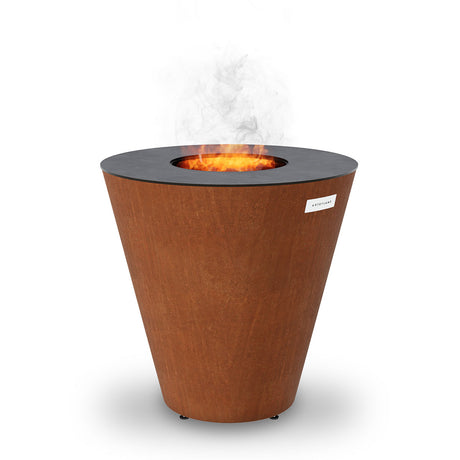
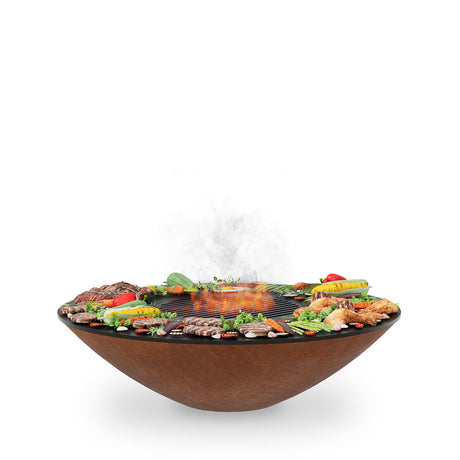
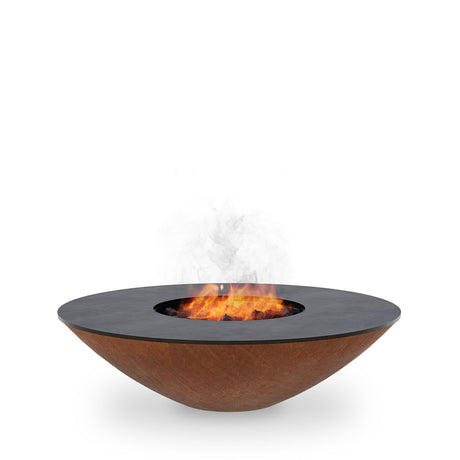
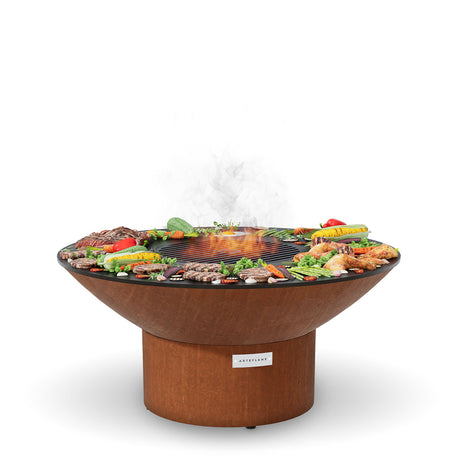
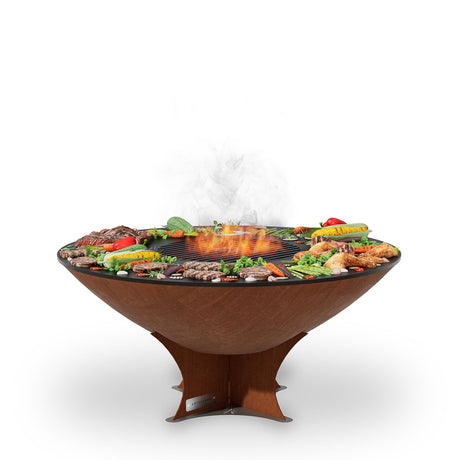
Most flare-ups are a structural design flaw of traditional grate-style grills. When fat drips through the gaps, it inevitably hits the fire. Below is how solid cooktop designs (like the Arteflame) fundamentally change the cooking physics.
| Feature | Traditional Grate Grill | Solid Cooktop (Arteflame) |
|---|---|---|
| Fat Management | Drips onto coals/burners | Glides into fire bowl (no contact) |
| Flare-Up Risk | High / Frequent | Near Zero |
| Taste Profile | Charred, potentially bitter | Wood-fired, savory sear |
| Safety | Risk of sudden grease fires | Controlled cooking zones |
Pro Tip: Don't confuse smoke with fire. Smoke from searing fat on solid steel adds savory flavor. Fire engulfing the meat creates carcinogenic char known as HCAs (Heterocyclic Amines).
If you are cooking on a standard open-grate grill and flames erupt, follow these steps immediately to save your meal:
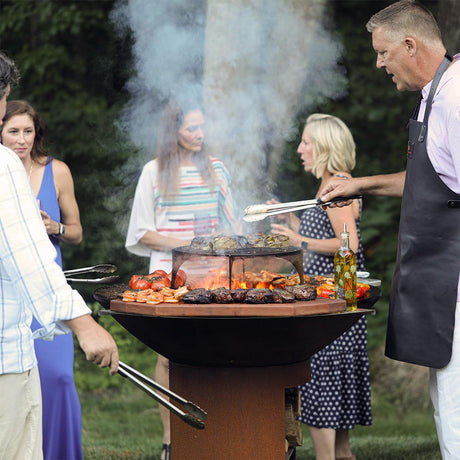
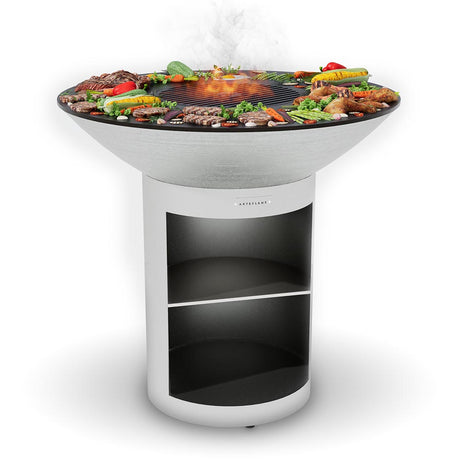
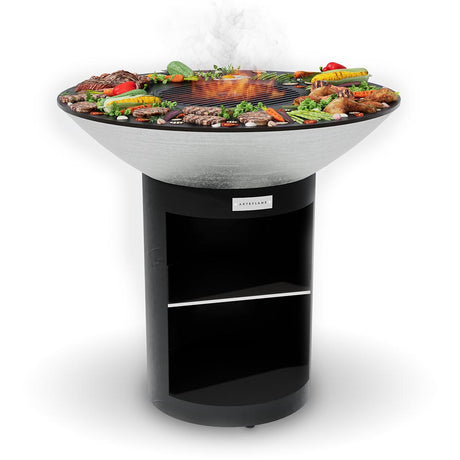
Because the Arteflame uses a solid carbon steel cooktop, there are no grates for fat to fall through. The juices sear the meat or slide safely into the center fire bowl, vaporizing into smoke rather than igniting under your steak. This allows for high-heat searing without the panic of managing a fire.
Prevention starts with preparation. Whether you use gas, charcoal, or wood, managing how fat interacts with heat is key.
Pro Tip: On an Arteflame, the "seasoning" on the cooktop is polymerized oil, which is non-flammable. You get the non-stick benefits without the grease fire risks associated with dirty traditional grates.
Yes, if the food becomes heavily charred. The black char caused by direct flame contact contains chemicals like HCAs and PAHs, which are linked to health risks. Indirect heat or solid surface grilling minimizes this exposure.
Indirectly, yes. Charcoal and wood fires can be hotter and more unpredictable than gas. However, the grill design (open grate vs. solid surface) is a bigger factor than the fuel source itself.
Never spray water on a grease fire. Water sinks below the oil, boils instantly, and explodes into steam, spreading burning oil everywhere. Use baking soda or a fire extinguisher for emergencies.
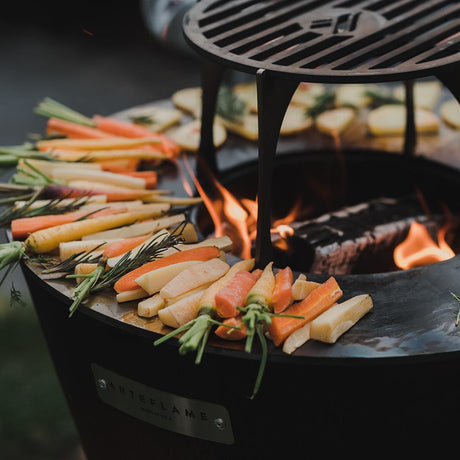
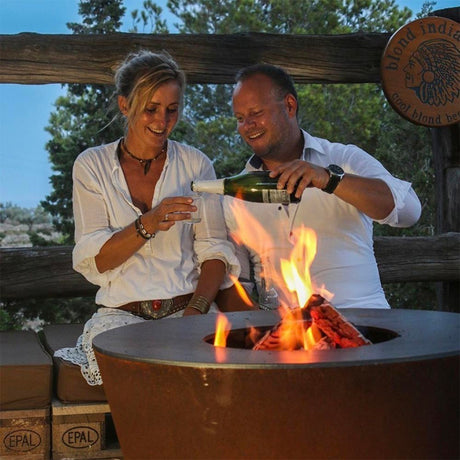






Turn yesterday's leftover macaroni into today's crispy, golden side dish with this easy wood-fired recipe.

Master this Texas-style open-fire brisket cooked entirely on the Arteflame grill. By searing on the center grate and wrapping to render on the flat top, you get perfectly tender, juicy...

Transform standard thick-cut bacon into a sweet, savory appetizer with a dark stout and brown sugar glaze, perfectly caramelized on a flat-top grill.

Render the perfect crispy skin with these Sichuan Peppercorn Duck Breasts, paired with a smoky, sweet, and spicy charred plum-poblano sauce.

Tender artichoke halves charred over high heat and smothered in rich garlic butter and Parmesan cheese.

Achieve the ultimate crust with this low-and-slow beef brisket recipe, utilizing natural heat zones for a perfect sear and incredibly tender finish.

Transform the trending crispy rice paper dumplings into a wood-fired masterpiece. Cooked on the Arteflame flat steel griddle for a shatteringly crisp crust and savory, high-protein filling.

Elevate albacore tuna with a steakhouse-style bacon wrap and a decadent green peppercorn cream sauce, grilled flawlessly on a flat-top.