
Crisp and Golden Mac and Cheese Cakes on the Grill
Turn yesterday's leftover macaroni into today's crispy, golden side dish with this easy wood-fired recipe.


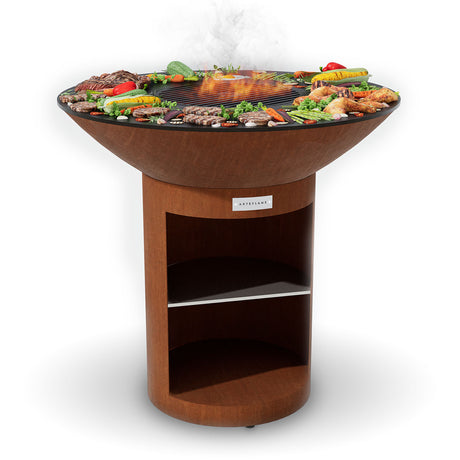
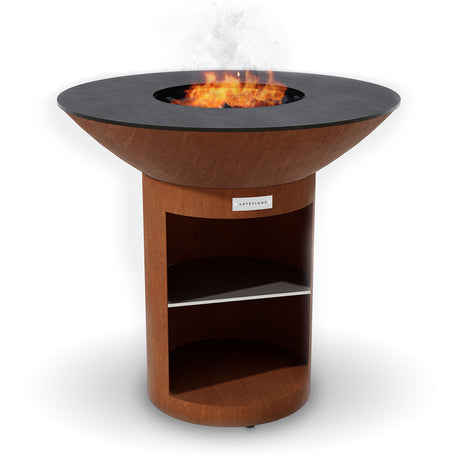
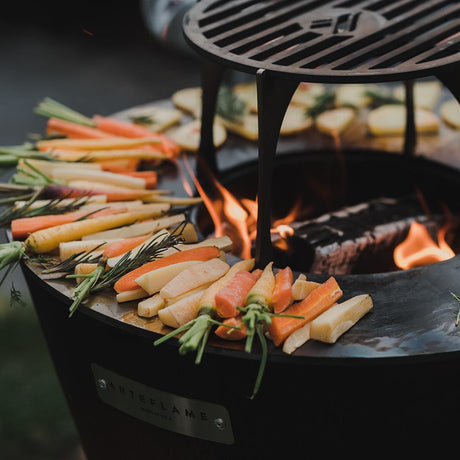
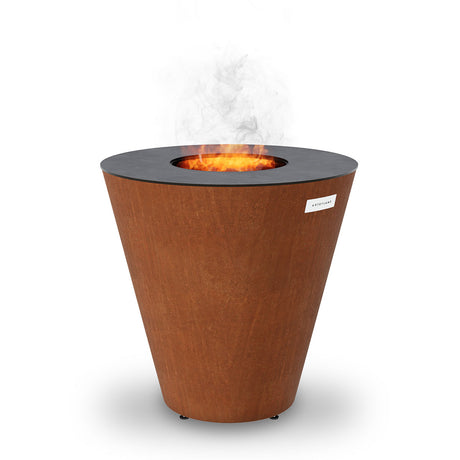
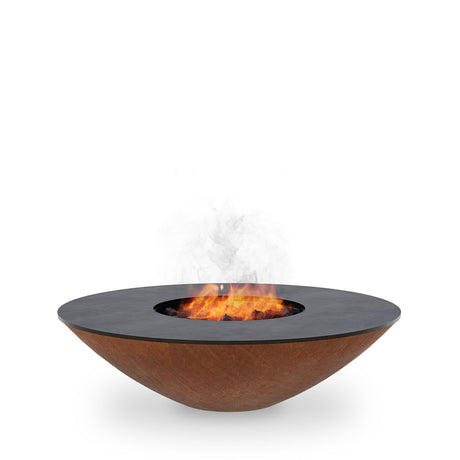
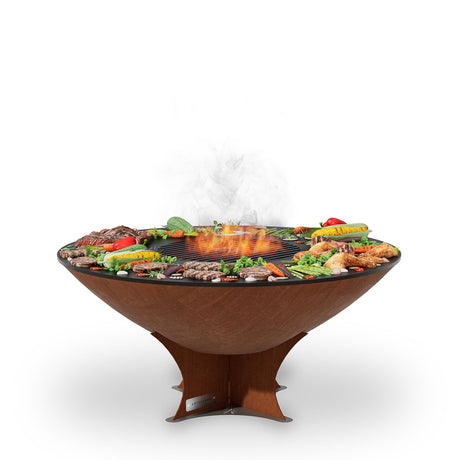
Uneven cooking on an Arteflame grill is primarily a design feature, not a flaw. The solid carbon steel cooktop is engineered to conduct heat from the center out, creating a high-temperature searing zone near the fire pit (over 1,000°F) and a cooler warming zone toward the outer edge. However, if you notice unintended unevenness—such as one side being significantly cooler than the other—it is likely due to wind direction or the grill not being perfectly level.
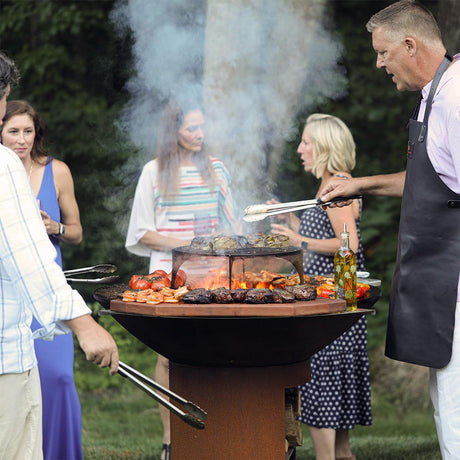
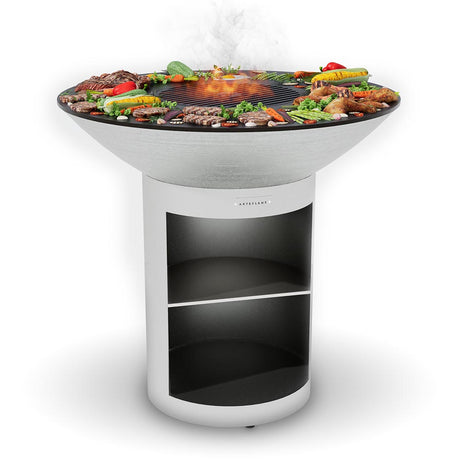
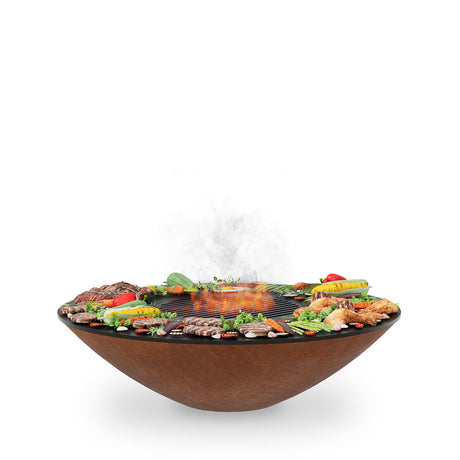
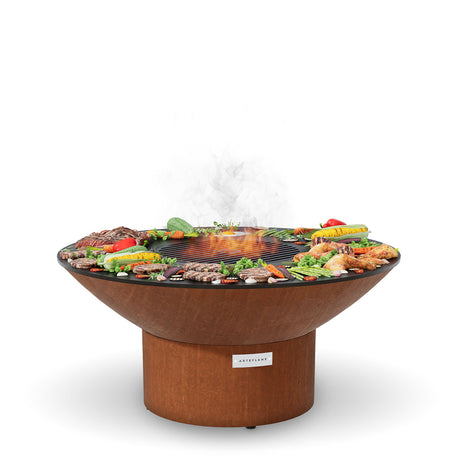
Unlike a traditional grate grill where you want uniform heat, the Arteflame functions as a multi-zone plancha. Understanding the thermal gradient allows you to cook an entire meal simultaneously by placing ingredients in their ideal temperature ring.
Instead of adjusting gas knobs, you adjust the food's location. Use the chart below to determine exactly where to place your ingredients for optimal results.
| Heat Zone | Approximate Temp | Best Culinary Use | Food Examples |
|---|---|---|---|
| Inner Ring | 600°F - 1,000°F+ | Hard Searing & Boiling | Steaks, Burgers, Boiling Water |
| Middle Ring | 400°F - 550°F | General Grilling & Roasting | Chicken, Sausages, Asparagus |
| Outer Ring | 250°F - 350°F | Slow Cooking & Warming | Eggs, Pancakes, Toasting Buns |
Pro Tip: For the best reverse sear, start thick cuts of meat on the outer ring to bring the internal temperature up slowly. Once ready, slide the meat to the inner ring for 60 seconds per side to achieve a steakhouse-quality crust.
If the heat variance isn't radial (center to edge) but rather directional (left side vs. right side), external factors are usually at play. The two most common culprits are wind direction and grill leveling.
Wind pushes the flames and hot air inside the fire bowl toward one side. This superheats the cooktop on the downwind side while leaving the upwind side cooler. While you cannot stop the wind, you can manage it:
If the grill is tilted, gravity will cause the hot coals and juices to slide to the lower side, creating a hot spot. Ensure your surface is level before lighting the fire to guarantee consistent heat distribution across the radius.
You have full control over the heat distribution based on how you build your fire. The proximity of the coals to the steel determines the surface temperature.
Pro Tip: Use the Air Gap technique. Ensure there is always a small gap between your wood/charcoal and the steel cooktop plate. Direct contact can choke the airflow, causing the fire to smolder and reducing the overall temperature of the grill.
No, the physics of the grill prevent this. The center will always be hotter because it is closest to the fire source. However, you can minimize the difference by pushing hot coals toward the outer perimeter underneath the steel plate.
Allow the grill to fire up for at least 30 to 45 minutes. This ensures the carbon steel absorbs enough heat to create stable cooking zones and allows the fire to establish a bed of hot embers.
Yes. Hardwoods like oak or hickory burn longer and hotter, providing more consistent heat. Softwoods burn fast and erratic, leading to temperature spikes and drops that make the heat zones harder to manage.






Turn yesterday's leftover macaroni into today's crispy, golden side dish with this easy wood-fired recipe.

Master this Texas-style open-fire brisket cooked entirely on the Arteflame grill. By searing on the center grate and wrapping to render on the flat top, you get perfectly tender, juicy...

Transform standard thick-cut bacon into a sweet, savory appetizer with a dark stout and brown sugar glaze, perfectly caramelized on a flat-top grill.

Render the perfect crispy skin with these Sichuan Peppercorn Duck Breasts, paired with a smoky, sweet, and spicy charred plum-poblano sauce.

Tender artichoke halves charred over high heat and smothered in rich garlic butter and Parmesan cheese.

Achieve the ultimate crust with this low-and-slow beef brisket recipe, utilizing natural heat zones for a perfect sear and incredibly tender finish.

Transform the trending crispy rice paper dumplings into a wood-fired masterpiece. Cooked on the Arteflame flat steel griddle for a shatteringly crisp crust and savory, high-protein filling.

Elevate albacore tuna with a steakhouse-style bacon wrap and a decadent green peppercorn cream sauce, grilled flawlessly on a flat-top.