
Crisp and Golden Mac and Cheese Cakes on the Grill
Turn yesterday's leftover macaroni into today's crispy, golden side dish with this easy wood-fired recipe.


Grilled food can safely sit out for a maximum of two hours at standard room temperature. However, if the ambient temperature outdoors is 90°F (32°C) or higher, that safety window shrinks to just one hour. After these time limits, bacteria grow exponentially, and the food must be discarded to prevent foodborne illness.
The core of food safety guidelines provided by the USDA revolves around the "Danger Zone." This is the temperature range where bacteria—such as Salmonella and E. coli—multiply most rapidly. Understanding this range is critical for any outdoor barbecue or picnic.
For grilled meats, poultry, and seafood, keeping food out of this zone is the only way to ensure safety. Once food enters this temperature window, invisible pathogens begin to double in number every 20 minutes.
Use this table to make quick decisions about when to toss leftovers.
| Environment Temperature | Maximum Safe Time | The "Danger Zone" Range | Required Action |
|---|---|---|---|
| Below 90°F (32°C) | 2 Hours | 40°F - 140°F | Refrigerate or Discard |
| Above 90°F (32°C) | 1 Hour | 40°F - 140°F | Refrigerate or Discard |
| Hot Holding (Grill/Oven) | Indefinite (if maintained) | Above 140°F | Serve or Maintain Heat |
Pro Tip: Don't rely on the clock alone. Use a digital instant-read thermometer. If your brisket or burgers drop below 140°F, the 2-hour countdown clock starts immediately, regardless of how long it has been off the grill.
When hosting a BBQ, you often want food to stay available for guests to graze. Instead of leaving food on a picnic table, use these methods to extend the "safe window" by keeping the internal temperature above 140°F.
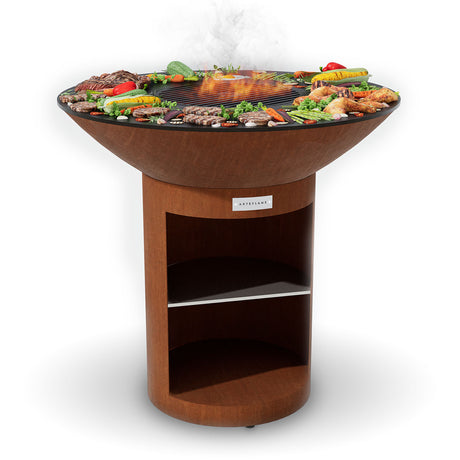
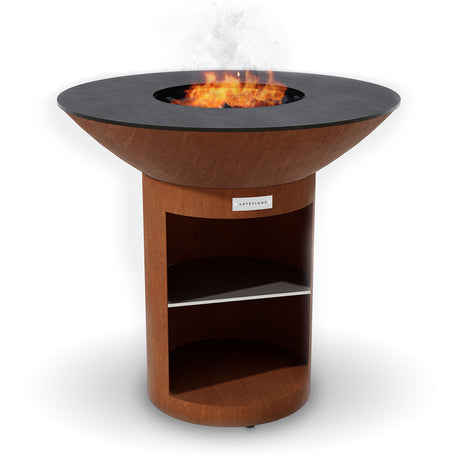
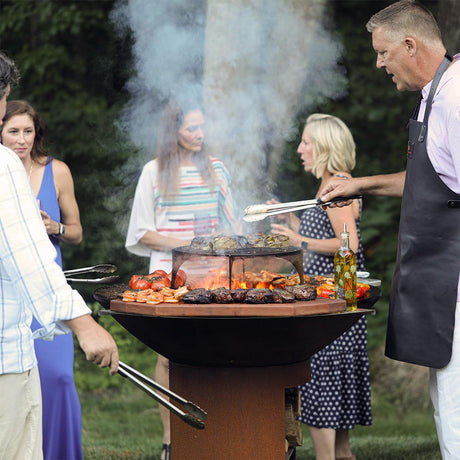
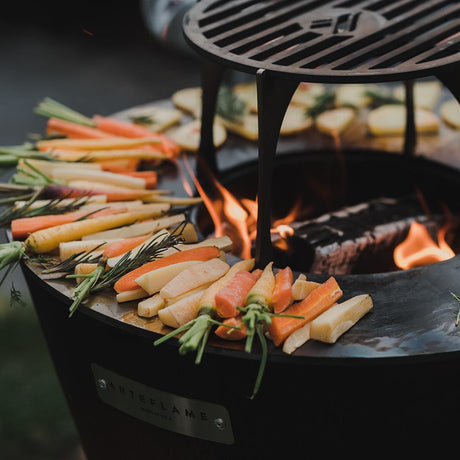
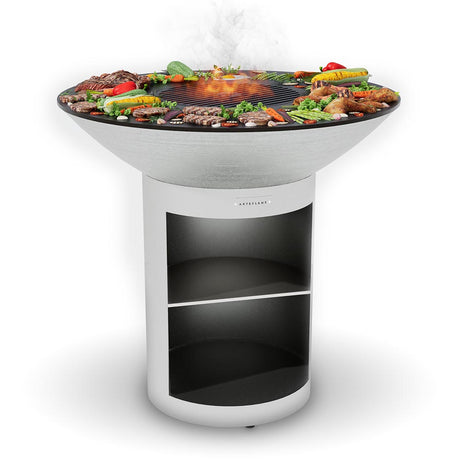
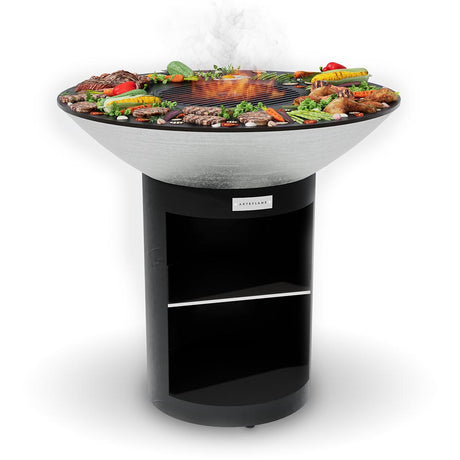
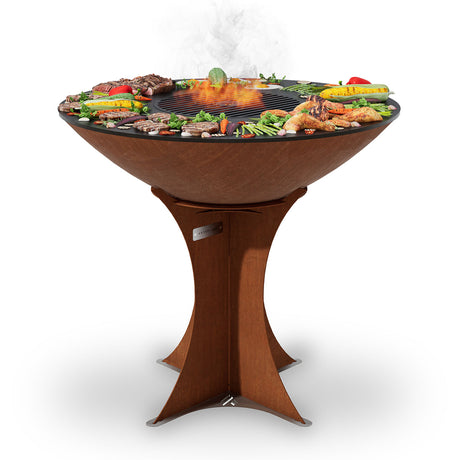
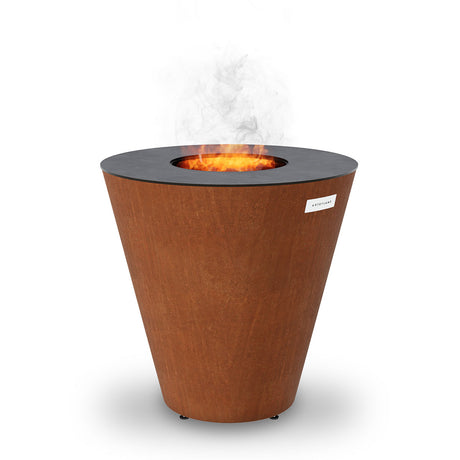
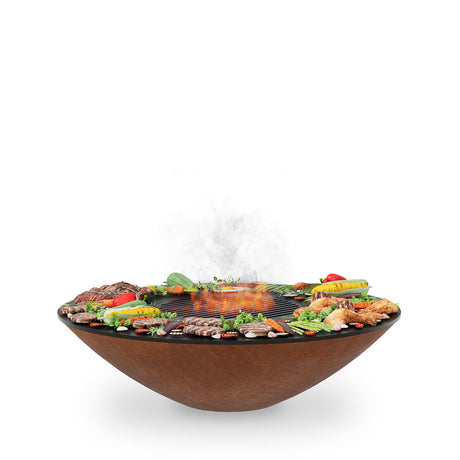
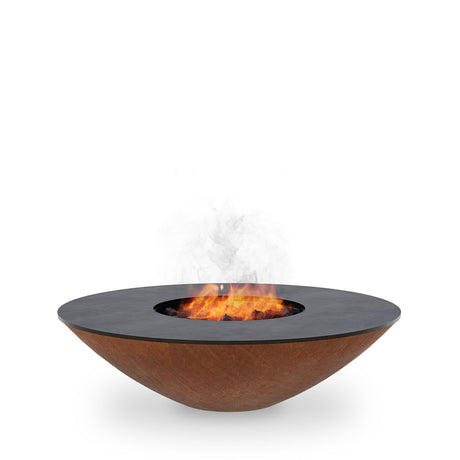
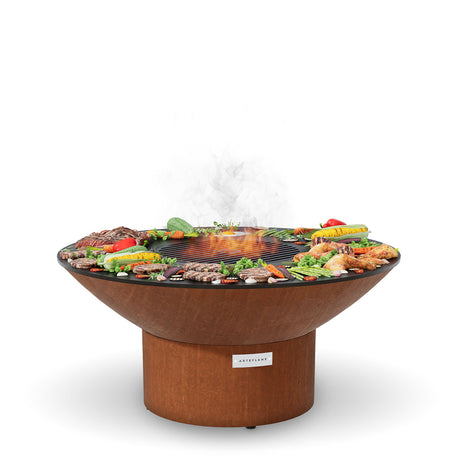
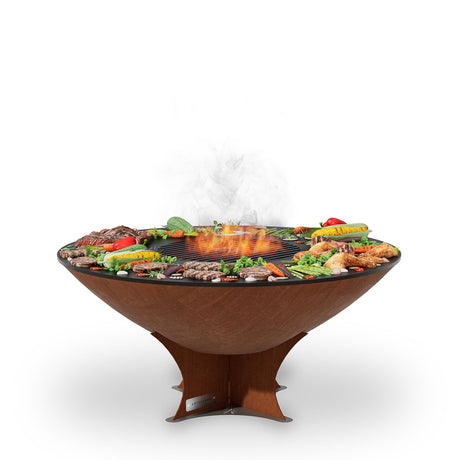
If you are cooking on an Arteflame or similar flat-top grill, move cooked food to the outer edges of the cooktop. This area provides gentle heat that keeps food warm without continuing to sear or dry out the meat. This effectively acts as a warming plate, keeping the food out of the Danger Zone.
If you don't have warming chafing dishes, you can use a high-quality cooler to keep food hot, not cold.
Pro Tip: Never put hot food directly into a refrigerator. Large quantities of hot grilled meat can raise the ambient temperature of your fridge, endangering the other food stored inside. Let it cool to room temperature (within the 2-hour limit) before storing.
Here are the specific answers regarding outdoor food safety that usually trip up home cooks.
No, covering food does not stop bacterial growth. While a lid or foil prevents insects and dust from landing on the food, it does not prevent the temperature from falling into the Danger Zone (40°F - 140°F) where bacteria thrive.
No, reheating does not make the food safe if it has been out too long. Some bacteria produce heat-resistant toxins (like those from Staph) that cannot be destroyed by reheating, even if you bring the meat back to a boil.
Yes, cooked vegetables are also perishable. Grilled peppers, onions, and corn contain moisture and nutrients that support bacterial growth once the temperature drops, so they follow the exact same time limits as meat.






Turn yesterday's leftover macaroni into today's crispy, golden side dish with this easy wood-fired recipe.

Master this Texas-style open-fire brisket cooked entirely on the Arteflame grill. By searing on the center grate and wrapping to render on the flat top, you get perfectly tender, juicy...

Transform standard thick-cut bacon into a sweet, savory appetizer with a dark stout and brown sugar glaze, perfectly caramelized on a flat-top grill.

Render the perfect crispy skin with these Sichuan Peppercorn Duck Breasts, paired with a smoky, sweet, and spicy charred plum-poblano sauce.

Tender artichoke halves charred over high heat and smothered in rich garlic butter and Parmesan cheese.

Achieve the ultimate crust with this low-and-slow beef brisket recipe, utilizing natural heat zones for a perfect sear and incredibly tender finish.

Transform the trending crispy rice paper dumplings into a wood-fired masterpiece. Cooked on the Arteflame flat steel griddle for a shatteringly crisp crust and savory, high-protein filling.

Elevate albacore tuna with a steakhouse-style bacon wrap and a decadent green peppercorn cream sauce, grilled flawlessly on a flat-top.