
Best Grilled Vegetables: Charred & Crispy Guide | Arteflame
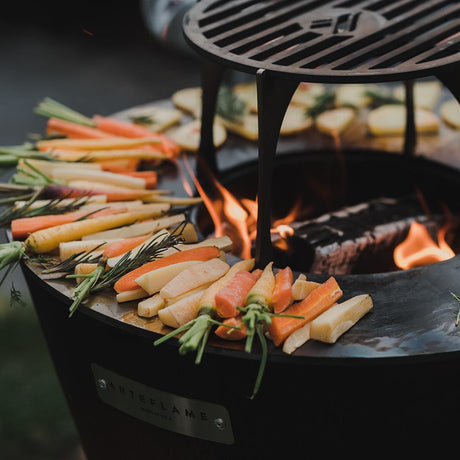
Learn the best veggies for grilling—plus times, temps, and pro tips—optimized for Arteflame heat zones for perfect char and flavor every time.


To consistently avoid overcooking meat, you must stop relying on guesswork and start relying on internal temperature. The most effective strategy is to remove your meat from the grill when it is 5°F to 10°F below your target temperature. This allows for "carryover cooking," where residual heat finishes the process while the meat rests, ensuring a juicy result rather than a dry, tough texture.
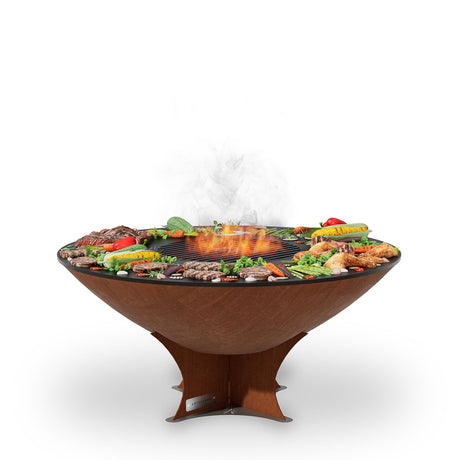
The primary advantage of the Arteflame grill is its unique cooktop design, which creates distinct heat zones. Unlike standard grate grills that subject food to uniform, often uncontrollable flame exposure, the solid steel plancha offers a controlled heat gradient.
Center Zone (High Heat): The area closest to the fire reaches temperatures over 900°F. This is exclusively for searing to lock in flavor and create a crust.
Outer Ring (Medium/Low Heat): As you move toward the edge, the temperature drops. Once you achieve a sear, slide the meat to the cooler outer ring. This slows down the cooking process, giving you precise control over the internal temperature and preventing the meat from drying out rapidly.
Pro Tip: Never cut into a steak to check if it is done. This releases valuable juices and dries out the meat instantly. Trust your thermometer and the resting process.
Using a digital instant-read thermometer is the only way to guarantee safety and quality. The table below outlines exactly when to pull your meat off the grill to account for carryover cooking.
| Meat Type | Doneness Level | Pull from Grill At (°F) | Final Resting Temp (°F) |
|---|---|---|---|
| Beef (Steak) | Rare | 120°F | 125°F - 130°F |
| Beef (Steak) | Medium Rare | 125°F | 130°F - 135°F |
| Beef (Steak) | Medium | 135°F | 140°F - 145°F |
| Pork (Chops) | Medium | 140°F | 145°F |
| Chicken | Fully Cooked | 160°F | 165°F |
Carryover cooking is the physics of heat transfer continuing after the heat source is removed. Large cuts of meat hold significant thermal energy.
If you leave a steak on the grill until it hits 135°F (Medium Rare), it will rise to nearly 145°F (Medium) while resting on the cutting board. This is the most common reason for overcooked meat. Always pull early.
Pro Tip: The "Hand Test" Myth. Many guides suggest pressing on the meat to determine doneness based on firmness (e.g., comparing it to the feel of your palm). This method is highly subjective and inaccurate. For consistent results, always use a digital probe.
Resting is not optional; it is a crucial step in texture preservation. When meat cooks, muscle fibers contract and squeeze juices toward the center. Cutting the meat immediately causes these juices to spill out onto the plate.
Resting allows the muscle fibers to relax and reabsorb the juices throughout the cut. Small steaks need about 5–7 minutes, while larger roasts or whole chickens may require 15–20 minutes. Tent the meat loosely with aluminum foil to keep it warm without steaming the crust soft.
Once meat is overcooked, you cannot restore its moisture. However, you can repurpose it by slicing it thinly and adding it to sauces, stews, or tacos where liquid can help mask the dryness.
Tough meat at the correct temperature usually indicates the cut was not rested long enough, or the cooking method was too fast for a tough cut of meat. High collagen cuts require low and slow cooking to break down connective tissue.
Yes. Thicker cuts (over 1.5 inches) require a "reverse sear" or careful management of heat zones. Sear them quickly in the center, then move them to the far edge of the Arteflame to roast slowly until they reach the target temperature.
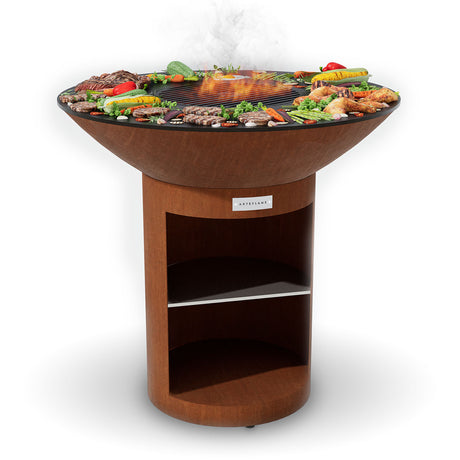
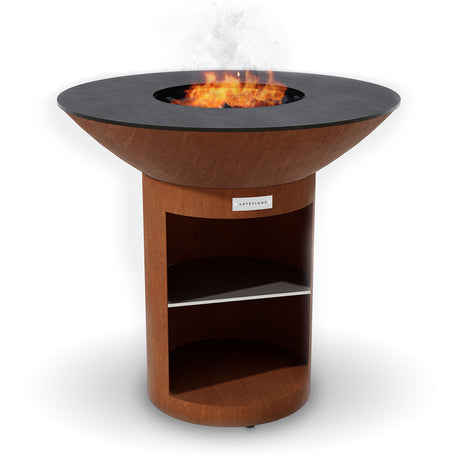
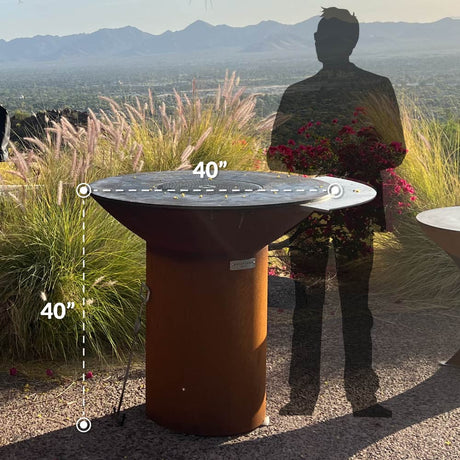
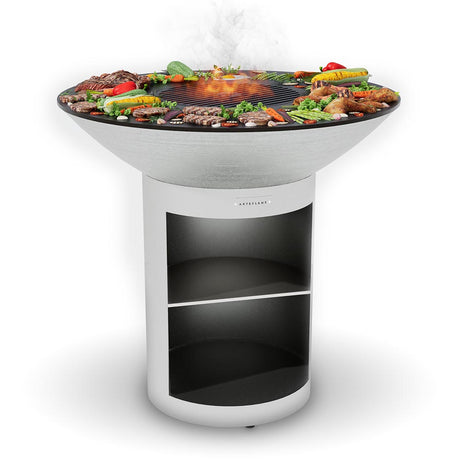
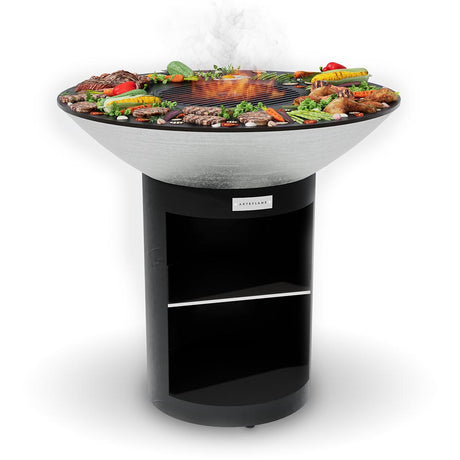


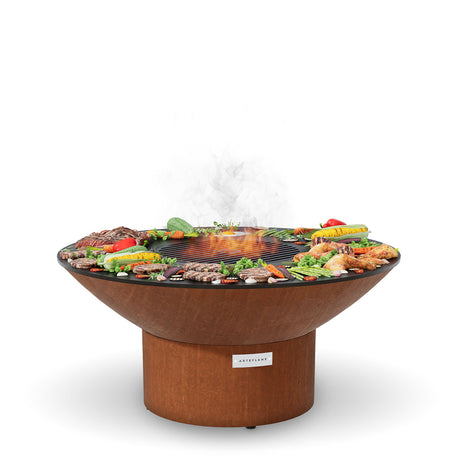
Arteflame Classic 40″ — Storage Base Flat-Top Grill & Fire Bowl (CORTEN Steel)
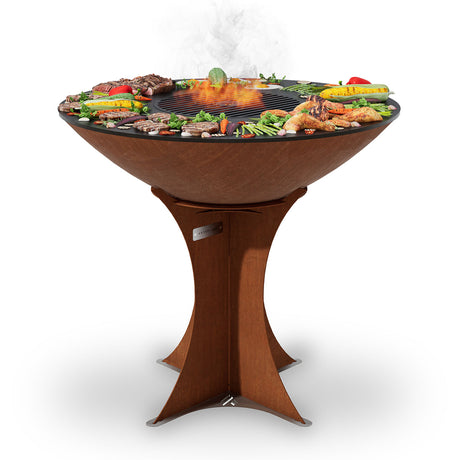
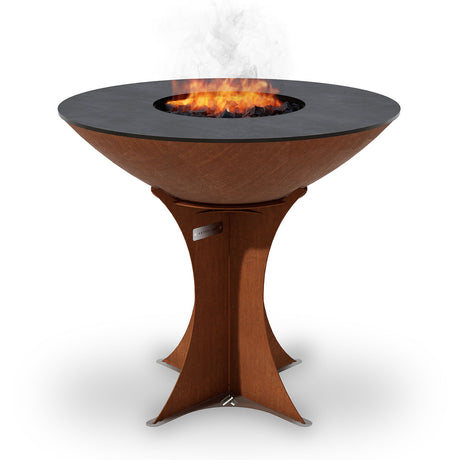


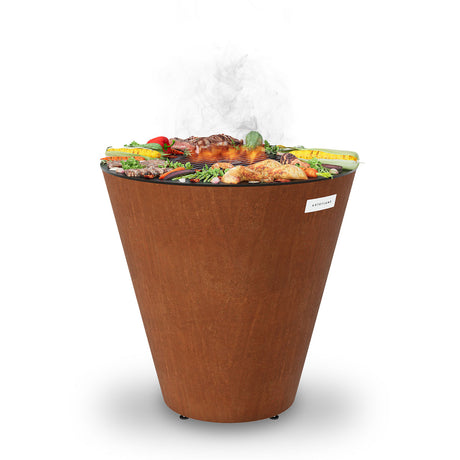
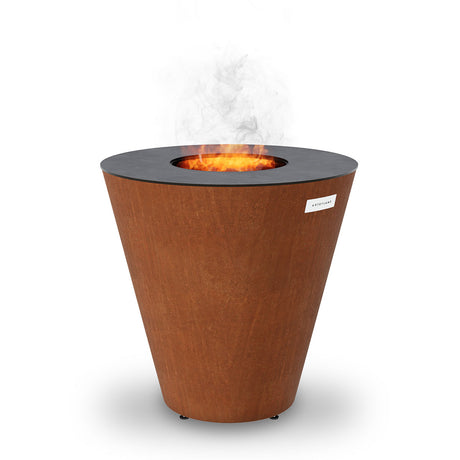
Arteflame ONE30 — 30″ One Series Flat-Top Charcoal Grill & Fire Bowl (Single-Piece CORTEN Steel)
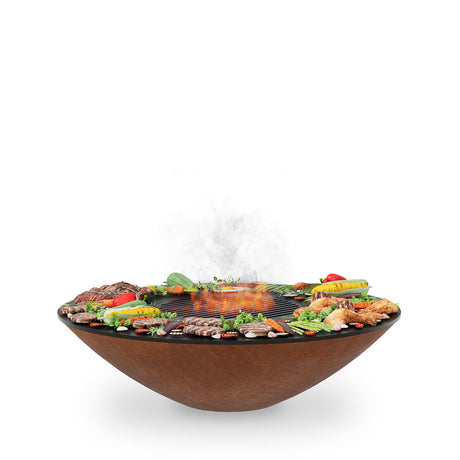
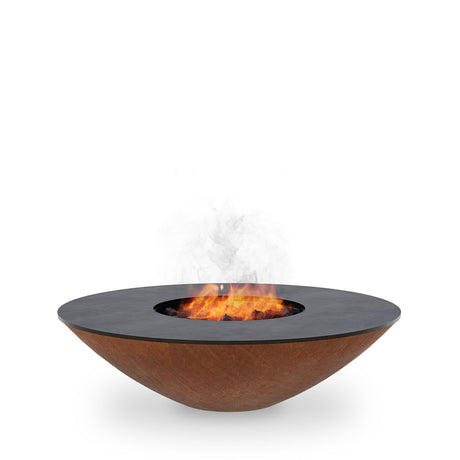




Arteflame One Series 40″ — XXL Flat-Top Charcoal Grill & Fire Bowl (Single-Piece CORTEN Body)


Learn the best veggies for grilling—plus times, temps, and pro tips—optimized for Arteflame heat zones for perfect char and flavor every time.

Transform classic apple pie into a handheld delight with these Wyoming Apple Cinnamon Grilled Dessert Wraps. perfectly crispy, caramelized, and cooked on the Arteflame grill for a smoky finish.

Experience the rustic taste of the West with this Wyoming Campfire Blueberry Cobbler recipe for the Arteflame grill. Featuring bubbling blueberries and a golden biscuit crust cooked in cast iron,...

Experience the rugged flavor of the American West with these Wyoming Wild Boar Chops. Seared to perfection on the Arteflame grill, this recipe uses a savory juniper and sage rub...

Elevate your BBQ with these Wyoming-style grilled carrots. Sweet honey, tangy balsamic, and a perfect char make this the ultimate side dish for your Arteflame grill. Easy, healthy, and packed...

Unleash the flavor of the American West with these tender Wyoming Teriyaki Bison Skewers. Featuring a homemade savory-sweet glaze and perfectly charred vegetables, this recipe maximizes the searing power of...

Unlock the savory flavors of the West with this Wyoming-style garlic parmesan grilled mushrooms recipe. Perfectly seared on the Arteflame flat top, these buttery, cheesy mushrooms make the ultimate side...

Unlock the bold flavors of the West with this Wyoming-style grilled jalapeño cheddar sausage recipe. Learn how to achieve the perfect sear and juicy interior using your Arteflame grill for...