
Best Grilled Vegetables: Charred & Crispy Guide | Arteflame
Learn the best veggies for grilling—plus times, temps, and pro tips—optimized for Arteflame heat zones for perfect char and flavor every time.

 4.8
4.8

There is a primal magic that happens when fire meets meat, but nothing quite compares to the majesty of Texas Beef Plate Ribs. Known affectionately as "Dino Ribs," these behemoths are the holy grail of barbecue—boasting a rich, gelatinous texture and a peppery bark that cracks to reveal impossibly juicy meat. It’s the kind of meal that demands you roll up your sleeves, forget the silverware, and gather your favorite people for a feast that feels both prehistoric and luxurious.
I adore this recipe because it celebrates simplicity. Unlike pork ribs that often hide behind sugary sauces, these ribs rely on a simple salt and pepper rub and the alchemy of wood smoke. Cooking them on the Arteflame grill elevates the experience, turning the "low and slow" process into a visual centerpiece where the open fire creates a convection of flavor you just can’t replicate in a standard oven. It is a labor of love that rewards patience with the best bite of beef you will ever taste.
If you don't have pink butcher paper, heavy-duty aluminum foil works for the "Texas Crutch," though it may soften the bark slightly. Also, feel free to swap the mustard binder for hot sauce or even pickle juice for an extra layer of tang.
Success with beef ribs largely comes down to sourcing the right cut and managing your patience. Make sure you ask your butcher specifically for "Plate Ribs" (bones 6, 7, and 8) or NAMP 123A. If you accidentally buy Chuck Short Ribs, they are still delicious but are smaller and cook much faster. When cooking on the Arteflame, fire management is key. Since you are using real wood, keep your logs small to avoid massive temperature spikes. You want a clean, blue smoke rather than thick, billowing white smoke, which can make the meat taste bitter.
Resting the meat is arguably the most critical step in this entire recipe. If you slice into the ribs immediately after pulling them off the grill, all the rendered tallow and juices will run out onto the cutting board, leaving you with dry meat. Let the meat relax in the cooler; the internal temperature will stabilize, and the juices will redistribute throughout the muscle fibers. A two-hour rest is even better than one if you have the time.
While the classic Central Texas salt-and-pepper rub is legendary, beef ribs are a robust canvas that can handle a variety of flavor profiles. If you want to switch things up from the traditional purist approach, try experimenting with different binders or finishing sauces. Here are a few variations to consider for your next cookout:
Beef ribs are incredibly rich due to the high fat content and gelatin rendering, so the best side dishes are those that provide acidity or a refreshing crunch to cut through that richness. You don't want sides that are too heavy, or your guests might tap out too early. Think about textures and flavors that cleanse the palate between bites of smoky, fatty beef.
Cooking Texas Smoked Beef Ribs on the Arteflame is more than just preparing a meal; it is an experience that connects you to the elemental roots of cooking with fire. The visual appeal of the giant "Dino Ribs," combined with the intoxicating aroma of wood smoke, makes this dish a showstopper for any gathering. By following the steps of preparation, patience during the stall, and the crucial resting period, you ensure that every bite is succulent and flavorful.
Don't be intimidated by the long cook time. The process is forgiving, and the Arteflame makes maintaining the fire an enjoyable part of the day. Once you slice into that dark, bark-encrusted rib and see the smoke ring and juicy interior, you’ll understand why this is considered the holy grail of BBQ. Gather your friends, crack open a cold drink, and enjoy the best beef ribs you’ve ever tasted.

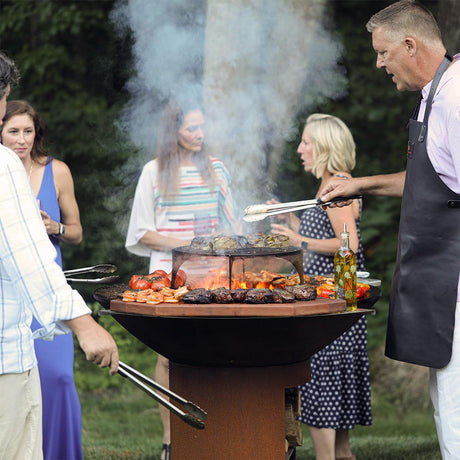
Experience the Arteflame difference — 1,000°F searing, natural wood-fired flavor, and a wide cooktop with multiple heat zones, all in one beautifully designed grill. Cook everything at once, control every temperature with ease, and elevate every outdoor moment. Discover why Arteflame transforms the way you grill.
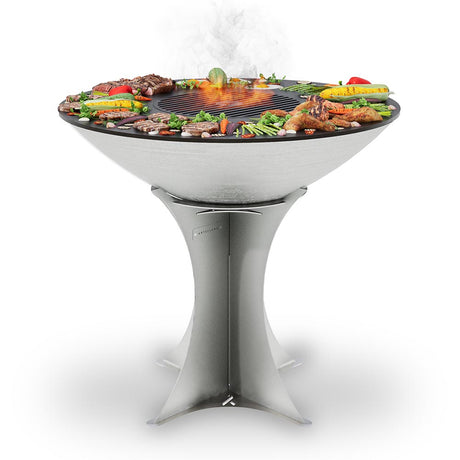





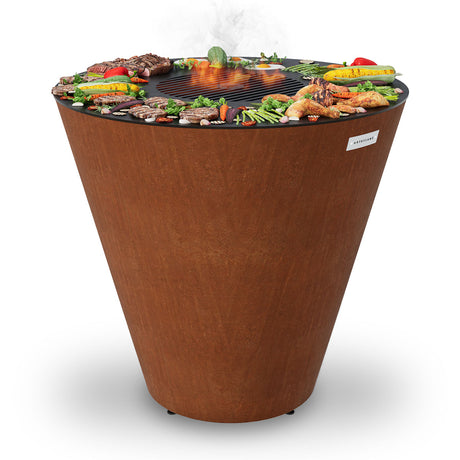


Arteflame One Series 40″ — XXL Flat-Top Charcoal Grill & Fire Bowl (Single-Piece CORTEN Body)
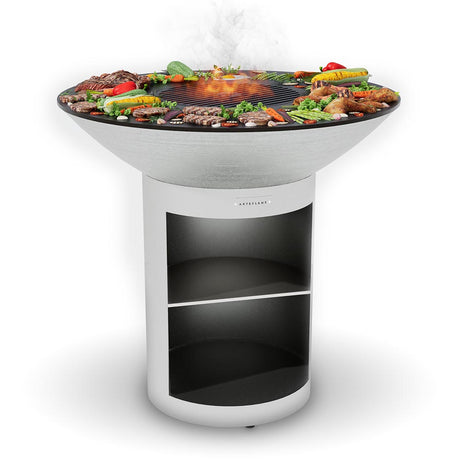
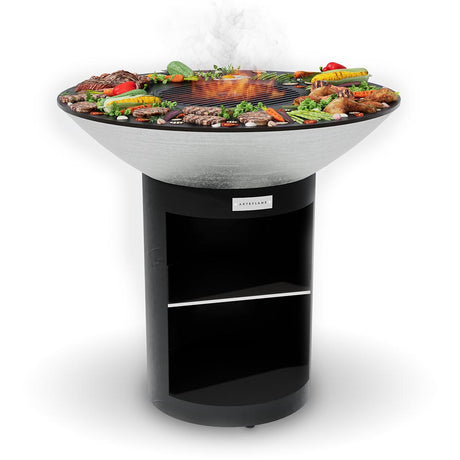
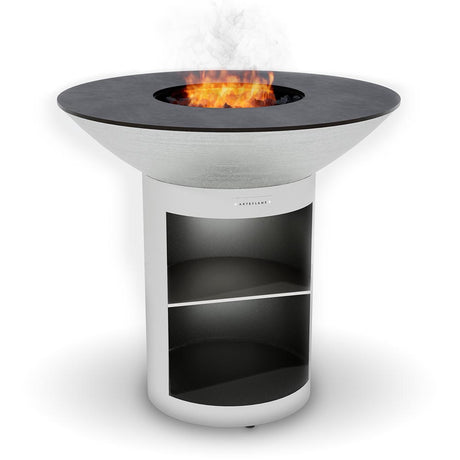


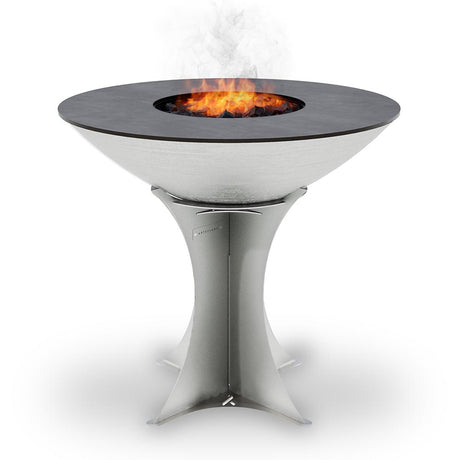
Arteflame 40″ Platinum Series — Stainless Fire Bowl Flat-Top Grill with Storage Base
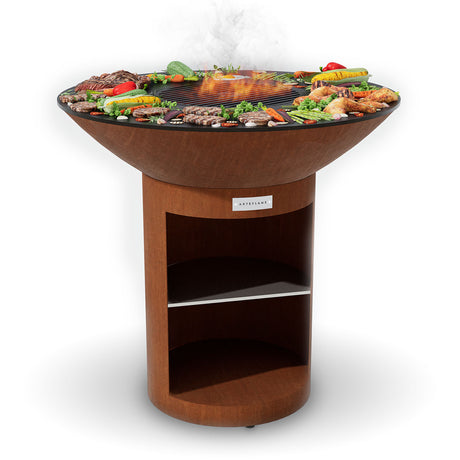
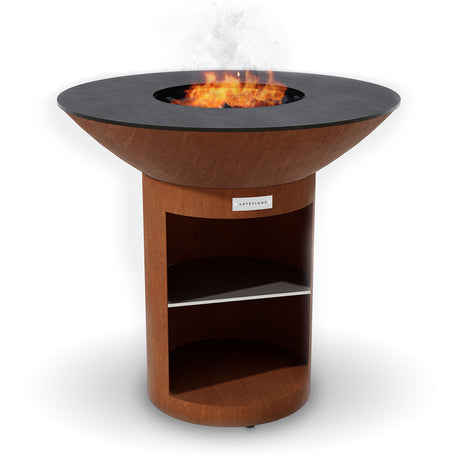
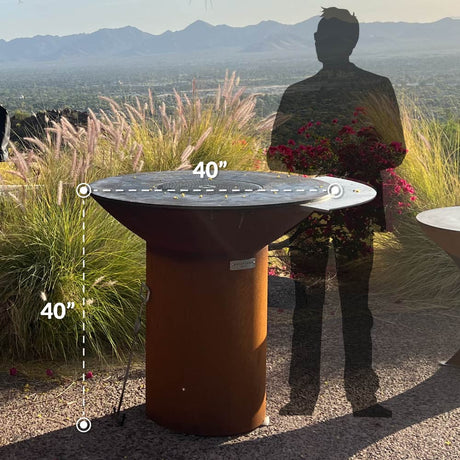
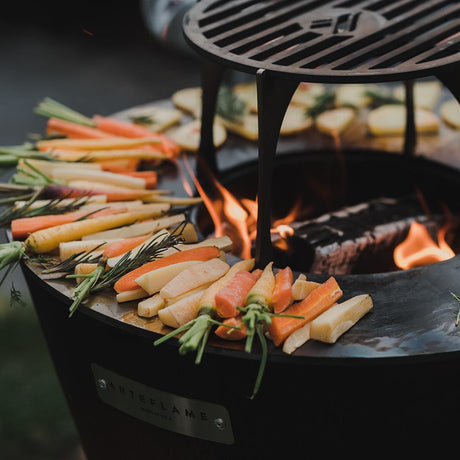
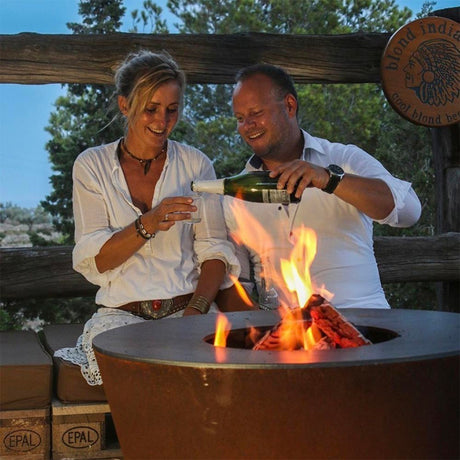
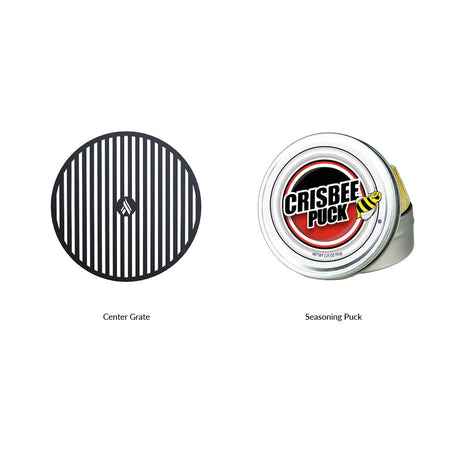
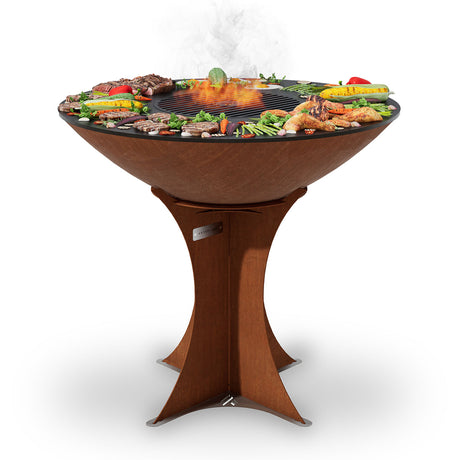
Arteflame Classic 40″ — Storage Base Flat-Top Grill & Fire Bowl (CORTEN Steel)
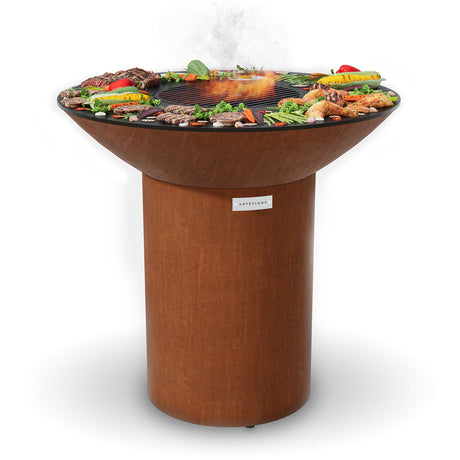
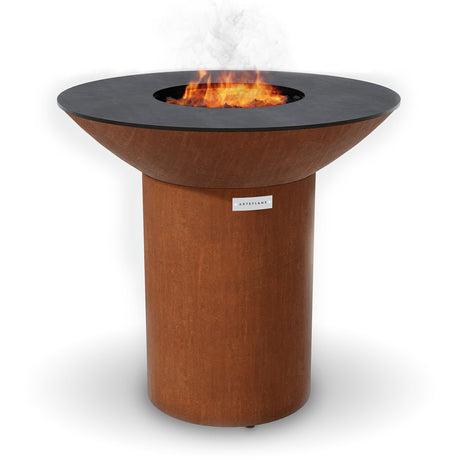
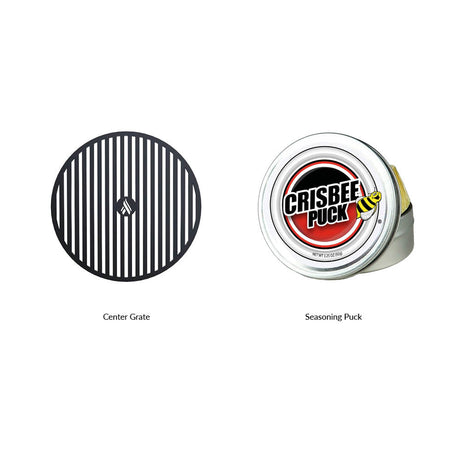
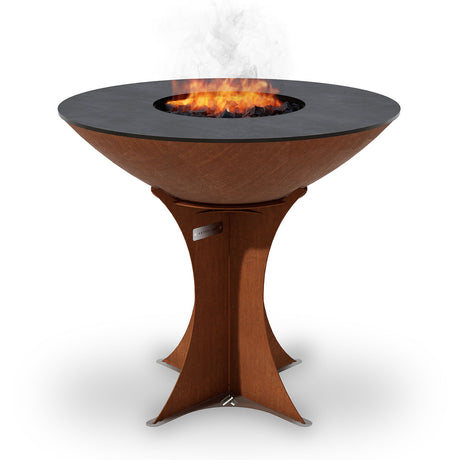
Arteflame Classic 40″ — Round Base Flat-Top Grill & Fire Bowl (CORTEN Steel)
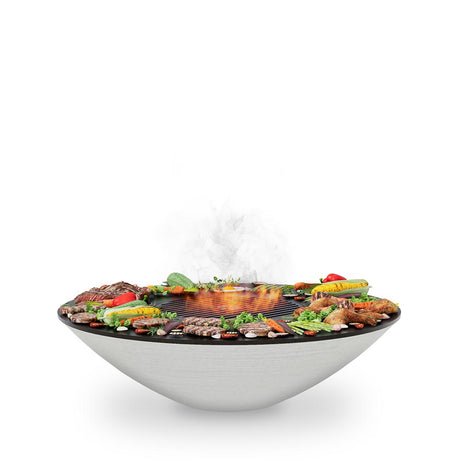
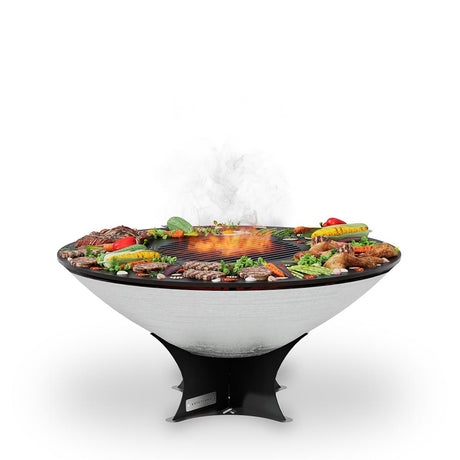
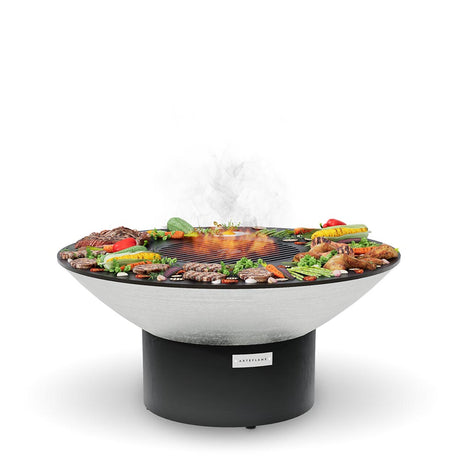
Learn the best veggies for grilling—plus times, temps, and pro tips—optimized for Arteflame heat zones for perfect char and flavor every time.

Transform classic apple pie into a handheld delight with these Wyoming Apple Cinnamon Grilled Dessert Wraps. perfectly crispy, caramelized, and cooked on the Arteflame grill for a smoky finish.

Experience the rustic taste of the West with this Wyoming Campfire Blueberry Cobbler recipe for the Arteflame grill. Featuring bubbling blueberries and a golden biscuit crust cooked in cast iron,...

Experience the rugged flavor of the American West with these Wyoming Wild Boar Chops. Seared to perfection on the Arteflame grill, this recipe uses a savory juniper and sage rub...

Elevate your BBQ with these Wyoming-style grilled carrots. Sweet honey, tangy balsamic, and a perfect char make this the ultimate side dish for your Arteflame grill. Easy, healthy, and packed...

Unleash the flavor of the American West with these tender Wyoming Teriyaki Bison Skewers. Featuring a homemade savory-sweet glaze and perfectly charred vegetables, this recipe maximizes the searing power of...

Unlock the savory flavors of the West with this Wyoming-style garlic parmesan grilled mushrooms recipe. Perfectly seared on the Arteflame flat top, these buttery, cheesy mushrooms make the ultimate side...

Unlock the bold flavors of the West with this Wyoming-style grilled jalapeño cheddar sausage recipe. Learn how to achieve the perfect sear and juicy interior using your Arteflame grill for...