
Authentic Austrian Winter Grilled Leberkäse Recipe
Experience the ultimate Austrian comfort food with this authentic Grilled Leberkäse recipe. Learn how to achieve the perfect crispy crust and juicy interior using the unique heat zones of your...


There is no scent quite as evocative of a European autumn as the aroma of Castanhas Assadas—Portuguese grilled chestnuts. In Lisbon and Porto, as the air turns crisp, street corners fill with clouds of fragrant smoke billowing from portable charcoal roasters, signaling the arrival of St. Martin’s Day (Dia de São Martinho). These aren't just nuts; they are a warm, salty embrace of the season, characterized by their charred shells and tender, sweet interiors. While traditionally roasted over charcoal braziers, the Arteflame grill is the perfect modern tool to replicate this rustic street-food experience right in your backyard.
Using the Arteflame’s flat-top griddle provides the consistent high heat necessary to blister the skins, while the center fire adds that essential smoky nuance. Unlike oven roasting, grilling chestnuts on the Arteflame allows the skins to char and crackle, imparting a deep, wood-fired flavor that penetrates the meat of the nut. This recipe is simple, requiring only two essential ingredients, but the result is a complex, velvety treat that captures the soul of Portuguese heritage. It is the ultimate comfort food for a chilly evening gathered around the fire.
The secret to the best Portuguese chestnuts lies not just in the heat, but in the preparation. The most common mistake people make is skipping the "sweating" phase after grilling; this step is non-negotiable if you want the skins to slip off effortlessly. Additionally, be generous with the salt. In Portugal, the chestnuts often appear white because they are roasted with so much salt—this doesn't make the nut overly salty, as you peel the shell off, but it seasons your fingers and adds a savory contrast to the sweet nut meat. Finally, always discard any chestnuts that float when you are soaking them initially, as this usually indicates they are dried out or spoiled inside.
While the traditional Portuguese recipe relies strictly on salt and smoke, you can elevate the flavor profile to suit different palates using the versatility of the Arteflame. These variations add a modern twist to the classic street food.
In Portugal, chestnuts are rarely eaten alone; they are part of a social ritual often accompanied by specific beverages that complement their starchy, sweet texture. The robust, smoky flavor of Arteflame-grilled chestnuts pairs beautifully with autumn drinks and rustic sides.
Recreating Portuguese grilled chestnuts on the Arteflame is more than just a cooking method; it is a celebration of harvest and hearth. The steel cooktop mimics the traditional iron roasters of Lisbon, delivering that unmistakable charred exterior and creamy, sweet interior that boils simply cannot achieve. Whether you are hosting an autumn gathering or simply enjoying a quiet evening by the fire, these Castanhas Assadas bring a touch of European nostalgia to your table. So, pour a glass of Port, gather your friends, and enjoy the timeless ritual of peeling and eating these smoky treasures.

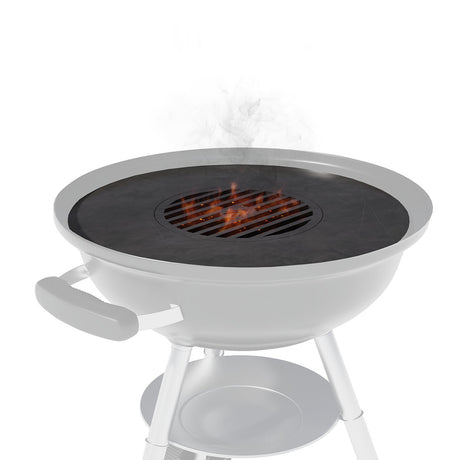
Experience the Arteflame difference — 1,000°F searing, natural wood-fired flavor, and a wide cooktop with multiple heat zones, all in one beautifully designed grill. Cook everything at once, control every temperature with ease, and elevate every outdoor moment. Discover why Arteflame transforms the way you grill.
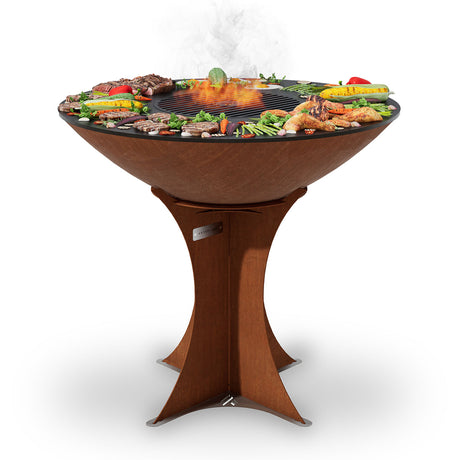
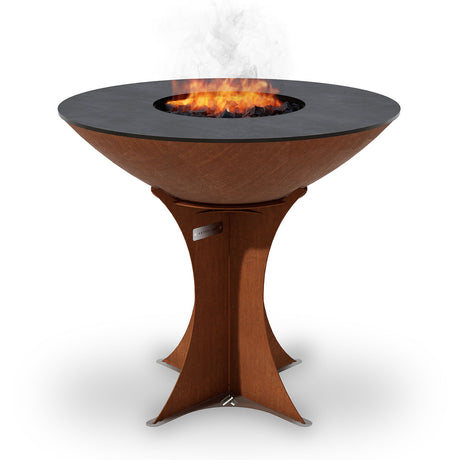


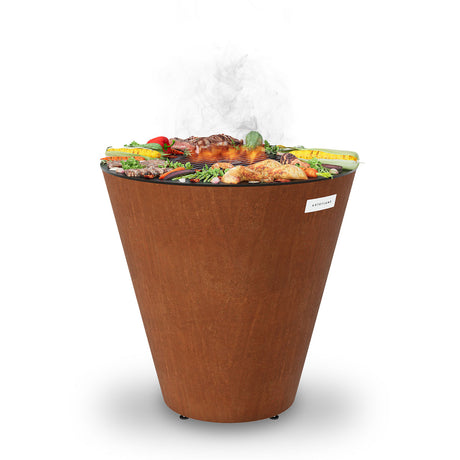
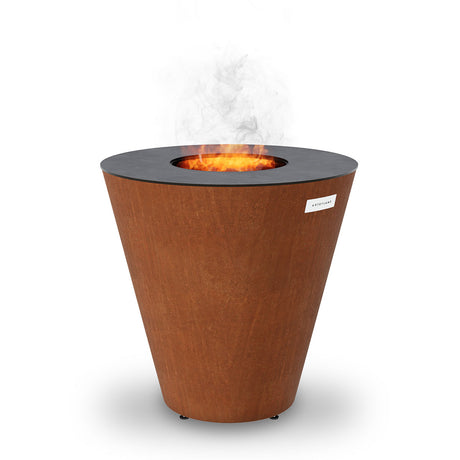
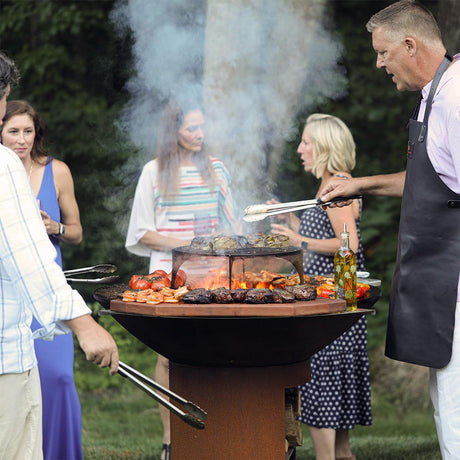
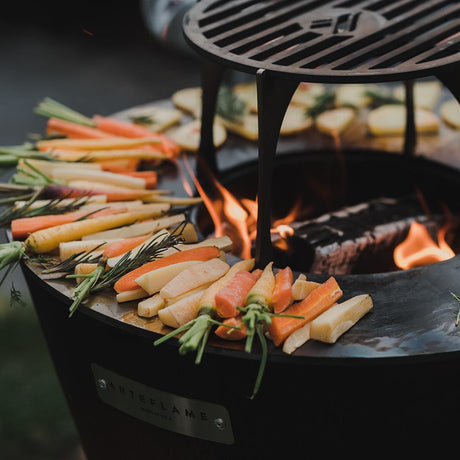
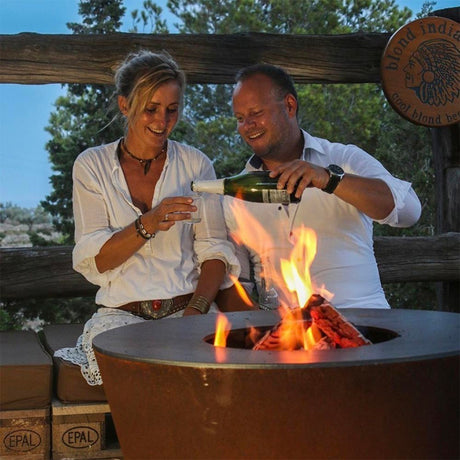
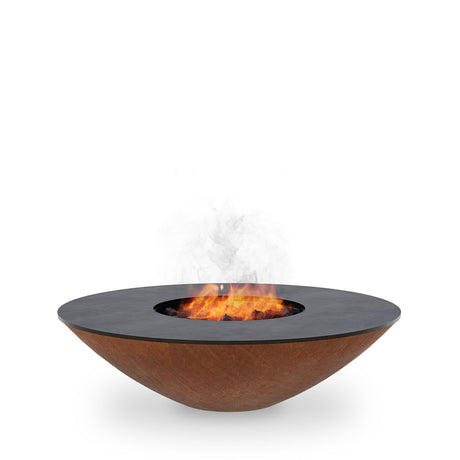
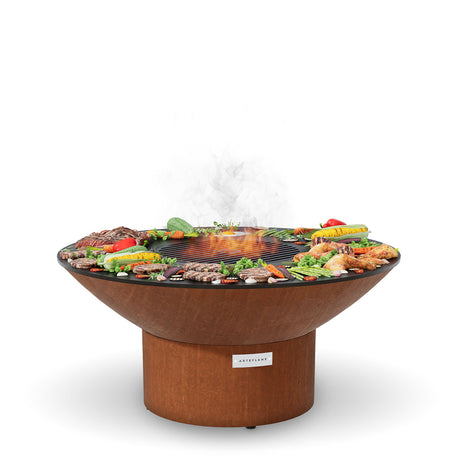
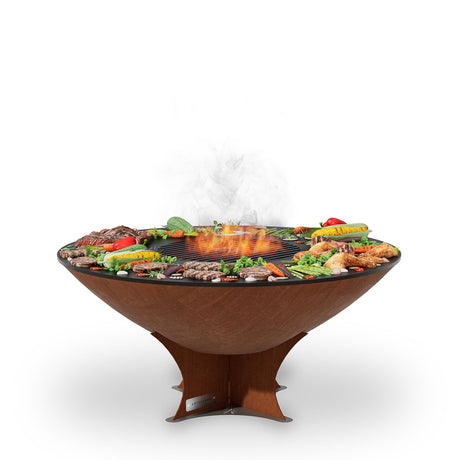
Arteflame ONE30 — 30″ One Series Flat-Top Charcoal Grill & Fire Bowl (Single-Piece CORTEN Steel)
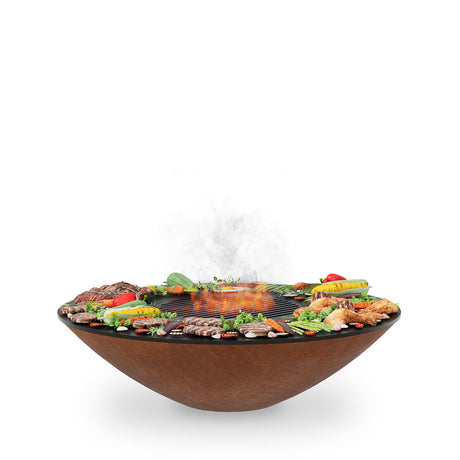


Experience the ultimate Austrian comfort food with this authentic Grilled Leberkäse recipe. Learn how to achieve the perfect crispy crust and juicy interior using the unique heat zones of your...

Discover the ultimate summer side dish with these crispy Iowa Sweet Corn Fritters. Cooked to golden perfection on the Arteflame grill, this recipe combines fresh corn sweetness with a savory,...

Discover the perfect balance of sweet and savory with our Iowa Maple Glazed Pork Ribs recipe. Learn how to achieve fall-off-the-bone tenderness and a caramelized finish using the Arteflame grill's...

Discover the nutty richness of Austria with this Styrian Pumpkin Seed Oil Chicken recipe. Perfectly seared on the Arteflame grill, this dish combines a savory pumpkin seed crust with a...

Experience the rustic charm of the Alps right in your backyard. This Austrian-inspired grilled polenta recipe delivers a satisfying crunch, a creamy interior, and the rich, nutty flavor of melted...

Transport your taste buds to Austria with this authentic Crispy Schopfbraten recipe. Learn how to grill a succulent, garlic and caraway-crusted pork neck roast to perfection on the Arteflame grill...

Discover the secret to perfect Iowa-style Buffalo Chicken Breasts using the Arteflame Grill. This recipe combines a savory dry rub, a smoky sear, and a buttery, tangy hot sauce glaze...

Unlock the savory secrets of Iowa Grilled Beef Short Ribs. This recipe combines a rich soy-ginger marinade with the wood-fired sear of an Arteflame grill for tender, caramelized perfection.