
Crisp and Golden Mac and Cheese Cakes on the Grill
Turn yesterday's leftover macaroni into today's crispy, golden side dish with this easy wood-fired recipe.


The moment the sweet, nutty aroma of roasting chestnuts hits the cool air, I’m instantly transported to a bustling Roman piazza in late autumn. These Caldarroste are more than just a snack; they are a cozy ritual. When cooked on the Arteflame, the open fire blisters the shells perfectly, revealing a tender, golden center that pairs beautifully with the rustic crunch of flaky sea salt and earthy fresh rosemary.
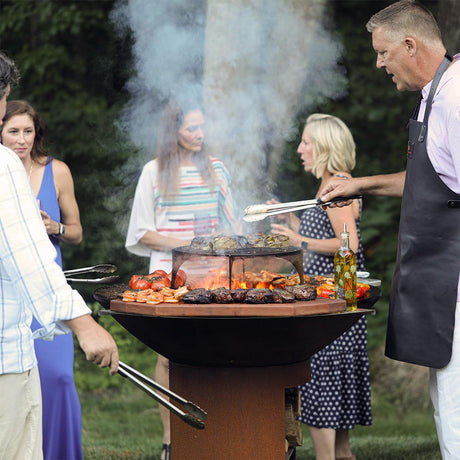
While oven-roasting is fine, grilling chestnuts creates a depth of flavor you just can't fake. The high heat gives them a smoky edge that balances their natural sweetness. Plus, it’s an incredibly social appetizer—there is something wonderfully communal about standing around the grill, peeling warm nuts while sipping a glass of bold red wine.
If you prefer a richer flavor, swap the olive oil for melted butter. Not a fan of rosemary? Fresh thyme or sage offers a lovely, milder herbal note that still screams "holidays."
The secret to perfect grilled chestnuts lies in the preparation and the post-grill rest. Never skip the scoring step; a chestnut that hasn't been pierced is essentially a pressure bomb waiting to go off on your hot grill. When selecting your nuts at the market, look for shells that are glossy and dark brown—dull or rattled shells often indicate age or mold. The weight is also a giveaway; fresh chestnuts should feel heavy for their size.
Furthermore, timing the peel is an art form. You must peel chestnuts while they are still warm. As soon as they cool down, the inner skin re-adheres to the nut meat and becomes stubborn and difficult to remove. If you are hosting a party, roast them in small batches so your guests can enjoy the tactile experience of peeling them while they are fresh, hot, and aromatic. The soaking step is your insurance policy against dry, chalky nuts, so give them that time in the water bath.
While the rosemary and sea salt combination is a timeless Italian classic, chestnuts are a versatile canvas for various flavor profiles. You can easily adapt this recipe to lean sweeter or spicier depending on the occasion. Utilizing the different heat zones of your Arteflame allows you to experiment with glazes that might otherwise burn on a traditional grate.
Italian grilled chestnuts are bold enough to stand alone, but they shine brightest when paired with the right beverages and accompaniments. The goal is to balance the nutty, slightly sweet density of the chestnut with acidic or bold flavors. In Italy, *Caldarroste* are almost inextricably linked with wine, specifically young, fruity reds that cut through the starchiness of the nut.
Mastering the art of Italian grilled chestnuts on your Arteflame is more than just following a recipe; it is about creating an atmosphere of warmth and community. The crackle of the fire, the scent of roasting rosemary, and the shared activity of peeling hot chestnuts create a sensory experience that defines the autumn and winter seasons. It is a simple, rustic pleasure that connects you to centuries of culinary tradition.
Whether you are looking for a unique appetizer for your next barbecue or a cozy treat to enjoy under the stars, this rosemary and sea salt variation delivers complex flavors with minimal effort. So, gather your friends, fire up the grill, and enjoy the sweet, smoky reward of homemade *Caldarroste*.

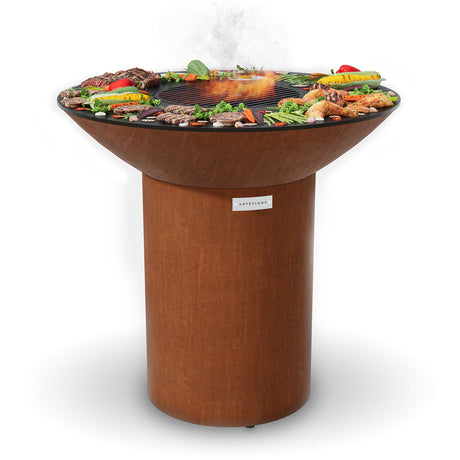
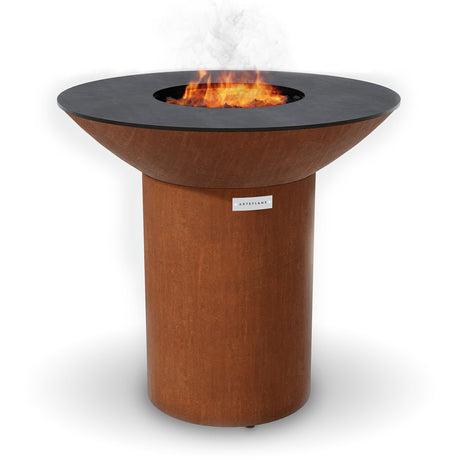
Experience the Arteflame difference — 1,000°F searing, true wood-fired flavor, and a wide cooktop with multiple heat zones all in one beautiful grill. Cook everything at once, control every temperature with ease, and transform every outdoor gathering. Discover how Arteflame elevates the art of grilling.









Turn yesterday's leftover macaroni into today's crispy, golden side dish with this easy wood-fired recipe.

Master this Texas-style open-fire brisket cooked entirely on the Arteflame grill. By searing on the center grate and wrapping to render on the flat top, you get perfectly tender, juicy...

Transform standard thick-cut bacon into a sweet, savory appetizer with a dark stout and brown sugar glaze, perfectly caramelized on a flat-top grill.

Render the perfect crispy skin with these Sichuan Peppercorn Duck Breasts, paired with a smoky, sweet, and spicy charred plum-poblano sauce.

Tender artichoke halves charred over high heat and smothered in rich garlic butter and Parmesan cheese.

Achieve the ultimate crust with this low-and-slow beef brisket recipe, utilizing natural heat zones for a perfect sear and incredibly tender finish.

Transform the trending crispy rice paper dumplings into a wood-fired masterpiece. Cooked on the Arteflame flat steel griddle for a shatteringly crisp crust and savory, high-protein filling.

Elevate albacore tuna with a steakhouse-style bacon wrap and a decadent green peppercorn cream sauce, grilled flawlessly on a flat-top.
Inspired to Grill?
Love it? Tell us — rate this recipe in 2 seconds. Tap a star below.