
Best Grilled Vegetables: Charred & Crispy Guide | Arteflame
Learn the best veggies for grilling—plus times, temps, and pro tips—optimized for Arteflame heat zones for perfect char and flavor every time.

 4.8
4.8

Imagine the sun setting over a rugged landscape, the smell of wood smoke mixing with the savory aroma of sizzling butter. There is nothing quite like the golden-brown crunch of fresh Rocky Mountain Oysters hot off the grill to spark a conversation. Known as "Cowboy Caviar," these bite-sized morsels offer a texture surprisingly similar to calamari—tender on the inside with a satisfying snap on the outside. It is a dish that embodies the adventurous spirit of the West and brings a unique, rustic charm to any backyard gathering.
I adore this recipe because it takes a traditional deep-fried novelty and elevates it using the Arteflame. By searing the breaded medallions on the solid steel cooktop, we achieve that crave-worthy crust without the heavy grease of a deep fryer. It creates a lighter, smokier flavor profile that lets the mild meat shine. Plus, it is a fantastic icebreaker; watching guests go from hesitant to hooked after one bite is always the highlight of the barbecue.
If you don't have buttermilk on hand, a mixture of milk and a splash of lemon juice or vinegar works perfectly for the brine. For a gluten-free version, easily swap the all-purpose flour for a 1:1 gluten-free baking blend or use fine almond flour for a nuttier crust.
To get that perfect crust on the plancha, we use a mixture of flour and cornmeal. This ensures the coating stands up to the butter and heat of the grill.
The secret to excellent Rocky Mountain Oysters lies almost entirely in the prep work. Do not skip the soaking step; the buttermilk or beer brine is essential for removing any gamey flavor and ensuring the meat is tender rather than rubbery. When peeling the membrane, use a extremely sharp knife and patience—removing all the skin is non-negotiable for a pleasant eating experience. If you find the meat difficult to slice, try freezing it partially for about 30 minutes before cutting; this firms up the texture and allows for consistent medallions.
When cooking on the Arteflame, temperature management is key. Since you are grilling breaded items, you need enough fat (butter and oil mix) on the cooktop to essentially shallow-fry the crust. If the grill is too hot, the flour will burn before the meat is cooked; if it's too cool, the breading will be greasy. Aim for the middle zone of the cooktop where the heat is high but manageable. Keep your spatula handy to flip them the moment they turn golden brown.
While the traditional cornmeal breading is the classic way to serve Idaho Rocky Mountain Oysters, the versatility of the meat allows for several delicious variations. If you prefer a lighter option, skip the breading entirely and marinate the sliced meat in a garlic-herb vinaigrette before searing them directly on the grill for a keto-friendly appetizer. For those who love heat, add a heavy dusting of Cajun seasoning to the flour mix and serve with a spicy remoulade.
Rocky Mountain Oysters are traditionally pub fare or festival food, meaning they pair exceptionally well with beverages that cut through the richness of the fried (or grilled) breading. An ice-cold American lager or a crisp pilsner is the standard accompaniment, refreshing the palate between bites. If you prefer wine, a dry sparkling wine or a high-acid white like Sauvignon Blanc works wonders against the salty, savory crust. For a true Western experience, a glass of whiskey or a bold bourbon on the rocks is a fitting partner.
regarding side dishes, think classic barbecue or steakhouse sides. Because the oysters are rich, acidic or fresh sides provide a great balance. A vinegar-based coleslaw creates a nice contrast to the earthy flavor of the meat. Grilled corn on the cob, prepared right next to the meat on the Arteflame, adds sweetness and char. Fries or onion rings are traditional, but for a lighter touch, try a fresh tomato and cucumber salad to brighten up the meal.
Grilling Idaho Rocky Mountain Oysters on the Arteflame is more than just cooking a meal; it is an embrace of Western heritage and a testament to the philosophy of nose-to-tail eating. By moving this dish from the deep fryer to the wood-fired griddle, you enhance the natural flavors of the meat while adding a layer of smokiness that makes the dish truly shine. The result is a conversation-starting appetizer that is crispy, savory, and surprisingly delicate.
Whether you call them Cowboy Caviar, Prairie Oysters, or simply a delicious grilled snack, this recipe proves that with the right preparation and the versatility of the Arteflame grill, even the most unusual ingredients can be transformed into culinary gold. So, gather your friends, pour some cold drinks, and enjoy a true taste of the Rockies right in your own backyard.

Experience the Arteflame difference — 1,000°F searing, natural wood-fired flavor, and a wide cooktop with multiple heat zones, all in one beautifully designed grill. Cook everything at once, control every temperature with ease, and elevate every outdoor moment. Discover why Arteflame transforms the way you grill.
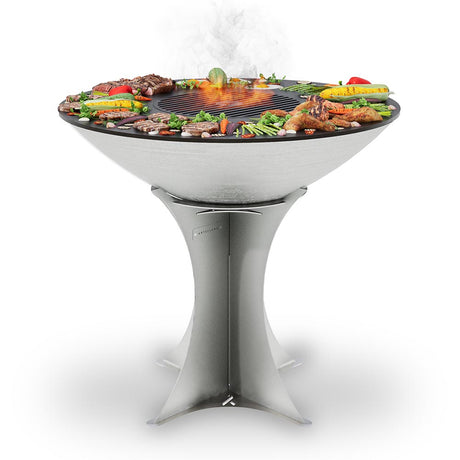





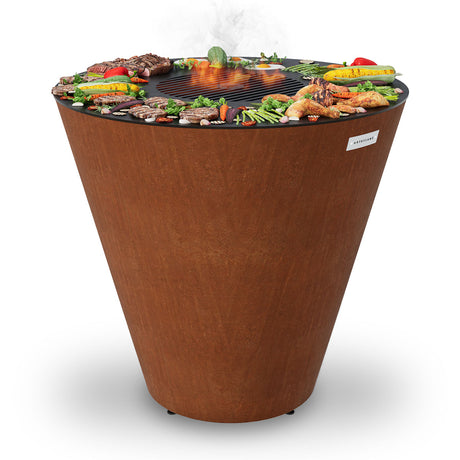


Arteflame One Series 40″ — XXL Flat-Top Charcoal Grill & Fire Bowl (Single-Piece CORTEN Body)
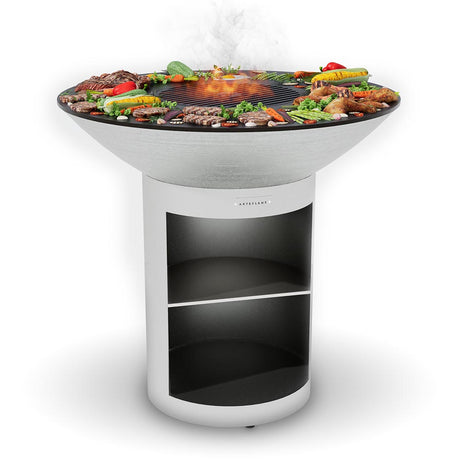
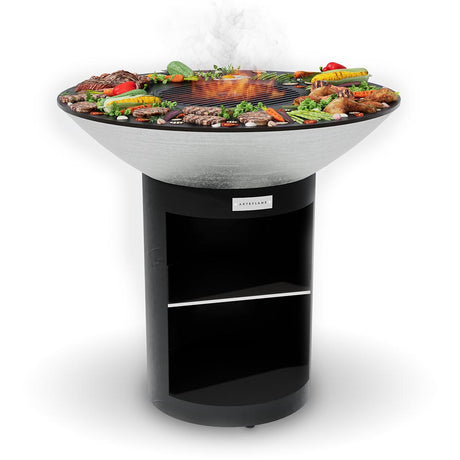
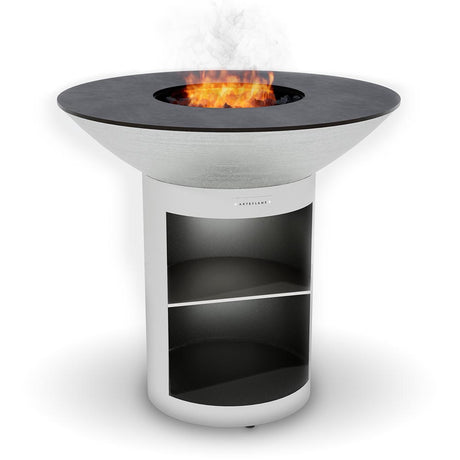


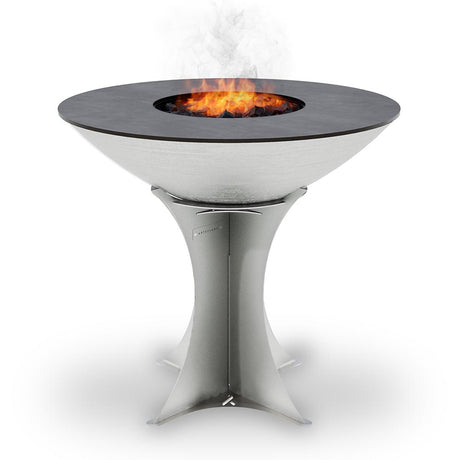
Arteflame 40″ Platinum Series — Stainless Fire Bowl Flat-Top Grill with Storage Base
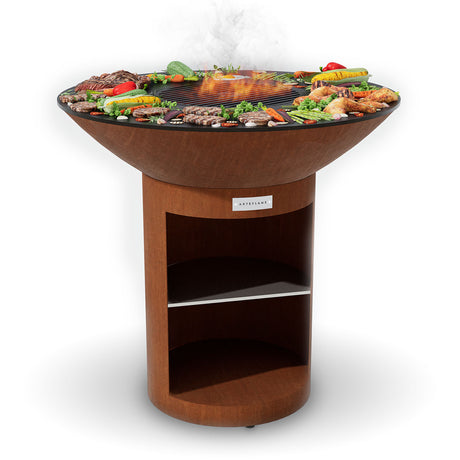
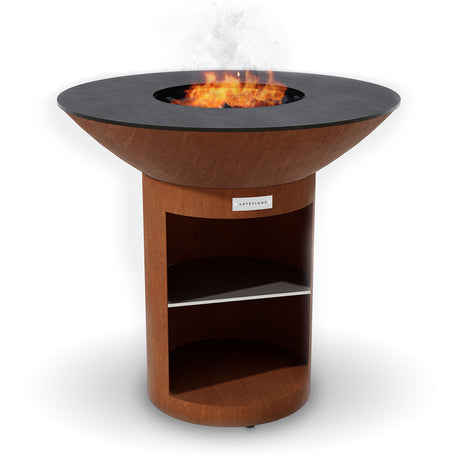

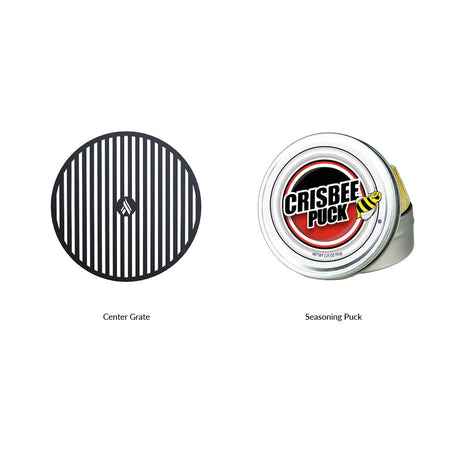
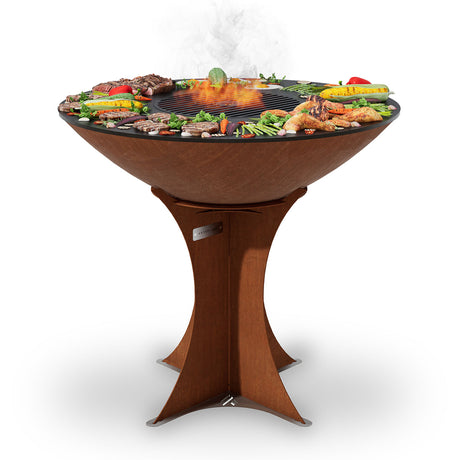
Arteflame Classic 40″ — Storage Base Flat-Top Grill & Fire Bowl (CORTEN Steel)
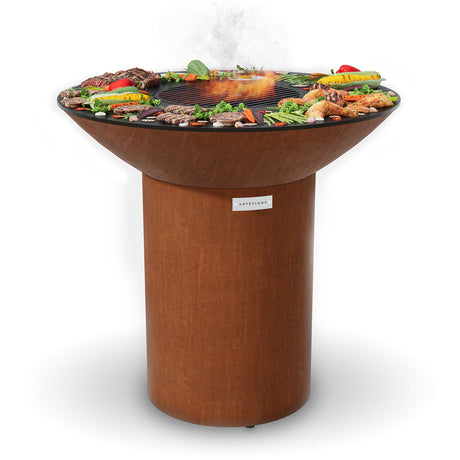
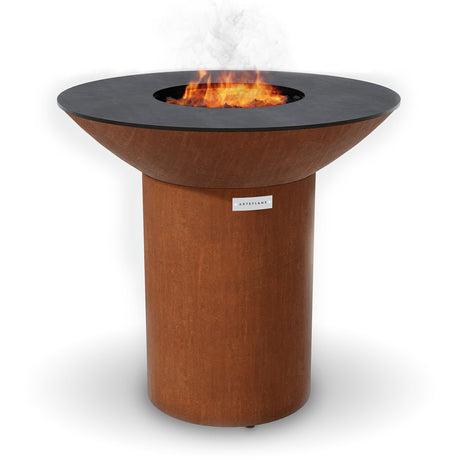
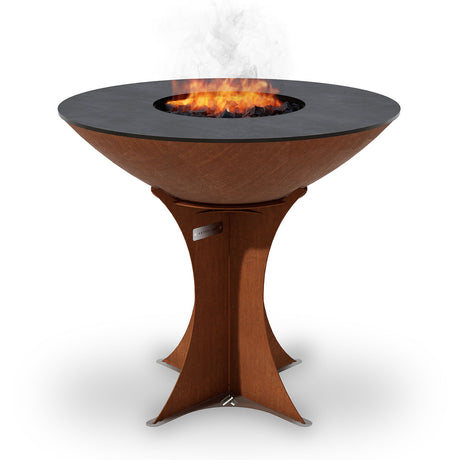
Arteflame Classic 40″ — Round Base Flat-Top Grill & Fire Bowl (CORTEN Steel)
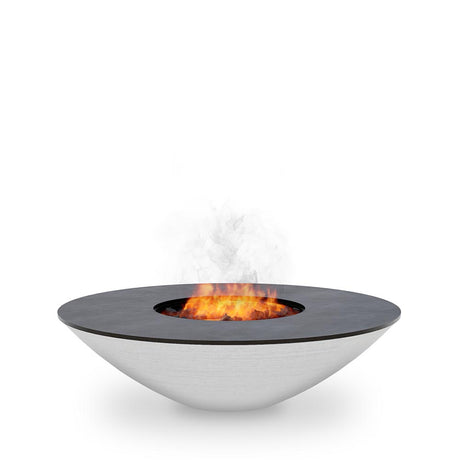
Learn the best veggies for grilling—plus times, temps, and pro tips—optimized for Arteflame heat zones for perfect char and flavor every time.

Transform classic apple pie into a handheld delight with these Wyoming Apple Cinnamon Grilled Dessert Wraps. perfectly crispy, caramelized, and cooked on the Arteflame grill for a smoky finish.

Experience the rustic taste of the West with this Wyoming Campfire Blueberry Cobbler recipe for the Arteflame grill. Featuring bubbling blueberries and a golden biscuit crust cooked in cast iron,...

Experience the rugged flavor of the American West with these Wyoming Wild Boar Chops. Seared to perfection on the Arteflame grill, this recipe uses a savory juniper and sage rub...

Elevate your BBQ with these Wyoming-style grilled carrots. Sweet honey, tangy balsamic, and a perfect char make this the ultimate side dish for your Arteflame grill. Easy, healthy, and packed...

Unleash the flavor of the American West with these tender Wyoming Teriyaki Bison Skewers. Featuring a homemade savory-sweet glaze and perfectly charred vegetables, this recipe maximizes the searing power of...

Unlock the savory flavors of the West with this Wyoming-style garlic parmesan grilled mushrooms recipe. Perfectly seared on the Arteflame flat top, these buttery, cheesy mushrooms make the ultimate side...

Unlock the bold flavors of the West with this Wyoming-style grilled jalapeño cheddar sausage recipe. Learn how to achieve the perfect sear and juicy interior using your Arteflame grill for...