
Best Grilled Vegetables: Charred & Crispy Guide | Arteflame
Learn the best veggies for grilling—plus times, temps, and pro tips—optimized for Arteflame heat zones for perfect char and flavor every time.

 4.8
4.8

Imagine the scent of burning hardwood mingling with the deep, savory aroma of wild game sizzling over an open fire. That is the essence of this Idaho-style Elk Steak recipe. It is a dish that feels rugged yet incredibly refined, perfect for a crisp autumn evening or a celebratory campfire gathering. The result is a steak with a deep mahogany crust and a tender, ruby-red center that truly honors the spirit of the West.
What makes this dish special is how it balances the robust nature of elk with the precision of the Arteflame grill. Elk is significantly leaner and sweeter than beef, which can make it tricky to cook on standard equipment. By combining this savory herb marinade with the grill’s dual-zone heat capabilities, you achieve a steakhouse-quality sear without drying out the meat. It is primal cooking at its finest, yet approachable enough for any backyard chef.
If you cannot find elk, this method works beautifully with venison or even lean bison steaks. For a gluten-free version, simply swap the soy sauce for Tamari or coconut aminos.
Cooking elk requires a slightly different mindset than cooking domestic beef because of the distinct lack of intramuscular fat (marbling). The most critical tip for success is managing your internal temperature. Elk is unforgiving if overcooked; once it passes medium-rare, it loses its prized tenderness and flavor. Invest in a high-quality instant-read thermometer to pull the steaks exactly when they hit 130°F. Additionally, do not skip the resting period. Because the meat is so lean, cutting into it immediately will cause all the precious juices to run out onto the plate, leaving you with a dry steak. Finally, if your elk cuts are uneven in thickness, use the different heat zones of the Arteflame cooktop to your advantage—keep thinner pieces further from the center fire so they cook slower, ensuring everything finishes at the same time.
While the Idaho-style savory marinade is a classic choice, elk meat is a versatile canvas that pairs beautifully with various flavor profiles. You can easily adapt this recipe to suit your mood or the season. If you prefer a dry rub over a wet marinade, ensure you coat the meat in oil first to help the spices adhere and to protect the lean meat from the intense heat. Below are a few creative twists to try on your Arteflame:
To create a balanced meal that complements the rich, lean nature of elk, you want sides that offer moisture and earthy flavors. Since you are already cooking on the Arteflame, it makes sense to utilize the flat cooktop for your vegetables while the meat rests. Root vegetables are particularly good companions for game meat. Roasted carrots, parsnips, or sweet potatoes tossed in maple syrup and thyme cook beautifully on the plancha. For a starch, wild rice with cranberries and pecans offers a textural contrast that feels right at home with venison or elk. If you prefer a beverage pairing, elk stands up well to bold red wines. A full-bodied Cabernet Sauvignon, a peppery Syrah, or a Zinfandel will cut through the savory notes of the steak. For beer lovers, a dark porter or a brown ale harmonizes well with the char from the wood fire.
Mastering the art of grilling elk steaks on the Arteflame is a rewarding experience that connects you to the outdoors and the traditions of the American West. By respecting the lean nature of the meat and utilizing the dual-zone cooking capabilities of your grill, you can transform a simple cut of game into a gourmet meal that rivals any high-end steakhouse. This Idaho-style recipe is more than just a set of instructions; it is an invitation to slow down, enjoy the crackle of the wood fire, and share a truly unique meal with friends and family. Remember, the secret lies in the marinade, the high-heat sear, and the patience to let the meat rest. Give this recipe a try on your next outdoor cooking adventure, and you might just find that elk becomes your new favorite protein to grill.

Experience the Arteflame difference — 1,000°F searing, natural wood-fired flavor, and a wide cooktop with multiple heat zones, all in one beautifully designed grill. Cook everything at once, control every temperature with ease, and elevate every outdoor moment. Discover why Arteflame transforms the way you grill.
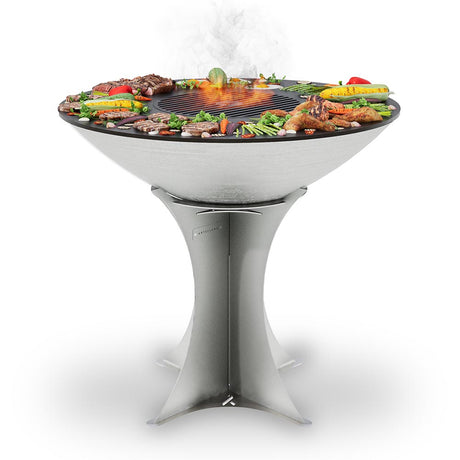





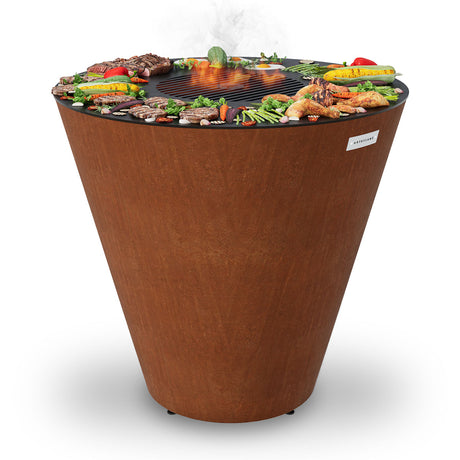


Arteflame One Series 40″ — XXL Flat-Top Charcoal Grill & Fire Bowl (Single-Piece CORTEN Body)
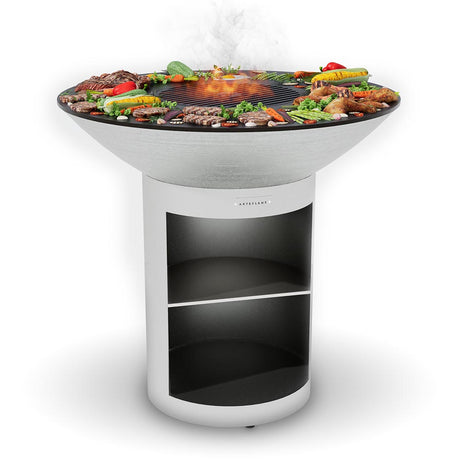
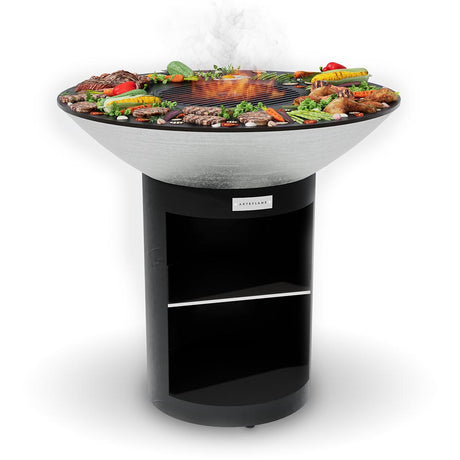
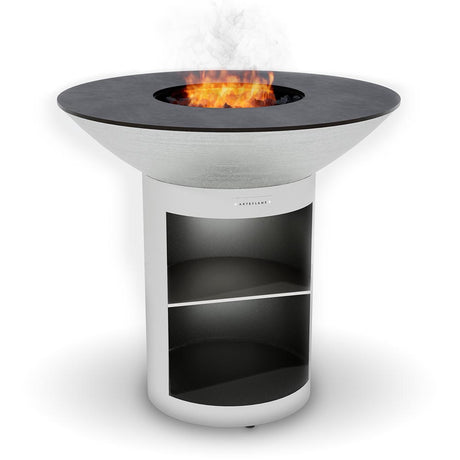


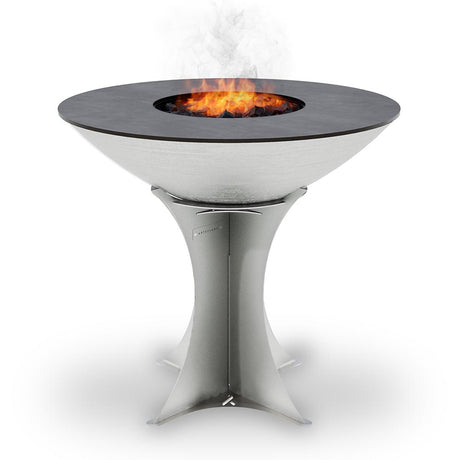
Arteflame 40″ Platinum Series — Stainless Fire Bowl Flat-Top Grill with Storage Base
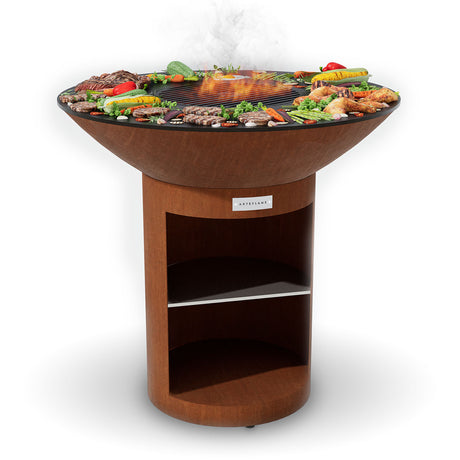
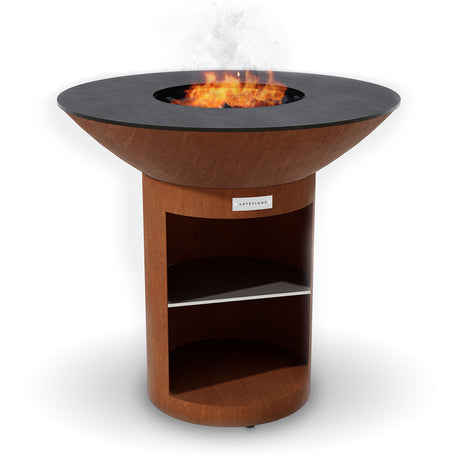
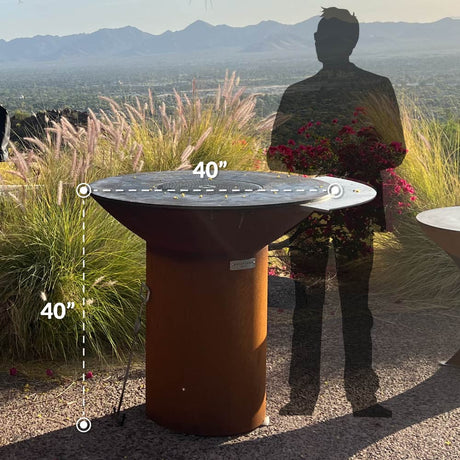
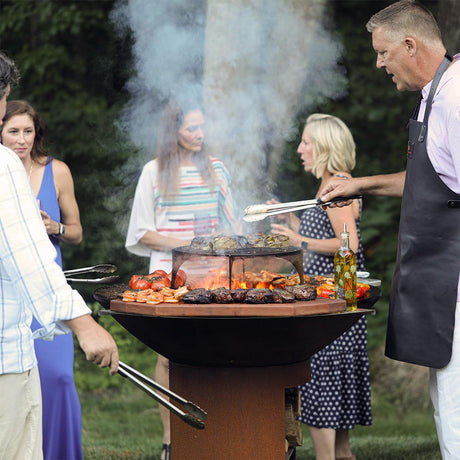
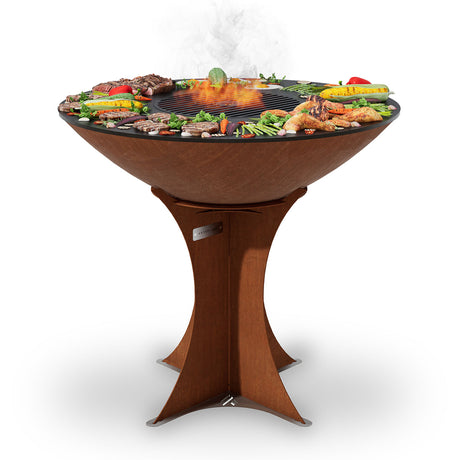
Arteflame Classic 40″ — Storage Base Flat-Top Grill & Fire Bowl (CORTEN Steel)
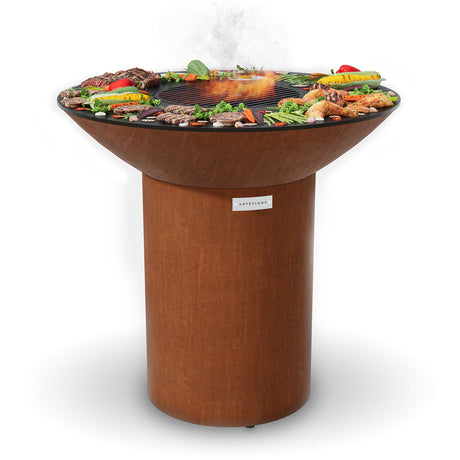
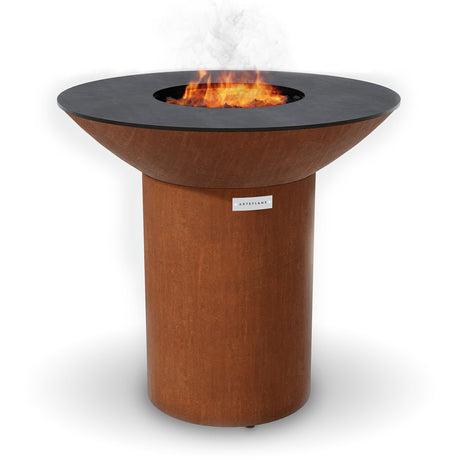
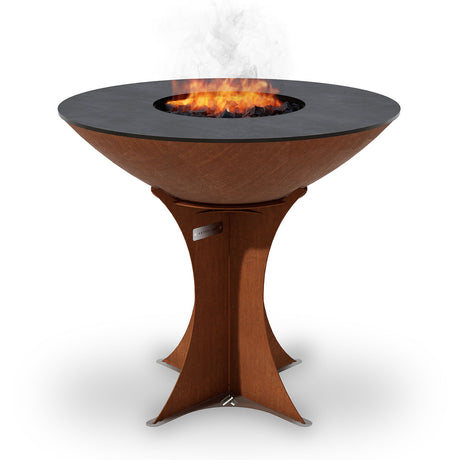
Arteflame Classic 40″ — Round Base Flat-Top Grill & Fire Bowl (CORTEN Steel)
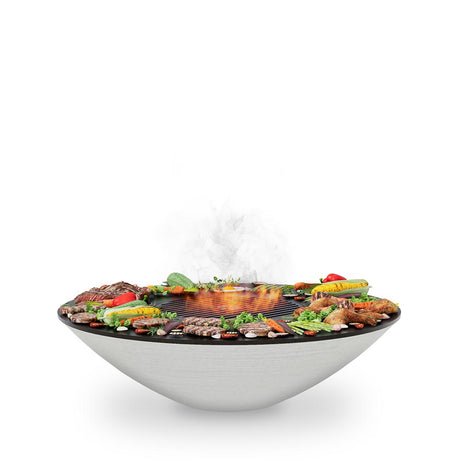
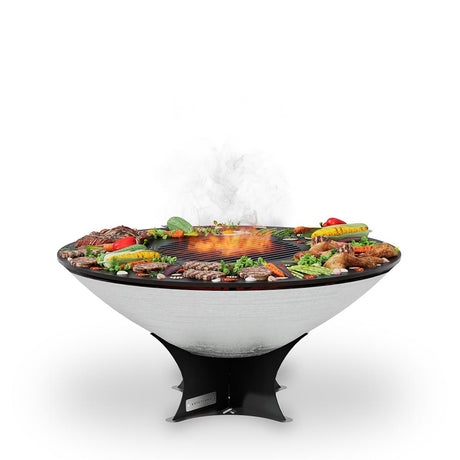
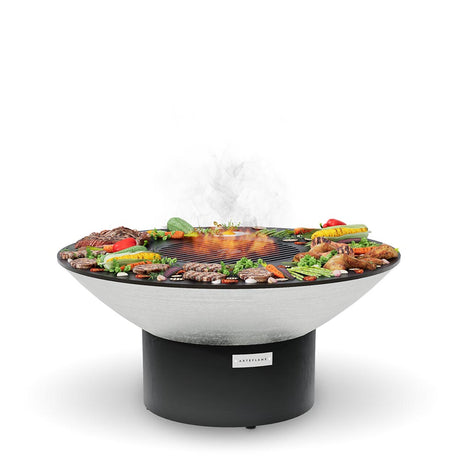
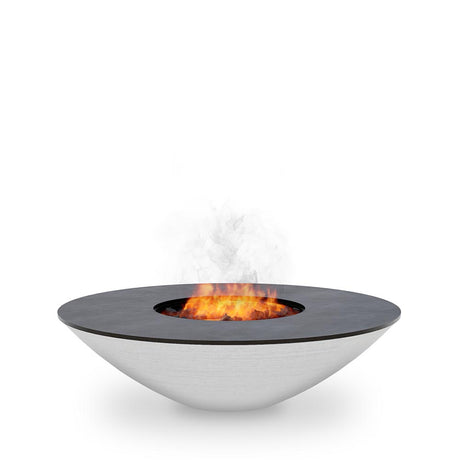
Learn the best veggies for grilling—plus times, temps, and pro tips—optimized for Arteflame heat zones for perfect char and flavor every time.

Transform classic apple pie into a handheld delight with these Wyoming Apple Cinnamon Grilled Dessert Wraps. perfectly crispy, caramelized, and cooked on the Arteflame grill for a smoky finish.

Experience the rustic taste of the West with this Wyoming Campfire Blueberry Cobbler recipe for the Arteflame grill. Featuring bubbling blueberries and a golden biscuit crust cooked in cast iron,...

Experience the rugged flavor of the American West with these Wyoming Wild Boar Chops. Seared to perfection on the Arteflame grill, this recipe uses a savory juniper and sage rub...

Elevate your BBQ with these Wyoming-style grilled carrots. Sweet honey, tangy balsamic, and a perfect char make this the ultimate side dish for your Arteflame grill. Easy, healthy, and packed...

Unleash the flavor of the American West with these tender Wyoming Teriyaki Bison Skewers. Featuring a homemade savory-sweet glaze and perfectly charred vegetables, this recipe maximizes the searing power of...

Unlock the savory flavors of the West with this Wyoming-style garlic parmesan grilled mushrooms recipe. Perfectly seared on the Arteflame flat top, these buttery, cheesy mushrooms make the ultimate side...

Unlock the bold flavors of the West with this Wyoming-style grilled jalapeño cheddar sausage recipe. Learn how to achieve the perfect sear and juicy interior using your Arteflame grill for...