
Crisp and Golden Mac and Cheese Cakes on the Grill
Turn yesterday's leftover macaroni into today's crispy, golden side dish with this easy wood-fired recipe.


There is a distinct, primal satisfaction in slicing into a perfectly cooked wild turkey breast, where the meat is glistening with juice and carrying the scent of sweet Idaho applewood. This dish captures the essence of the harvest, transforming lean game meat into a tender, smoky masterpiece that feels right at home on a crisp autumn evening or a sunny weekend gathering. It is the kind of meal that commands silence at the table, followed immediately by requests for seconds.
I love this method because it tackles the biggest fear with wild game: dryness. By combining a 12-hour brine with the Arteflame’s unique heat zones, you get a restaurant-quality sear without overcooking the center. It is rustic yet elegant, proving that wild turkey can be just as succulent as any store-bought bird, making it a proud centerpiece for any outdoor feast.
If you don't have apple cider on hand for the brine, unfiltered apple juice works beautifully. You can also swap applewood for pecan or cherry wood for a slightly different but equally delicious mild smoke profile.
Cooking wild turkey requires a shift in mindset compared to grocery store poultry. The most critical tip is to trust your meat thermometer rather than a timer. Wild birds are incredibly lean, and the window between juicy and dry is small. Pulling the meat at 160°F is the secret to success; carry-over cooking will finish the job without evaporating the moisture. Additionally, do not skip the brine. The salt structure in the brine denatures the proteins, allowing them to trap water molecules, which acts as an insurance policy against the heat of the fire. Finally, if you are using an Arteflame, manage your fire to keep the smoke clean (thin blue smoke) rather than thick and white, which can impart a bitter taste. Applewood is mild, but clean combustion is key to that sweet flavor profile.
While the applewood and herb profile is a classic pairing for wild game, you can easily adapt this recipe to suit different seasonal cravings or flavor palettes. The neutral base of turkey absorbs marinades and rubs exceptionally well. Here are a few ways to mix it up without losing the essence of the dish:
To create a cohesive meal, pair this smoky wild turkey with sides that offer texture and acidity to cut through the richness of the smoke. Since you are already cooking on the Arteflame, it makes sense to utilize the flat top for your sides as well. Grilled vegetables are a natural choice, utilizing the same fire and absorbing the subtle turkey drippings. For beverages, you want something that complements the sweetness of the applewood without overpowering the delicate game flavor.
Mastering the art of smoking wild turkey breast on an Arteflame is more than just following a recipe; it is a celebration of the outdoors and sustainable eating. By combining the ancient technique of brining with the modern versatility of the plancha-style grill, you transform a notoriously difficult cut of meat into a meal that rivals any high-end steakhouse. The Idaho applewood provides a sweet, mild smoke that respects the bird's natural flavor rather than masking it. We hope this guide inspires you to fire up the grill and share the harvest with friends and family. Remember, the best meals are the ones that come with a story, and a beautifully smoked wild turkey is a story well told.

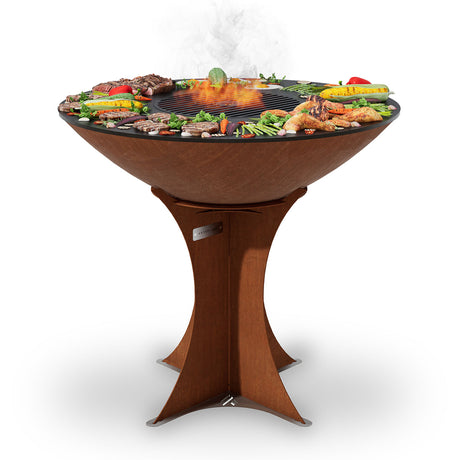
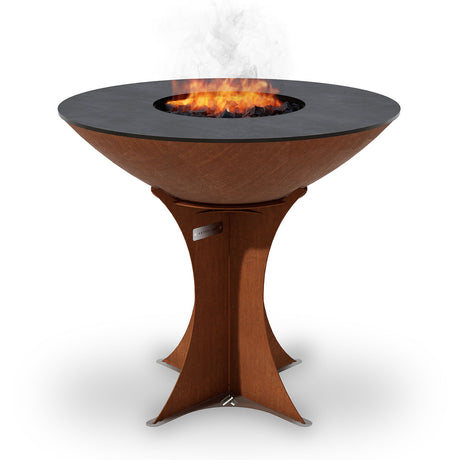
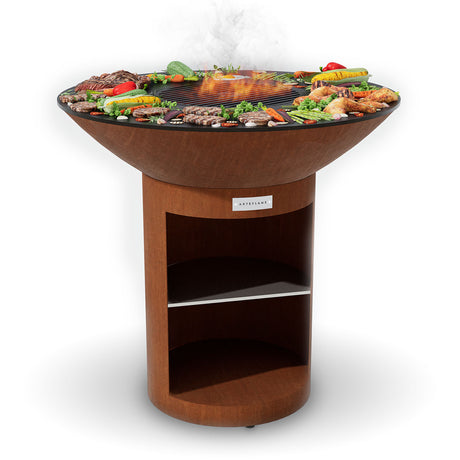
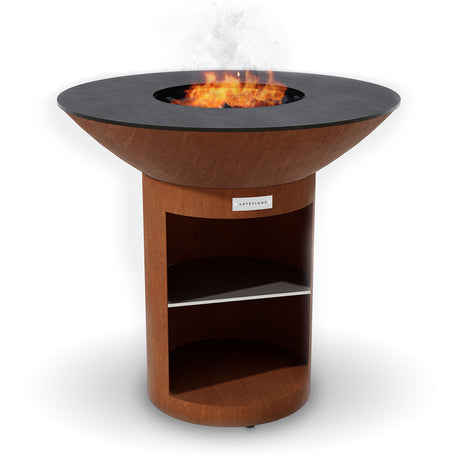
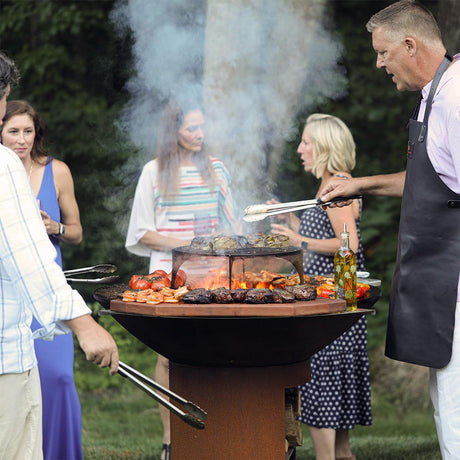
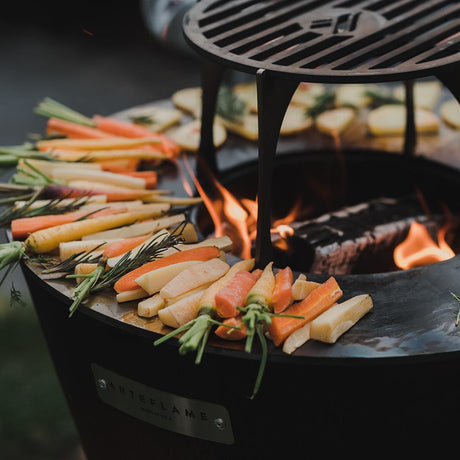
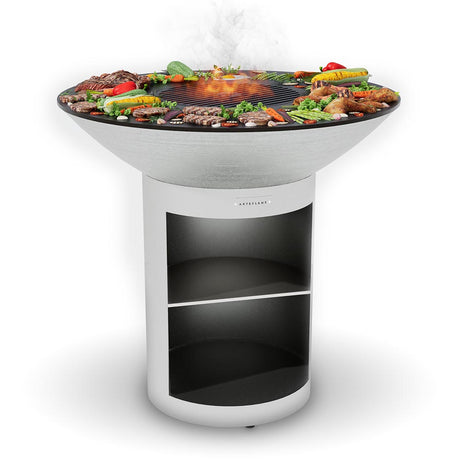
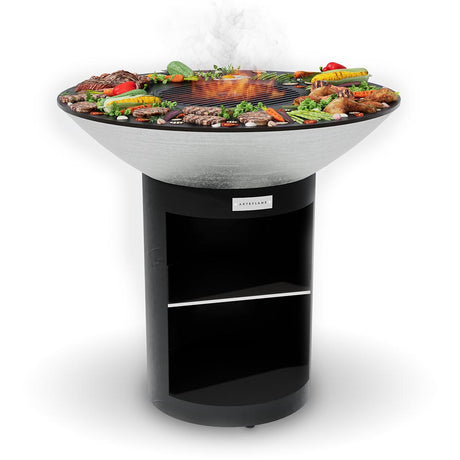
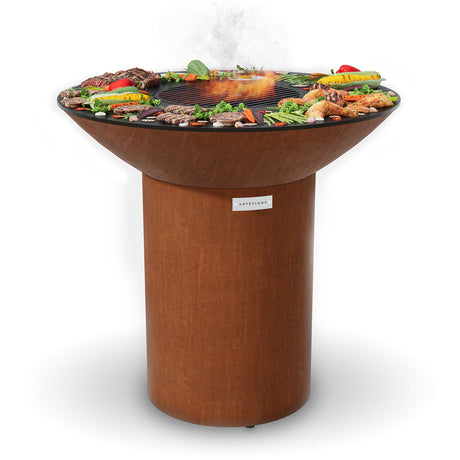
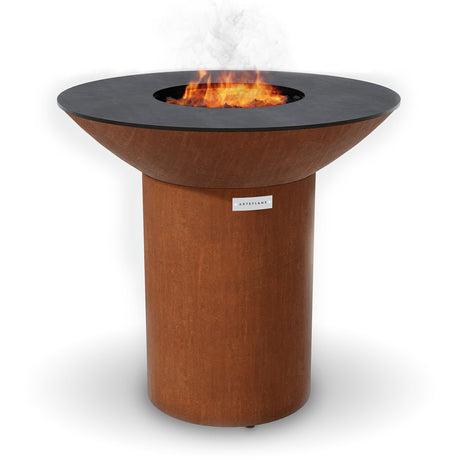
Experience the Arteflame difference — 1,000°F searing, natural wood-fired flavor, and a wide cooktop with multiple heat zones, all in one beautifully designed grill. Cook everything at once, control every temperature with ease, and elevate every outdoor moment. Discover why Arteflame transforms the way you grill.



Turn yesterday's leftover macaroni into today's crispy, golden side dish with this easy wood-fired recipe.

Master this Texas-style open-fire brisket cooked entirely on the Arteflame grill. By searing on the center grate and wrapping to render on the flat top, you get perfectly tender, juicy...

Transform standard thick-cut bacon into a sweet, savory appetizer with a dark stout and brown sugar glaze, perfectly caramelized on a flat-top grill.

Render the perfect crispy skin with these Sichuan Peppercorn Duck Breasts, paired with a smoky, sweet, and spicy charred plum-poblano sauce.

Tender artichoke halves charred over high heat and smothered in rich garlic butter and Parmesan cheese.

Achieve the ultimate crust with this low-and-slow beef brisket recipe, utilizing natural heat zones for a perfect sear and incredibly tender finish.

Transform the trending crispy rice paper dumplings into a wood-fired masterpiece. Cooked on the Arteflame flat steel griddle for a shatteringly crisp crust and savory, high-protein filling.

Elevate albacore tuna with a steakhouse-style bacon wrap and a decadent green peppercorn cream sauce, grilled flawlessly on a flat-top.
Inspired to Grill?
Love it? Tell us — rate this recipe in 2 seconds. Tap a star below.