
Crisp and Golden Mac and Cheese Cakes on the Grill
Turn yesterday's leftover macaroni into today's crispy, golden side dish with this easy wood-fired recipe.


There is nothing quite like the primal satisfaction of pulling a massive, wobbling brisket off the smoker. The aroma of rendered fat and wood smoke fills the air, and that first slice reveals a deep smoke ring and a texture like butter. But before the fire works its magic, the real secret to barbecue perfection happens right on the cutting board. Trimming a brisket might feel like surgery at first, but it is actually a rewarding, zen-like process that turns a rough cut of beef into an aerodynamic masterpiece ready for the pit.
Taking the time to properly trim ensures you are in total control of the cook. By removing hard, waxy fat that will never render, you guarantee that every bite is succulent rather than chewy. A well-trimmed brisket allows the rub to adhere evenly and helps the smoke wrap around the meat without turbulence. It turns a daunting packer brisket into a clean canvas, ensuring your long cook yields the best possible results for your friends and family.
While this guide focuses on a whole packer brisket (10–16 lbs), the same trimming principles apply if you have purchased just the flat or the point separately, though you will have less fat to remove. If you don't have a boning knife, a very sharp fillet knife or even a sharp utility knife can work—just take your time with smaller strokes.
Trimming a brisket gets easier with practice, but a few key tips can speed up your learning curve and improve your results. Start by working slowly, taking small slices instead of deep cuts. Keep your knife sharp and wipe it periodically so fat doesn’t build up on the blade. Always consider how airflow will move around the meat during smoking. A smooth, rounded brisket cooks more evenly and develops a better bark.
Trimming styles differ depending on your cooking method, smoker type, and personal taste. While competition-style trimming is very clean and uniform, backyard cooks may prefer leaving slightly more fat for added juiciness. Experiment with what works best for your cooker and flavor preferences.
A perfectly trimmed brisket deserves sides and flavors that elevate the final meal. Choosing the right pairings enhances the smoky, savory richness of the meat. Whether you're feeding a crowd at a barbecue or hosting a quiet weekend cook, these combinations complement brisket beautifully.
Learning how to trim a brisket unlocks the full potential of this iconic barbecue cut. A well-trimmed brisket cooks more evenly, absorbs smoke better, and produces juicier slices with an impressive bark. With a little practice, the trimming process becomes straightforward and even enjoyable.
Use this guide every time you prepare a brisket, and you’ll quickly gain confidence and consistency in your barbecue craft. The extra few minutes spent trimming always pay off when it’s time to slice and serve.

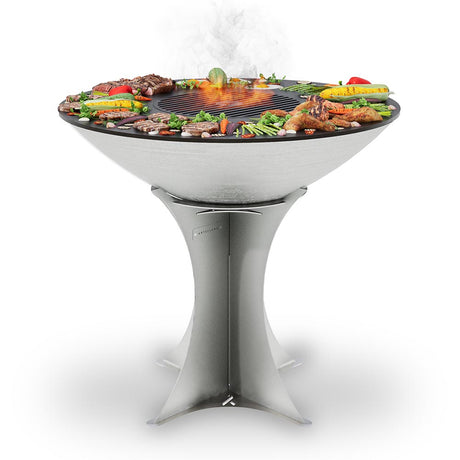
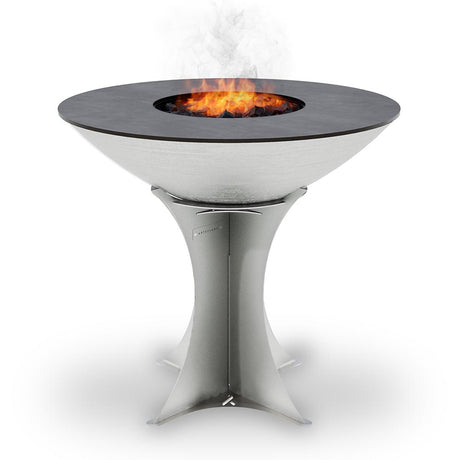
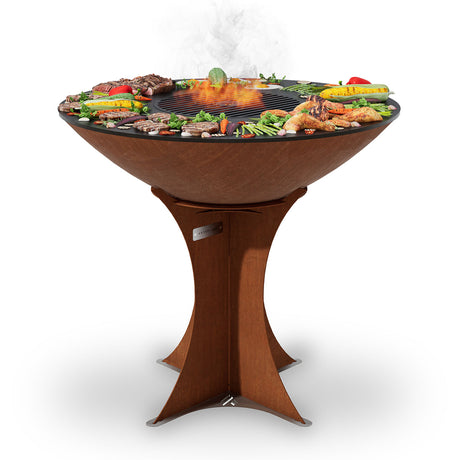
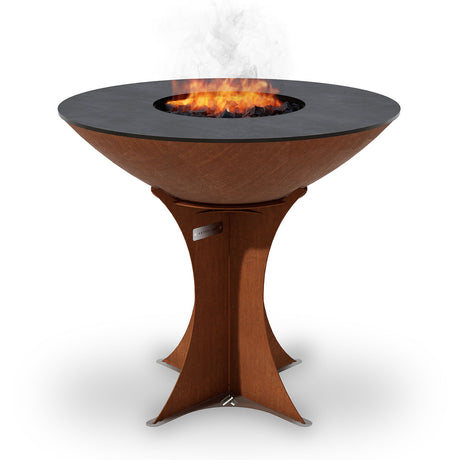
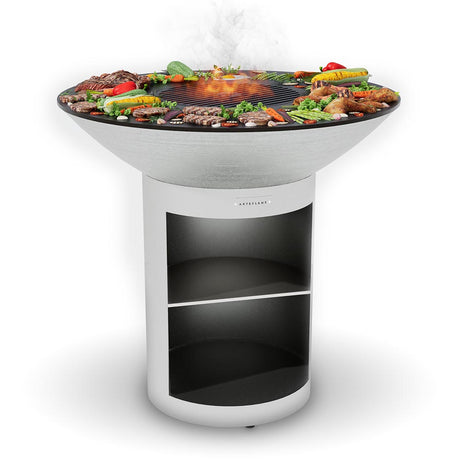
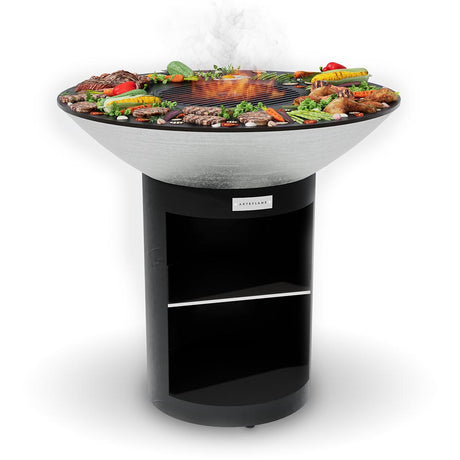
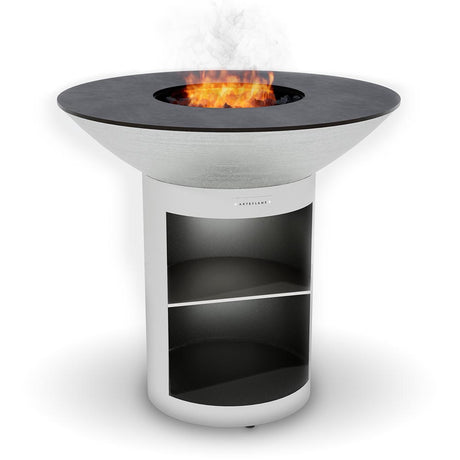
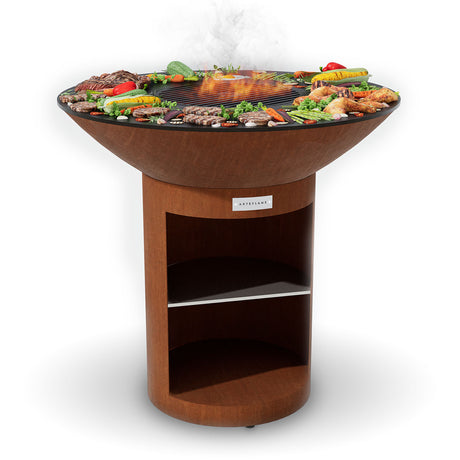
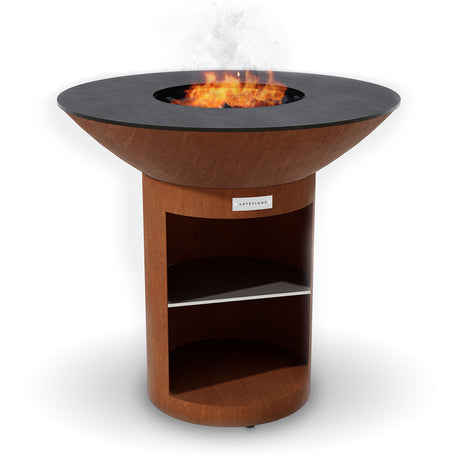
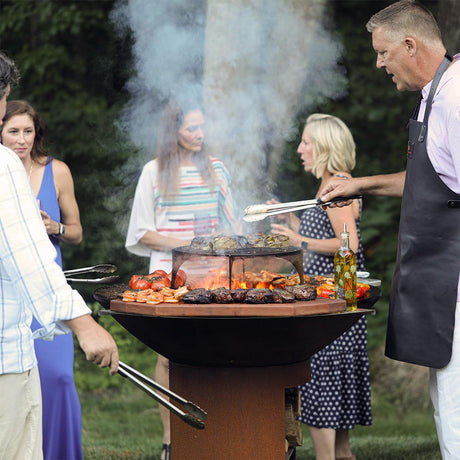
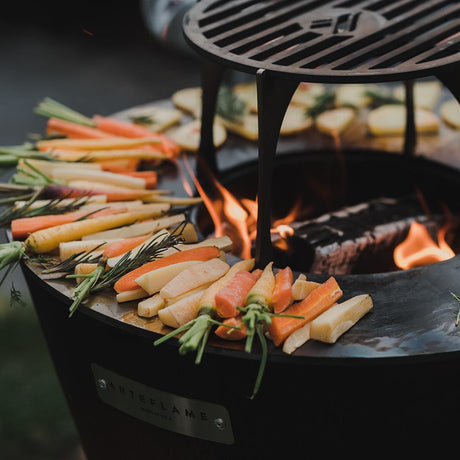
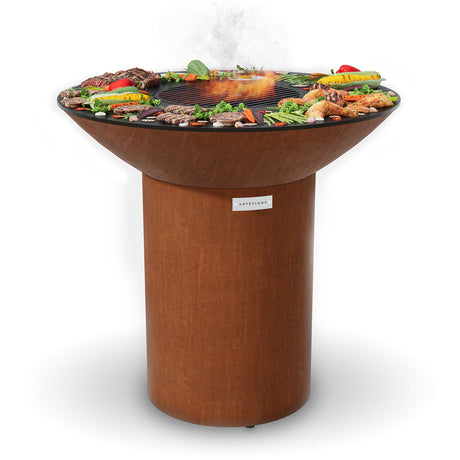
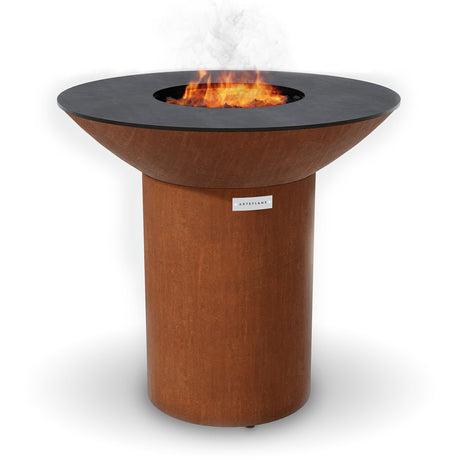
Experience the Arteflame difference — 1,000°F searing, true wood-fired flavor, and a wide cooktop with multiple heat zones all in one beautiful grill. Cook everything at once, control every temperature with ease, and transform every outdoor gathering. Discover how Arteflame elevates the art of grilling.















Turn yesterday's leftover macaroni into today's crispy, golden side dish with this easy wood-fired recipe.

Master this Texas-style open-fire brisket cooked entirely on the Arteflame grill. By searing on the center grate and wrapping to render on the flat top, you get perfectly tender, juicy...

Transform standard thick-cut bacon into a sweet, savory appetizer with a dark stout and brown sugar glaze, perfectly caramelized on a flat-top grill.

Render the perfect crispy skin with these Sichuan Peppercorn Duck Breasts, paired with a smoky, sweet, and spicy charred plum-poblano sauce.

Tender artichoke halves charred over high heat and smothered in rich garlic butter and Parmesan cheese.

Achieve the ultimate crust with this low-and-slow beef brisket recipe, utilizing natural heat zones for a perfect sear and incredibly tender finish.

Transform the trending crispy rice paper dumplings into a wood-fired masterpiece. Cooked on the Arteflame flat steel griddle for a shatteringly crisp crust and savory, high-protein filling.

Elevate albacore tuna with a steakhouse-style bacon wrap and a decadent green peppercorn cream sauce, grilled flawlessly on a flat-top.
Inspired to Grill?
Love it? Tell us — rate this recipe in 2 seconds. Tap a star below.