
Crisp and Golden Mac and Cheese Cakes on the Grill
Turn yesterday's leftover macaroni into today's crispy, golden side dish with this easy wood-fired recipe.


Imagine the scent of toasted oats and melting butter wafting through the crisp morning air as you stand by your grill. These Grilled Nutty Scottish Bannocks are the ultimate outdoor comfort food—a rustic cross between a scone and a hearth bread. They emerge from the fire with a deeply golden, crisp crust that gives way to a tender, steaming interior studded with earthy walnuts. It is a sensory experience that connects you to ancient Highland traditions while making the most of your modern backyard setup.
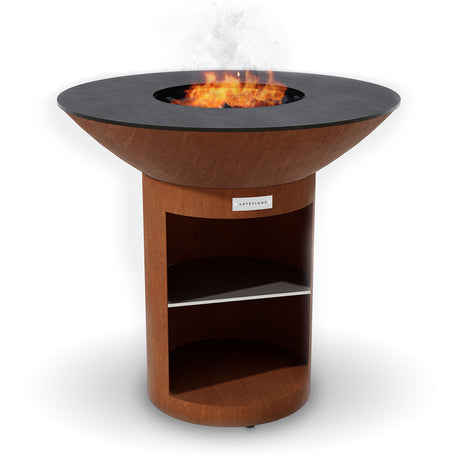
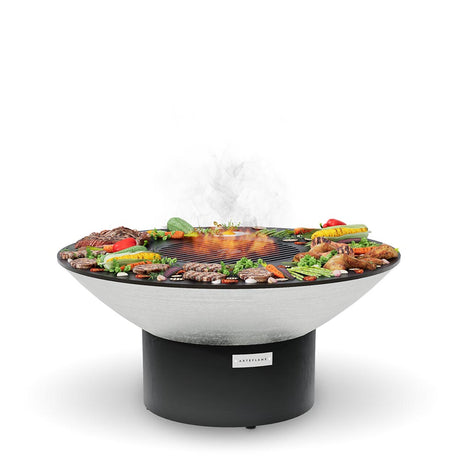
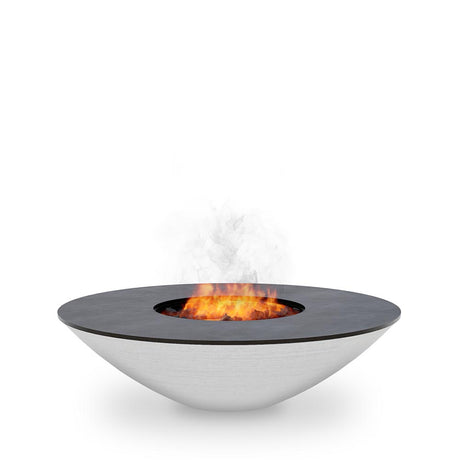
I adore this recipe because it delivers fresh bread without the hours of kneading or proofing required for yeasted loaves. It is "instant gratification" baking at its finest. The Arteflame grill is the secret weapon here; its carbon steel cooktop mimics a traditional baking stone, creating that signature crust you simply cannot achieve in a standard oven. Plus, the nutty crunch adds a savory depth that pairs perfectly with everything from morning coffee to a hearty campfire stew.
No buttermilk? No problem. You can easily make a "sour milk" substitute by adding a tablespoon of lemon juice or vinegar to regular milk. If you have nut allergies, swap the walnuts for pumpkin seeds or simply omit them for a classic oat bannock.
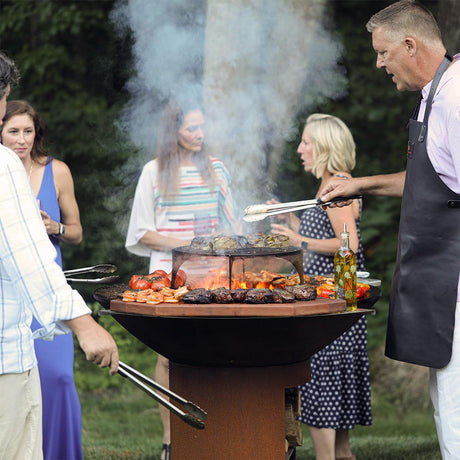
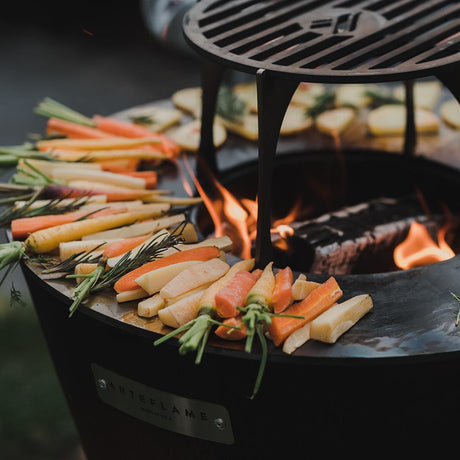
Success with bannocks on a grill relies heavily on heat management. Because the Arteflame cooktop varies in temperature from the center to the edge, utilize this to your advantage. Start searing the bannocks in a medium-heat zone to set the crust, then slide them toward the cooler outer edge to finish baking the interior without scorching the outside. If you find the dough is sticking, ensure your cooktop is well-seasoned and adequately oiled or buttered before dropping the dough.
Another secret to the tenderest crumb is handling the dough as little as possible. The chemical reaction between the buttermilk and baking soda starts immediately, creating bubbles that make the bread light. Over-kneading destroys these bubbles, resulting in a dense, heavy puck. If you don't have buttermilk on hand, you can make a quick substitute by adding a tablespoon of lemon juice or white vinegar to regular milk and letting it sit for five minutes until it curdles.
While the nutty version is earthy and satisfying, bannocks are incredibly versatile canvases for flavor. You can easily adapt this base recipe to suit a savory dinner or a sweet breakfast simply by swapping out a few mix-ins. Since you are cooking outdoors, feel free to experiment with ingredients that hold up well to heat. Here are a few favorite twists to try on your griddle:
These Grilled Nutty Scottish Bannocks are robust enough to stand on their own but truly shine when paired with the right accompaniments. The nutty flavor profile makes them a natural partner for savory dishes, yet they possess a subtle sweetness that works for dessert or breakfast. When serving them fresh off the Arteflame, consider the temperature contrast—warm bread with cool butter is a classic that never fails.
For a hearty meal, serve these alongside a smoky venison stew or a rich beef chili; the dense crumb is perfect for soaking up gravy. If you are serving them for breakfast, they pair beautifully with heather honey, clotted cream, and a strong cup of black coffee or tea. For a true Scottish experience, try them with a slice of sharp cheddar cheese and a dram of single malt whisky as a sunset snack. The earthiness of the walnuts complements the oaky notes of the spirit brilliantly.
Mastering Grilled Nutty Scottish Bannocks on your Arteflame is more than just learning a recipe; it is about reclaiming a slower, more deliberate way of cooking. The process of mixing simple ingredients by hand and watching them rise and golden on the open grill connects you to a culinary lineage that spans centuries. The result is a bread that is unpretentious yet incredibly sophisticated in flavor and texture—crisp on the outside, soft on the inside, and filled with the toasted aroma of nuts.
Whether you are a seasoned outdoor chef or new to the world of flat-top grilling, these bannocks are a forgiving and rewarding project. They remind us that the best food often comes from the simplest ingredients, cooked with patience and fire. So next time you light up the grill, skip the store-bought buns and treat yourself and your guests to the warm, comforting embrace of fresh, homemade bannocks.

Experience the Arteflame difference — 1,000°F searing, true wood-fired flavor, and a wide cooktop with multiple heat zones all in one beautiful grill. Cook everything at once, control every temperature with ease, and transform every outdoor gathering. Discover how Arteflame elevates the art of grilling.





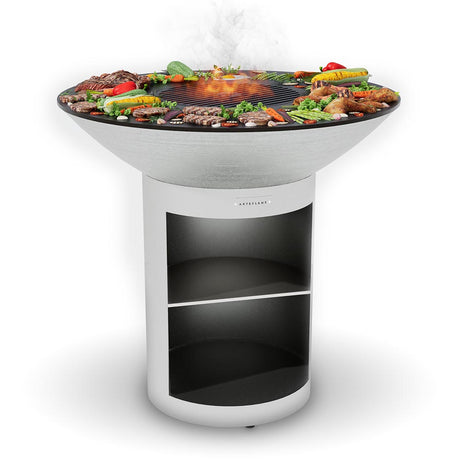
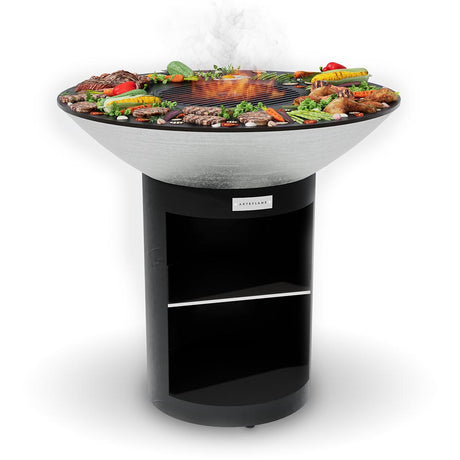
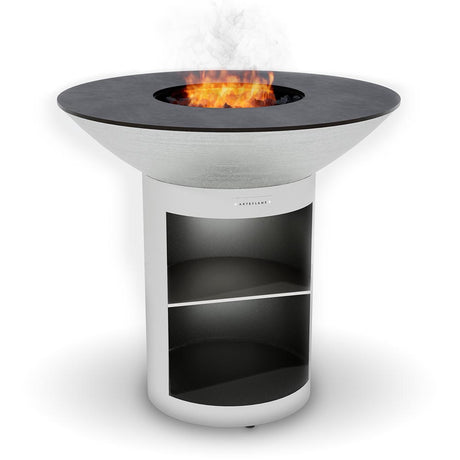


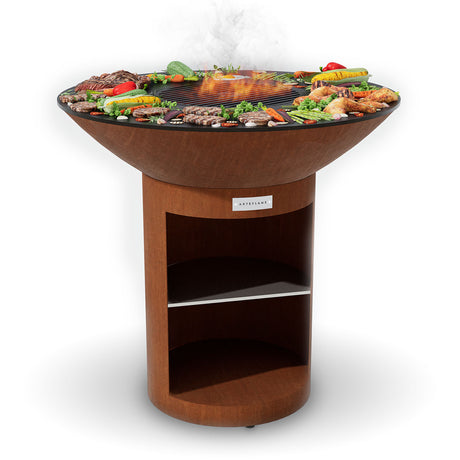



Turn yesterday's leftover macaroni into today's crispy, golden side dish with this easy wood-fired recipe.

Master this Texas-style open-fire brisket cooked entirely on the Arteflame grill. By searing on the center grate and wrapping to render on the flat top, you get perfectly tender, juicy...

Transform standard thick-cut bacon into a sweet, savory appetizer with a dark stout and brown sugar glaze, perfectly caramelized on a flat-top grill.

Render the perfect crispy skin with these Sichuan Peppercorn Duck Breasts, paired with a smoky, sweet, and spicy charred plum-poblano sauce.

Tender artichoke halves charred over high heat and smothered in rich garlic butter and Parmesan cheese.

Achieve the ultimate crust with this low-and-slow beef brisket recipe, utilizing natural heat zones for a perfect sear and incredibly tender finish.

Transform the trending crispy rice paper dumplings into a wood-fired masterpiece. Cooked on the Arteflame flat steel griddle for a shatteringly crisp crust and savory, high-protein filling.

Elevate albacore tuna with a steakhouse-style bacon wrap and a decadent green peppercorn cream sauce, grilled flawlessly on a flat-top.
Inspired to Grill?
Love it? Tell us — rate this recipe in 2 seconds. Tap a star below.