
Crisp and Golden Mac and Cheese Cakes on the Grill
Turn yesterday's leftover macaroni into today's crispy, golden side dish with this easy wood-fired recipe.


There is nothing quite like the aroma of fresh bread mingling with the scent of an open fire. This Grilled Italian Rosemary Focaccia is a sensory masterpiece—imagine pulling a heavy cast iron skillet off the grill, the extra virgin olive oil still bubbling in the golden crevices, and the piney scent of toasted rosemary filling the air. The bottom crust crisps up beautifully against the iron, while the interior remains pillowy and soft. It is rustic, warm, and the perfect way to welcome guests to your table.
I love this recipe because it transforms a standard BBQ into a culinary event. It proves that your Arteflame isn't just for searing steaks; it is a capable oven, too. The dough is incredibly forgiving, making it approachable even for novice bakers. Best of all, serving it warm, right in the skillet, invites everyone to tear off a piece, dipping it in juices or oil for a truly communal dining experience.
If you don't have fresh rosemary on hand, dried thyme or oregano creates a lovely herbaceous flavor. For a dairy-free richness, ensure your skillet is well-seasoned, but you can also brush the top with garlic-infused oil instead of plain olive oil for an extra punch.
Baking on a grill requires a little more attention than an indoor oven, but the results are worth it. The most critical factor is heat management. Because the heat source is coming from the bottom, there is a risk of scorching the crust before the middle is fully baked. To mitigate this, ensure your cast iron skillet is well-oiled; the oil acts as a conductor to fry the crust rather than burn it. If you feel the plancha is too hot, move the skillet further toward the outer edge of the Arteflame where the temperature is cooler. Using a dome or cover is essential—it captures the rising heat and circulates it over the top of the dough, ensuring the rosemary and upper crust brown beautifully. Finally, don't skimp on the olive oil; it keeps the bread moist and flavorful.
Focaccia is essentially a blank canvas for savory flavors. While rosemary and salt are traditional, you can easily adapt this recipe to match the rest of your grilled menu. Just remember to press heavier toppings deep into the dough so they don't burn or fall off during the cooking process. Here are a few reliable variations to try on your Arteflame:
This Grilled Italian Rosemary Focaccia is versatile enough to be a starter, a side, or a vessel for other ingredients. Its robust texture holds up well against strong flavors. Serve it warm directly from the skillet to maximize the aromatic impact of the rosemary. It pairs exceptionally well with:
Mastering baking on your Arteflame opens up a new dimension of outdoor culinary creativity. This Grilled Italian Rosemary Focaccia proves that you don't need a conventional kitchen to produce bakery-quality bread. The combination of the cast iron heat and the ambient warmth of the grill creates a texture that is difficult to replicate indoors—crispy, oily, salty, and soft all at once. It is a simple recipe that yields impressive results, making you look like a pro griller. So, the next time you light up the fire, mix up a batch of dough and enjoy the timeless pleasure of breaking bread under the open sky.

Experience the Arteflame difference — 1,000°F searing, true wood-fired flavor, and a wide cooktop with multiple heat zones all in one beautiful grill. Cook everything at once, control every temperature with ease, and transform every outdoor gathering. Discover how Arteflame elevates the art of grilling.







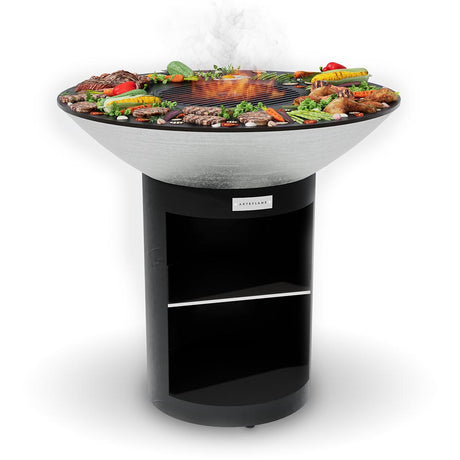
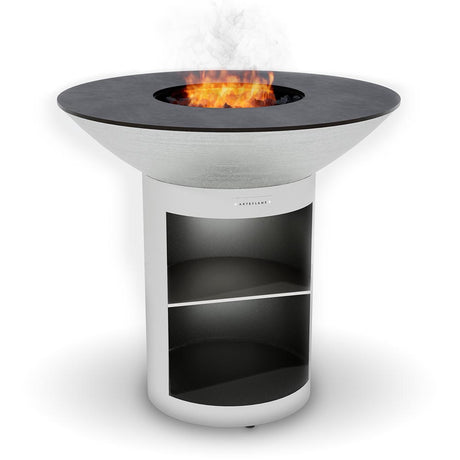


Turn yesterday's leftover macaroni into today's crispy, golden side dish with this easy wood-fired recipe.

Master this Texas-style open-fire brisket cooked entirely on the Arteflame grill. By searing on the center grate and wrapping to render on the flat top, you get perfectly tender, juicy...

Transform standard thick-cut bacon into a sweet, savory appetizer with a dark stout and brown sugar glaze, perfectly caramelized on a flat-top grill.

Render the perfect crispy skin with these Sichuan Peppercorn Duck Breasts, paired with a smoky, sweet, and spicy charred plum-poblano sauce.

Tender artichoke halves charred over high heat and smothered in rich garlic butter and Parmesan cheese.

Achieve the ultimate crust with this low-and-slow beef brisket recipe, utilizing natural heat zones for a perfect sear and incredibly tender finish.

Transform the trending crispy rice paper dumplings into a wood-fired masterpiece. Cooked on the Arteflame flat steel griddle for a shatteringly crisp crust and savory, high-protein filling.

Elevate albacore tuna with a steakhouse-style bacon wrap and a decadent green peppercorn cream sauce, grilled flawlessly on a flat-top.
Inspired to Grill?
Love it? Tell us — rate this recipe in 2 seconds. Tap a star below.