There is something undeniably magical about the aromas of a Greek taverna, where the scent of salt air mingles with smoking wood and grilled seafood. With this authentic Greek Grilled Tsipoura (Sea Bream) recipe, you can recreate that Mediterranean bliss right in your own backyard. Tsipoura is a prized fish in Greek cuisine, known for its sweet, tender white flesh and its ability to hold up beautifully to the high heat of grilling. The key to this dish lies in its simplicity; we rely on high-quality ingredients like extra virgin olive oil, pungent dried oregano, and bright lemon to enhance, rather than mask, the delicate flavor of the fish.
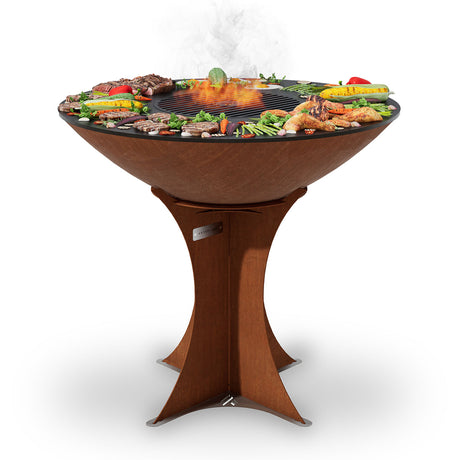
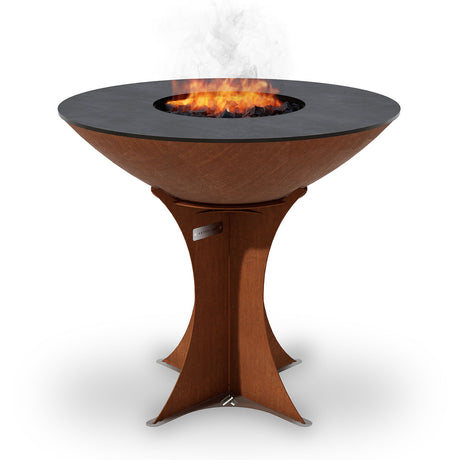
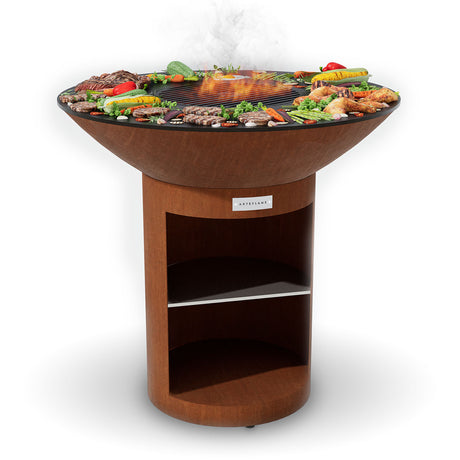
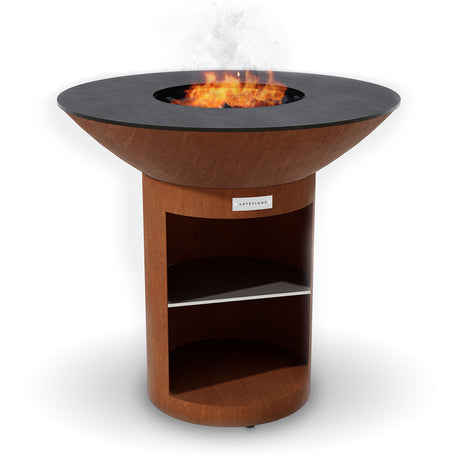
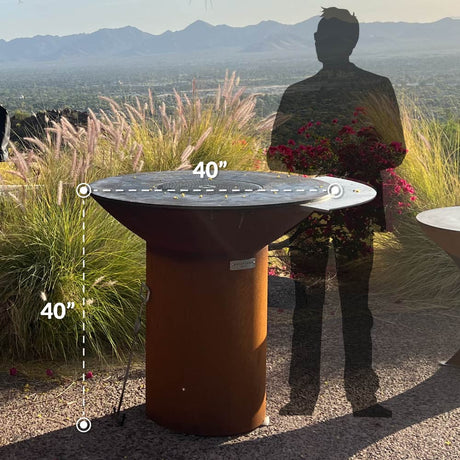
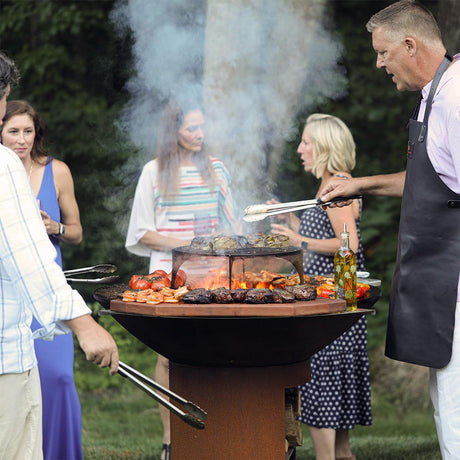
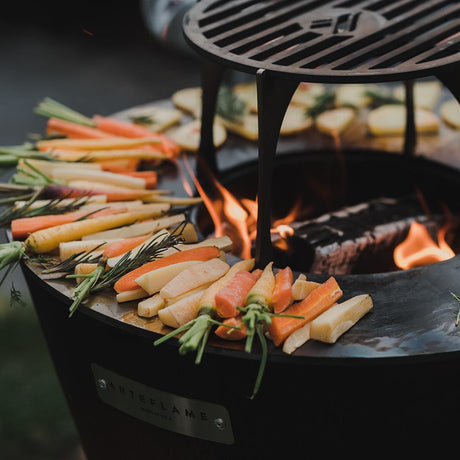
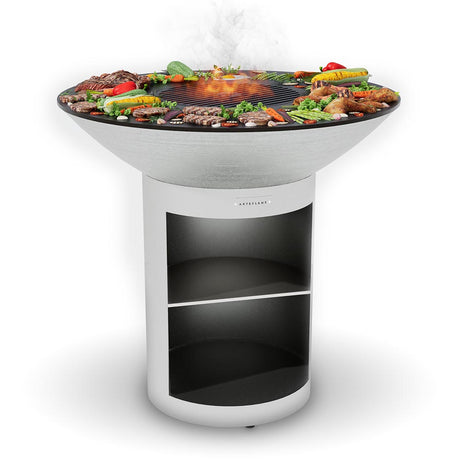
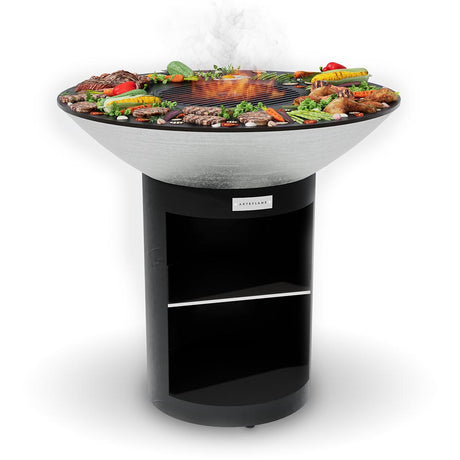
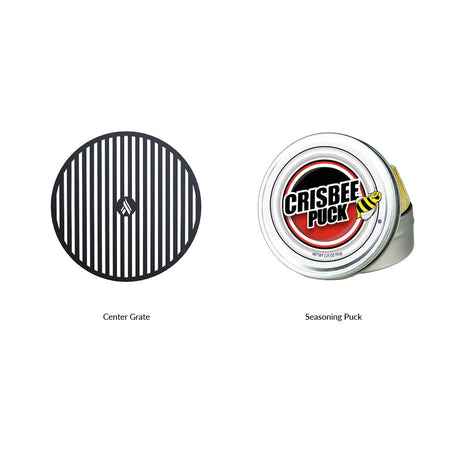
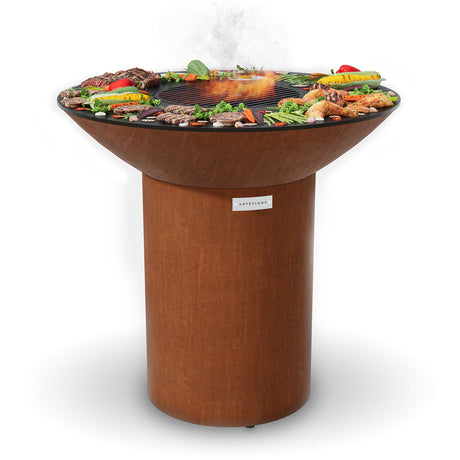
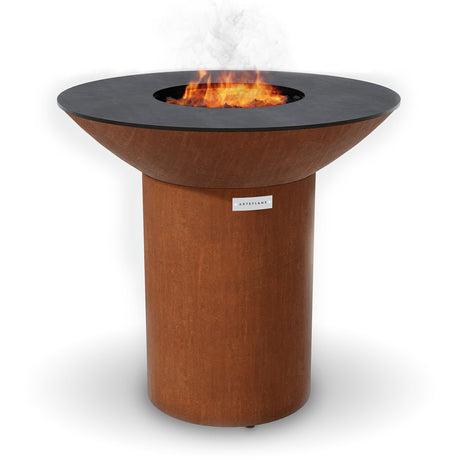
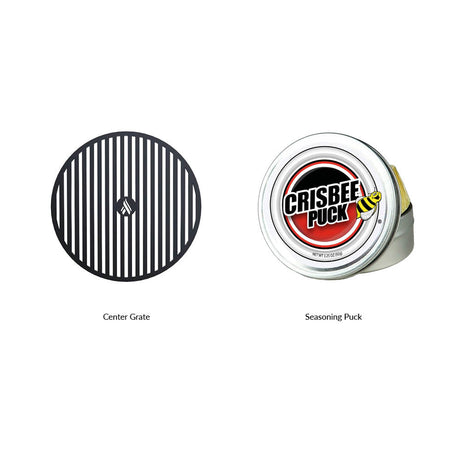
Using an Arteflame grill elevates this classic recipe to a new level. The center grill grate allows for a perfect sear if you want direct fire, while the flat carbon steel cooktop provides an even, controlled heat that crisps the skin without scorching the meat. Whether you are hosting a summer dinner party or looking for a healthy weeknight meal, this grilled sea bream brings the spirit of the Greek islands to your table. It is light, nutritious, and incredibly flavorful, proving that the best food is often the simplest.
Ingredients
- 2 Whole Sea Bream (Tsipoura), approximately 1-1.5 lbs each, gutted, scaled, and cleaned
- 1/2 cup Extra Virgin Greek Olive Oil (divided for marinade and finishing)
- 2 large Lemons (one juiced, one sliced into rounds)
- 3 cloves Garlic, minced or crushed
- 2 tbsp Dried Greek Oregano (Rigani)
- 1 tbsp Sea Salt (flakes preferred)
- 1 tsp Freshly Cracked Black Pepper
- 1 bunch Fresh Parsley, chopped
- High-heat oil (like grapeseed) for the grill surface
Instructions
Step 1: Prepare the Fish
- Rinse the sea bream under cold water and pat them thoroughly dry with paper towels. Removing excess moisture is crucial for achieving crispy skin.
- Using a sharp knife, make 3 diagonal slashes on each side of the fish. This helps the marinade penetrate the flesh and ensures even cooking.
- Season the cavity of the fish generously with salt and pepper. Stuff the cavity with a few lemon slices and fresh parsley stems.
Step 2: Create the Marinade
- In a small bowl, whisk together 1/4 cup of olive oil, fresh lemon juice, minced garlic, half of the dried oregano, salt, and pepper.
- Rub this mixture all over the fish, ensuring it gets into the scored cuts and covers the skin.
- Let the fish sit at room temperature for 15 to 20 minutes while you prepare the grill. Do not marinate too long, or the acid will start to cook the meat.
Step 3: Fire Up the Arteflame
- Build a medium-sized fire in the center of your Arteflame grill. You want the flat cooktop to reach a searing temperature (around 400°F - 450°F).
- Once the cooktop is hot, scrape it clean and apply a thin layer of high-heat oil (like grapeseed) to season the surface where you will place the fish.
- For whole fish, utilizing the flat cooktop is often easier than the center grate as it prevents sticking and falling apart, but you can use the center grate for a smokier char if preferred.
Step 4: Grill the Tsipoura
- Place the sea bream directly onto the hot steel cooktop. You should hear an immediate sizzle.
- Let the fish cook undisturbed for about 5-7 minutes. Do not try to move it too early; the skin will release from the steel once it is crisp and seared.
- Check the eyes of the fish; when they turn white, it is usually a sign the heat is penetrating through. carefully flip the fish using a metal spatula.
- Cook on the second side for another 5-7 minutes until the flesh is opaque and flakes easily with a fork.
Step 5: Finish and Serve
- Carefully remove the fish from the grill and transfer to a serving platter.
- In a small bowl, whisk the remaining olive oil with a squeeze of fresh lemon and the rest of the dried oregano (this is called Ladolemono).
- Drizzle this dressing generously over the hot fish immediately before serving. Garnish with chopped parsley and fresh lemon wedges.
Tips
Grilling whole fish can be intimidating, but a few professional tricks ensure success every time. First, patience is your best friend when grilling fish on the Arteflame steel cooktop. If the fish sticks when you try to lift it, it simply isn't ready to be flipped yet; give it another minute, and the proteins will naturally release from the metal. Secondly, always oil the grill surface, not just the fish, to create a non-stick barrier. To check for doneness without cutting into the beautiful presentation, look at the dorsal fin (the fin on the back). If you can pull it out gently with little resistance, the fish is cooked through. Finally, ensure your fish is at room temperature before grilling; cooking cold fish leads to uneven cooking and can cause the skin to seize and tear.
Variations
While the classic lemon and oregano combination is iconic to Greek cuisine, this Tsipoura recipe is versatile enough to handle various flavor profiles. You can adapt the seasonings to match your personal preference or whatever herbs you have growing in your garden. The mild flavor of Sea Bream acts as a blank canvas, allowing for creativity without losing the essence of the dish. Here are a few ways to switch things up while keeping the preparation simple.
-
Spicy Citrus: Add a teaspoon of red pepper flakes or chopped fresh chili to the marinade for a subtle heat that cuts through the rich olive oil.
-
Herb Stuffed: Instead of just parsley, stuff the cavity with a mix of fresh dill, fennel fronds, and thyme for a more complex aromatic profile.
-
Caper Butter Sauce: Skip the Ladolemono and top the grilled fish with a warm sauce made of melted butter, capers, and white wine.
-
Garlic Lover’s: Roast whole garlic cloves on the Arteflame cooktop alongside the fish and mash them into a paste to spread over the skin before serving.
-
Lime and Coriander: Swap the lemon and oregano for lime juice and coriander seeds for a twist that leans slightly more coastal modern.
Best pairings
A beautifully grilled Tsipoura deserves sides that complement its freshness without overpowering its delicate flavor. In Greece, fish is rarely served alone; it is part of a table spread meant for sharing. Keep your sides light and acid-forward to balance the smokiness of the grill and the richness of the olive oil. The goal is a balanced meal that leaves you feeling satisfied but not heavy. Stick to Mediterranean staples for the most authentic experience.
-
Horiatiki Salata: A traditional Greek salad with tomatoes, cucumbers, Kalamata olives, onions, and a block of feta—no lettuce allowed.
-
Horta: Boiled leafy greens (dandelion or chicory) dressed simply with lemon and olive oil.
-
Lemon Potatoes: Roasted potatoes cooked with lemon juice, broth, and oregano until soft and slightly caramelized.
-
Assyrtiko Wine: A crisp, high-acid white wine from Santorini that pairs perfectly with seafood.
-
Tzatziki: Cool yogurt and cucumber dip, perfect for dipping crusty bread alongside the fish.
Conclusion
Mastering the art of grilling Greek Tsipoura on your Arteflame is more than just learning a recipe; it is about embracing a lifestyle that values fresh ingredients, simple techniques, and the joy of outdoor cooking. The combination of the smoky char from the grill, the crisp, salty skin, and the tender, aromatic meat creates a dining experience that rivals any seaside restaurant in the Aegean. Whether you are a seasoned pitmaster or a seafood novice, this dish promises impressive results with minimal effort.
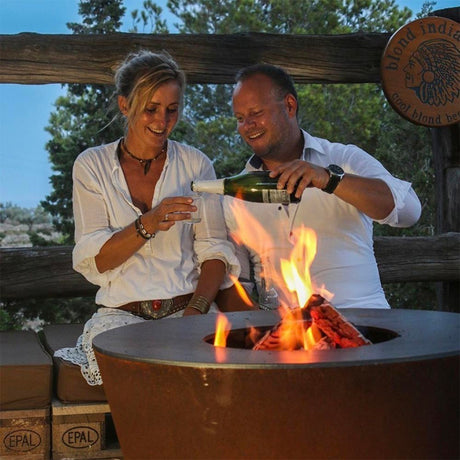
We hope this recipe inspires you to gather friends and family around the fire for a healthy, delicious feast. The beauty of Mediterranean cooking lies in sharing, so place that platter of golden, grilled fish in the center of the table, pour some wine, and enjoy the moment. Don't forget to share your culinary creations with the community—there is nothing quite like the sight of a perfectly grilled whole fish to inspire others to fire up their grills!