
Crisp and Golden Mac and Cheese Cakes on the Grill
Turn yesterday's leftover macaroni into today's crispy, golden side dish with this easy wood-fired recipe.


There is nothing quite like the nutty aroma of toasted oats drifting off a wood-fired grill on a crisp morning. These Irish Oatmeal Bannocks are the ultimate comfort food—dense, tender, and wrapped in a golden crust that only a hot steel griddle can create. It takes me back to rustic camping trips where simplicity was key, yet the food tasted better than any fine dining restaurant. Whether slathered in salted butter or dipped in a hearty stew, this bread warms you from the inside out.
I adore this recipe because it bridges the gap between baking and grilling effortlessly. Unlike yeast breads that demand patience, this is a quick bread relying on baking soda, meaning you can go from mixing bowl to eating in under 30 minutes. The Arteflame’s flat top mimics a traditional bakestone perfectly, giving you that authentic "hearth-baked" texture while you enjoy the fresh air.
No buttermilk? No problem. Just add a tablespoon of lemon juice or vinegar to regular milk and let it sit for 10 minutes to curdle. You can also swap half the all-purpose flour for whole wheat flour if you prefer a nuttier, heartier loaf that stands up well to rich gravies.
Mastering bannocks on the Arteflame is all about heat management. Because the steel cooktop conducts heat efficiently, it is easy to burn the outside before the inside is fully cooked. Always start closer to the outer edge (the cooler zone) and inch them inward only if they aren't browning. If you feel the bottom is cooking too fast, flip them frequently to ensure an even bake. Using a laser thermometer can be incredibly helpful; aim for a surface temperature between 350°F and 375°F.
For the best texture, keep your ingredients cold, especially the butter and buttermilk. The reaction between the cold fats and the hot steel creates steam pockets that contribute to the bannock's rise. Also, do not skip the buttermilk; its acidity is required to activate the baking soda. If you don't have buttermilk, you can make a substitute by adding a tablespoon of lemon juice or vinegar to regular milk and letting it sit for 10 minutes.
While the traditional Irish oatmeal bannock is a savory staple, the neutral, nutty base makes it an excellent canvas for experimentation. You can easily shift the flavor profile from breakfast sweet to dinner savory depending on what you are serving. When adding mix-ins, ensure they are not too wet, as this can alter the dough consistency and make it difficult to cook through on a griddle. Here are a few ways to customize your bake:
Bannocks are incredibly versatile and serve as the perfect accompaniment to hearty outdoor meals. Their dense texture makes them ideal for soaking up gravies or holding up against strong flavors. In Ireland, they are most traditionally eaten warm, straight off the griddle, slathered with high-quality salted butter and perhaps a drizzle of honey. However, because you are cooking on the Arteflame, you can prepare your entire meal alongside the bread.
Cooking Irish Oatmeal Bannocks on the Arteflame is more than just following a recipe; it is a connection to heritage and a celebration of outdoor cooking. The result is a bread that is comforting, substantial, and imbued with the unique character that only a wood fire can provide. The contrast between the crisp, golden crust and the soft, steaming oat interior is a texture you simply cannot replicate in a conventional oven.
Whether you are enjoying a quiet morning coffee by the grill or feeding a crowd after a long day of hiking, these bannocks are sure to become a staple in your outdoor repertoire. They are quick, forgiving, and endlessly delicious. So, stock up on oats and buttermilk, fire up the grill, and enjoy the simple pleasure of breaking fresh bread in the open air.

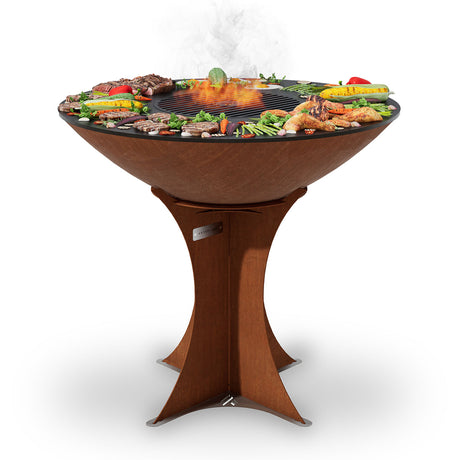
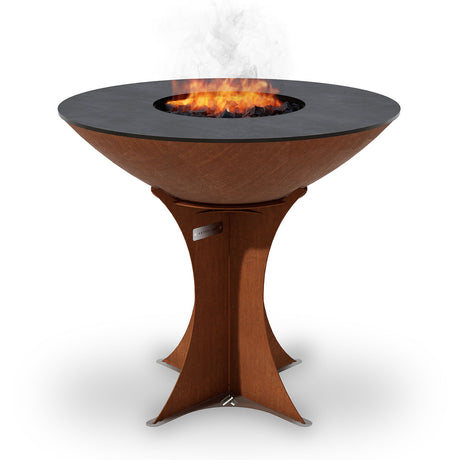
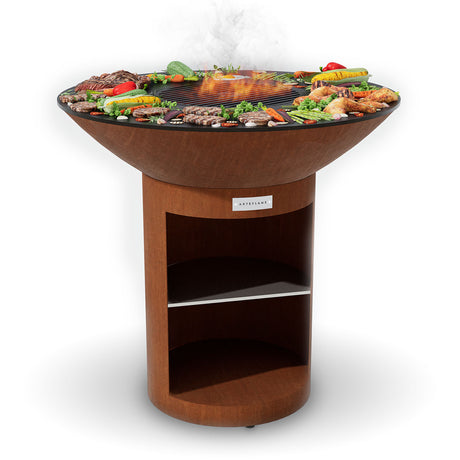
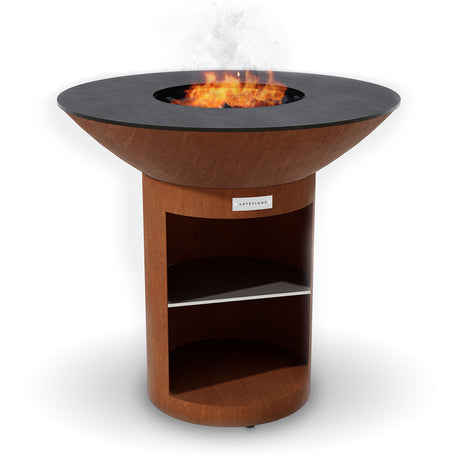
Experience the Arteflame difference — 1,000°F searing, multiple heat zones, and true wood-fired flavor in one striking grill. Cook everything at once with total temperature control and enjoy a more intentional, elevated outdoor cooking experience. Discover why an Arteflame isn’t just a grill — it transforms the way you cook.


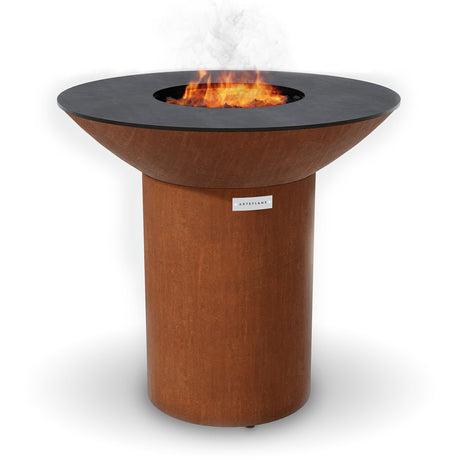
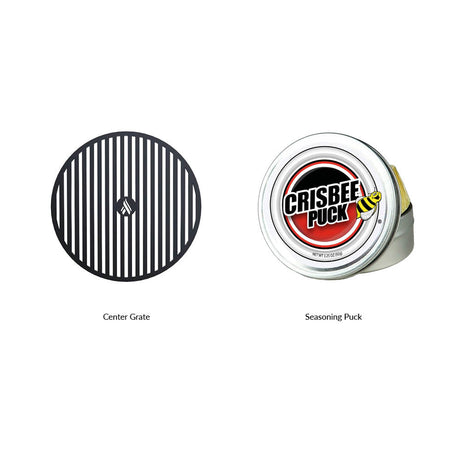
Turn yesterday's leftover macaroni into today's crispy, golden side dish with this easy wood-fired recipe.

Master this Texas-style open-fire brisket cooked entirely on the Arteflame grill. By searing on the center grate and wrapping to render on the flat top, you get perfectly tender, juicy...

Transform standard thick-cut bacon into a sweet, savory appetizer with a dark stout and brown sugar glaze, perfectly caramelized on a flat-top grill.

Render the perfect crispy skin with these Sichuan Peppercorn Duck Breasts, paired with a smoky, sweet, and spicy charred plum-poblano sauce.

Tender artichoke halves charred over high heat and smothered in rich garlic butter and Parmesan cheese.

Achieve the ultimate crust with this low-and-slow beef brisket recipe, utilizing natural heat zones for a perfect sear and incredibly tender finish.

Transform the trending crispy rice paper dumplings into a wood-fired masterpiece. Cooked on the Arteflame flat steel griddle for a shatteringly crisp crust and savory, high-protein filling.

Elevate albacore tuna with a steakhouse-style bacon wrap and a decadent green peppercorn cream sauce, grilled flawlessly on a flat-top.
Inspired to Grill?
Love it? Tell us — rate this recipe in 2 seconds. Tap a star below.