
Crisp and Golden Mac and Cheese Cakes on the Grill
Turn yesterday's leftover macaroni into today's crispy, golden side dish with this easy wood-fired recipe.


There is a specific kind of kitchen magic that happens when butter, flour, and stock transform into something glossy and profound. The aroma of Sauce Espagnole simmering away is deep, savory, and undeniably comforting—the scent of a Sunday roast or a high-end steakhouse right in your own kitchen. It creates a mood of slowed-down, intentional cooking that feels incredibly rewarding on a crisp evening.
While the title “French Mother Sauce” sounds intimidating, this recipe is actually my secret weapon for effortless elegance. It provides the rich, savory backbone for demi-glace, mushroom sauce, or just a luxurious drizzle over roasted vegetables. I love that it rewards patience over skill; as long as you can stir, you can master this. Plus, it stores beautifully, meaning you can keep “liquid gold” in your freezer for instant flavor upgrades whenever a meal feels lackluster.
If you need to make this gluten-free, a standard 1-to-1 GF flour blend works surprisingly well for the roux. For a non-alcoholic version, simply omit the optional red wine and add a small splash of balsamic vinegar for that necessary acidity.
This classic Espagnole sauce becomes even better with mindful technique and ingredient choices. Keep the heat moderate when preparing the roux to prevent burning, as its color determines the depth of flavor. Maintain a slow simmer rather than a boil to preserve the sauce’s smooth texture. For richer complexity, consider adding a splash of red wine after straining. If you prefer a thicker sauce, continue reducing until it reaches your preferred consistency. For make-ahead meals, refrigerate for up to four days or freeze for up to three months.
This Espagnole sauce serves as a foundation for countless derivative sauces. Small tweaks can shift its profile to suit different cuisines or dishes. Enhance smokiness for grilled meats, incorporate wine for elegance, or introduce herbs for freshness. Each variation builds on the classic base without sacrificing authenticity.
Espagnole pairs beautifully with hearty, savory dishes thanks to its layered, rich flavor. Grilled meats like steak or pork benefit from its depth, while roasted vegetables gain a luxurious finishing touch. Slow-cooked meals, whether braised beef or lamb, become even more impressive with a spoonful of this sauce. Consider pairing it with comforting sides or crusty bread to enjoy every drop.
Espagnole sauce may have a long culinary history, but it remains just as relevant in modern kitchens. With basic ingredients and patient simmering, you can create a sauce that elevates everyday meals into something extraordinary. This recipe gives you a reliable foundation for rich, restaurant-quality flavor at home.
Whether you’re topping grilled meats or enhancing comforting side dishes, this classic sauce adds unmatched depth and sophistication. Make it once, and it will become a favorite staple in your cooking routine.

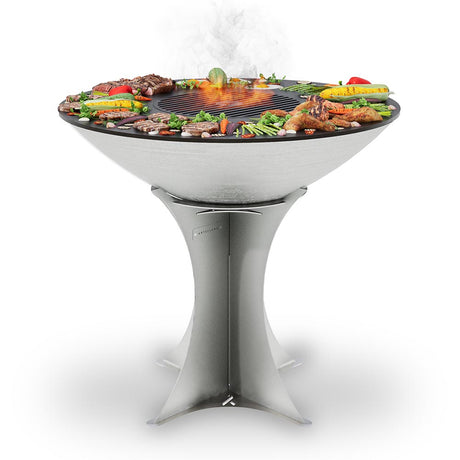
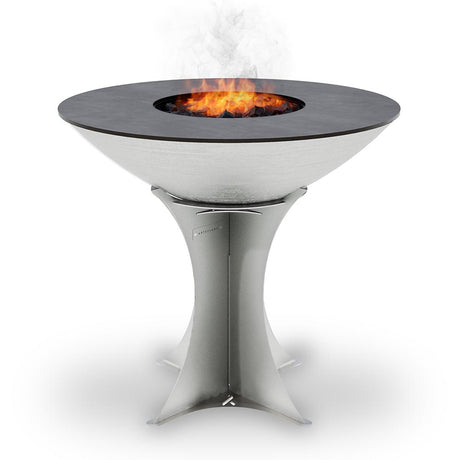
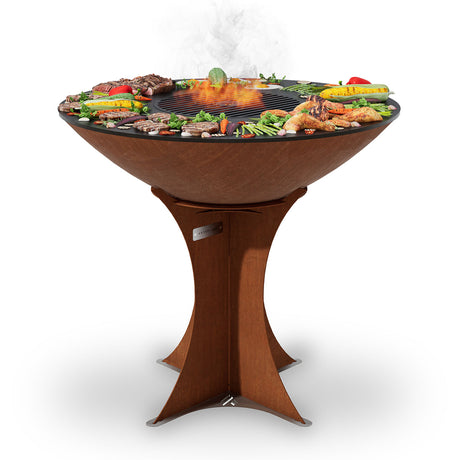
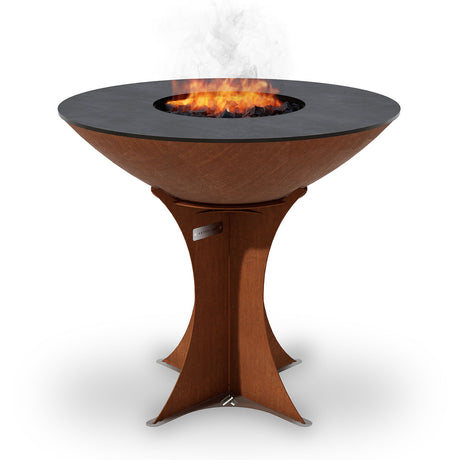
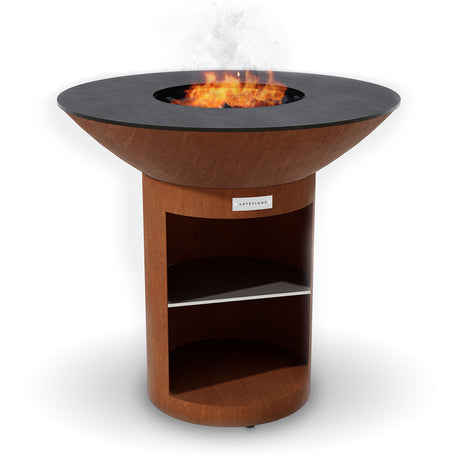
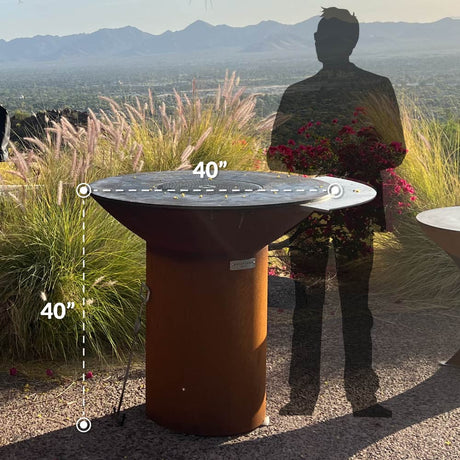
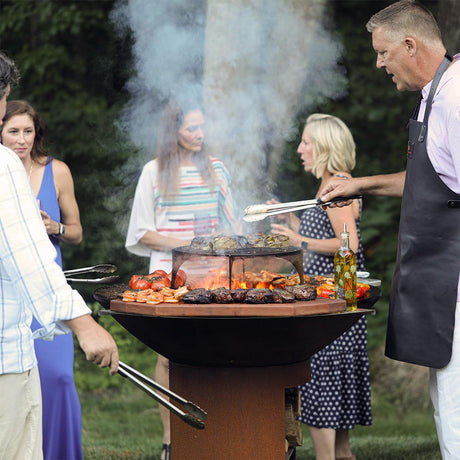
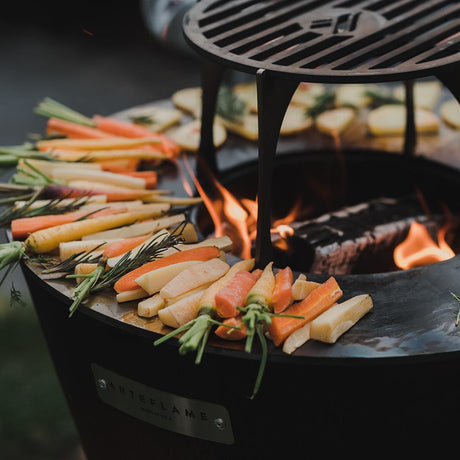
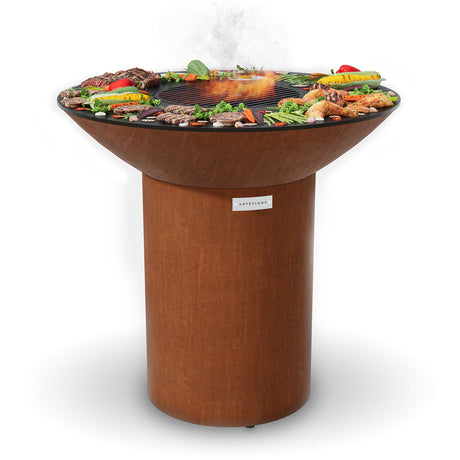
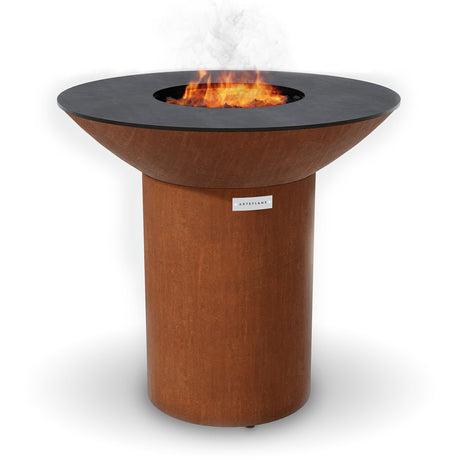
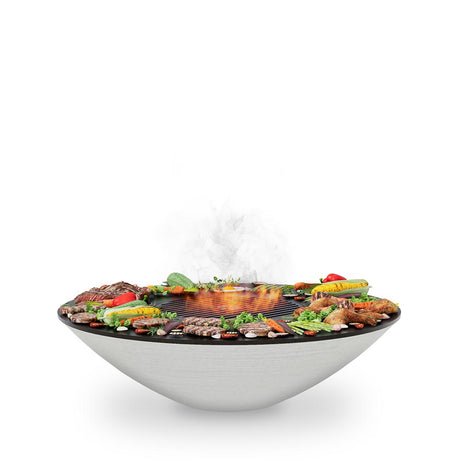
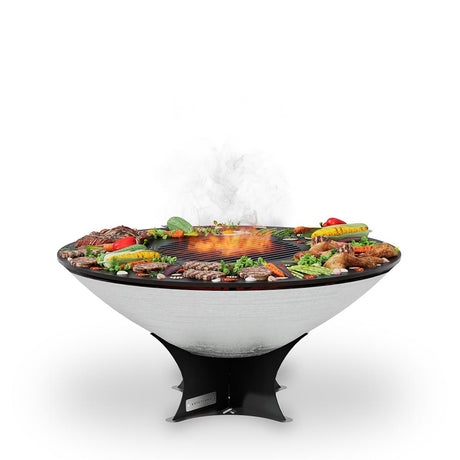
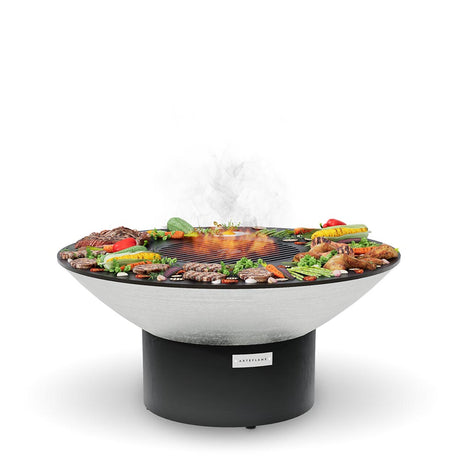
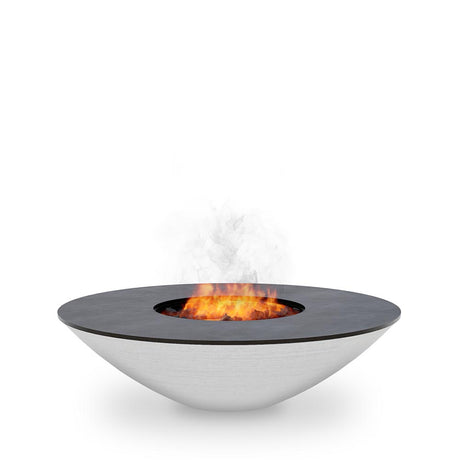
Experience the Arteflame difference — 1,000°F searing, natural wood-fired flavor, and a wide cooktop with multiple heat zones, all in one beautifully designed grill. Cook everything at once, control every temperature with ease, and elevate every outdoor moment. Discover why Arteflame transforms the way you grill.





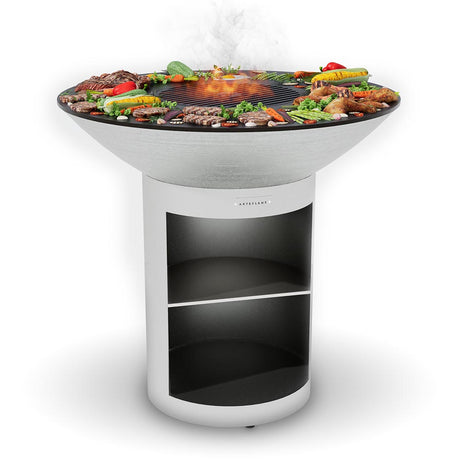
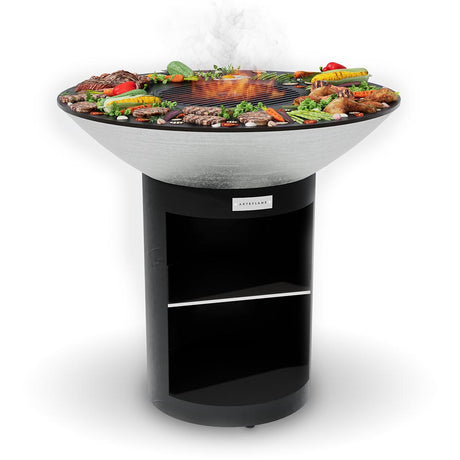
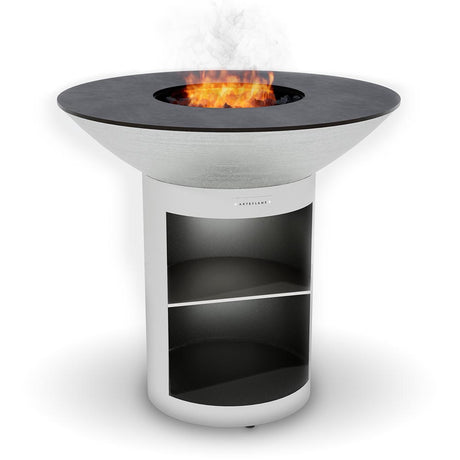


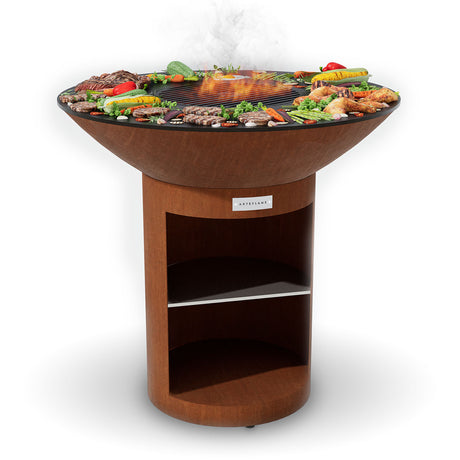

Turn yesterday's leftover macaroni into today's crispy, golden side dish with this easy wood-fired recipe.

Master this Texas-style open-fire brisket cooked entirely on the Arteflame grill. By searing on the center grate and wrapping to render on the flat top, you get perfectly tender, juicy...

Transform standard thick-cut bacon into a sweet, savory appetizer with a dark stout and brown sugar glaze, perfectly caramelized on a flat-top grill.

Render the perfect crispy skin with these Sichuan Peppercorn Duck Breasts, paired with a smoky, sweet, and spicy charred plum-poblano sauce.

Tender artichoke halves charred over high heat and smothered in rich garlic butter and Parmesan cheese.

Achieve the ultimate crust with this low-and-slow beef brisket recipe, utilizing natural heat zones for a perfect sear and incredibly tender finish.

Transform the trending crispy rice paper dumplings into a wood-fired masterpiece. Cooked on the Arteflame flat steel griddle for a shatteringly crisp crust and savory, high-protein filling.

Elevate albacore tuna with a steakhouse-style bacon wrap and a decadent green peppercorn cream sauce, grilled flawlessly on a flat-top.
Inspired to Grill?
Love it? Tell us — rate this recipe in 2 seconds. Tap a star below.