
Crisp and Golden Mac and Cheese Cakes on the Grill
Turn yesterday's leftover macaroni into today's crispy, golden side dish with this easy wood-fired recipe.


There is a special kind of magic that happens when maple meets wood smoke. Imagine biting into a duck leg where the skin is shattered-glass crispy, giving way to meat so tender it practically falls off the bone. This Arkansas Maple Marinated Duck recipe captures the essence of Southern outdoor cooking—earthy, sweet, and deeply savory. It reminds me of crisp autumn evenings gathered around the fire, where the smell of rendering fat and caramelized sugar promises a feast worth waiting for. The combination of the open fire and the rich game meat creates a cozy, rustic mood that is perfect for a special weekend dinner.
I adore this recipe because it takes the intimidation factor out of cooking duck. Many home cooks fear the fat, but the Arteflame grill manages it perfectly, turning potential flare-ups into a flavor advantage. The marinade strikes the perfect balance; the pure maple syrup caramelizes beautifully on the hot steel, while the soy and ginger cut through the richness, ensuring every bite is complex rather than cloying. It is a showstopper meal that feels fancy but is surprisingly forgiving.
If you do not have maple syrup on hand, honey works as a sticky substitute, though keep a close eye on it as it burns faster. For a gluten-free version, simply swap the soy sauce for tamari or coconut aminos.
This marinade relies on simple, high-quality ingredients to complement the strong flavor of the duck without overpowering it. The sugars in the maple syrup will help create a beautiful glaze on the flat cooktop.
Cooking duck on the Arteflame requires managing the heat zones to render the fat without burning the sugar in the marinade. Follow these steps for perfection.
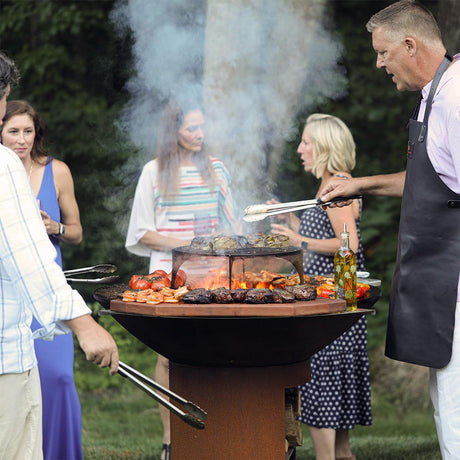
Grilling duck is different from grilling chicken or steak, primarily because of the thick layer of subcutaneous fat. On a traditional grate grill, this fat drips down and causes massive flare-ups that turn the meat sooty. The beauty of the Arteflame is that the solid cooktop catches this rendering fat. As the fat melts out, use a spatula to guide it toward the center fire opening, or use it to confit vegetables right next to the duck. If the maple marinade starts to darken too quickly, move the duck legs further toward the outer edge of the grill where the temperature is cooler. Always use a digital meat thermometer; duck breast can be served medium-rare, but duck legs need to be cooked through to become tender.
While the classic Arkansas Maple profile is a crowd-pleaser, you can easily tweak this recipe to suit your palate or the season. Here are a few ways to mix it up:
Duck is a rich, fatty meat that calls for sides that can cut through the richness or complement its earthiness. Since you are already cooking on the Arteflame, you should utilize the flavored duck fat rendering on the cooktop to grill your sides. Root vegetables are particularly excellent companions. Try tossing sliced sweet potatoes or carrots in the rendering duck fat on the grill surface; the sweetness of the vegetables mirrors the maple glaze. Wild rice with dried cranberries and pecans makes for a wonderful starch that absorbs the juices. For a drink pairing, a robust Pinot Noir with high acidity helps cleanse the palate between bites, or go local with a crisp, amber ale that highlights the caramelized maple notes.
This Arkansas Maple Marinated Duck Legs recipe is more than just a meal; it is a celebration of outdoor cooking. By using the Arteflame grill, you transform a potentially difficult ingredient into a foolproof masterpiece. The combination of the flat-top sear and the wood fire smoke creates a texture and flavor profile that you simply cannot replicate in a kitchen oven. Whether you serve this for a holiday dinner or a special weekend backyard gathering, the result is always the same: empty plates and happy guests. The crispy skin, the succulent meat, and the hint of sweet maple make this a dish you will want to revisit time and time again.

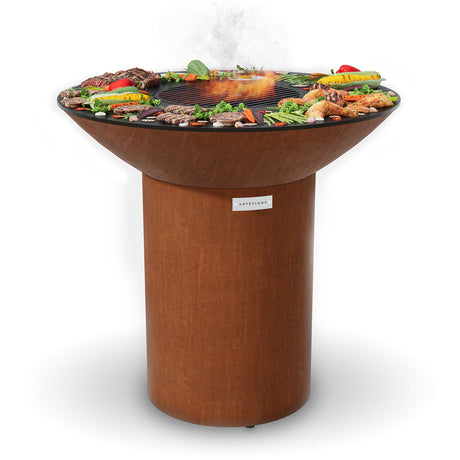
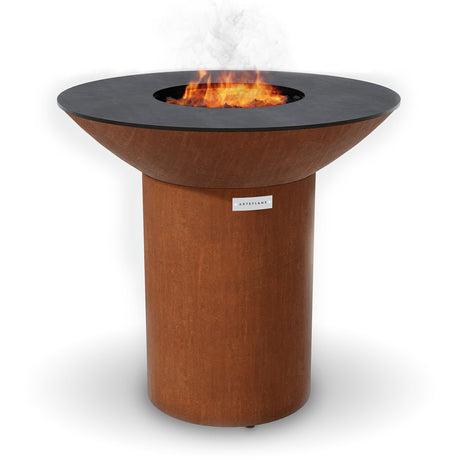
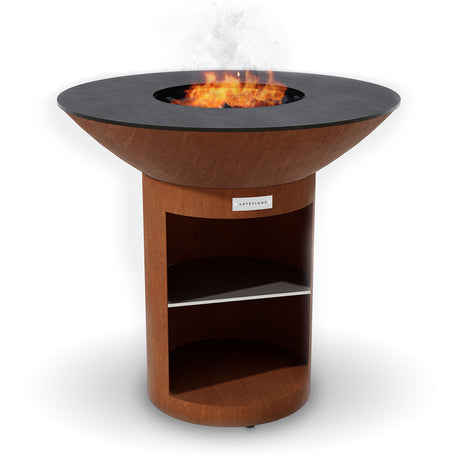
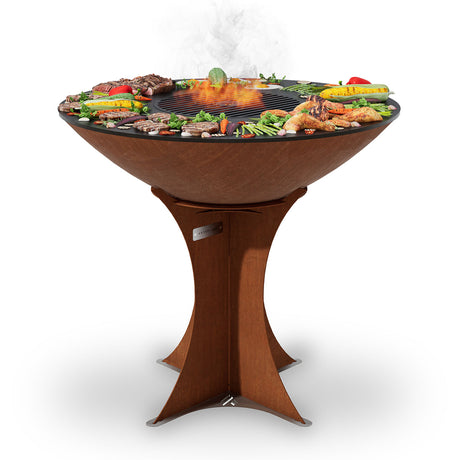
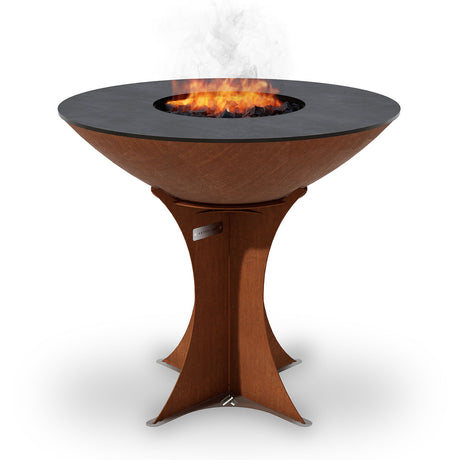
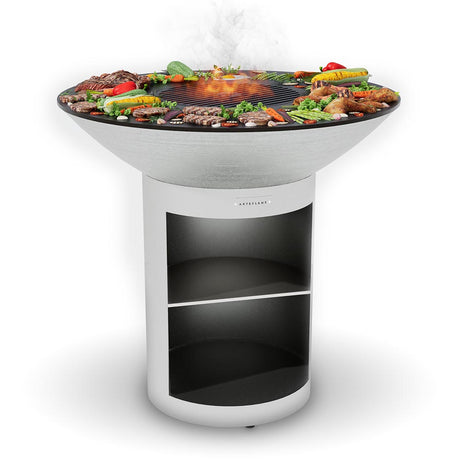
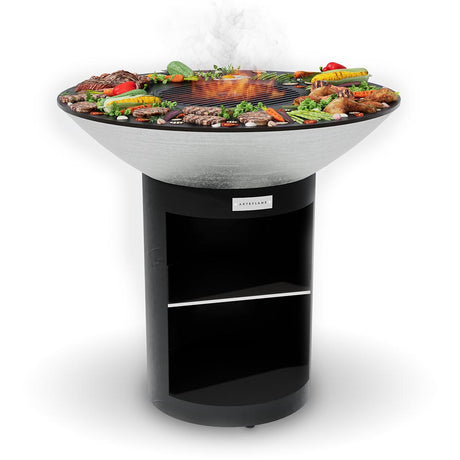
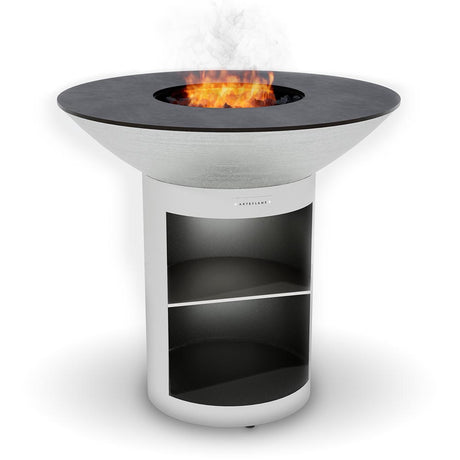
Experience the Arteflame difference — 1,000°F searing, multiple heat zones, and true wood-fired flavor in one striking grill. Cook everything at once with total temperature control and enjoy a more intentional, elevated outdoor cooking experience. Discover why an Arteflame isn’t just a grill — it transforms the way you cook.









Turn yesterday's leftover macaroni into today's crispy, golden side dish with this easy wood-fired recipe.

Master this Texas-style open-fire brisket cooked entirely on the Arteflame grill. By searing on the center grate and wrapping to render on the flat top, you get perfectly tender, juicy...

Transform standard thick-cut bacon into a sweet, savory appetizer with a dark stout and brown sugar glaze, perfectly caramelized on a flat-top grill.

Render the perfect crispy skin with these Sichuan Peppercorn Duck Breasts, paired with a smoky, sweet, and spicy charred plum-poblano sauce.

Tender artichoke halves charred over high heat and smothered in rich garlic butter and Parmesan cheese.

Achieve the ultimate crust with this low-and-slow beef brisket recipe, utilizing natural heat zones for a perfect sear and incredibly tender finish.

Transform the trending crispy rice paper dumplings into a wood-fired masterpiece. Cooked on the Arteflame flat steel griddle for a shatteringly crisp crust and savory, high-protein filling.

Elevate albacore tuna with a steakhouse-style bacon wrap and a decadent green peppercorn cream sauce, grilled flawlessly on a flat-top.
Inspired to Grill?
Love it? Tell us — rate this recipe in 2 seconds. Tap a star below.